Electricity price rises for most customers will be limited to 2%, ČEZ chief tells Czech Radio


For customers of the ČEZ energy group who do not have a fixed price—the majority—electricity prices will rise by no more than two percent as a result of the Energy Regulatory Office (ERÚ) proposal to increase the regulated component by 70 percent. For those who fixed their prices before the energy crisis and whose contracts are now expiring, electricity prices will rise by several tens of percent. However, they make up a clear minority. That is the expectation of ČEZ CEO Daniel Beneš. Speaking to Radiožurnál today, he also said that ERÚ had launched a 30-day consultation process with its proposal, and that the final figure could still change.
„In our estimates, what matters is whether a particular customer belongs to the largest group, which does not have a fixed price and typically sees it change once a year. This is the largest group, accounting for more than 40 percent of customers. Our estimate is that their total bill, adding up all the individual items, will either stay the same or be one or two percent higher. But, broadly speaking, the change is close to zero,“ Beneš told Radiožurnál.
For customers with fixed-price contracts, he said, it depends on when they fixed their price. „If someone fixed their price a year ago, the increase is not large. But if someone fixed their price three years ago, in 2021, before the crisis, and their contract is only expiring now, they will feel the delayed impact now. In those specific cases, where prices have to be brought into line with what others are paying, the increase is in the order of several tens of percent. But such contracts make up a clear minority,“ he said.
Under ERÚ’s proposal on Tuesday, the regulated component of electricity prices would rise by 71 percent year on year, meaning an average increase of around CZK 1,408 per megawatt-hour (MWh), including VAT. The regulated component of electricity prices for large consumers would rise even more sharply: by 113 percent year on year at the high-voltage level and by 206 percent at the very-high-voltage level. The increase in the regulated component for gas is expected to be somewhat lower.
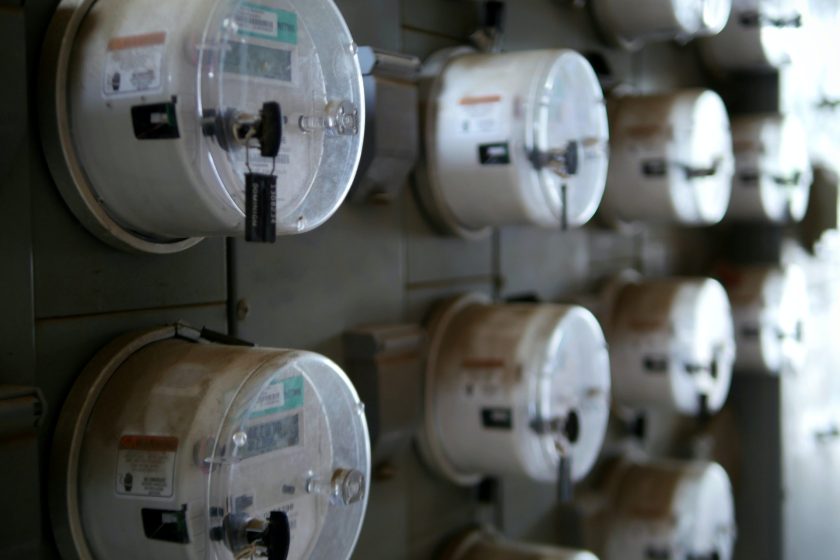
Industry and Trade Minister Jozef Síkela (STAN) said on Tuesday that the main reason for the increase in the regulated component of energy prices was that the state had subsidised it this year to the tune of around CZK 110 billion. This mainly covered compensation for price caps, payments for renewable energy sources and the costs of system services.
Beneš said he could not predict what the 30-day consultation process would bring. „It is a political question: how much of the burden should fall on industrial companies and how much on the state budget. That is purely a political decision,“ he said.
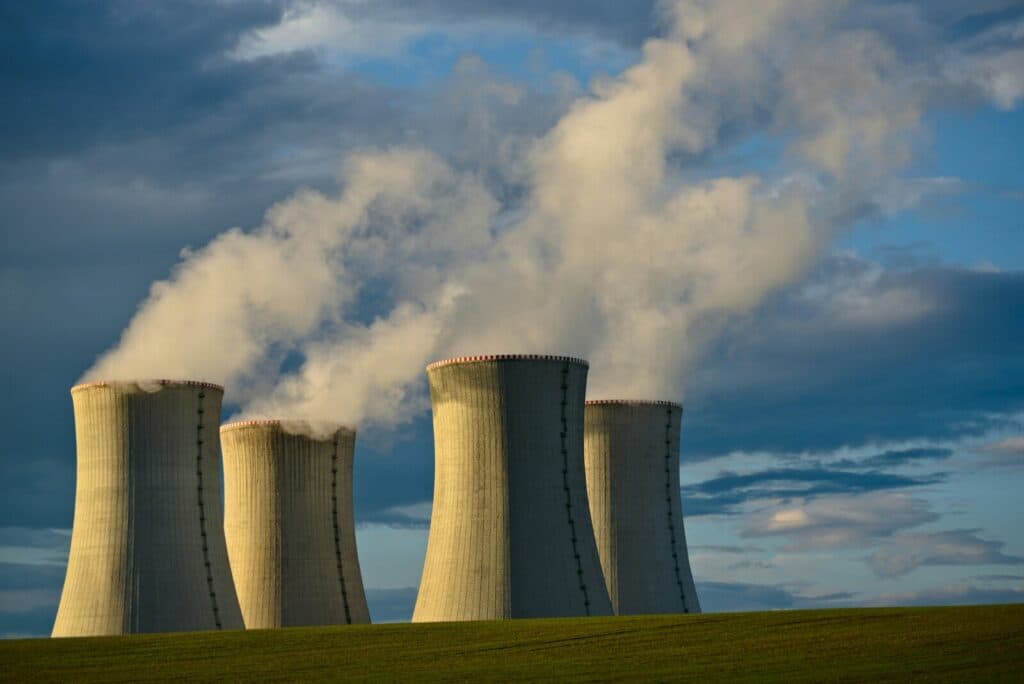
He declined to comment in detail on the final bids for a new unit at Dukovany, submitted on Tuesday by all three shortlisted bidders: North American company Westinghouse, South Korea’s KHNP and France’s EDF. „At this point, it is impossible to say anything. The next milestone for us is mid-February, when we are due to submit our assessment and recommendation to the government for consideration,“ he said. On the generation cost of electricity from the new unit, however, he noted that companies bidding for other projects around the world at various stages were quoting figures of between 70 and 100 euros per megawatt-hour. „We’ll see where things end up here. But it really has to be somewhere around those figures for it to make sense. That is still ahead of us, though,“ he concluded.
Translation disclaimer
This article is a machine translation of the Czech original and has not yet been fully reviewed. In case of any doubt, please refer to the Czech version.