3 November 2026, 06:14
Loading...
Germany and South Korea strengthen energy cooperation

Zuzana Vrbová
3 November 2026, 06:14
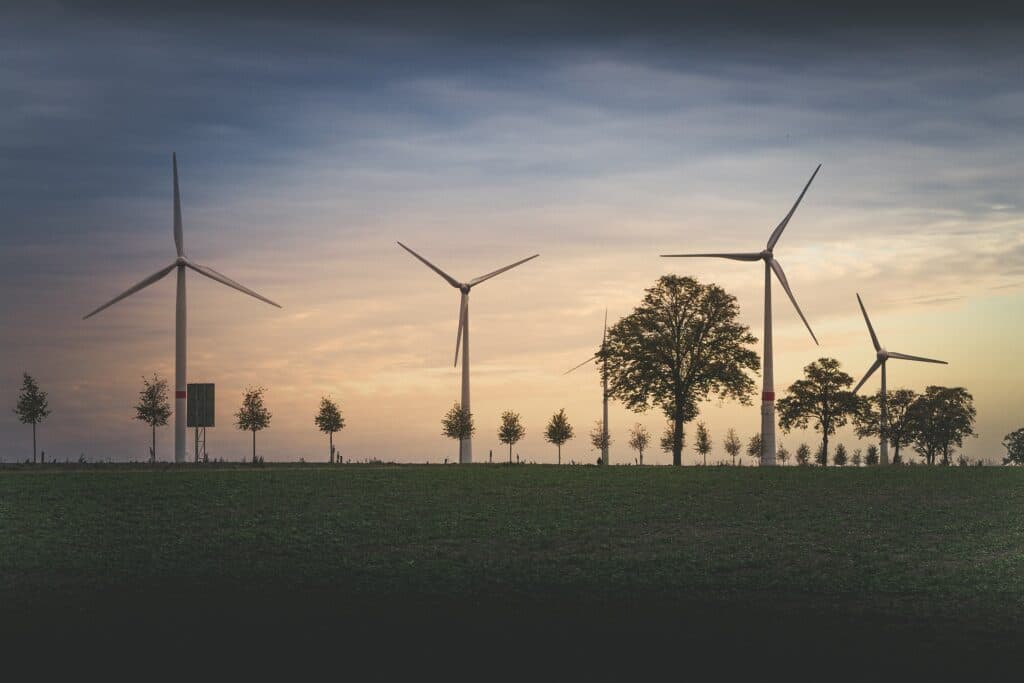
Germany and South Korea want to deepen cooperation in the areas of the energy transition, modernisation of electricity grids and low-carbon technologies. The expanded partnership reflects growing Asian interest in European energy markets, including the Czech Republic.
Germany and South Korea signed a declaration of intent on 30 October 2026 to renew and strengthen their energy cooperation, as reported by RenewablesNow. The countries have been partners since 2019, and the expansion is set to include joint activities in several strategic areas.
The declaration’s key topics include the development of renewable energy sources, energy efficiency, clean hydrogen, electricity grids and energy storage systems. Cooperation will also newly focus on the use of artificial intelligence and digital technologies in the energy sector, innovative low-carbon solutions, and the energy needs of data centres and industry.
According to the German Ministry of Economic Affairs, closer cooperation could create opportunities for businesses in both countries to jointly develop projects, integrate supply chains and attract new investment. The declaration was signed by South Korean Vice Minister for Climate, Energy and Environment Hohyeon Lee and German Parliamentary State Secretary Stefan Rouenhoff.
South Korea–Czech Republic cooperation
South Korea is strengthening its role in the energy sector across the region, making cooperation between Germany and Korea relevant in the Czech context as well. The project to build a nuclear power plant in Dukovany by South Korean company Korea Hydro & Nuclear Power (KHNP) represents one of the largest energy investments in the history of the Czech Republic and is also among the largest in Europe.
Translation disclaimer
This article is a machine translation of the Czech original and has not yet been fully reviewed. In case of any doubt, please refer to the Czech version.
Sdílejte článek prostřednictvím:
You might also like
2 November 2026, 14:47
2 November 2026, 10:52