
28 October 2026, 15:10
Loading...
EU supergrid: Energy ministers sign declaration on electricity market integration
Veronika Jurcová
3 June 2024, 15:22
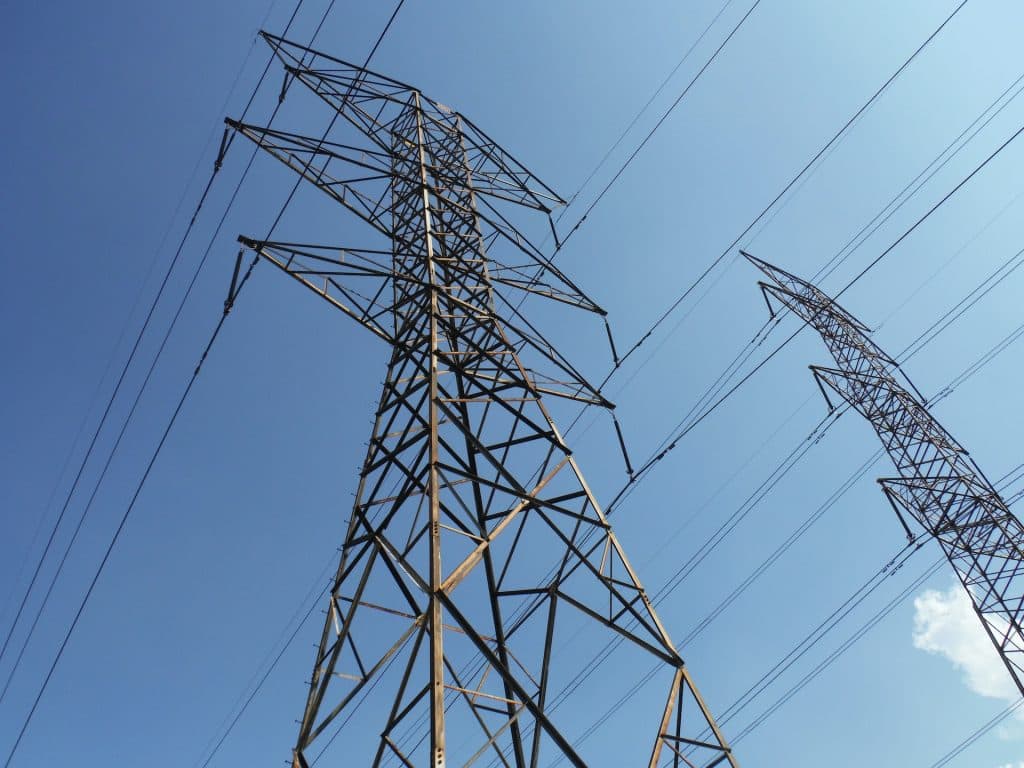
EU energy ministers signed a comprehensive declaration at Thursday’s Energy Council meeting, highlighting the need to establish an EU supergrid. The declaration calls for deeper integration of the European electricity grid and for facilitating longer-term cross-border planning, Euractiv reports.
The ministers signed the declaration at the final Energy Council meeting under Belgium’s six-month presidency of the Council, chaired by Tinne Van der Straeten, Belgium’s energy minister. Hungary takes over the Council presidency from Belgium on 1 July.
Grid development is high on the political agenda in Brussels, as electricity consumption is expected to increase by 350% as the EU decarbonises. The European Commission estimates that €600 billion in grid investment will be needed by 2030.
“The share of renewable energy in electricity generation has more than doubled since 2004, reaching almost 40%. The Council conclusions are in line with this development and reflect the European Union’s ambition to become greener, more competitive and more resilient in the energy sector, while stressing the need to establish an EU supergrid to incorporate more renewable energy, support electrification, stabilise prices and enhance energy security,” said Tinne Van der Straeten, Belgium’s energy minister
A secure, interconnected and integrated European electricity system
Much of the work to achieve this goal depends on planning. As the EU strives for a fully integrated and interconnected electricity system, the Council’s declaration stresses the need for coordinated infrastructure planning and for taking the specific needs of non-interconnected regions into account.
It also calls on the Commission that will be formed after the June European Parliament elections to propose a framework ensuring that planning is aligned with the EU’s climate and energy goals, and making the process more transparent. This planning should combine coordination of national plans from the regional to the European level and take into account the specific needs of non-interconnected or insufficiently interconnected regions.
Security must also be factored into planning. The EU needs a set of energy security measures in response to new threats since 2022, including cyber risks. To strengthen infrastructure resilience, member states should improve cooperation with all stakeholders, focus on hybrid threats and protect critical infrastructure.
While EU electricity and gas network regulators already draw up regular ten-year plans, EU countries are preparing to create plans covering the next 20 years as well.
Investment
The Commission has estimated grid investment needs, but no institution has yet stated how large the gap is between currently planned investment and overall requirements.
The Council therefore asks the Commission in its declaration to provide information on actual investment needs for electricity systems compared with the funding allocated to them.
Experts estimate that €800 billion in investment will be needed by 2030, while energy think tank Ember found that grid plans in more than 10 EU countries do not take account of the recent influx of renewables, which could distort the figures.
In any case, the European Investment Bank (EIB) is being urged to step up its financing and risk-reduction initiatives for grid investment in the future.
The 2022 energy crisis highlighted the resilience—and therefore the security benefits—of the EU’s relatively well-integrated electricity and gas markets. Paradoxically, however, the crisis also accelerated an earlier trend towards fragmentation rather than leading to more coordinated solutions, according to the conclusions of a study by Brussels-based think tank Bruegel.
Joint implementation of measures should mean that less capital is needed for new power plants and fewer fossil fuels are burned than if each system were optimised individually in national markets. Moreover, a consistently regulated and predictable European market will reduce the cost of invested capital, bringing greater benefits to consumers.
Current coordination measures, based on a common European short-term market, are losing influence as national long-term instruments dominate investment signals. Unless the EU intervenes, member states may take greater control of their energy policies, which could threaten the internal energy market and limit the benefits it has delivered so far.
Translation disclaimer
This article is a machine translation of the Czech original and has not yet been fully reviewed. In case of any doubt, please refer to the Czech version.
Sdílejte článek prostřednictvím:
You might also like

28 October 2026, 13:08

28 October 2026, 11:10

28 October 2026, 09:08
