25 September 2026, 09:51
Loading...
Household electricity prices continued to fall last year. Surprisingly, the biggest drop was for two-year fixed-rate contracts

Martin Voříšek
8 January 2026, 10:15
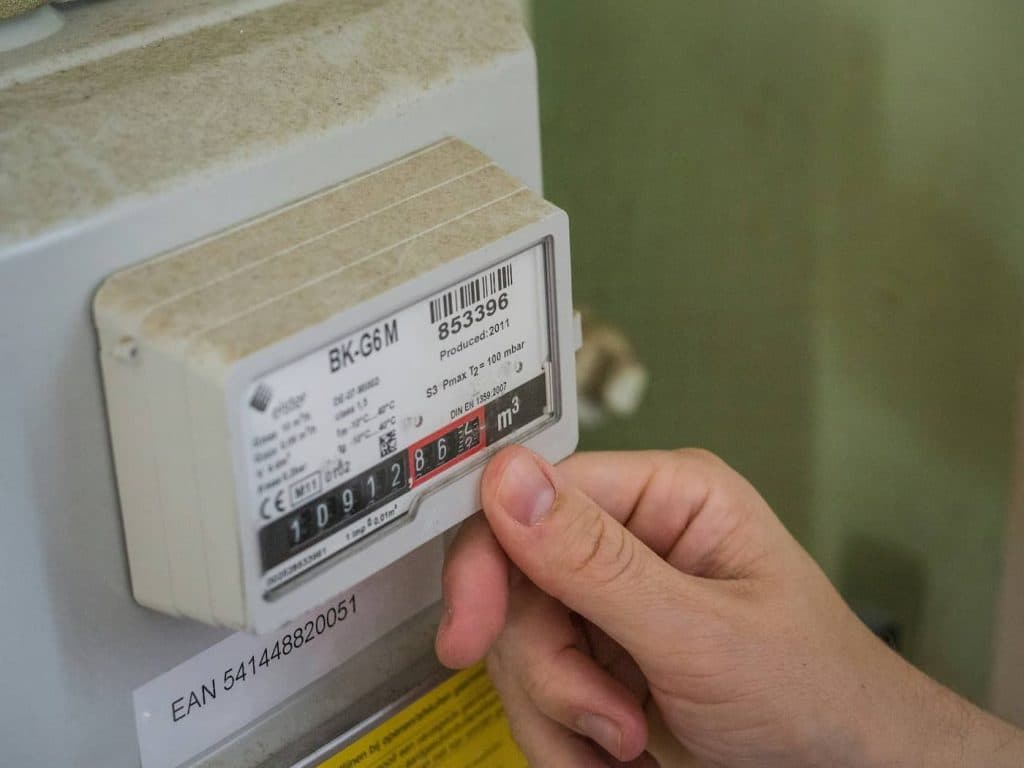
Household electricity prices continued their modest decline in 2025. The trend, which has persisted since the end of the energy crisis, thus continued last year across all types of products. Prices fell by 8 % on average, and by more than 9 % for two-year fixed-rate contracts. However, products with fixed terms one year shorter or one year longer saw the smallest price declines.
Following the exceptionally turbulent period of 2022 and 2023, the household electricity supply market gradually stabilised. This development was reflected in both the regulated and commercial (unregulated) components of electricity prices.
The commercial (unregulated) component of the electricity price is the part set by suppliers themselves based on market conditions. It includes the cost of purchasing wholesale electricity, trading costs, risk management, operations, and the supplier's profit margin. Unlike the regulated component, this part of the price is not directly set by the state or the Energy Regulatory Office and can vary significantly between products and suppliers.
Translation disclaimer
This article is a machine translation of the Czech original and has not yet been fully reviewed. In case of any doubt, please refer to the Czech version.
The article continues for subscribers
Premium content
The rest of this article is available to premium subscribers only. Get access to all premium articles on oEnergetice.cz.
You have read only 32% of the article — unlock the remaining 68% with a premium subscription.
Best value: annual subscription
Monthly option 4 € / month
3.25 €/ month
You might also like

24 September 2026, 11:23

24 September 2026, 10:30
24 September 2026, 06:56