
23 October 2026, 14:38
Loading...
IEA: Electricity demand to grow by 3.5% a year through 2030

oEnergetice.cz, ČTK
6 February 2026, 16:44
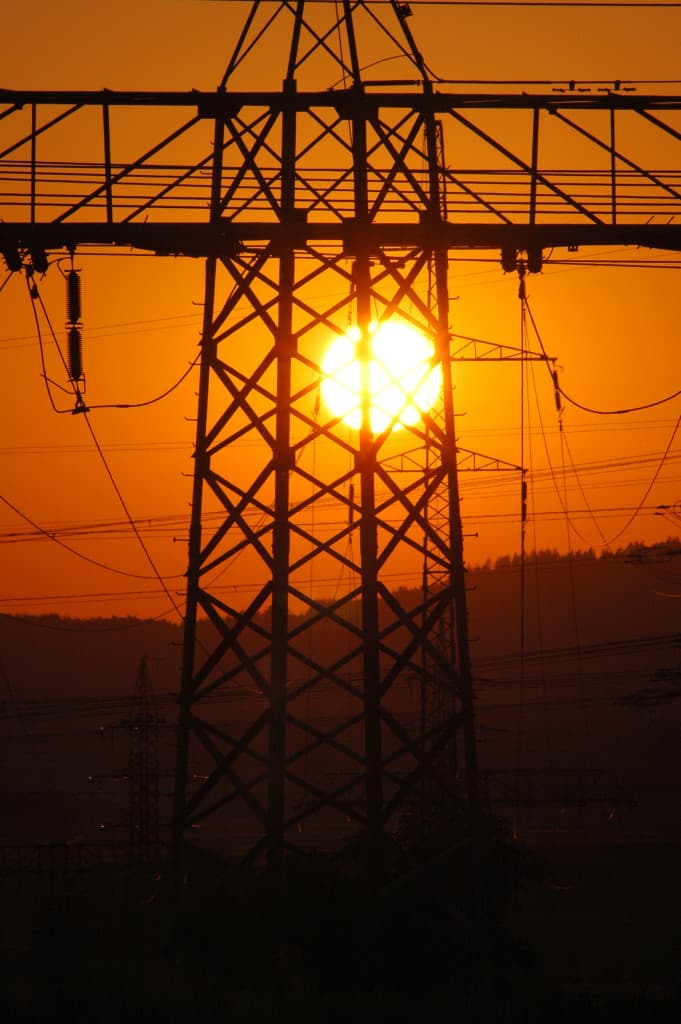
Global electricity demand will continue to grow significantly in the coming years, increasing at an average rate of more than 3.5 percent a year through 2030. The International Energy Agency (IEA) said this today in its report titled Electricity 2026. Electricity generation from renewables, natural gas and nuclear power is set to expand to meet this growth.
The report is the IEA’s annual publication focusing on global power systems and markets. It offers a detailed analysis of trends and includes forecasts for electricity demand, supply and carbon dioxide (CO2) emissions over the five-year period through 2030.
The report says electricity demand will grow at least 2.5 times faster than total energy demand through 2030, as the so-called Age of Electricity takes hold. The trend is being driven by the growing use of electricity in industry, the continued expansion of electric mobility, higher electricity consumption for air conditioning, and the development of data centres and artificial intelligence (AI).
Although demand growth continues to be driven mainly by emerging and developing economies, electricity consumption in advanced economies is also rising after 15 years of stagnation. By 2030, these economies will account for one-fifth of the overall increase in global electricity demand.
Global electricity generation from renewables, supported by record deployment of solar PV, is now on track to overtake coal-fired generation, which it practically matched last year, according to the latest available data. Nuclear power generation also reached a new high. The momentum behind low-emissions sources is set to continue through 2030, when renewables and nuclear power are expected to generate a combined 50 percent of the world’s electricity, up from 42 percent today.
Natural gas-fired power generation is also set to increase, supported by stronger electricity demand in the United States and the ongoing shift from oil to gas for power generation in the Middle East. By contrast, coal-fired generation is declining worldwide as renewables expand. By the end of the decade, it is expected to return to 2021 levels, meaning global CO2 emissions from power generation are expected to remain roughly stable between now and 2030.
These trends — rising demand, a generation mix increasingly dependent on weather, and changing consumption patterns and technologies — require the rapid and efficient expansion of electricity grids, alongside greater flexibility across the entire system, the report stresses.
The report also notes that utility-scale battery storage installations have surged, providing an important source of short-term flexibility. Markets in California, Texas, Germany, Britain and South Australia have seen significant growth in storage capacity in recent years.
The Electricity 2026 report also warns that electricity affordability remains a key and growing concern. Household electricity prices in many countries have risen faster than incomes since 2019. High prices are also putting pressure on industry and businesses. As a result, policymakers are focusing on measures, market design and regulation that can ensure not only additional investment but also greater flexibility and efficiency across all parts of the power system — on the demand and supply sides, and in the use of infrastructure.
The report also says greater efforts are needed to improve the security and resilience of energy systems around the world, which face growing risks from ageing infrastructure, extreme weather, cyber threats and other emerging threats. Modernising system operations and strengthening the physical protection of critical infrastructure will be essential to managing these risks, the report says.
Translation disclaimer
This article is a machine translation of the Czech original and has not yet been fully reviewed. In case of any doubt, please refer to the Czech version.
Sdílejte článek prostřednictvím:
You might also like


23 October 2026, 11:01


23 October 2026, 06:34