9 October 2026, 06:22
Loading...
Investor interest in European grids is growing, and the transition will require hundreds of billions in investment

Lukáš Lepič
1 October 2025, 07:12
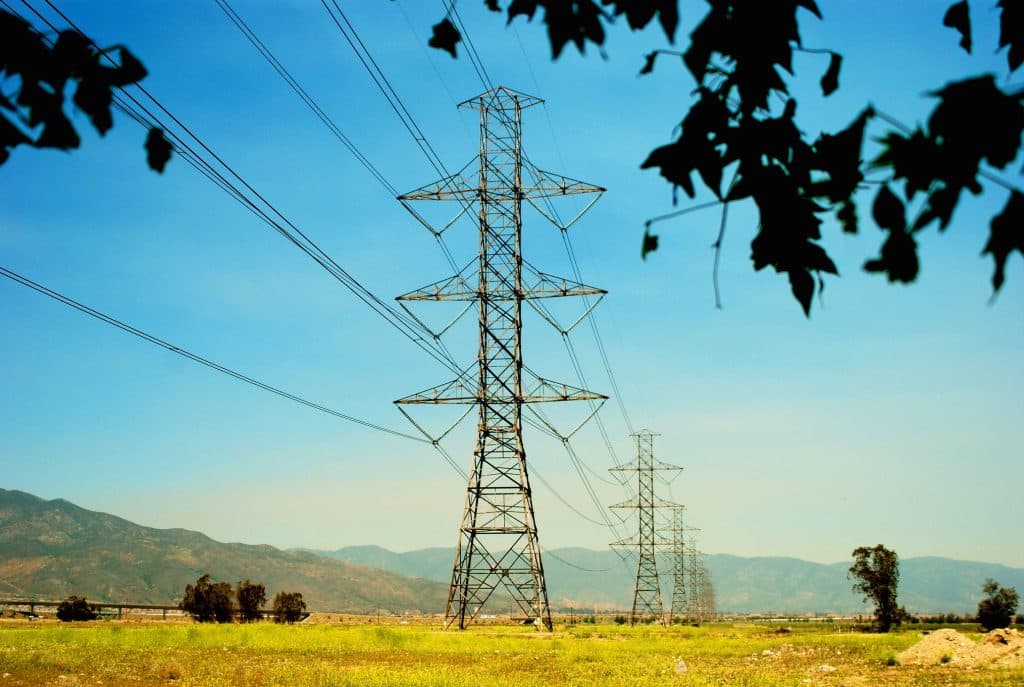
According to analysts, Europe’s energy transition is creating significant investment opportunities in grid infrastructure. The EU needs to invest 477 billion euros in transmission grids and 730 billion euros in distribution grids by 2040 to keep pace with growing renewable generation and rising demand in sectors such as digital infrastructure, electromobility and hydrogen, according to Reuters. This is attracting particular interest from institutional investors.
The rapid expansion of solar and wind generation capacity is, however, constrained by grid capacity. In the Netherlands, for example, more than 11,900 businesses are waiting to be connected because of grid congestion, according to the Financial Times. Annual spending on electricity grids in Europe is expected to exceed USD 70 billion in 2025, double the level seen in previous decades, according to the International Energy Agency (IEA). Companies in the Czech Republic are also investing. State-owned transmission system operator ČEPS, for example, plans to invest more than 80 billion koruna in the development of energy grids over the next ten years.
The attractiveness of returns varies between individual markets. While regulators in Germany are proposing returns that some market participants say are insufficient for investors, the returns frameworks in Poland and the Czech Republic are considered suitable for capital investment, according to the Reuters report.
According to Reuters, investors are now looking primarily at opportunities in expanding power lines, cross-border interconnectors, direct connections for data centres and the development of the hydrogen economy. More than 44% of institutional investors have made European infrastructure their preferred choice for capital investment, up from 33% the previous year, according to a survey by IFM Investors.
Successful projects include the synchronisation of the Baltic states (Estonia, Latvia and Lithuania) with the continental European grid, completed in February 2025. This made it possible to reduce dependence on interconnections with Russia and Belarus. Other key project priorities include building cross-border interconnectors, direct connections for data centres and integrating the hydrogen industry, all of which could significantly reshape energy flows across regions.
The main investments are still getting underway, however, and face numerous risks. These include lengthy approval processes, a limited number of manufacturers of high-voltage equipment (particularly transformers), rising component prices and the risk that project returns will not be attractive enough for investors.
The challenge for European regulators and policymakers is therefore to ensure a system that allows investors to earn adequate returns, speed up project approval processes and create a coherent framework for financing the energy transition.
Translation disclaimer
This article is a machine translation of the Czech original and has not yet been fully reviewed. In case of any doubt, please refer to the Czech version.
Sdílejte článek prostřednictvím:
You might also like

8 October 2026, 10:05