
23 October 2026, 14:38
Loading...
Modern energy is based on electrification, IEA says
oEnergetice.cz
18 November 2024, 16:26
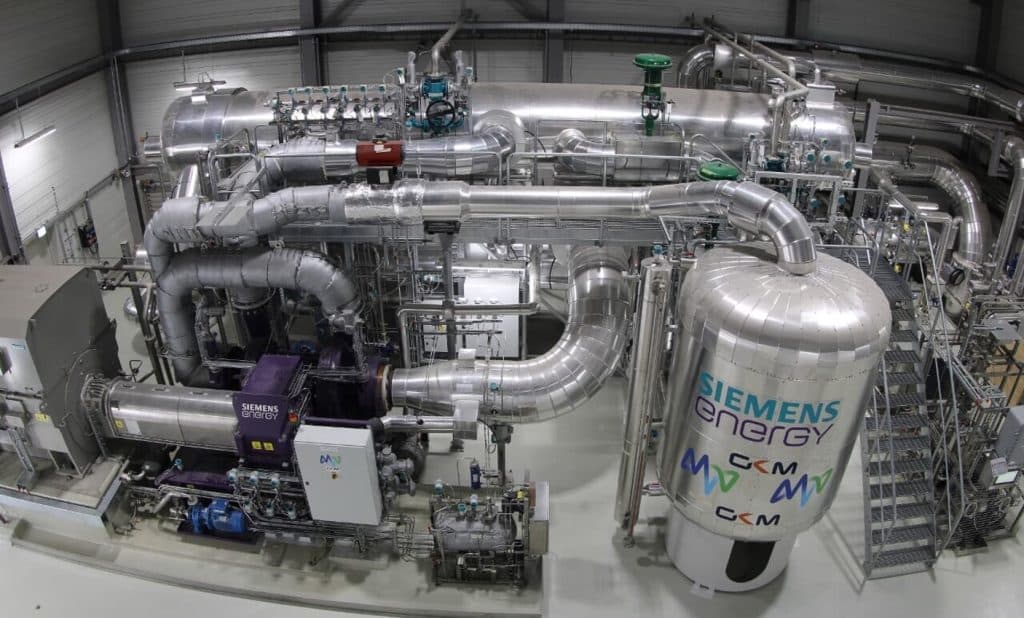
The potential for electrification is enormous, not only in industry but also in heating. In response to the energy crisis, the European Union must focus on increasing its energy independence and efficiency. The agenda of the new European Commissioner for Energy, Dan Jørgensen, includes an “Electrification Action Plan” aimed at removing key legislative barriers and thereby accelerating the shift to electrification. In its investment plan published in September 2024, the Ministry of Industry and Trade (MPO) forecasts a significant increase in investment in the electrification of district heating and industry, with investment expected to exceed 150 billion koruna by 2040. A study by the Czech District Heating Association suggests that heat pumps could account for up to a third of heat production by the same year. According to the International Energy Agency (IEA), electrification will become increasingly important worldwide in the coming years and one of the main drivers of decarbonisation. This will, of course, require increased electricity production capacity, but not from fossil fuels—instead, technologies such as solar photovoltaics and wind farms will be needed, the IEA says in its World Energy Outlook 2024.
Electrification significantly boosts efficiency in many areas—for example, a heat pump can produce up to five times as much energy as it consumes, while electric vehicles are three times as efficient as those powered by fossil fuels. Industrial companies can also use waste heat to produce steam. However, the relatively low price of gas has so far held back the development of electrification in Czechia. Electricity here costs around two to three times as much as gas, whose price is typically set by gas-fired power plants, which meet demand around 60% of the time. Cheap gas has therefore long reduced incentives to invest in more efficient technologies.
Electricity prices on the day-ahead market fluctuate widely, ranging from negative values to several times the usual price. Negative prices result from an imbalance in the supply of renewables, which provide cheap, clean energy but have variable output. These fluctuations can create opportunities for large industrial and district heating consumers able to respond flexibly to price changes.
Surplus cheap electricity, which can be difficult to use during peak production periods, could be put to work in energy-intensive sectors such as food processing, paper manufacturing and petrochemicals. Another advantage is better use of renewable energy sources that have already been built, reducing emissions and optimising the use of existing infrastructure. According to an analysis by McKinsey & Company, in Germany electricity prices are more than 20% of the time lower than the price of gas including the CO2 allowance, making electricity more attractive for direct consumption. This trend is likely to grow in the coming years.
Electrifying heat could also benefit industrial solar installations, which today are usually designed to match the maximum amount of electricity drawn from the grid. With heat electrification, companies could install larger solar panels and use surplus energy during peak production to heat water or store it in tanks. Oversized solar arrays could therefore make a significant contribution to energy savings and improve the return on investment in photovoltaics.
Small and medium-sized businesses, however, are often not fully aware of the benefits of electrification, while shortcomings in waste-heat monitoring and a conservative approach are holding back the faster development of this promising technology. Modern approaches to electrification, including the use of large heat pumps, electrode boilers and plasma burners, will be discussed at the international conference Industrial heat pumps: Electrification starts here, which will take place on 27 and 28 November at Prague’s O2 Universum.
The conference will feature internationally recognised speakers, including leading representatives of the European Commission, industry, business, science and research. The programme will include panel discussions and expert workshops for technical specialists as well as presentations. This is a truly exceptional event in the Czech context, placing modern energy within a Europe-wide framework.
More information and registration at www.exergie.cz
Translation disclaimer
This article is a machine translation of the Czech original and has not yet been fully reviewed. In case of any doubt, please refer to the Czech version.
Sdílejte článek prostřednictvím:
You might also like


23 October 2026, 11:01


23 October 2026, 06:34