
23 October 2026, 14:38
Loading...
Residents of Vlkov in Czechia's Náchod region reject solar power plant in referendum

oEnergetice.cz, ČTK
17 May 2025, 11:08
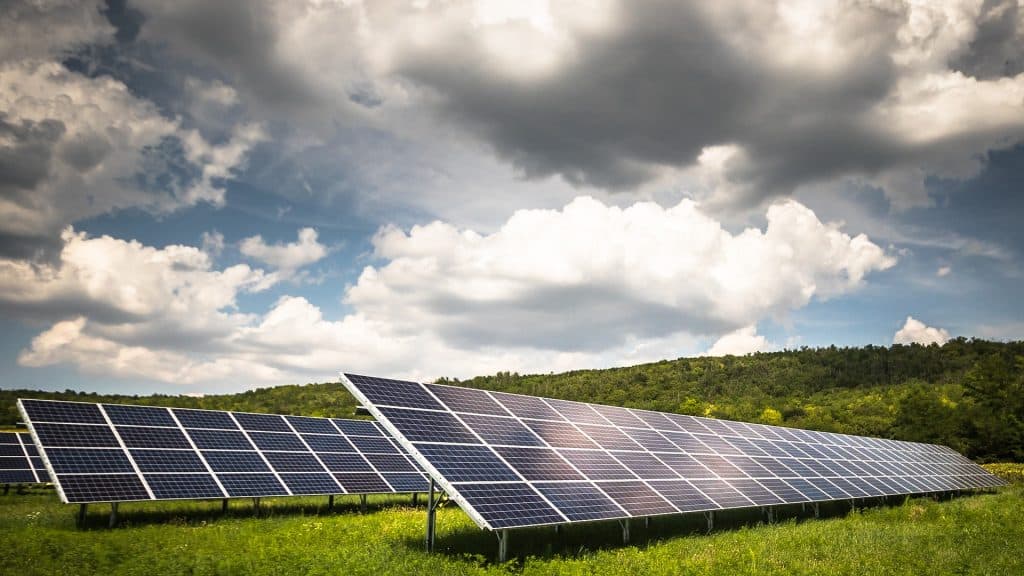
Residents of Vlkov in the Náchod region rejected plans to build a solar power plant on fields in the municipality’s cadastral area in a referendum. Of the 312 eligible voters, 200 took part in the referendum on Friday. Of those, 181, or 90.5 percent, voted against the power plant. The decision adopted in the local referendum is valid and binding on the municipal council. The municipality published the results of the referendum, held on Friday from 14:00 to 24:00, on its website today. Last September, referendums on the proposed power plant were held alongside regional elections in the neighboring municipalities of Rasošky and Nový Ples. Residents there also rejected the project.
A company called Agrivolt Rasošky wants to build a photovoltaic power plant covering up to 200 hectares on fields between the municipalities. It offered cooperation and financial compensation to the municipalities, which have a combined population of about 1,450, as well as electricity subsidies for residents. Opponents object to the use of agricultural land and fear a decline in the value of their properties, damage to the landscape, or the creation of so-called heat islands.
Residents of Vlkov, which has about 390 inhabitants, were asked: “Do you agree with locating photovoltaic power plants on land that is undeveloped or not designated for development in Vlkov’s zoning plan?” According to Mayor Jaroslav Veverka (Náš Vlkov), the municipality phrased the referendum question in general terms so that it would not apply only to Agrivolt’s project. “It should also address the possibility that another party might come forward with a plan for a photovoltaic power plant in the future,” Veverka said earlier.
A petition campaign opposing construction of the power plant was held in 2023. “In Rasošky, 340 voters opposed the project. In Vlkov, 234 voters did so, and in Nový Ples, 170 voters opposed it,” said Vítězslav Holínský, a spokesman for the petition committee, earlier.

Illustrative photo
Agrivolt Rasošky presented the project in spring 2023. The company describes it as combining modern energy with environmentally friendly farming. The power plant would cost 2.5 billion crowns and have a capacity of up to 140 megawatts, making it one of the largest in Czechia. The company offered the municipalities an annual contribution to their budgets and residents a subsidy for electricity, as well as other benefits such as building a cycle path and charging stations.
Company representatives sought to address residents’ concerns at meetings. “We want to approach this as a partnership project and offer income to both the municipalities and residents,” Radim Syrovátko, the company’s managing director, said at a meeting in Nový Ples. Agrivolt says the site is suitable for a solar park. The land has lower agricultural value and can easily be connected to the very-high-voltage grid. The company began preparing the power plant project in 2021; it is expected to operate at the site for 25 to 30 years.
Agrivolt Rasošky is co-owned by Prague-based energy group Decci, Aluinvest of Nové Město nad Metují, and Beas Choustníkovo Hradiště, which operates two bakeries in the Hradec Králové Region and is also active in photovoltaics. Beas also owns an agricultural business in Rasošky.
Translation disclaimer
This article is a machine translation of the Czech original and has not yet been fully reviewed. In case of any doubt, please refer to the Czech version.
Sdílejte článek prostřednictvím:
You might also like


23 October 2026, 11:01


23 October 2026, 06:34