China turns to WTO over Canada's tariffs on electric vehicles

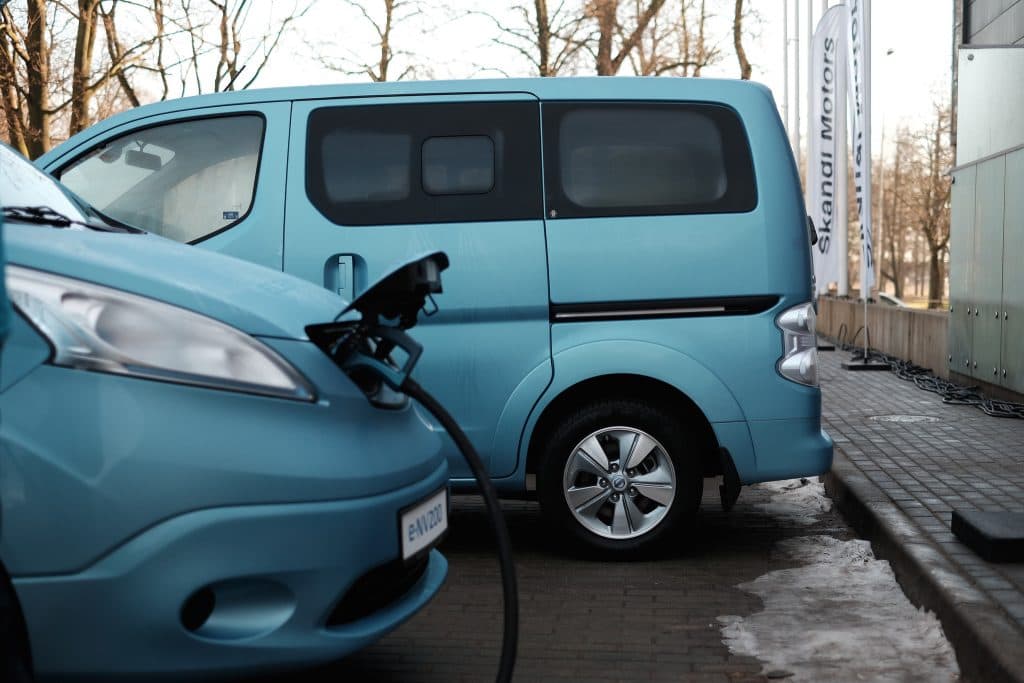
China has filed a complaint with the World Trade Organization (WTO) against Canada over new tariffs on imports of electric vehicles, steel and aluminum from China. China's Ministry of Commerce announced this today, describing the tariffs as trade protectionism that disrupts global supply chains. It also urged Canada to withdraw the measures.
Last week, Canada joined the US and the EU in imposing a 100 percent tariff on imports of Chinese electric vehicles and a 25 percent tariff on imports of steel and aluminum. The tariff on electric vehicles will take effect on 1 October, and the tariffs on steel and aluminum on 15 October. This week, Beijing announced in response that it plans to launch an anti-dumping investigation into imports of canola oil from Canada.
This is already the third time this year that China has turned to the WTO over tariffs on electric vehicles. It complained about tariffs introduced by the United States in March and by the EU in August, Bloomberg reported.
The WTO is an intergovernmental organization based in Geneva. It regulates and facilitates international trade, and governments and various organizations use it to enforce compliance with established rules. China negotiated its accession to the WTO for around 15 years, and its application was approved in 2001. Its accession brought a key global market into the organization. WTO member countries can file complaints about the trade practices of other members and seek redress through the dispute settlement process.
Translation disclaimer
This article is a machine translation of the Czech original and has not yet been fully reviewed. In case of any doubt, please refer to the Czech version.