
23 October 2026, 14:38
Loading...
Czech EV charging infrastructure has expanded by hundreds of stations this year

oEnergetice.cz, ČTK
12 July 2025, 10:04
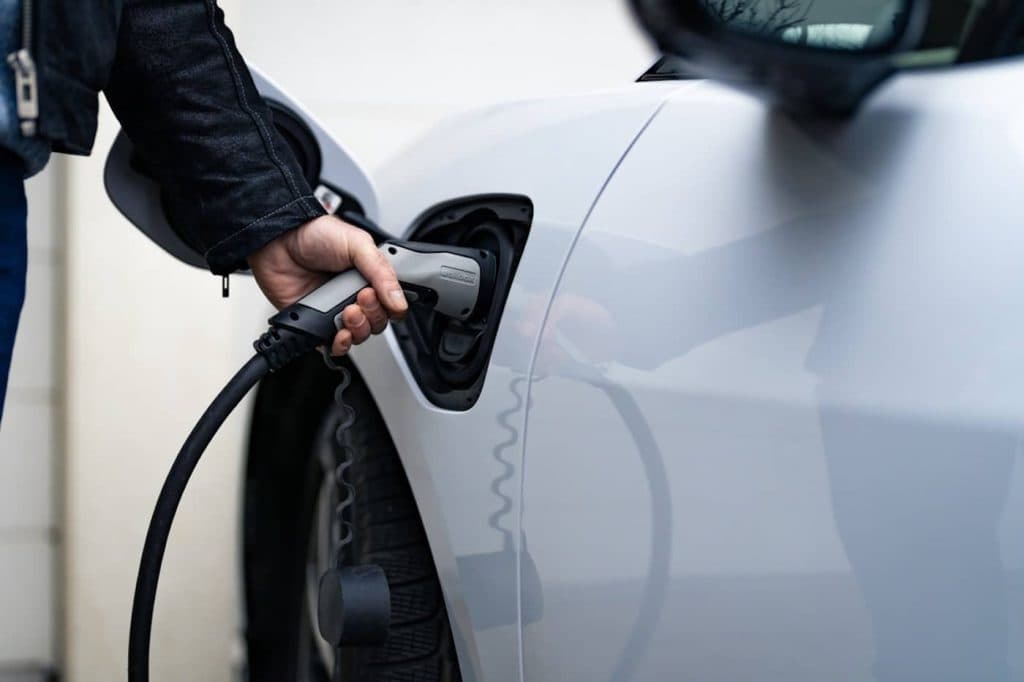
Electric vehicle charging infrastructure expanded by dozens of new stations in the first half of this year, bringing the total number now available to more than 3000. Usage is also growing: both utilization and the volume of electricity drawn increased by more than half year on year. This is based on the latest information provided to the Czech News Agency (ČTK) by operators.
Transport experts say the density of charging infrastructure in the Czech Republic is currently adequate given the number of registered electric cars, although by the number of stations the country is around the European average. Around 45.000 fully electric cars are currently registered in the Czech Republic. In addition, tens of thousands of hybrid vehicles are on the country’s roads.
The largest charging station network in the Czech Republic is currently operated by energy company ČEZ, which has opened 74 new stations so far this year. It now has 916 stations in its network. “We are mainly building ultra-fast charging stations with outputs of 150 kW and above, of which we now offer drivers 160. We are also increasing the output of chargers in busy locations and improving customer services, led by the futurego app. As a result, electricity drawn from our network has exceeded one megawatt-hour (MWh) for eight months in a row,” said Pavel Cyrani, vice-chairman of the ČEZ board of directors. He said the goal for the full year is to reach 1000 stations and increase output from the current 85 MW to a total of 100 MW.
Electricity consumption at ČEZ chargers in the first six months of this year rose 76 percent year on year to a record 6,2 GWh. Drivers charged more than 271.000 times, drawing an average of around 23 kWh per session.
The second-largest station network belongs to Pražská energetika (PRE), which has opened 67 new stations since the start of the year. It now operates 868 in total, with combined output of almost 33 MW, and can charge up to 1354 electric cars at any one time. The company recently announced an expanded partnership with fuel station operator OMV, with plans to install 113 new ultra-fast charging stations at 48 locations by 2030.
Total consumption at PRE stations in the first half of the year was 4,95 GWh, up around 50 percent year on year. The average amount of electricity drawn per charging session is also gradually increasing, reaching 19,5 kWh in the second quarter. According to the company, drivers once again made the greatest use of ultra-fast chargers.
E.ON is also reporting rising demand. In the first half of the year, drivers drew 3,08 GWh of electricity from its network, more than double the year-earlier figure. The number of charging sessions also almost doubled, with the company recording 131.500 in the first six months. The busiest stations are in Prague and along the D1 motorway.
“The number of electric cars on our roads is growing, but so is the number of our charging stations. A year ago, we had around 500 charging points in our network. We now have 630, with the share of ultra-fast chargers growing significantly,” said Helena Švejdová, managing director of E.ON Drive Infrastructure. In June alone, the company opened 15 new stations with a total of 30 charging points. Švejdová said further locations are under construction.
Translation disclaimer
This article is a machine translation of the Czech original and has not yet been fully reviewed. In case of any doubt, please refer to the Czech version.
Sdílejte článek prostřednictvím:
You might also like


23 October 2026, 11:01


23 October 2026, 06:34