10 November 2026, 16:31
Loading...
Germany and EU reach agreement on future of combustion engines

Zuzana Vrbová
28 March 2023, 16:11
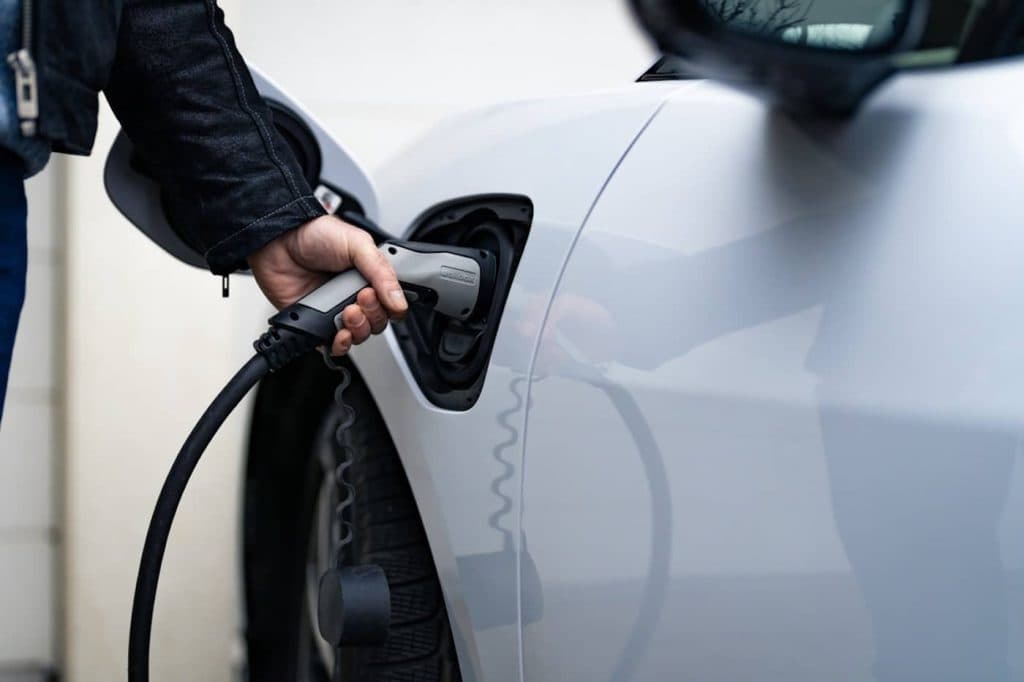
The German government has reached an agreement with the European Union on phasing out sales of new cars with combustion engines by 2035. The deal is part of the EU’s strategy to achieve net-zero emissions by 2050.
The agreement has ended a dispute over whether manufacturers will be able to produce cars running on so-called e-fuels after 2035. New cars will still be allowed to be registered after that date, provided the fuel they use is carbon-neutral, DW reported.
The compromise has drawn a wave of criticism, including from advocates of electric mobility. Critics of the e-fuels proposal argue that producing e-fuels is very costly and energy-intensive. Using these fuels in a car with a combustion engine requires around five times more renewable electricity than running a battery electric vehicle.
The German government initially proposed phasing out vehicles with combustion engines by 2030, but faced opposition from some members of the governing coalition as well as domestic and foreign carmakers. The compromise sets a 2035 deadline for all new passenger cars and light commercial vehicles to be zero-emission.
Translation disclaimer
This article is a machine translation of the Czech original and has not yet been fully reviewed. In case of any doubt, please refer to the Czech version.
The article continues for subscribers
Premium content
The rest of this article is available to premium subscribers only. Get access to all premium articles on oEnergetice.cz.
Best value: annual subscription
Monthly option 4 € / month
3.25 €/ month
You might also like

10 November 2026, 15:19
10 November 2026, 10:23

10 November 2026, 09:48

10 November 2026, 06:21