4 October 2026, 21:07
Loading...
Investment in electric vehicles in Europe is nearing €200 billion, study finds

oEnergetice.cz, ČTK
12 May 2026, 10:50
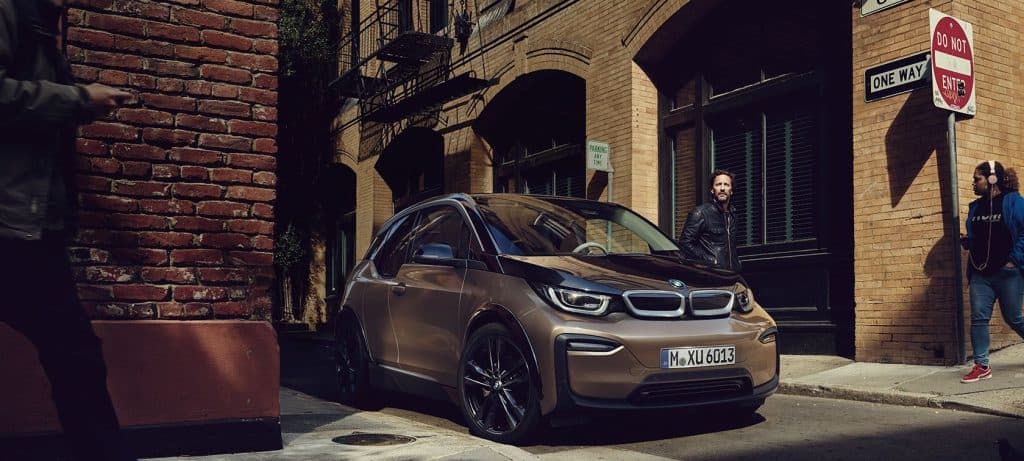
Countries in the European Economic Area (EEA) and Switzerland have pledged to invest nearly 200 billion euros (CZK 4.9 trillion) in developing the entire electric vehicle ecosystem, including batteries, vehicles and charging infrastructure. According to Reuters, this is according to a report by research group New Automotive. The investments reflect Europe’s efforts to reduce its dependence on China, which produced more than 80 percent of all batteries in 2025, not only for electric vehicles, according to the International Energy Agency (IEA).
The largest share of European investment, around 109 billion euros, is going into batteries and strengthening the supply chain. Another 60 billion euros is going into electric vehicle manufacturing. A further 23 to 46 billion euros is earmarked for building public charging networks.
According to New Automotive, Europe currently produces enough batteries for around a third of the electric vehicles sold in its domestic market. If the announced production capacity is fully utilised, it could eventually meet all of Europe’s demand for batteries.
Germany accounts for almost a quarter of investment in the region, the report says, making it the largest national hub in Europe’s electric vehicle sector. ING Research economist Rico Luman noted that car manufacturing in Europe has always been concentrated mainly in a few large countries.
According to E-Mobility Europe, current investment in electric mobility in Europe already supports more than 150,000 jobs. If all announced projects go ahead, up to 300,000 more jobs could be created.
Analysts and economists warn, however, that Europe will continue to need government support, market protection and more stable energy prices to compete with foreign manufacturers.
Researchers noted that investment in electric mobility is continuing despite less stringent regulations. Higher oil prices and a growing range of electric models are helping to drive it.
In December, the European Commission presented a plan to end the effective ban on sales of new cars with internal combustion engines from 2035. It was responding to pressure from European automakers. Analysts say this is the EU’s biggest retreat from its green policy to date in recent years.
The EEA enables the free movement of goods, services, people and capital among its member states. It comprises all EU countries plus Norway, Iceland and Liechtenstein. These three countries are not EU members, but have access to the single European market and follow a large part of the EU’s rules.
Translation disclaimer
This article is a machine translation of the Czech original and has not yet been fully reviewed. In case of any doubt, please refer to the Czech version.
Sdílejte článek prostřednictvím:
You might also like


3 October 2026, 13:01
3 October 2026, 07:43

2 October 2026, 21:55