
20 October 2026, 15:34
Loading...
T&E: E-mobility could contribute up to 11% to European GDP
Klára Čeperová
10 July 2025, 10:23
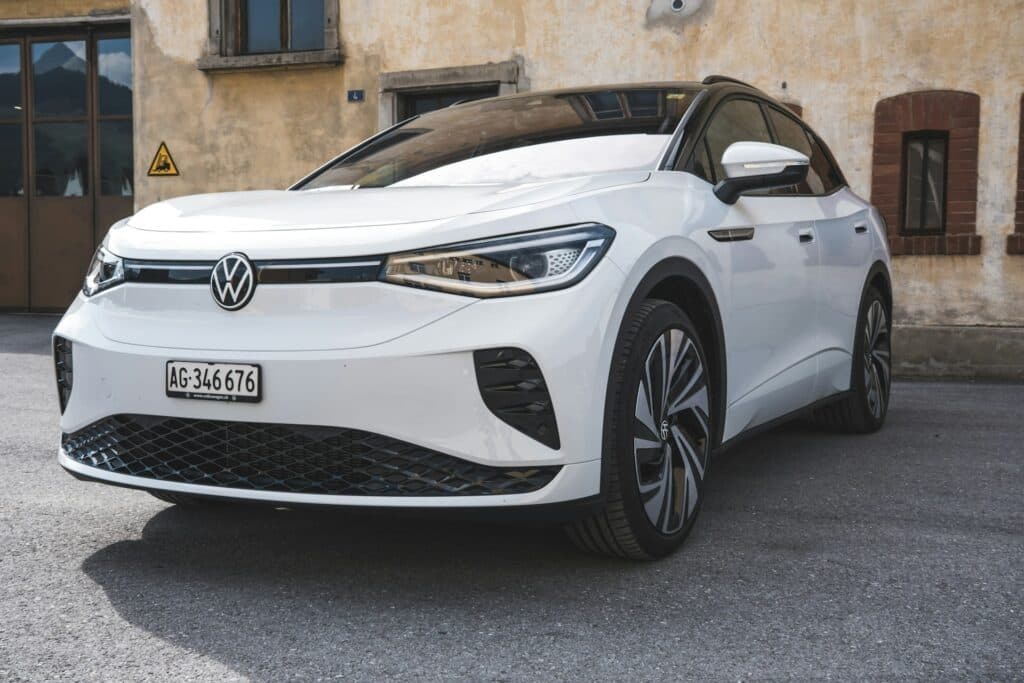
The European Federation for Transport and Environment (T&E) has published a study summarising how e-mobility can boost GDP. However, it is important for the European Union to maintain its 2035 target.
According to a study published by the European Federation for Transport and Environment, Europe’s car industry can return to producing 16.8 million cars a year. That would match its post-2008 crisis peak. However, it is important not to abandon the 2035 clean mobility targets and to introduce policies to support this transition.
If no industrial strategy were introduced and the 2035 target to end sales of CO2-emitting cars and vans were abandoned, the EU could lose 1 million jobs in the automotive industry and two-thirds of planned investment in batteries, according to the federation. Reuters has also reported on this.
Batteries
The EU could produce batteries with a capacity of up to 900 GWh a year by 2030. The economic output of the charging sector could grow almost fivefold to EUR 79 billion by 2035.
If the 2035 target is maintained and policies to support domestic electric vehicle production are introduced, the automotive value chain’s contribution to the European economy will increase by 11% by 2035.
The report also says that the relocation of jobs in vehicle manufacturing could be offset by the creation of more than 100,000 jobs in battery manufacturing by 2030 and 120,000 jobs in charging by 2035.
"This is a defining moment for Europe’s car industry, as the global race to lead in the production of electric vehicles, batteries and chargers is fierce," said Julia Poliscanova, director of vehicles and e-mobility supply chains at the European Federation for Transport and Environment.
Easing
Poliscanova is referring to the fact that European carmakers, already grappling with high costs in their home markets and falling behind Chinese and U.S. competitors, are now facing the impact of U.S. President Donald Trump’s 25% tariffs on car imports, which have prompted many manufacturers to withdraw their 2025 forecasts. Global electric car sales are still expected to rise this year.
After intensive lobbying, the European Parliament backed a relaxation of some of the EU’s CO2 targets for cars and vans in May, but regulations that will bar sales of fossil-fuel cars by 2035 remain in place.
Translation disclaimer
This article is a machine translation of the Czech original and has not yet been fully reviewed. In case of any doubt, please refer to the Czech version.
Sdílejte článek prostřednictvím:
You might also like


20 October 2026, 12:55
20 October 2026, 10:49

20 October 2026, 06:13