
23 October 2026, 14:38
Loading...
EU energy consumption has been declining over the long term

Zuzana Vrbová
6 February 2025, 11:35
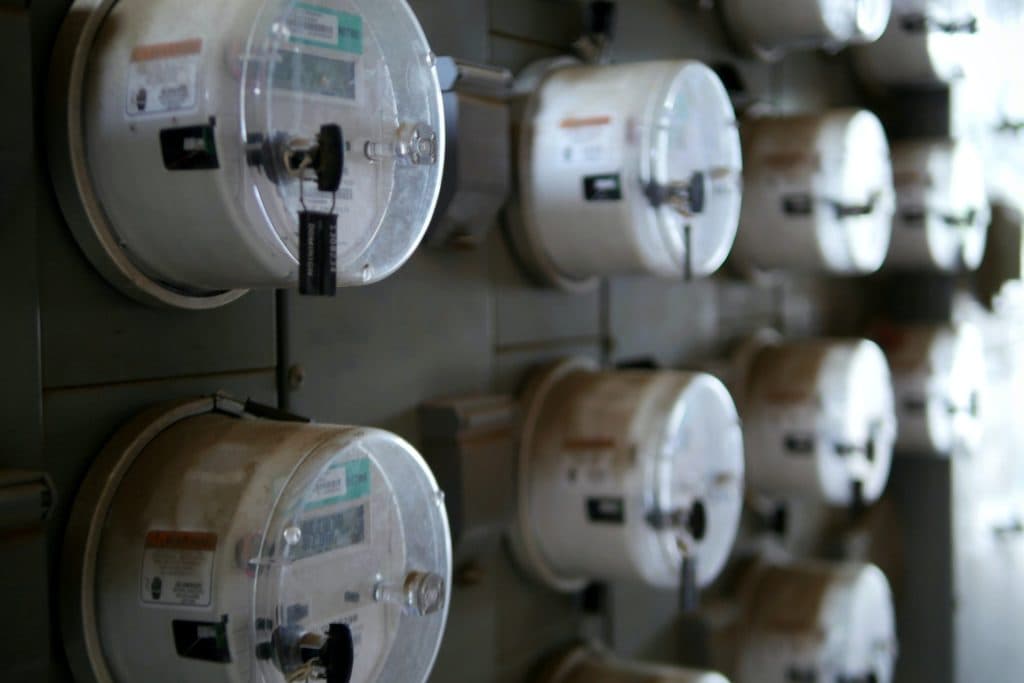
The European Union has published official data on energy consumption in 2023. The year saw a significant decline in both primary and final energy consumption, as well as an improvement in energy efficiency.
As the Union stated on the website of the European Environment Agency, further measures will be needed to maintain progress and achieve the 2030 targets. According to official data, primary energy consumption (PEC) in the EU fell by 3.9% in 2023, while final energy consumption (FEC) fell by 3.0% compared with the previous year, 2022.
The Agency said the decline is part of a longer-term trend of falling energy consumption, driven by a combination of factors, including the implementation of energy-saving measures and relatively mild winter temperatures. Energy prices remained fairly high throughout 2023, further encouraging households and industry to reduce consumption.
The EU Energy Efficiency Directive sets a binding target of 992.5 million tonnes of oil equivalent (Mtoe) for PEC and an indicative target of 763 Mtoe for FEC by 2030. In 2023, PEC stood at 1,210 Mtoe, while FEC reached 894 Mtoe. Further energy-efficiency measures will therefore be needed to achieve the 2030 targets. Over the past three years, the EU has made significant progress on energy savings, and maintaining this pace of reduction could put the region on track to meet its targets, the Agency said—but only if policies remain stable.
Lower consumption helps meet emissions targets
Lower energy consumption also contributes indirectly to other EU goals by reducing greenhouse gas emissions and local air pollution. It also helps reduce dependence on imported fuels. The ongoing shift from fossil fuels to renewable energy sources, particularly in electricity generation, has significantly reduced primary energy consumption, although it has had a less pronounced impact on final consumption.
Since 2005, the EU has made substantial progress in reducing PEC, with a decline of 19.2%. FEC has fallen by somewhat less, at 12.1%. Between 2005 and 2023, PEC declined in 25 EU countries, led by countries such as Greece, Italy and Germany. In Poland, for example, energy consumption increased due to greater use of gas and liquid fuels, despite a decline in coal consumption. Czechia is in line with the EU average in reducing both PEC and FEC.
Translation disclaimer
This article is a machine translation of the Czech original and has not yet been fully reviewed. In case of any doubt, please refer to the Czech version.
Sdílejte článek prostřednictvím:
You might also like


23 October 2026, 11:01


23 October 2026, 06:34