
28 October 2026, 15:10
Loading...
New EU legislation aims to support building renovations
Klára Čeperová
16 April 2024, 06:29
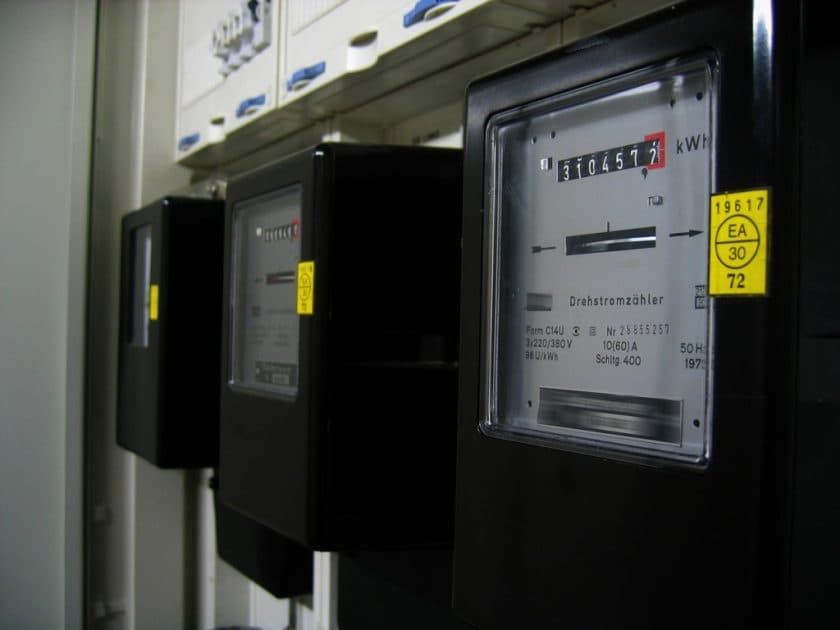
At the end of 2021, the European Commission proposed a revision of the bloc's Energy Performance of Buildings Directive (EPBD) with the aim of boosting the flagging renovation rate and tackling the problem of buildings accounting for a third of the EU's carbon dioxide emissions. The directive has now been adopted by member states, paving the way for national renovation plans.
Energy Performance of Buildings Directive serves as a means of preparing Europe's building stock for zero-emission operation by 2050. It mandates renovations of poorly performing public and private buildings. After lengthy and uncertain negotiations, member states approved it on Friday, reports Euractiv.
“Finally! At times I doubted whether we would ever get here,” said Adrian Hiel of the city lobbying group Energy Cities.
Reducing consumption
EU countries will be asked to submit their plans by 2026 for achieving a 20% to 22% reduction in energy consumption in residential buildings by 2035, with 55% of the savings expected to come from the 43% of buildings with the worst performance.
Rules for public buildings and offices are stricter. By 2030, 16% of the worst-performing buildings must be renovated, rising to 26% by 2033.
Italy and Hungary voted against, while Croatia, Czechia, Sweden, Slovenia and Poland abstained.
From 2030, new buildings should be climate-friendly by design—energy-efficient and connected to a clean heat source.
National plans
The national plans now to be drawn up may also include a pathway to phasing out fossil fuels for heating by 2040 and mandatory rooftop solar panels from 2025, if economically feasible.
Eva Brardinelli, who is responsible for buildings at the climate policy NGO CAN Europe, highlighted member states' efforts to “erode” the new reform.
“It is now in the hands of governments and national actors to go beyond the low benchmark set by the legislation and work towards building a better life,” Brardinelli said.
Construction sector
For the construction sector, from insulation manufacturers to suppliers of smart temperature controllers, the law brings welcome changes.
The energy efficiency association Deneff described the directive's adoption as “an urgently awaited step in the right direction, both for climate protection and for the renovation sector, which is under pressure.”
Translation disclaimer
This article is a machine translation of the Czech original and has not yet been fully reviewed. In case of any doubt, please refer to the Czech version.
Sdílejte článek prostřednictvím:
You might also like

28 October 2026, 13:08

28 October 2026, 11:10

28 October 2026, 09:08
