
23 October 2026, 14:38
Loading...
BNEF: Hydrogen and hydrogen-fired power generation costs to fall significantly, potentially to levels comparable with natural gas

Martin Voříšek
22 August 2019, 13:58
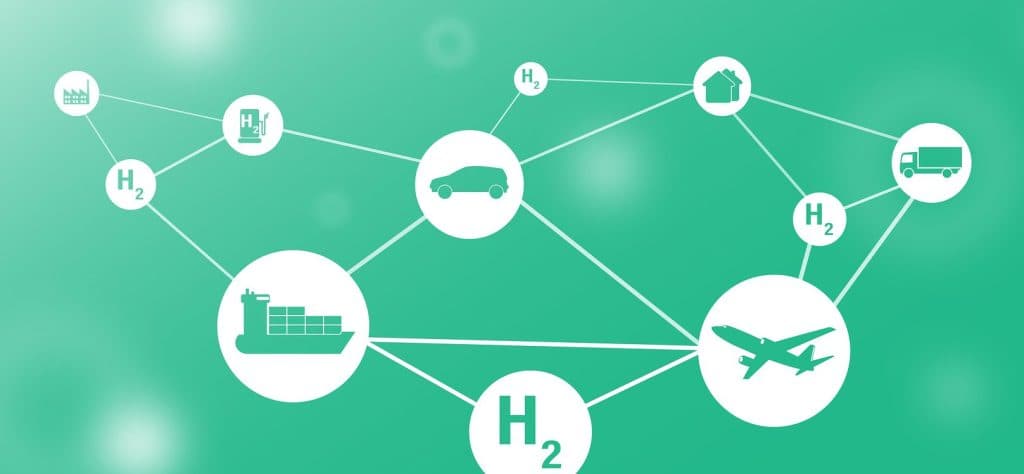
The cost of hydrogen production is expected to fall by up to 80% by 2030, to around USD 1.5/kg. By 2050, prices could then drop to as little as 80 cents per kg, according to a recent study by Bloomberg New Energy Finance (BNEF).
Hydrogen has so far failed to gain much traction as a potential fuel for use in the energy sector. Until now, it has been held back by insufficiently developed technology and, above all, higher production costs, but BNEF believes this could change very quickly. BNEF forecasts that by 2050, the cost of producing hydrogen will match the price of natural gas.
Hydrogen is most commonly produced from renewable sources through the electrolysis of water, in which electricity releases hydrogen from water. According to BNEF, falling costs for electricity that can subsequently be generated from hydrogen can be estimated at USD 24 per MWh by 2030 and USD 15 per MWh by 2050.
Hydrogen has one major advantage: its combustion produces no carbon dioxide emissions, which humanity is currently trying to prevent by every possible means. This is why hydrogen is considered a fuel with a promising future in view of efforts to reduce greenhouse gas emissions.
“Once the technology is sufficiently widely deployed, hydrogen can be produced using electricity from wind and solar power plants at a cost comparable with natural gas across most of Europe and Asia,” said Kobad Bhavnagri, director of special projects.
The study identifies the connection of large-scale electrolysers with power plants combining solar and wind resources as the most advantageous combination. Together, they provide more stable output than when these sources are used separately.
However, according to the study, the main challenge remains insufficiently developed legislation and, consequently, minimal support from governments. The study’s authors describe support as crucial, as without it the technology will not see broader development.
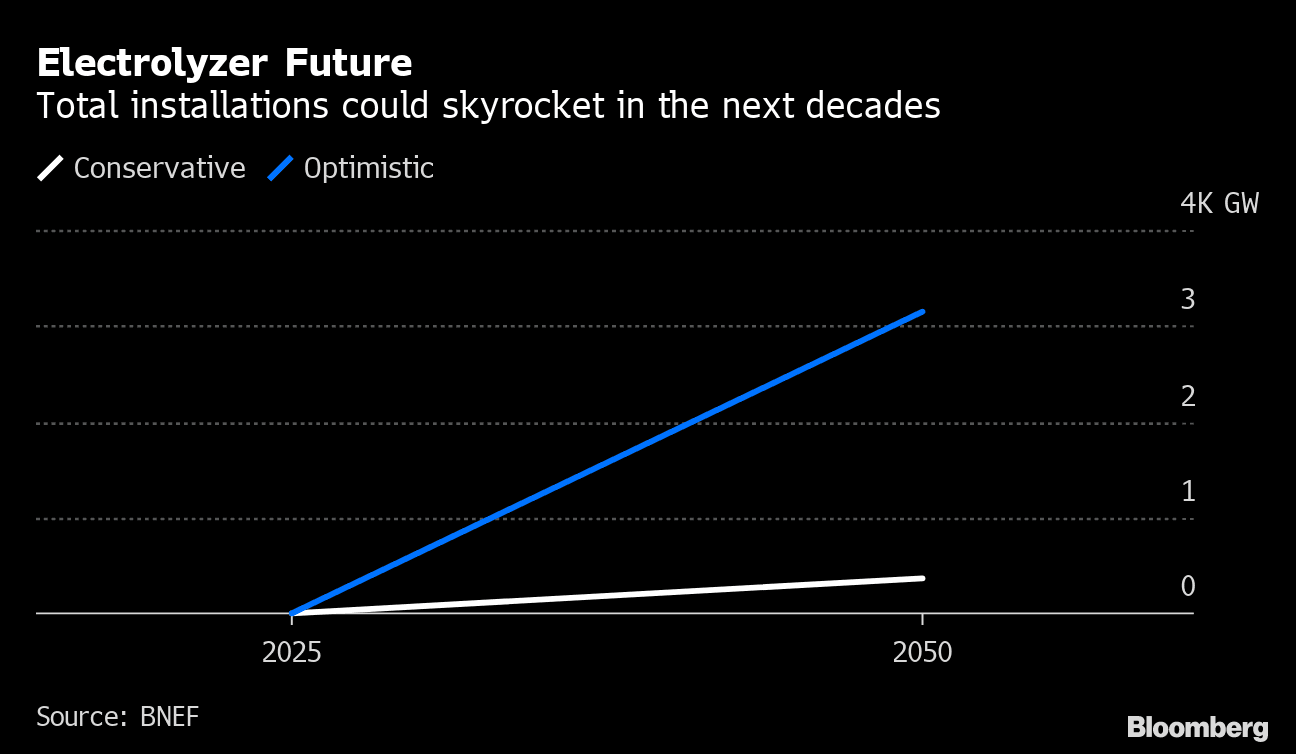
Technologies that use electrical energy to produce hydrogen (or methane) already exist and are in use today. One such technology is Power2Gas, which uses surplus electricity, for example from renewable sources, for electrolysis. Hydrogen can then be stored or injected in limited quantities into the natural gas transmission and distribution system.
Translation disclaimer
This article is a machine translation of the Czech original and has not yet been fully reviewed. In case of any doubt, please refer to the Czech version.
Sdílejte článek prostřednictvím:
You might also like

23 October 2026, 11:01

23 October 2026, 06:34