2 October 2026, 15:14
Loading...
Cheaper batteries? Western startups are using idle Asian factories
Vojtěch Kříž
4 July 2026, 07:47
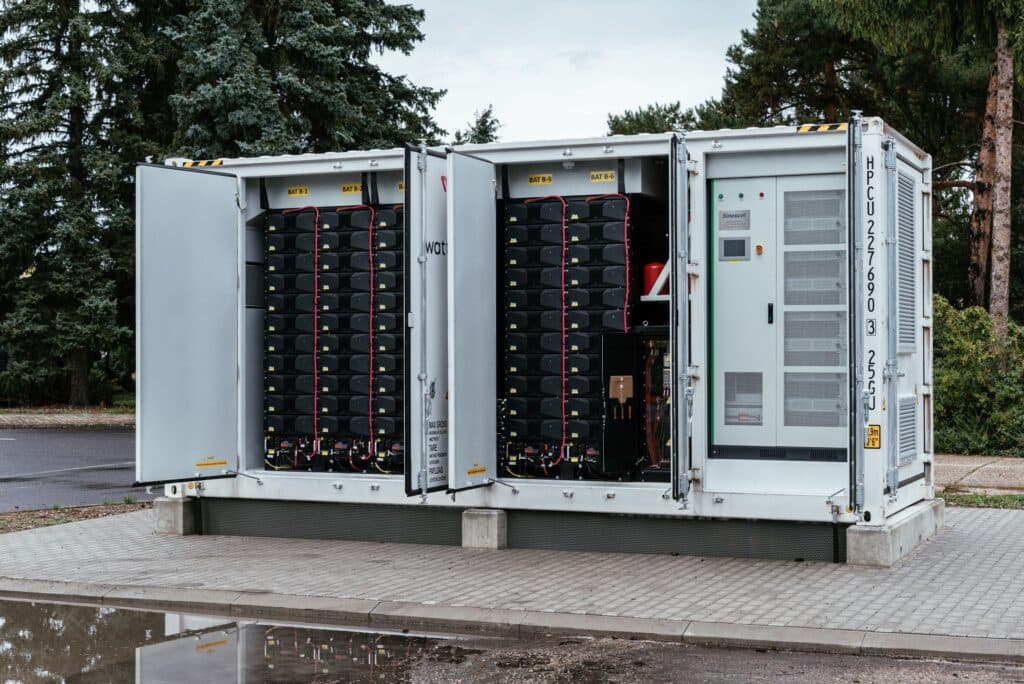
Startups and other Western companies are increasingly making use of existing capacity at factories producing batteries and their components in Asia. This allows them to improve their operating economics and grow quickly. Some, however, point to the risks of losing know-how and to security concerns, particularly in connection with China.
Swedish startup Altris, which produces materials for sodium-ion batteries, is reportedly in talks with a Chinese battery manufacturer to lease an unused lithium-ion battery factory and convert its production capacity to sodium-ion batteries.
US company Ion Storage Systems told the Financial Times it is doing something similar. It is actively looking for manufacturing capacity in East Asia and has already held talks with dozens of suppliers.
This marks a shift following the failure of Swedish company Northvolt. It tried to build the entire process in its own factories, but despite substantial investment, the company failed to achieve stable operating economics. Other Western companies have also encountered problems, including Norway’s Morrow and Canadian battery recycling company Li-Cycle. So far, only major automakers have managed to get large Western battery factories up and running.
The sector’s prospects are also being hampered by the political climate in the United States, where the new administration is not particularly supportive of these “green technologies”. In many cases, American startups therefore cannot access grants or tax benefits.
A double-edged sword
Although making use of Asian capacity is an elegant way for European companies to improve their operating economics and use production capacity that would otherwise remain idle, this trend is likely to further strengthen China’s position in battery technology supply chains. The Financial Times also notes that China offers both the necessary know-how and high-quality manufacturing infrastructure. Both remain difficult to find in Europe.
Some companies, such as US startup Unigrid, are trying to mitigate these risks by sourcing individual components from different factories. In its case, these include six factories in China, South Korea and Japan. This approach allows the company to grow faster. Some analysts argue that friendshoring could be the solution, meaning relocating production to politically aligned countries such as South Korea, which has extensive know-how in this type of industry.
Chinese companies are also expanding their products into Western markets, particularly in the electric vehicle battery segment. Paradoxically, they are being driven to do so by a massive surplus of production capacity that cannot be fully used in the domestic market.
Translation disclaimer
This article is a machine translation of the Czech original and has not yet been fully reviewed. In case of any doubt, please refer to the Czech version.
Sdílejte článek prostřednictvím:
You might also like
2 October 2026, 10:06
2 October 2026, 06:14

1 October 2026, 18:46