
23 October 2026, 14:38
Loading...
Czech New Green Savings: photovoltaics are no longer just about generating electricity
oEnergetice.cz
10 August 2026, 15:31
New Green Savings: photovoltaics are no longer just about generating electricity
Photovoltaic power plants on family homes have long ceased to be merely about installing a few panels on the roof. The current development of household energy is moving towards enabling households not only to generate electricity, but also to store it efficiently and manage its consumption. This trend is reflected in the New Green Savings programme, which in recent years has increasingly supported comprehensive energy solutions rather than individual technologies.
The New Green Savings programme has been one of the most significant subsidy schemes focused on energy savings in the Czech Republic for more than a decade. In addition to reducing the energy intensity of buildings, it supports the use of renewable energy sources, the replacement of environmentally unfriendly heating sources and rainwater management. From 2026, it has also introduced an interest-free loan for comprehensive as well as partial renovations of family homes, complementing the existing subsidy system.
Source: Huawei
From the perspective of photovoltaics, the approach to designing household power plants is also changing. The goal is no longer merely to maximise electricity generation, but above all to increase the share of energy that the household actually uses for its own needs.
Energy storage as an integral part of photovoltaics
One of the most visible shifts is the growing importance of battery storage. The current conditions of the New Green Savings programme require supported photovoltaic systems for family homes to include a battery whose minimum usable capacity must correspond to at least the supported capacity of the photovoltaic panels.
Source: Huawei
The reason is relatively simple. Electricity generation is generally highest during the day, while household consumption peaks in the morning or evening. Battery storage therefore makes it possible to retain energy generated during sunny hours for later use, increasing self-consumption of electricity and reducing grid offtake.
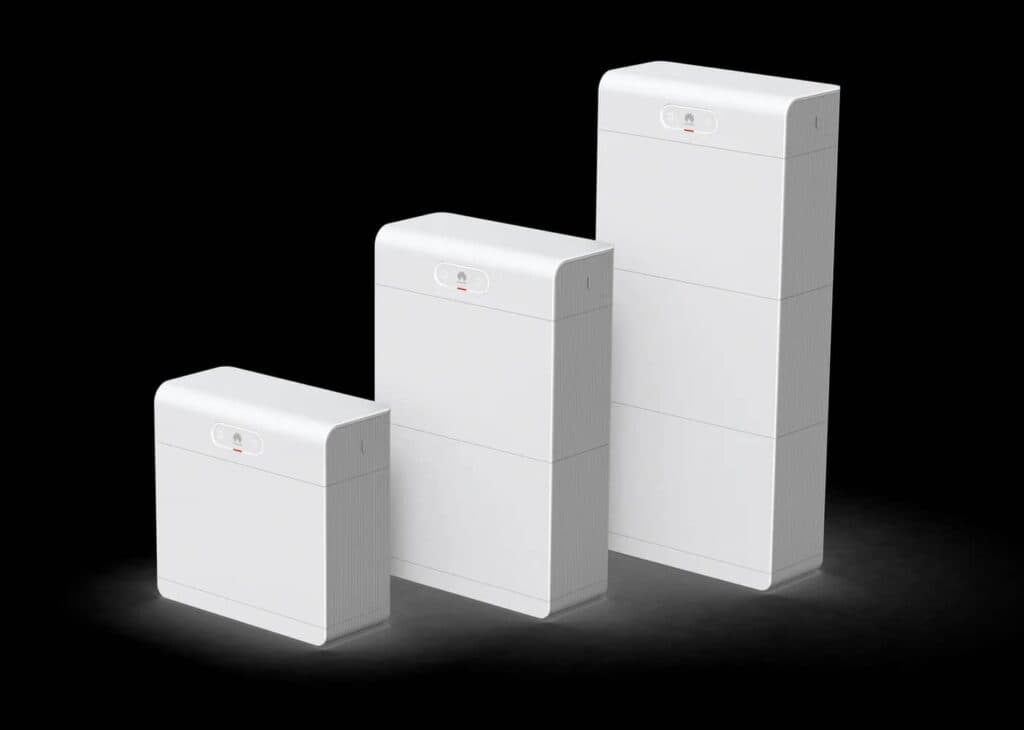
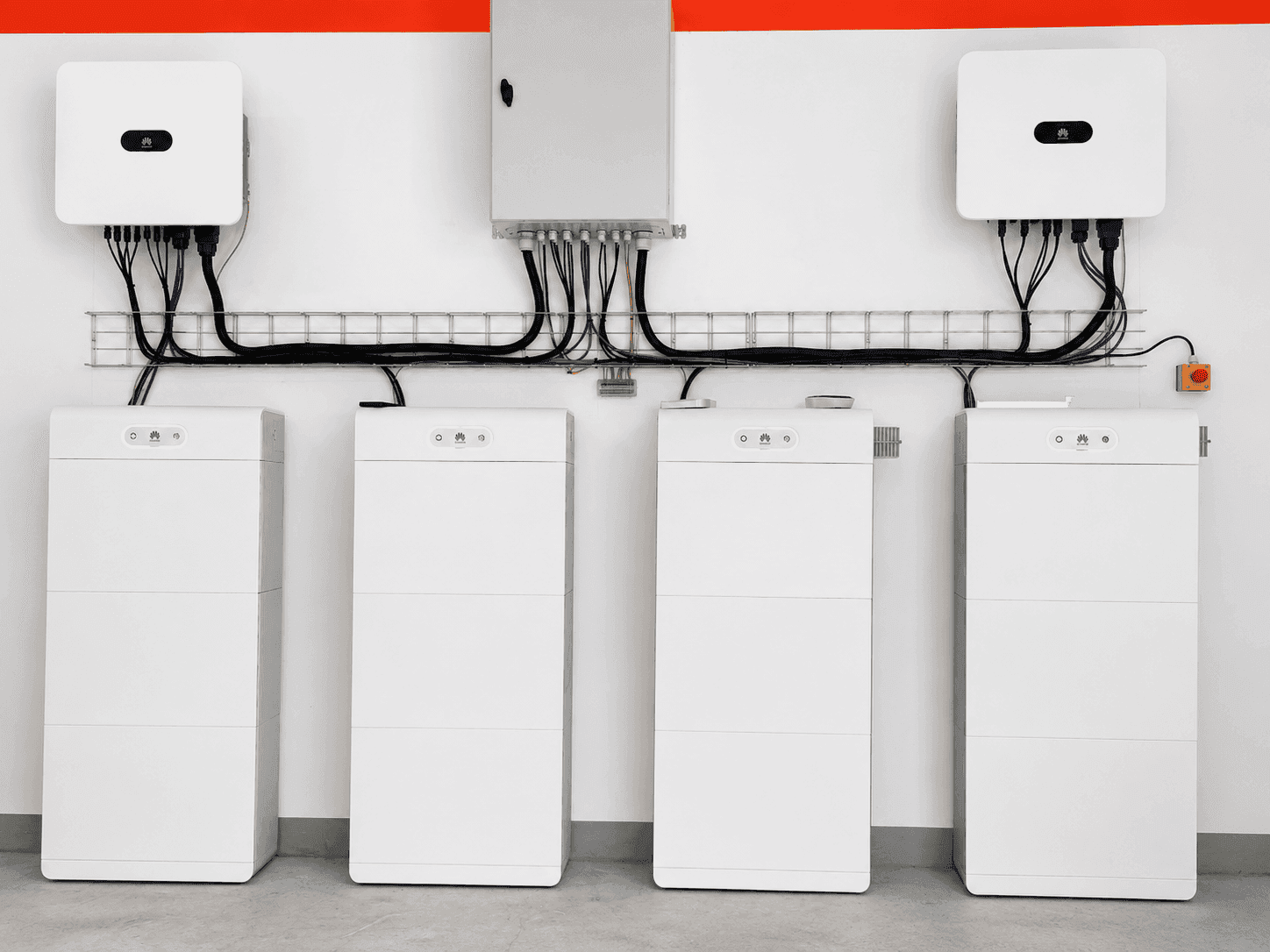
Technology manufacturers are also responding to this trend. One example is Huawei's LUNA2000 S1 battery system, designed for residential photovoltaic installations. The system is based on modules with capacities of 5 kWh and 6.9 kWh, which can be combined according to household needs. The modular design also makes it possible to expand battery storage capacity in the future without replacing the entire system. Total usable capacity can reach up to 20.7 kWh.
This approach makes it possible to design a solution that corresponds not only to a household's current consumption, but also to its future plans, such as purchasing an electric vehicle or installing a heat pump.
Smart consumption management is gaining importance
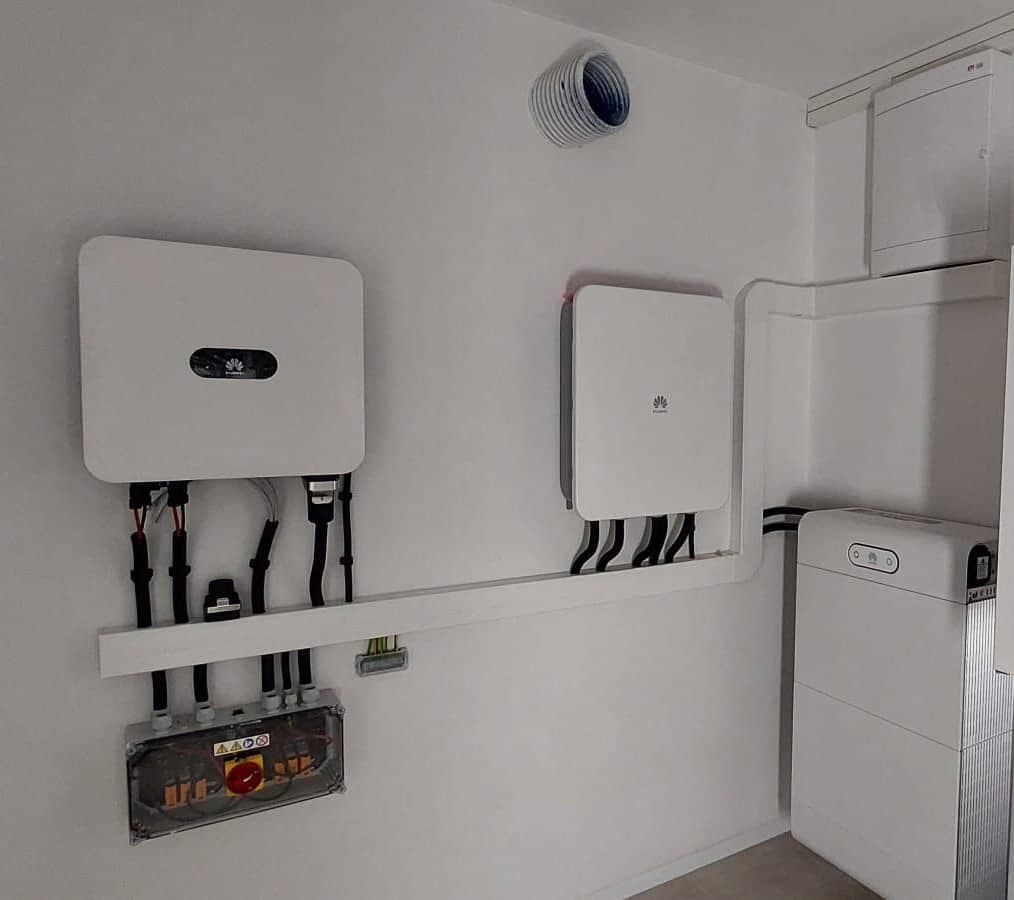
Alongside energy generation and storage themselves, increasing attention is also being paid to intelligent consumption management. Household energy systems can now monitor photovoltaic generation, battery state of charge and the current consumption of individual appliances.
Huawei's solution includes, for example, the SmartAssistant system, which makes it possible to control the operation of battery storage and selected appliances according to pre-set rules. During periods of high electricity generation, the system can prioritise battery charging, water heating or electric vehicle charging. Conversely, when electricity prices are higher or generation is lower, the household can draw on energy stored in the battery.

Source: Huawei
Such solutions can contribute not only to greater household energy self-sufficiency, but also to more efficient use of the distribution system, whose load will continue to increase with the growing number of photovoltaic power plants.
Safety and reliability remain key
With the growing deployment of household battery storage, questions of safety and long-term operational reliability are also becoming increasingly important.
Huawei uses lithium iron phosphate (LiFePO₄) cells in the LUNA2000 S1 system, which are considered one of the safest battery technologies. The system also includes continuous monitoring of individual cells, natural fan-free cooling, IP66 protection enabling outdoor installation and noise levels below 29 dB. In addition, the battery system supports the parallel connection of up to four units, allowing further capacity increases according to a household's future needs.
Photovoltaics as part of modern energy systems
The development of the New Green Savings programme shows that household photovoltaics are no longer seen as a standalone technology, but as part of a broader transformation of building energy systems. Alongside electricity generation, increasing emphasis is being placed on storage, intelligent consumption management and integration with other technologies, such as heat pumps, water-heating systems and electric vehicle charging stations.
The ability to interconnect individual technologies will determine how effectively households can use their self-generated energy and reduce their dependence on electricity supplies from the grid in the future. Modern battery storage and smart management systems therefore represent a natural step in the development of household energy, in line with the direction of the New Green Savings programme and the overall transformation of the Czech energy sector.
Translation disclaimer
This article is a machine translation of the Czech original and has not yet been fully reviewed. In case of any doubt, please refer to the Czech version.
Sdílejte článek prostřednictvím:
You might also like
23 October 2026, 11:01
23 October 2026, 06:34