4 October 2026, 21:07
Loading...
End of cheap panels: Solar technology in Czechia is getting much more expensive

oEnergetice.cz, ČTK
16 April 2026, 10:20
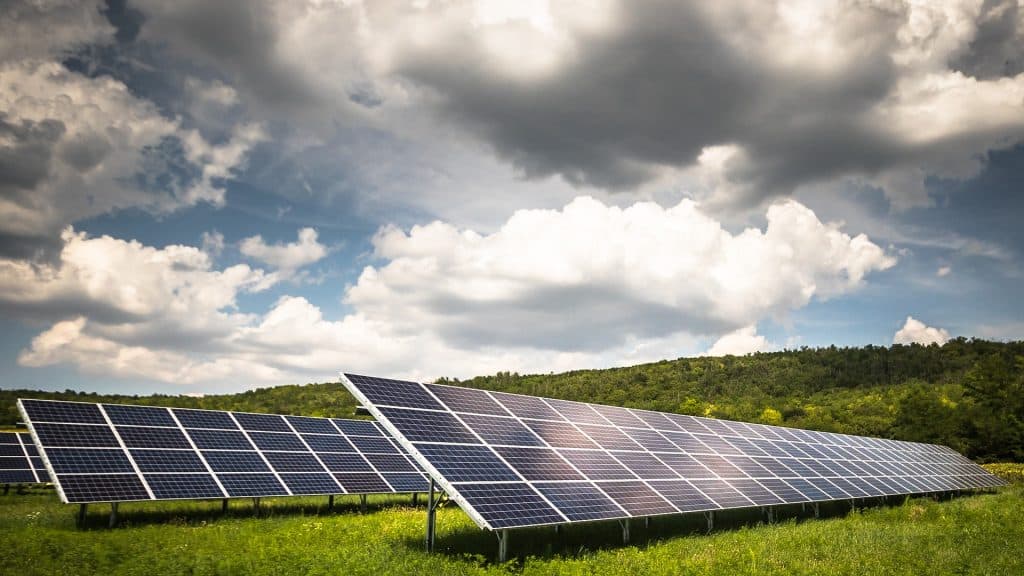
Solar panels have started getting more expensive, with prices rising by as much as half since the beginning of this year. Last year, by contrast, panel prices in the Czech Republic fell to record lows. The reversal in the price trend has been driven mainly by higher prices for key raw materials, as well as stronger demand and rising logistics costs. This is according to information from solar company Greenbuddies. Industry companies no longer expect panel prices to fall.
According to experts, the solar panel market has entered a new phase this year. "In recent years, we have witnessed an unprecedented drop in solar panel prices. This significantly accelerated the development of photovoltaics and the transition to renewable energy sources. Now, however, prices are gradually moving back closer to actual production and logistics costs, which is also reflected in the prices paid by investors and end customers," said Greenbuddies sales director Dan Štajner.
Solar companies say several factors are behind the change in trend. One is adjustments to production capacity and rising prices for input materials. These have been affected, for example, by changes in China, Raylyst Solar noted. Since the beginning of this year, China has tightened energy and environmental standards for silicon processing. Silicon is a key component of solar equipment.
Rapidly growing demand for solar energy in key markets, especially in Europe, is also playing a significant role. Geopolitical factors and tensions in global supply chains are also affecting the situation. "Higher prices are not just a short-term fluctuation. The market is gradually consolidating and manufacturers are reassessing their production strategies. This process is naturally reflected in the prices of technologies now paid by investors and end customers," Štajner explained.
Raylyst Solar manager Michal Petřek said earlier that this year's price increases would not be a short-term fluctuation but a long-term trend that would shape the market for at least the next several years.
Market changes are also altering investor behaviour. In this context, the Solar Association has warned that households and investors should adapt quickly to the new conditions, as there is no longer any point in waiting for a return to significantly lower prices. Instead, they should plan projects based on a more stable, realistic price level, the association said. "Around 2030, we expect electricity supplies to be tighter as coal-fired power plants close and electrification and data centre construction continue, and prices may rise again," the association's executive director Jan Krčmář said at the beginning of the year.
Despite this, demand for solar energy continues to grow, according to Greenbuddies. "Europe's energy transition is well under way, and photovoltaics play a crucial role in it. Although panel prices are rising now, investment in solar energy has long-term potential and remains an important part of the sustainable development of the energy sector," Štajner added.
According to data from the Solar Association, 27.298 photovoltaic power plants were newly connected last year, 17.295 fewer than a year earlier. The total capacity of new sources fell by almost a third to 696 megawatts (MW). By contrast, energy storage installations are gradually becoming more common. Batteries with a capacity of 546 MWh were connected, an eight per cent increase year on year.
Translation disclaimer
This article is a machine translation of the Czech original and has not yet been fully reviewed. In case of any doubt, please refer to the Czech version.
Sdílejte článek prostřednictvím:
You might also like

3 October 2026, 13:01
3 October 2026, 07:43

2 October 2026, 21:55