Top 10 Czech energy stories from the past week
This week, we once again bring you a carefully selected list of the ten most significant articles published on oEnergetice.cz. If you missed any of them, here is a selection of the articles that attracted the most interest from our readers. Best of luck in the new week!
1. ERÚ issues licence for largest Czech battery. Licensed capacity passes first milestone
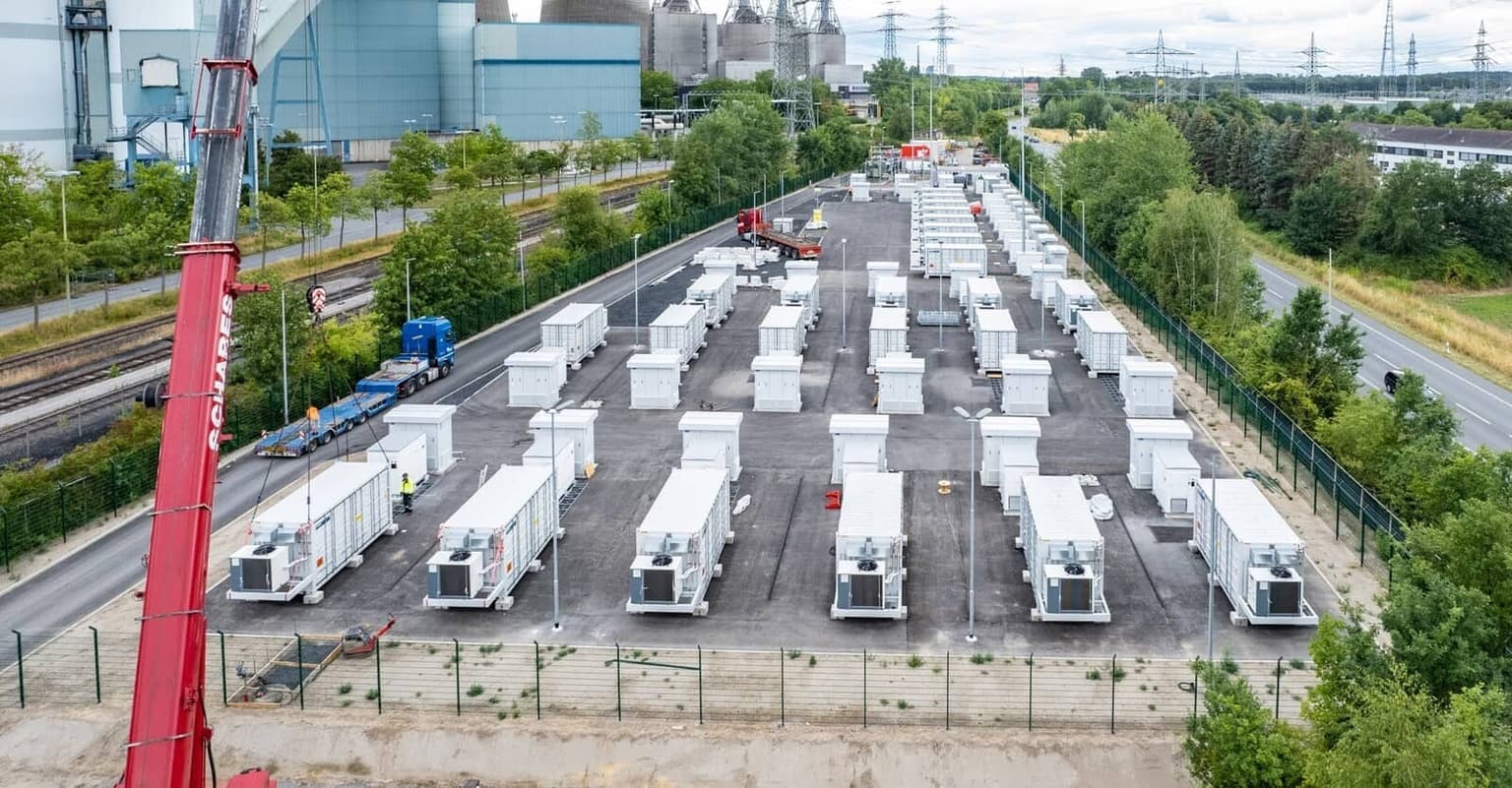
Battery storage facilities with a combined capacity of more than 121 MW now hold electricity storage licences, more than three times the capacity recorded at the beginning of June. The largest individual licensed project is the BESS Vraňany storage facility, with a capacity of 20.448 MW. Although larger facilities have also been commissioned, they are still awaiting licences.
At the turn of May and June, the Energy Regulatory Office (ERÚ) recorded nine active electricity storage licences with a total capacity of 39.705 MW. Over the following three months, the number of facilities on the register rose to thirty and licensed capacity increased by more than 80 MW.
Read the full article HERE.
2. Mediterranean gas heads to Europe: Egypt and Cyprus launch strategic project
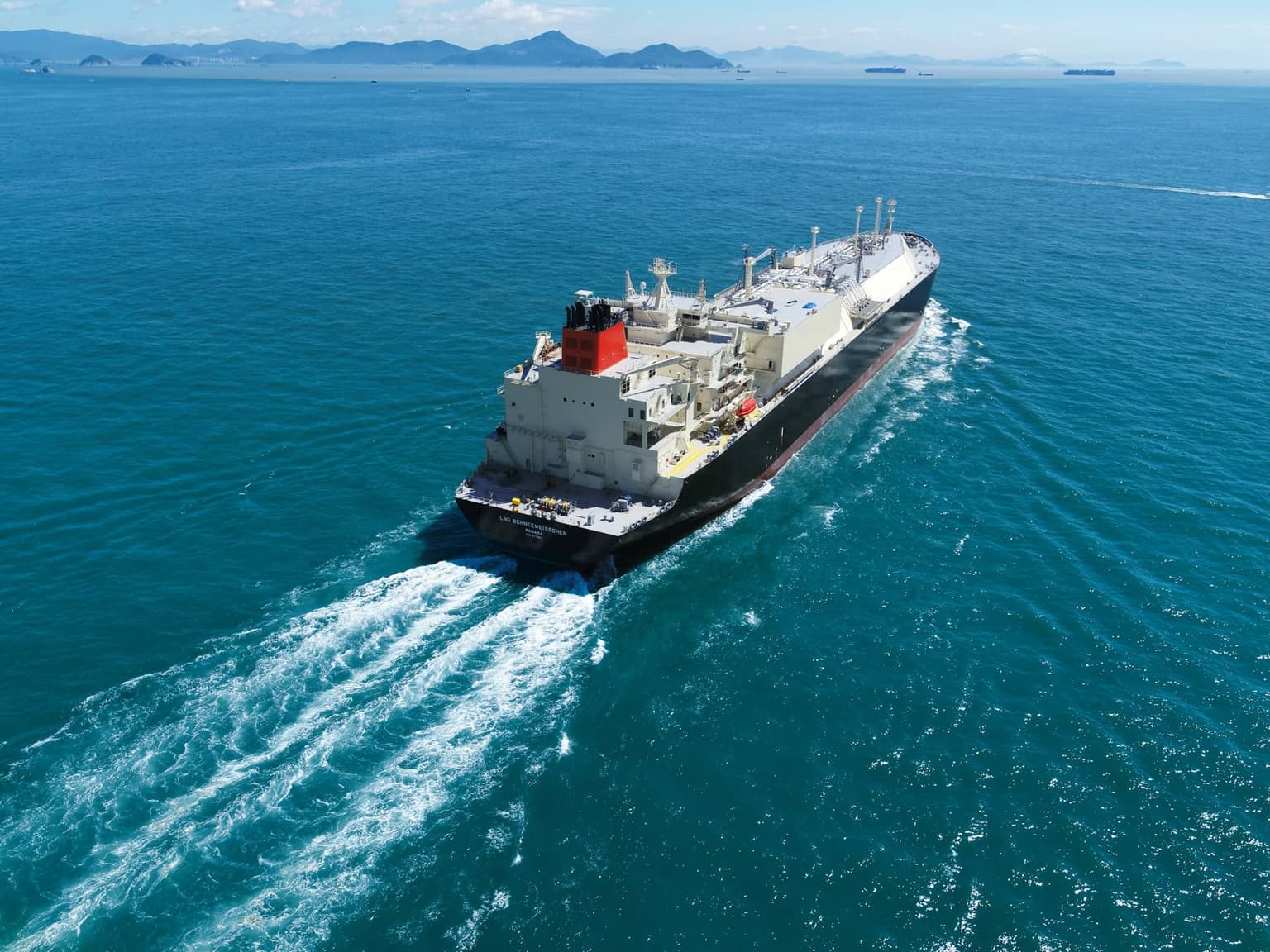
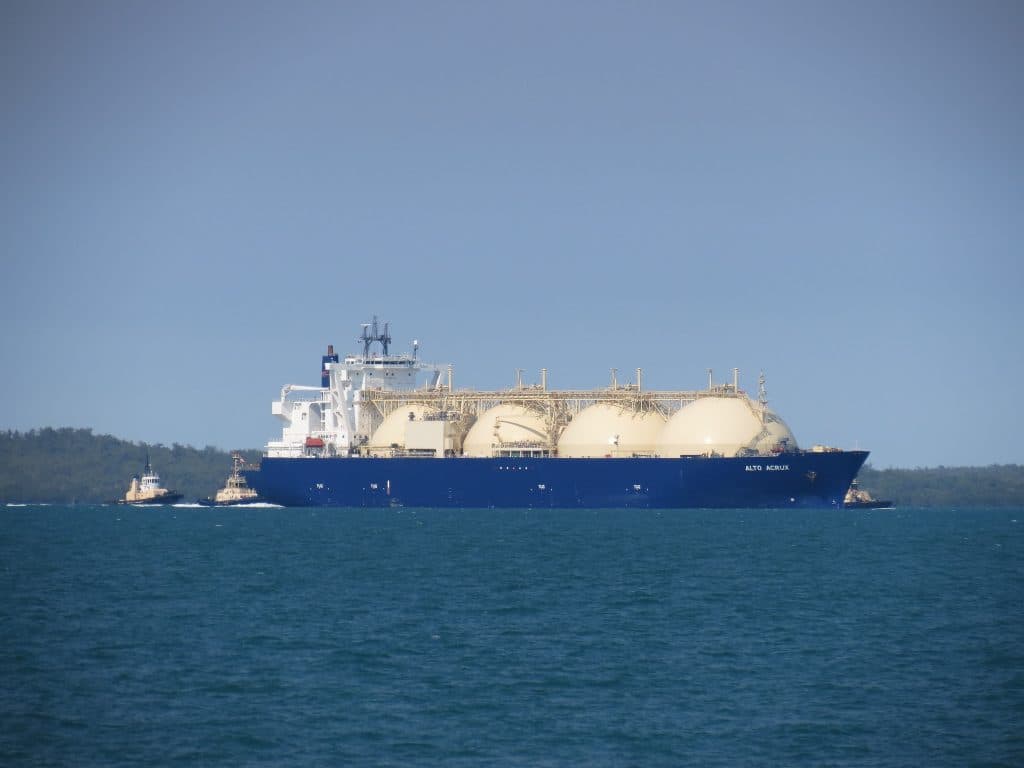
Over several years, Egypt has transformed from a natural gas exporter into a major importer. Domestic production is declining while consumption is rising, and Cairo is therefore buying increasing volumes of LNG, primarily from the United States. Gas from Cyprus is intended to provide a solution. From 2028, the new Cronos project is to send Cypriot gas to Egypt, where it will be processed and liquefied. From there, it could head primarily to the European market, OilPrice.com reports.
Just a few years ago, Egypt was exporting LNG to Europe. Today, it faces the opposite problem. Domestic gas production has been declining for a long time while consumption is growing. The country has therefore resumed LNG imports and is seeking to secure new gas sources from abroad.
Read the full article HERE.
3. Less nuclear, more coal and gas: Czech spot electricity prices surge in August
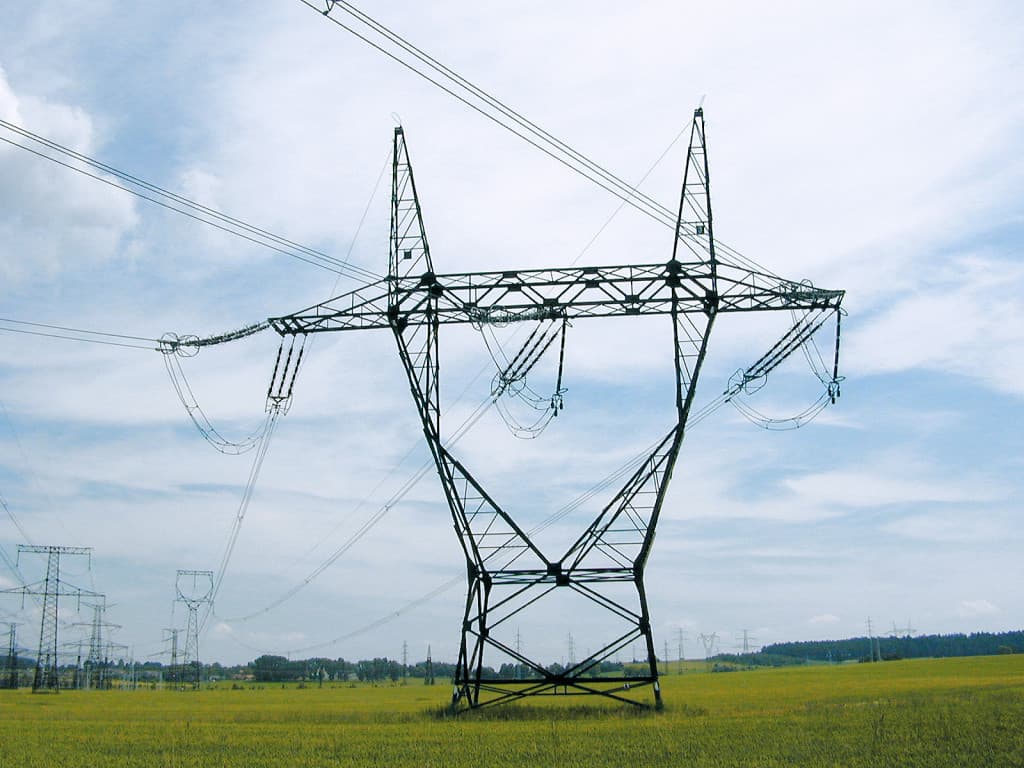
The average electricity price on the Czech day-ahead market rose to 138.21 EUR/MWh in August, its highest level this year. It was up by more than a quarter on July and nearly 80% year on year, despite total domestic electricity consumption falling slightly year on year.
The main change in the August power mix was not further growth in photovoltaics, but a sharp drop in nuclear power generation. Their lower availability was mainly replaced by lignite-fired and gas-fired plants, which were able to respond to exceptionally high spot prices.
Read the full article HERE.
4. Czech wind power treads water. It lags far behind in two key areas
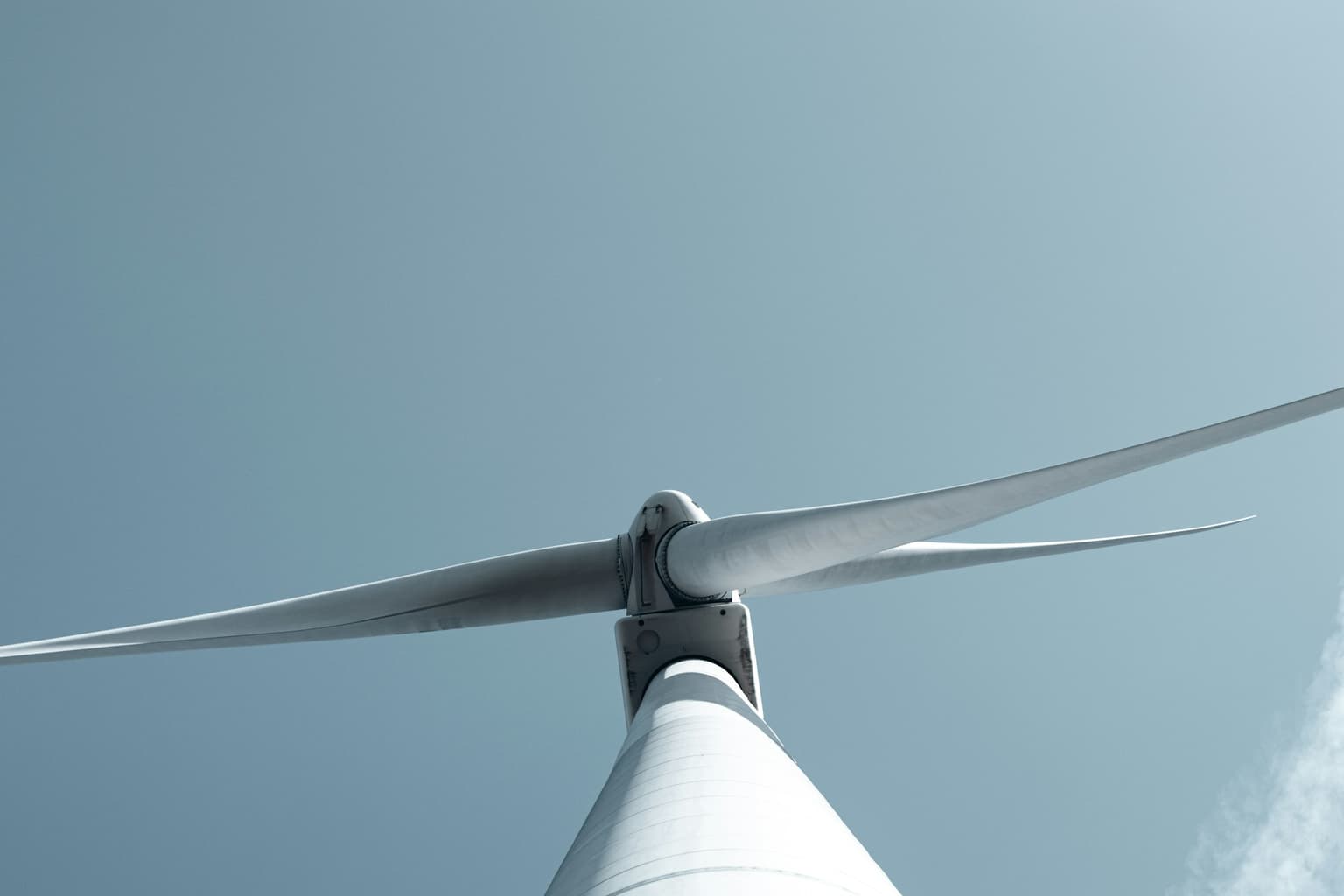
Europe commissioned 8.8 GW of new wind capacity in the first half of this year. Germany added the most new capacity, followed by the United Kingdom and Spain. Czechia, however, is at the opposite end of the ranking. It is among the weakest performers in two metrics. Lengthy permitting processes and disinformation targeting wind farms are to blame.
European wind power continued to grow in the first half of 2026. According to WindEurope, 8.8 GW of new capacity was added, including 6.5 GW onshore and 2.3 GW offshore. In the EU-27 alone, 7.1 GW was commissioned, while Europe’s total installed wind capacity exceeded 311 GW.
Read the full article HERE.
5. Wholesale energy prices in Czechia at two-year highs, with price rises yet to come

Wholesale energy prices are entering September 2026 substantially higher than a year ago. The Czech annual electricity contract rose by around a third between 1 September 2025 and 31 August 2026. The increase in natural gas is even sharper: the Czech annual contract is 56% more expensive and the Dutch TTF contract for the following year is around 60% more expensive.
This is not merely an increase compared to 2025. Historical data show that current prices for electricity, gas and emissions allowances also exceed 2024 levels.
Read the full article HERE.
6. Germany risks missing annual climate target for the first time. Emissions are falling too slowly

German greenhouse gas emissions fell by only around 2% year on year in the first half of this year, according to think tank Agora Energiewende. If the decline continues at the same pace, Germany will miss its overall annual emissions target for the first time.
Germany emitted around 327 million tonnes of CO₂ equivalent in the first six months of this year, representing a year-on-year decline of about 7 million tonnes, or 2%. The pace of emissions reductions is therefore significantly slower than would be needed to meet the country’s climate targets. The calculations were published by think tank Agora Energiewende based on preliminary data.
Read the full article HERE.
7. Criticism of the Energiewende fuels AfD. East German elections could shake up Germany’s energy sector

State elections are being held in two eastern German states in September, and the far-right Alternative for Germany (AfD) leads polls in both. Energy is one of the campaign’s highly visible issues. The debate covers high electricity prices, fears of industrial decline, the future of coal, Russian gas and the overall rationale of the Energiewende. Even if the AfD remains out of government, commentators say a strong result could give it considerable influence over the future direction of the debate on German energy policy.
Energy policy has once again become a major election issue in Europe and around the world in recent years, and Germany is no exception. Electricity prices in the country remain high even years after the shift away from Russian gas and the closure of its last nuclear power plants. The country is also pursuing a long-term energy transition, the costs of which are weighing heavily on energy-intensive industry. In precisely those areas where the most energy is consumed, concern is growing that manufacturing, and with it jobs, will move elsewhere. Perhaps the most visible example of this trend is the situation surrounding carmaker Volkswagen.
Read the full article HERE.
8. US battery boom: Storage capacity nearly doubles in a year and a half
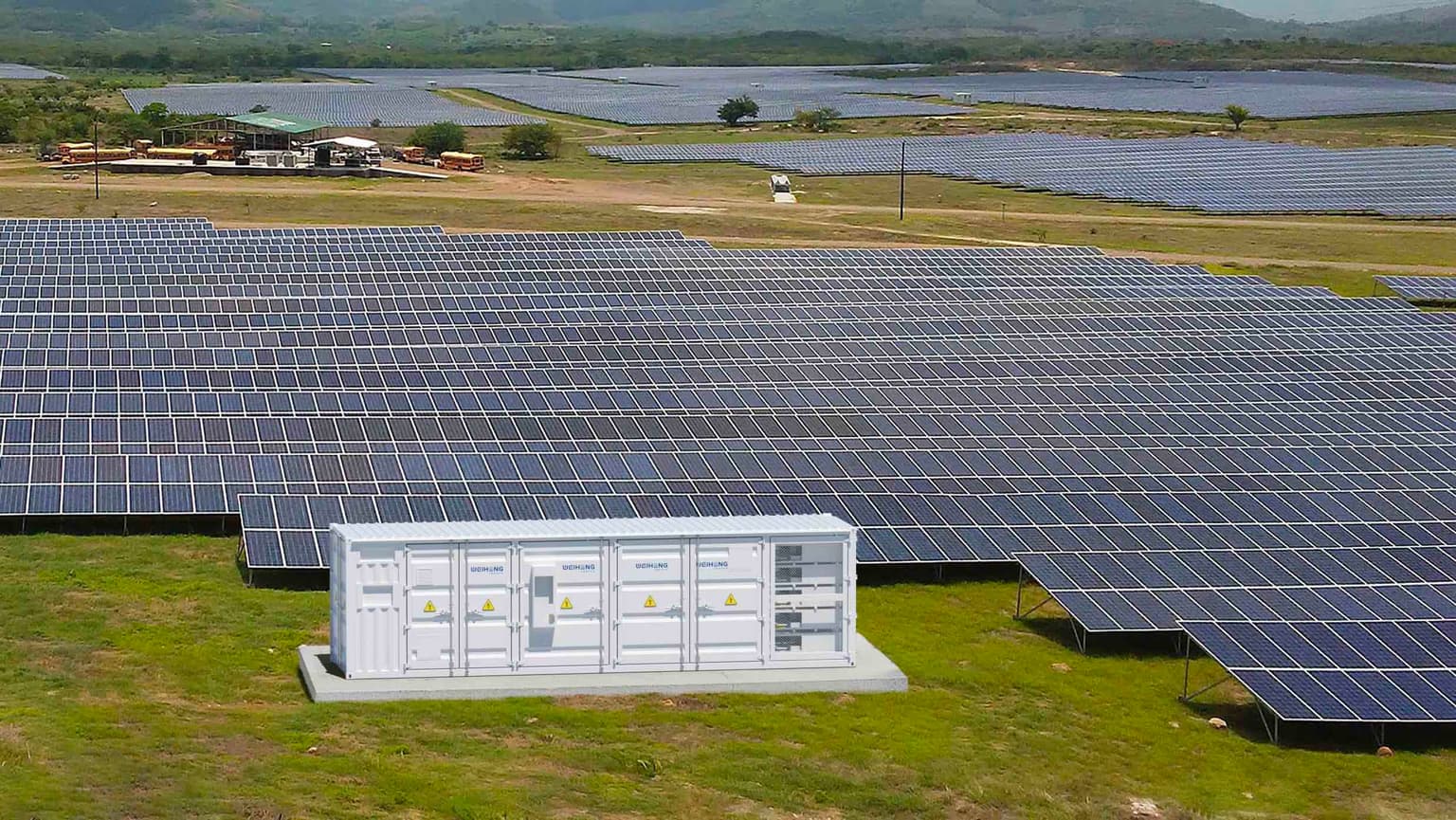
Battery storage installations in the US reached a record 20.2 GWh in the second quarter of this year. The US energy storage market thus set a new quarterly record, driven mainly by the rapid growth of battery storage projects by major utilities.
As RenewablesNow reported, this growth reflects rising demand for flexible power infrastructure as renewable energy generation expands. Managing an increasingly complex energy system is also benefiting electricity storage projects.
Read the full article HERE.
9. Exchange-traded gas prices rise, Czech storage sites only 70% full
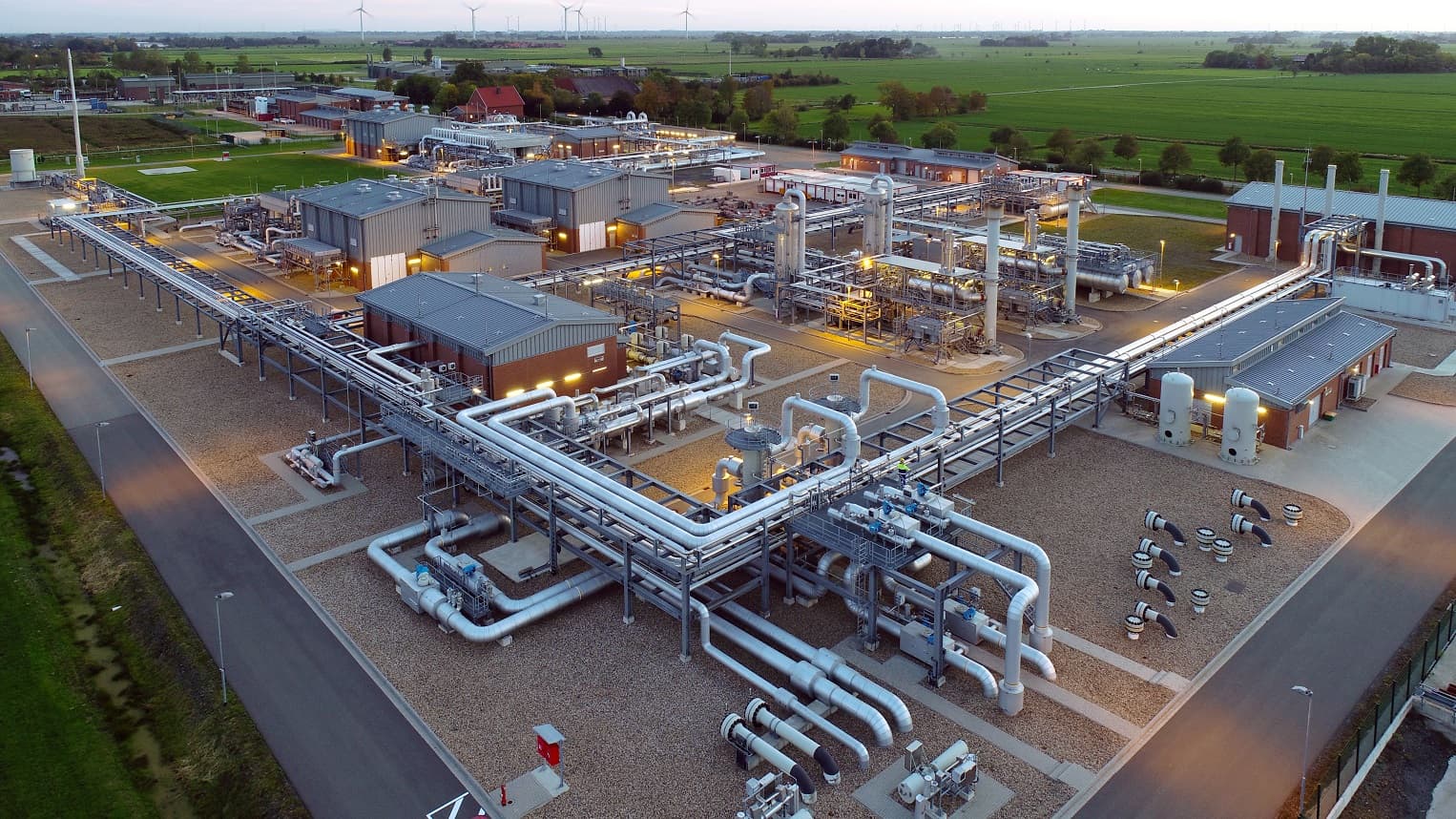
Gas storage sites in Czechia are nearly 70% full at the beginning of September. The Czech Republic has thus met the EU’s interim targets for this period, but inventories are around a fifth lower than a year ago. This follows from information from the Ministry of Industry and Trade (MPO) and the Energy Regulatory Office (ERÚ). According to the ministry, there should be sufficient gas for the coming winter despite the slower filling of storage sites.
According to analysts, slower replenishment of gas inventories is the result of rising exchange-traded gas prices. On Wednesday morning, the wholesale gas price for the European market exceeded 75 euros (1817 Kč) per megawatt-hour (MWh), reaching its highest level in more than three years. Analysts say the market is also reacting to renewed attacks between the United States and Iran, as well as lower gas inventories in Europe.
Read the full article HERE.
10. A battery powered by corrosion? Dutch firm aims to store energy for up to four days
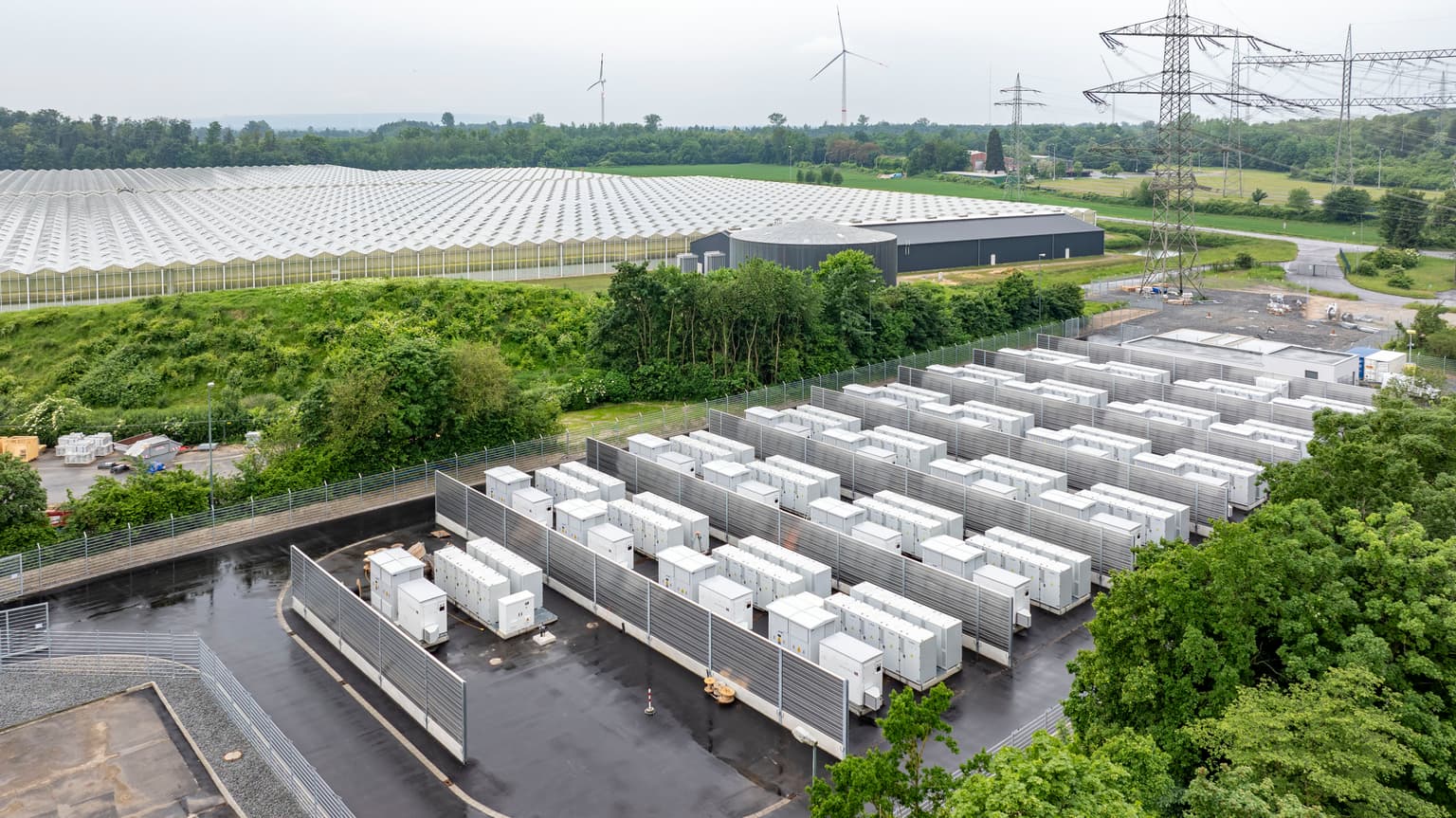
Ore Energy is developing batteries that promise cost-effective balancing of renewable electricity generation for up to four days. Following months of pilot testing, it has secured funding intended to enable construction of its first manufacturing plant. Companies in the United States and India are working on the same technology. Czech research is also pursuing its own route to low-cost energy storage.
Dutch startup Ore Energy has presented a concept for battery systems capable of storing energy for up to 100 hours. Iron-air batteries are also, somewhat figuratively, described as being powered by corrosion. Their operating principle is based on oxidation at iron electrodes, which causes corrosion. During this phase, the battery discharges; conversely, it charges during reduction.
Read the full article HERE.
Energostat: electricity generation in Czechia
Energostat: electricity generation in Germany
Find more up-to-date charts and data on Energostat
Translation disclaimer
This article is a machine translation of the Czech original and has not yet been fully reviewed. In case of any doubt, please refer to the Czech version.