Top 10 energy events of the past week
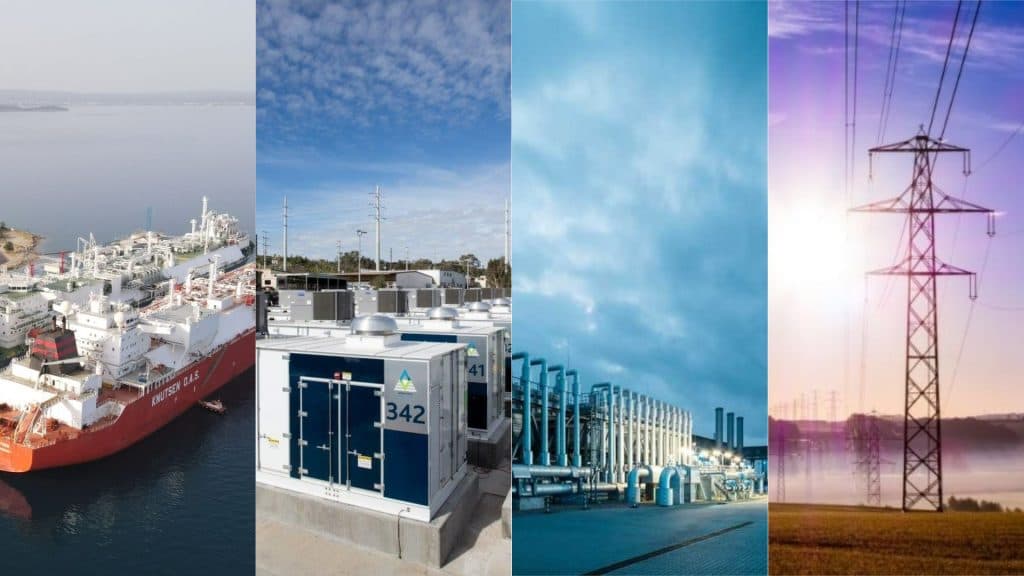
This week, we once again bring you a carefully selected list of the ten most important articles we published on oEnergetice.cz. If you missed any of them, here is a selection of the articles that attracted our readers the most. Best of luck in the new week!
1. More than 50 wind turbines could be built in the Plzeň Region as government approves six zones
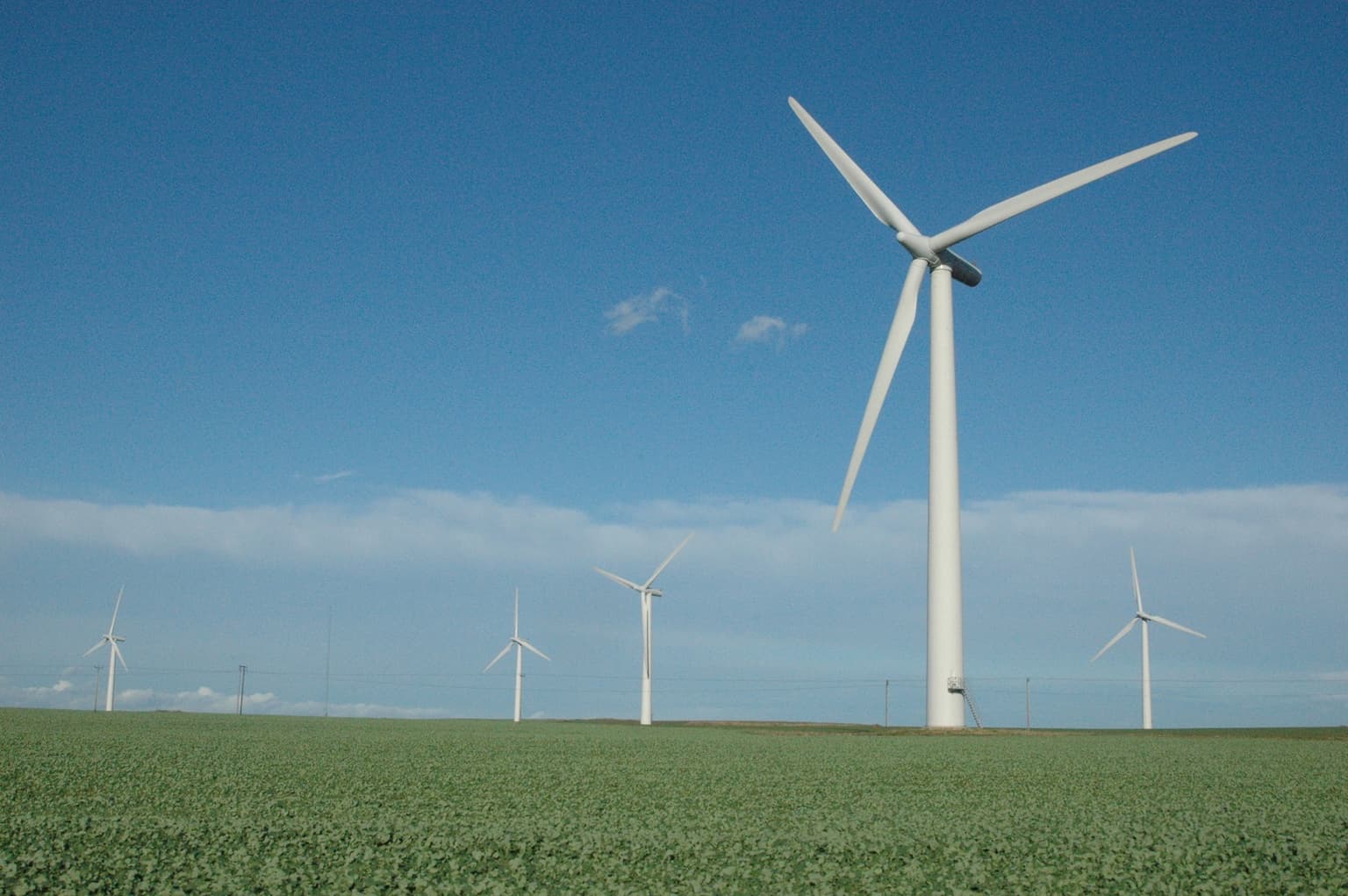
According to government-approved acceleration areas, more than 50 large wind power plants could be built in the Plzeň Region under a so-called accelerated procedure, obtaining permits within a year. There are six areas in the region – two each in southern Plzeň, northern Plzeň and the Rokycany area. There were seven in April, but Únětice in southern Plzeň was removed and two zones were slightly reduced. The approved areas, where construction is expected to be simpler, cover around 27 square kilometres in the region. With turbine spacing of 700 to 800 metres, as envisaged in the explanatory reports, this would amount to around 54 towers approximately 250 metres high and with capacity of around five megawatts. Martin Plíhal, head of the regional environment department, told ČTK today.
The acceleration areas have been posted on the Czech Government Office's official notice board since 10 August. “It is a public notice announcing amendment No. 2 to the spatial development plan and related territorial measures. There is a 15-day period for service, after which it is considered delivered and takes effect,” Plíhal said. At the end of July, the government approved acceleration zones in southern Plzeň – Střížovice and Řenče. Another two are in northern Plzeň – Zahrádka and Košetice near Líšťany – and two are in the Rokycany area – Vrabčiny near Mlečice and Bílá Skála near Terešov.
Find the full article HERE.
2. Slovakia’s new Mochovce 4 nuclear unit reaches criticality for the first time
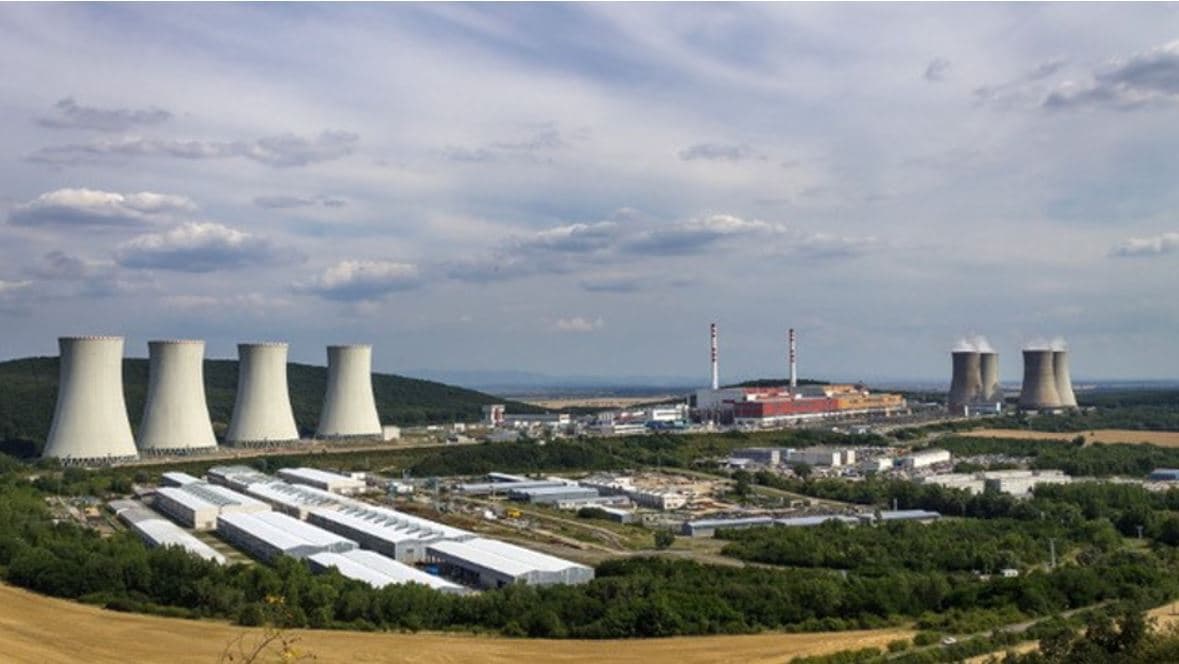
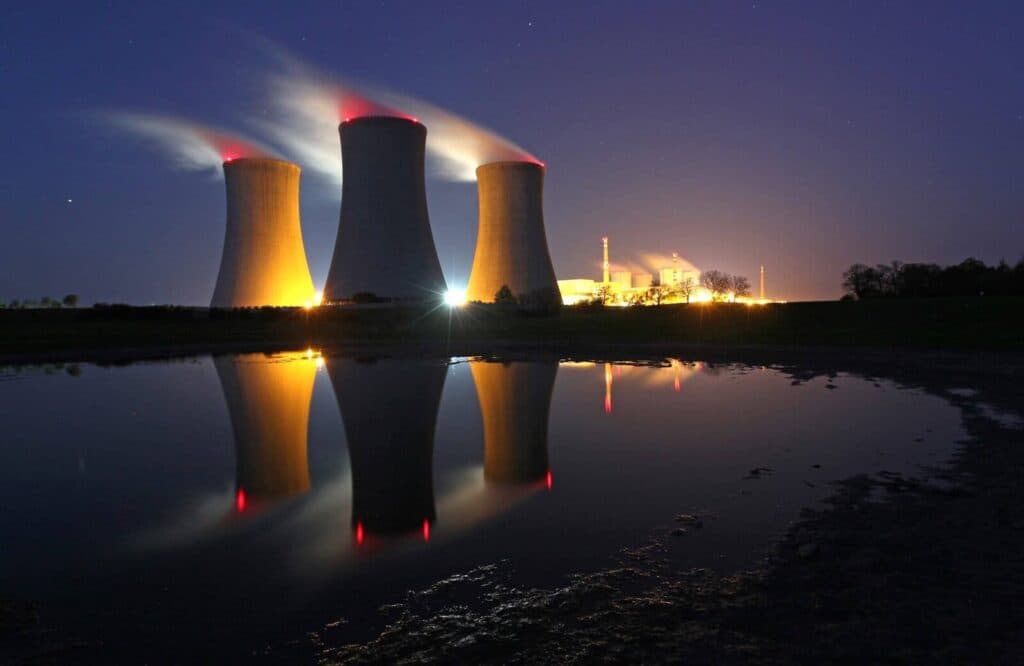
The fourth unit of Slovakia’s Mochovce nuclear power plant has moved significantly closer to commissioning. The VVER-440 reactor reached criticality and minimum controlled power for the first time. The unit will now undergo tests at various power levels. The new installed capacity of 471 MW (gross) will move Slovakia among the countries with the highest shares of nuclear power in their energy mix.
Slovak energy company Slovenské elektrárne announced that its fourth unit at the Mochovce nuclear power plant had reached criticality for the first time. Technicians began starting up the unit on 6 August; at 22:10 the reactor reached criticality for the first time, and 21 minutes later it reached minimum controlled power. This is one of the key commissioning milestones for every new unit.
Find the full article HERE.
3. Those who are prepared will profit: Czech capacity mechanism changes energy market rules
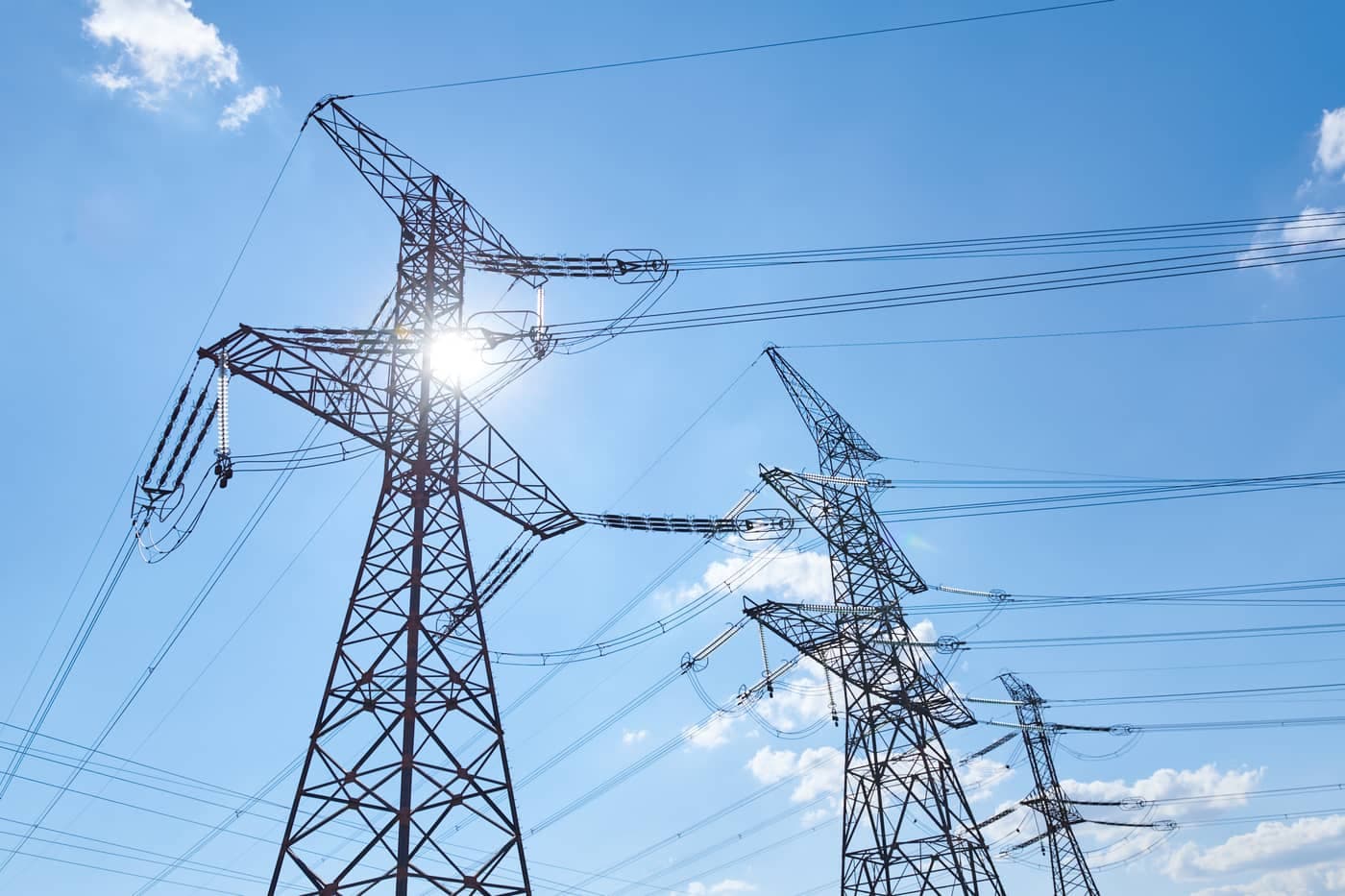
The Czech electricity market faces a fundamental change. Alongside revenues from electricity sales, balancing services or flexibility, a new source of revenue is to emerge – payment for available capacity. In July 2026, the European Commission approved the Czech market-wide capacity mechanism, the first mechanism of its kind under the new CISAF (Clean Industrial Deal State Aid Framework).
Over the summer, Czech preparations moved from European approval to the implementation phase. The Ministry of Industry and Trade (MPO) issued a measure of general application on 6 August setting out the basic conditions of the mechanism. Detailed rules are being prepared by ČEPS, and the first capacity auctions are due to take place later this year.
Find the full article HERE.
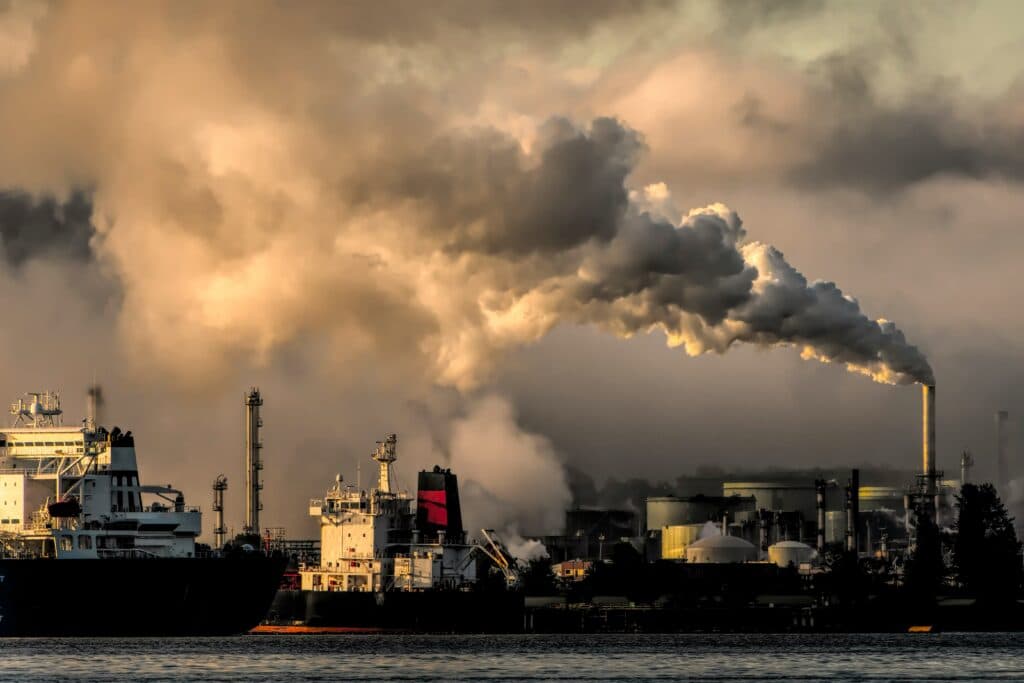
4. Western refineries face further decline; Europe to lose a fifth of capacity, analysts say
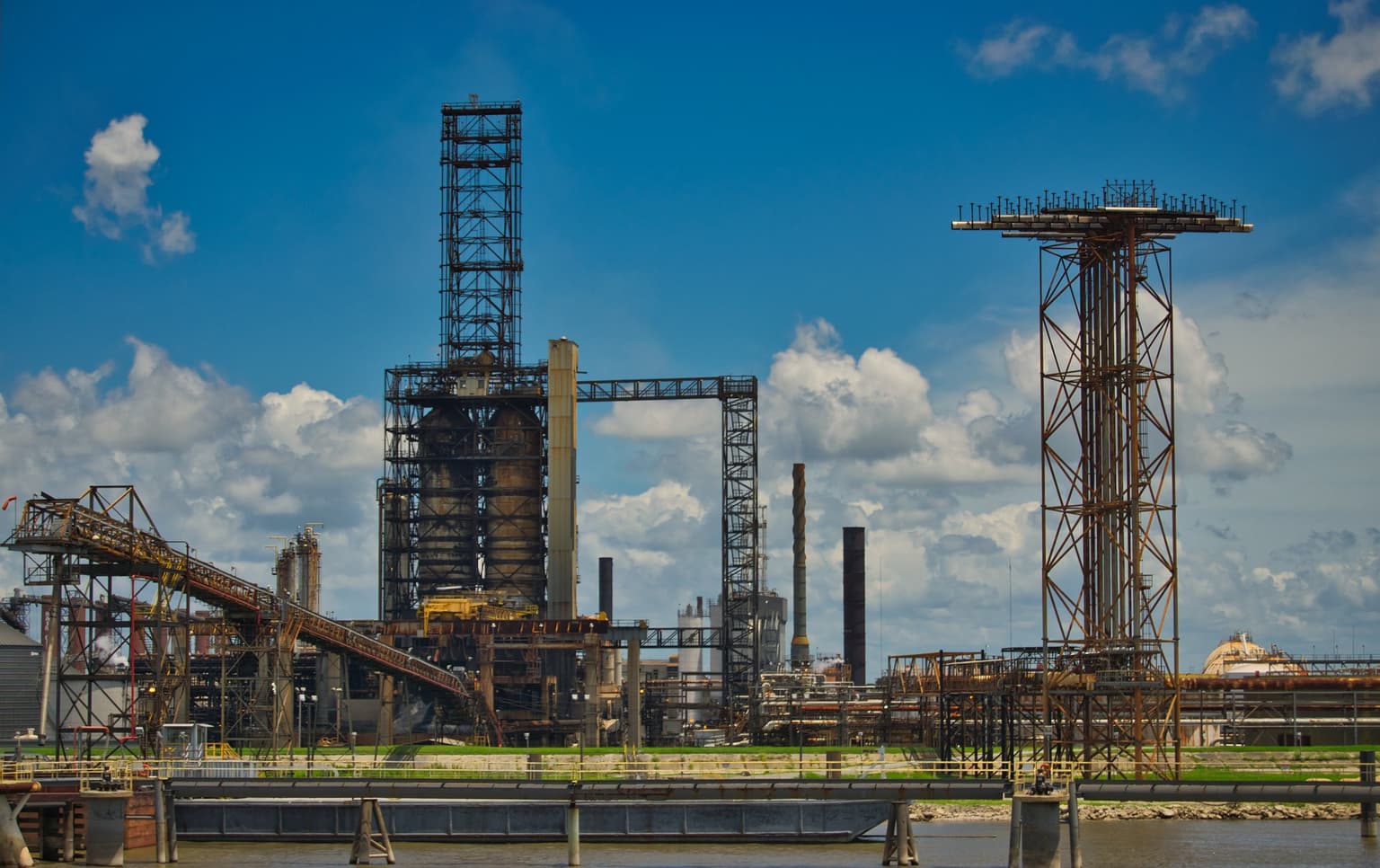
Despite their current utilisation, refineries in Europe and the United States face uncertain long-term prospects. Investors are increasingly reluctant to spend large sums on facilities that could become economically unviable before the end of their operational life. Rather than being upgraded, some sites are therefore facing closure, negatively affecting Western countries’ ability to produce petroleum products. Production is increasingly moving outside Europe, where new, more technologically efficient facilities are being built.
European refinery processing capacity is set to fall by up to a fifth over the next decade. This is despite European facilities currently operating at the very limits of their capacity due to the energy crisis triggered by the war in Iran.
Find the full article HERE.
5. Large grid-scale batteries take the lead as residential storage loses share
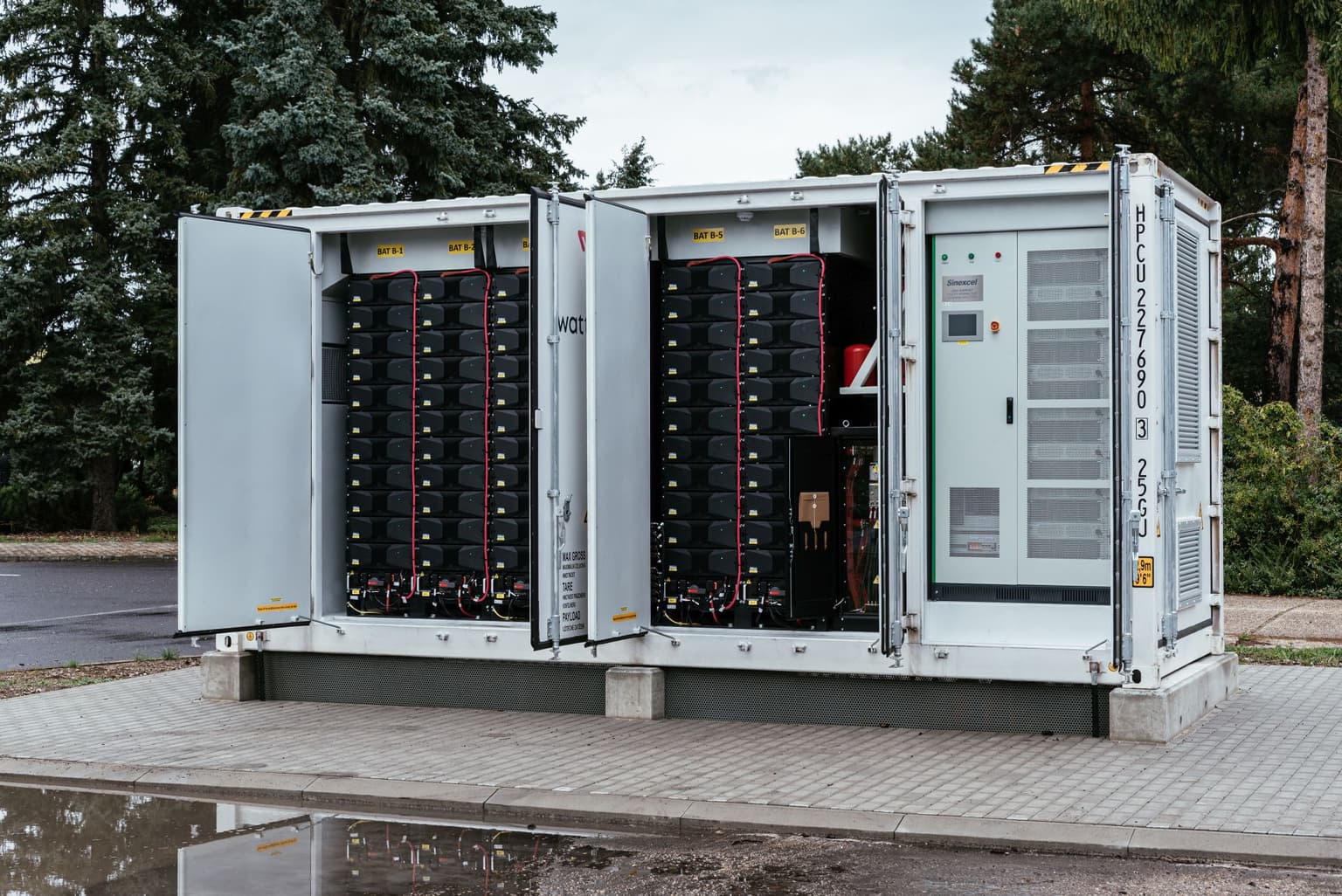
The European battery energy storage system (BESS) market accelerated significantly in 2025. According to SolarPower Europe’s new report, European Battery Market Outlook 2026–2030, 36 GWh of new capacity was installed in Europe, up 48 % year on year. This marked the twelfth consecutive record year, while total operational capacity exceeded 100 GWh for the first time at year-end.
Large grid-scale batteries became the market’s main driver. These projects accounted for more than half of new installations in 2025, with their capacity reaching 19 GWh, nearly double the 2024 figure. Growth is primarily supported by increasing flexibility needs, greater wholesale price volatility, the ability to combine multiple revenue streams and falling technology costs. Support programmes also play an important role – according to the report, European mechanisms supported nearly 70 GWh of large battery projects last year.
Find the full article HERE.
6. Environmental disaster in Hormuz: Russian tanker and two new oil slicks alarm region
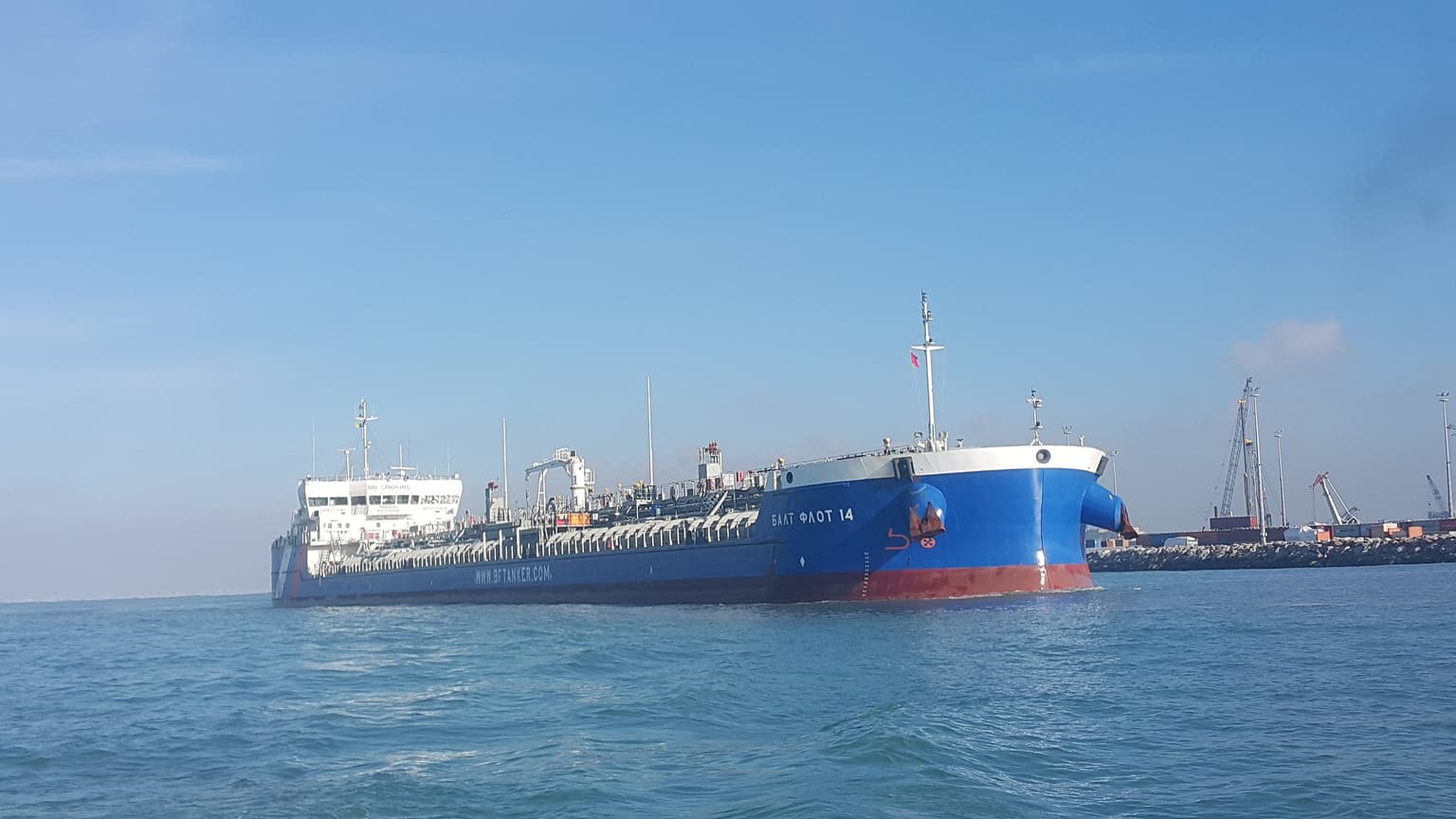
A potential environmental disaster is unfolding off the coast of Oman. The Russian tanker Caroline Bezengi has run aground there, leaking oil. The vessel is located in a protected marine area and has created a vast oil slick that some estimates put at up to 2 000 km².
While the conflict between the US and Iran, which includes attacks on tankers, was the main reason for concerns about an environmental disaster linked to an oil spill in the area, the current problem appears unrelated to the war under way in the region. This was also confirmed by Reuters.
Find the full article HERE.
7. Do subsidies make heat pumps more expensive? New study provides detailed analysis of Germany
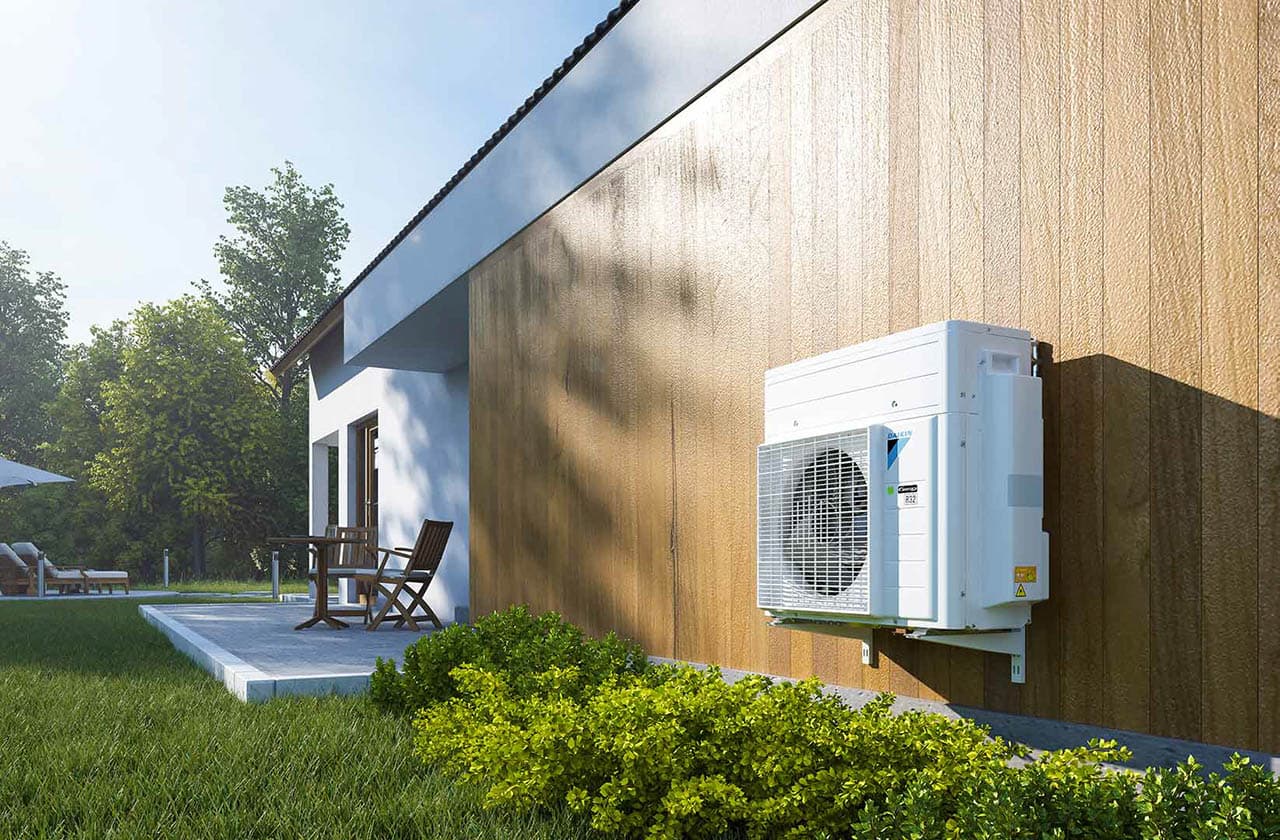
German heat pump installations are among the most expensive in Europe, although households there can receive support covering a significant share of expenditure. A new study warns that subsidies covering a percentage of costs can, alongside technical and tax factors, themselves weaken pressure on the final price and thereby indirectly channel part of the public support into higher supplier quotes.
Gross costs for installing an air-to-water heat pump in an existing family home in Germany range from approximately 23 to 40 thousand euros, while they are significantly lower in other Western European countries. In a comparable model case, the installation price in Germany was 35 366 euros including VAT, compared with just over 12 thousand euros in the United Kingdom.
Find the full article HERE.
8. From sunshine to landfill? Panel recycling will be a key challenge in coming decades
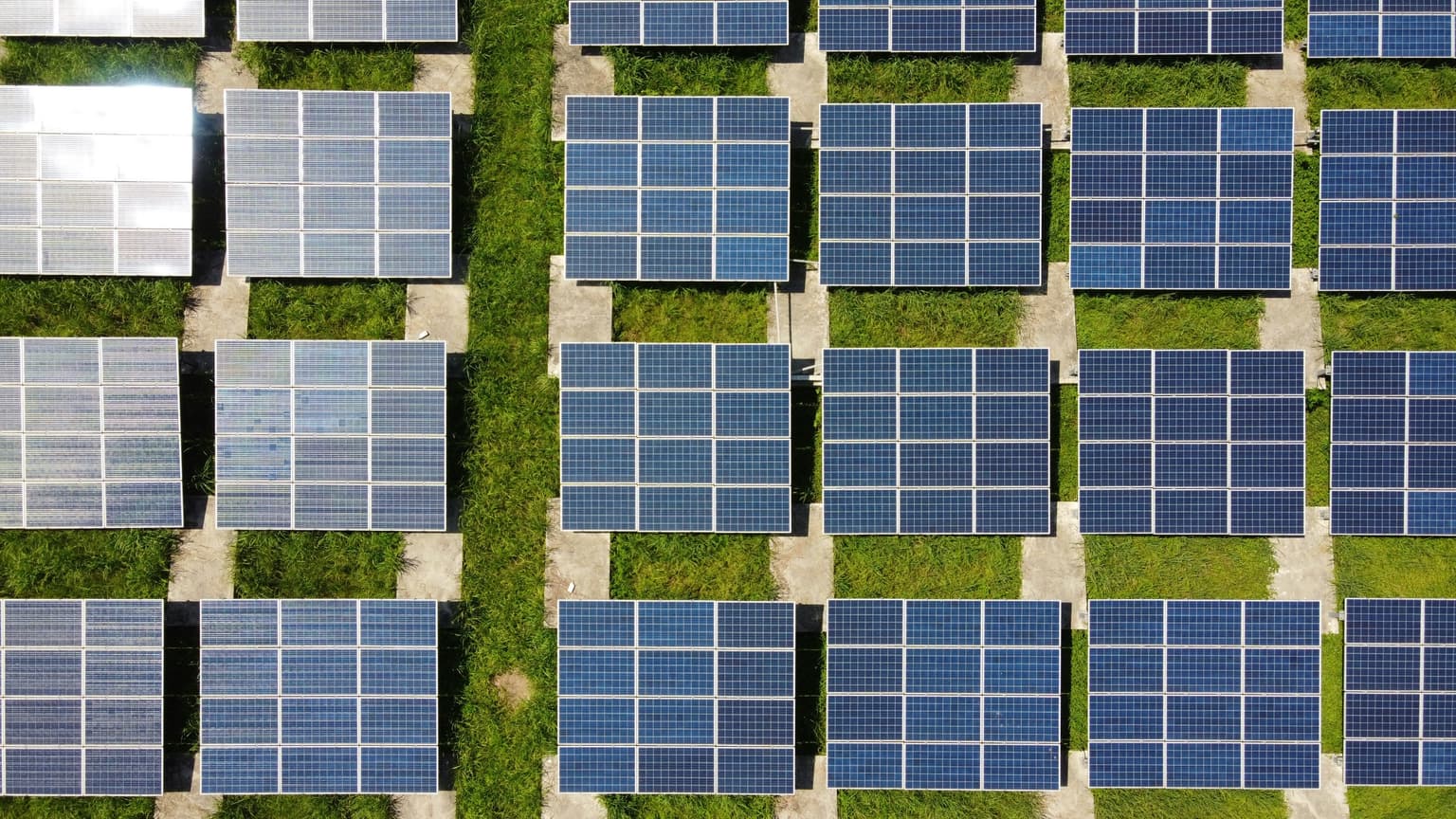
Solar PV now accounts for nearly half of globally installed renewable capacity, and its expansion continues at a rapid pace. More than 90 % of current global solar capacity has been installed over the past ten years. Most of today’s panels are therefore still awaiting the end of their technical lifetime. IRENA assumes a panel lifetime of roughly 25 to 30 years, but also anticipates their earlier replacement with more efficient technologies. The volume of photovoltaic waste will therefore grow significantly in the coming decades.
Under IRENA’s scenario consistent with a 1.5 °C pathway, the cumulative volume of end-of-life solar panels worldwide by 2050 will exceed 200 million tonnes. Annual waste volumes are set to surpass 25 million tonnes in the same year.
Find the full article HERE.
9. Czech audit office review: Industry ministry subsidies for energy savings and renewables fail on impact and uptake
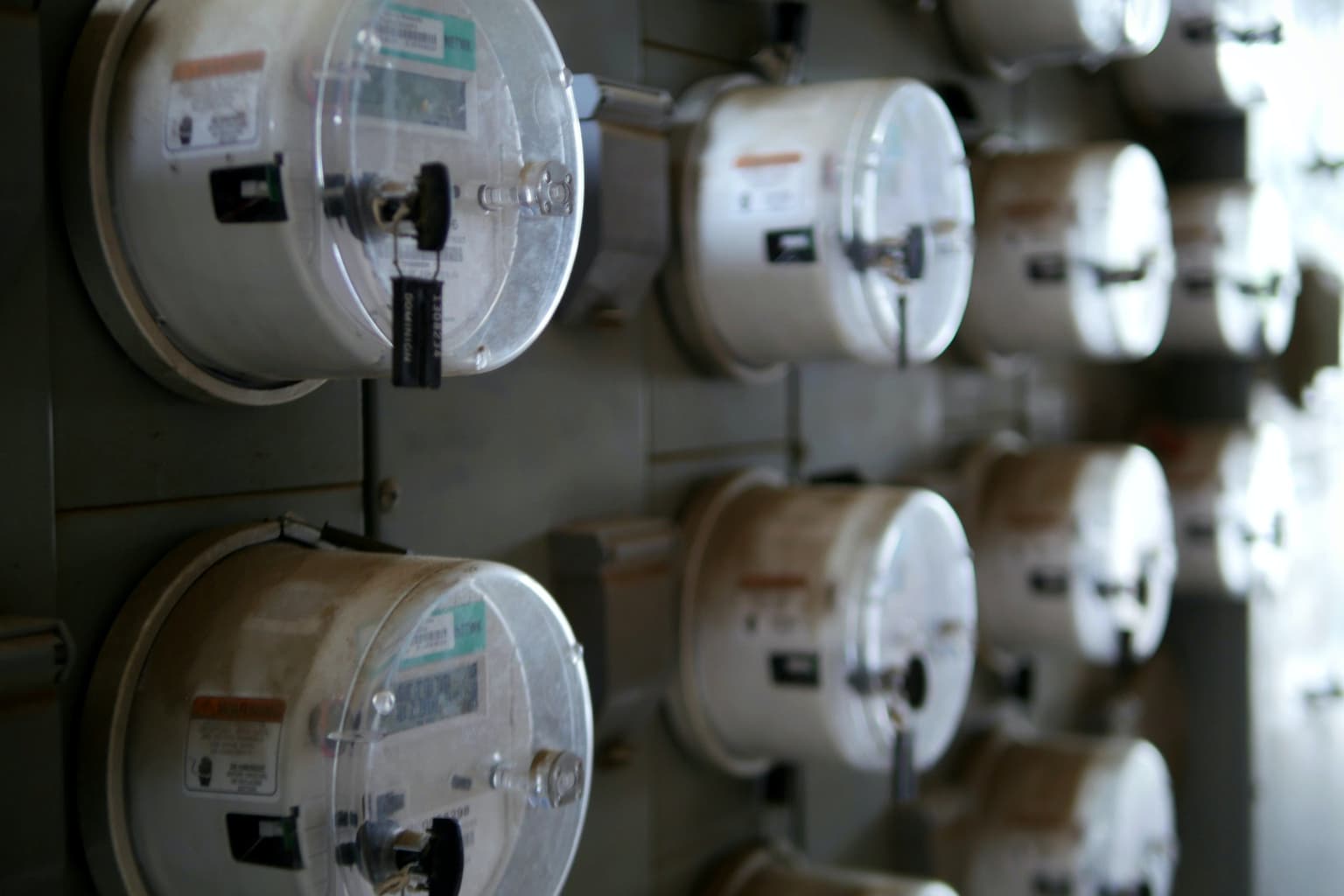
The Supreme Audit Office (NKÚ) published the findings of an audit focused on funds spent by the Ministry of Industry and Trade (MPO) to support improvements in energy efficiency and renewable energy sources (RES). The audit covered the period from 2018 to May 2025 at the MPO, the Agency for Enterprise and Innovation, and 16 selected recipients of support. According to the auditors, the subsidies produced minimal effect, and suspected breaches of budgetary discipline were identified among several audited recipients. The office filed criminal complaints against these entities, delaying publication of the audit conclusion.
According to the NKÚ’s findings, total support paid out under the audited programmes amounted to more than CZK 26.4 billion as of 1 May 2025. However, the auditors’ conclusions show that the billions distributed had only a negligible impact on actual energy consumption, while the targets set for a number of subsidy schemes have not been met.
Find the full article HERE.
10. Fico: Slovakia wants to settle with ČEZ in September over company for new power plant
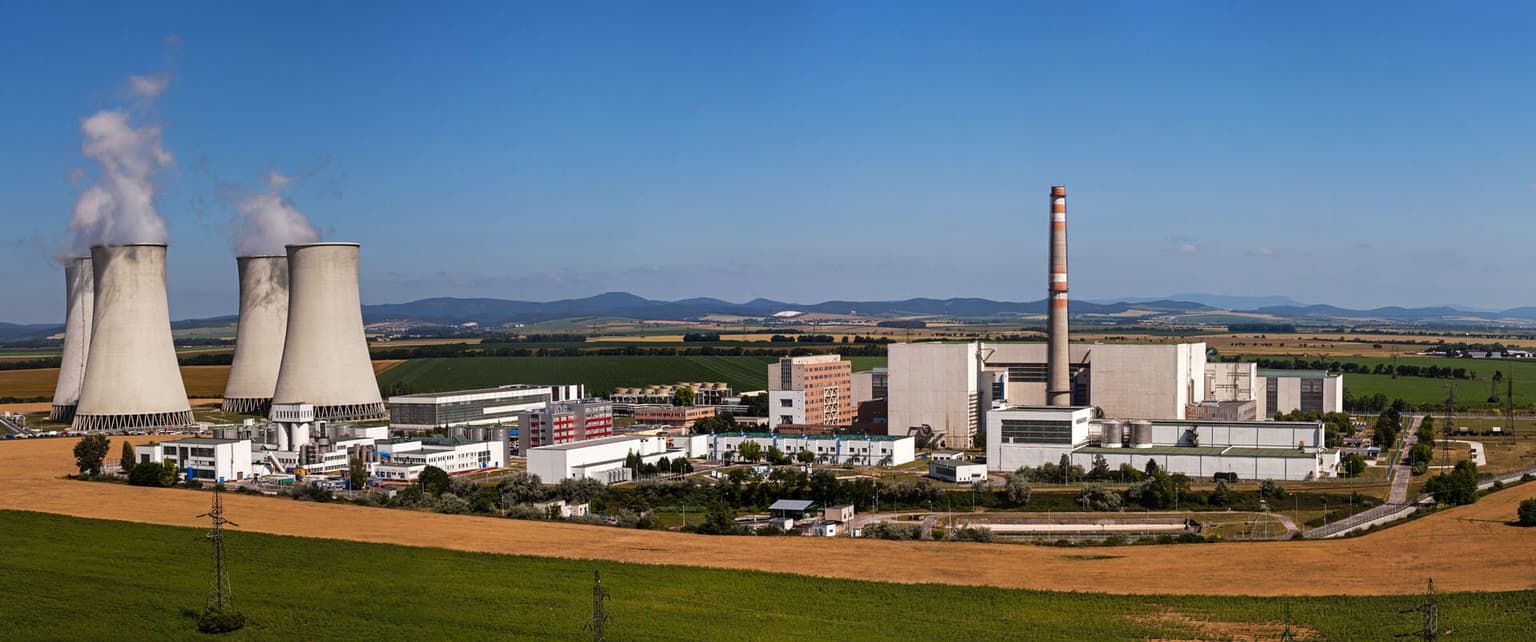
Bratislava/Jaslovské Bohunice (Slovakia), 17 August (ČTK correspondent) – Following earlier delays, Slovakia wants to buy out Czech group ČEZ’s stake in Slovak company Jadrová energetická spoločnosť Slovenska (JESS), which is preparing the construction of a new nuclear power plant in the country, in September, according to Prime Minister Robert Fico. Fico also criticised the approach of the Slovak Ministry of Economy and announced that the Government Office would take greater initiative in the matter. ČEZ declined to comment.
The Ministry of Economy acknowledged problems with meeting the original deadlines. The Slovak opposition had previously claimed that the dispute on the Slovak side concerned the price of the ownership settlement with ČEZ.
Find the full article HERE.
Energostat: electricity generation in Czechia
Energostat: electricity generation in Germany
Find more current charts and data on Energostat
Translation disclaimer
This article is a machine translation of the Czech original and has not yet been fully reviewed. In case of any doubt, please refer to the Czech version.