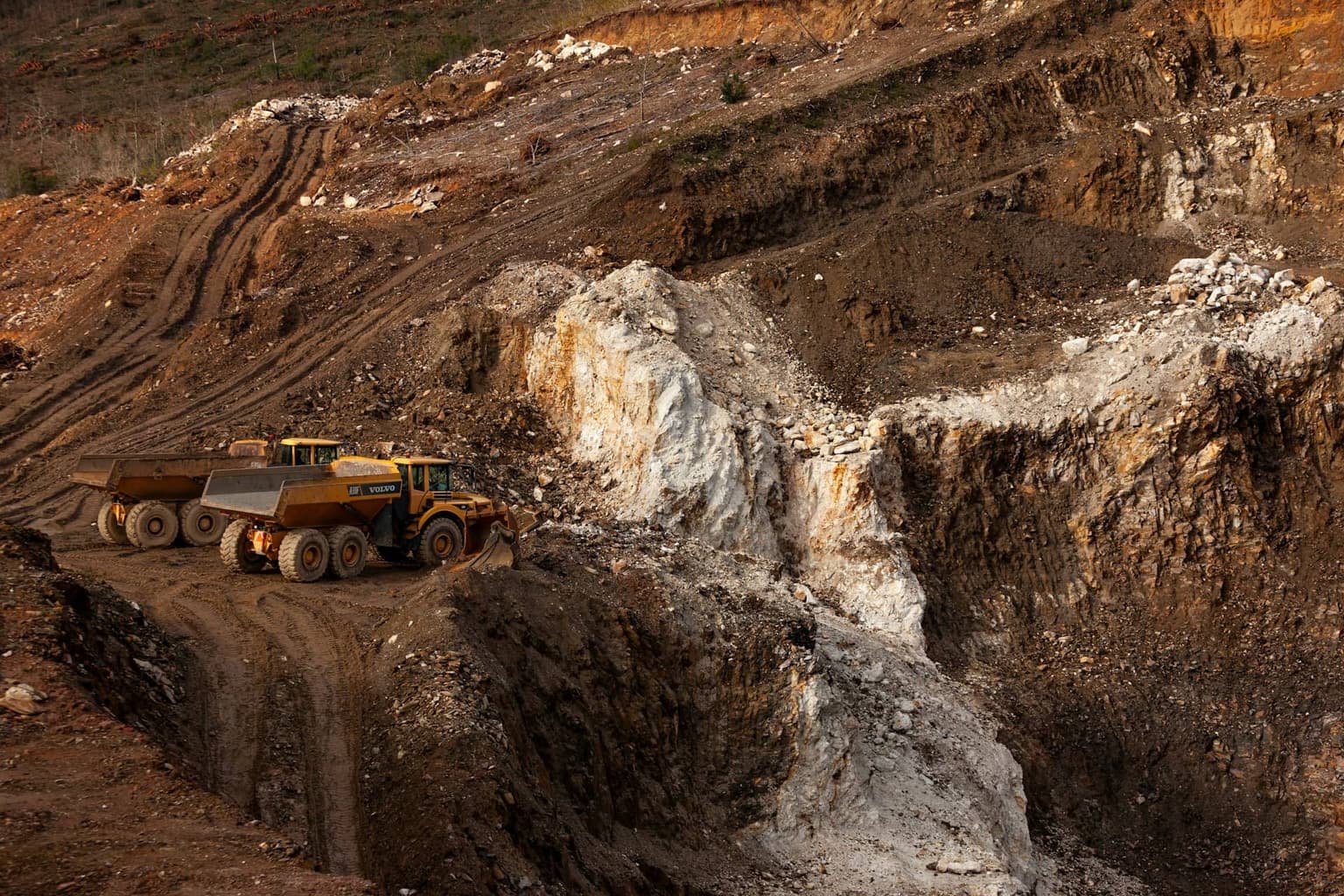
Cínovec was supposed to be the answer to dependence on China: domestic lithium, thousands of jobs, billions for public budgets, and a value in the trillions. The reality in 2025 is delayed plans, infrastructure subsidies, and the question of whether mining can even get underway on the hill without massive state support.
For most of the day, it is quiet on the steep road between Dubí and Cínovec in northern Bohemia, once a busy border crossing between the Czech Republic and Germany, and further along the road to Altenberg in Saxony. Trucks have moved to the motorway, and the stalls, pimps and sex workers who turned the former E55 into a Central European symbol of street prostitution have disappeared. The last tin mines here closed in the early 1990s, and the Ore Mountains mining region, where people had been mining since the Middle Ages, began to reinvent itself as a tourist destination.
You can read the full article HERE.
2. China's first small modular reactor ACP100 passes cold tests
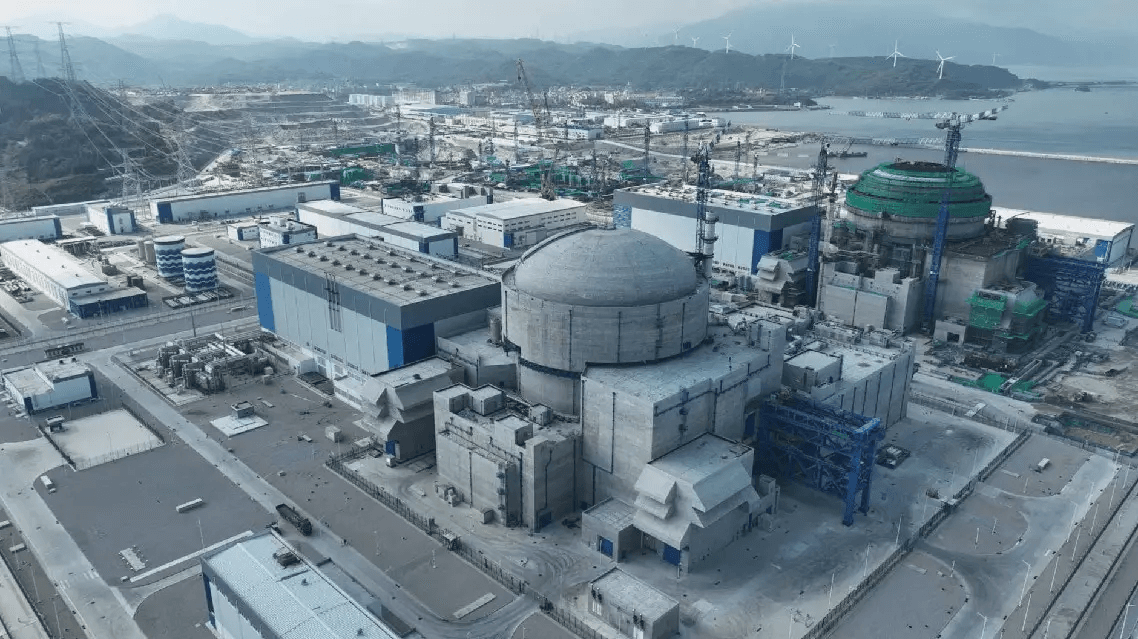
China National Nuclear Corporation (CNNC) announced that its first ACP100 small modular reactor (SMR) had successfully completed cold tests. The modular reactor, also known as Linglong One, has an installed capacity of 125 MW and is located at the Changjiang power plant in Hainan Province.
You can read the full article HERE.
3. Solar panels are moving over vegetable crops, with subsidies in the pipeline. Potatoes and soybeans are being grown alongside them in the Vysočina Region

Since January, farmers have been able to combine electricity generation with crop cultivation. Until now, this has only been possible above orchards, vineyards and other permanent crops. Arable land growing vegetables is expected to be added to the list in November.
Last year, an amendment to the Act on the Protection of the Agricultural Land Fund paved the way for agrivoltaics. In January, a decree by the Ministry of the Environment and the Ministry of Agriculture specified that solar panels could be installed above vineyards, hop fields, orchards, nurseries, areas with “flowerpots” or truffles.
You can read the full article HERE.
4. Reuters: India's largest buyer of Russian oil to halt imports due to sanctions
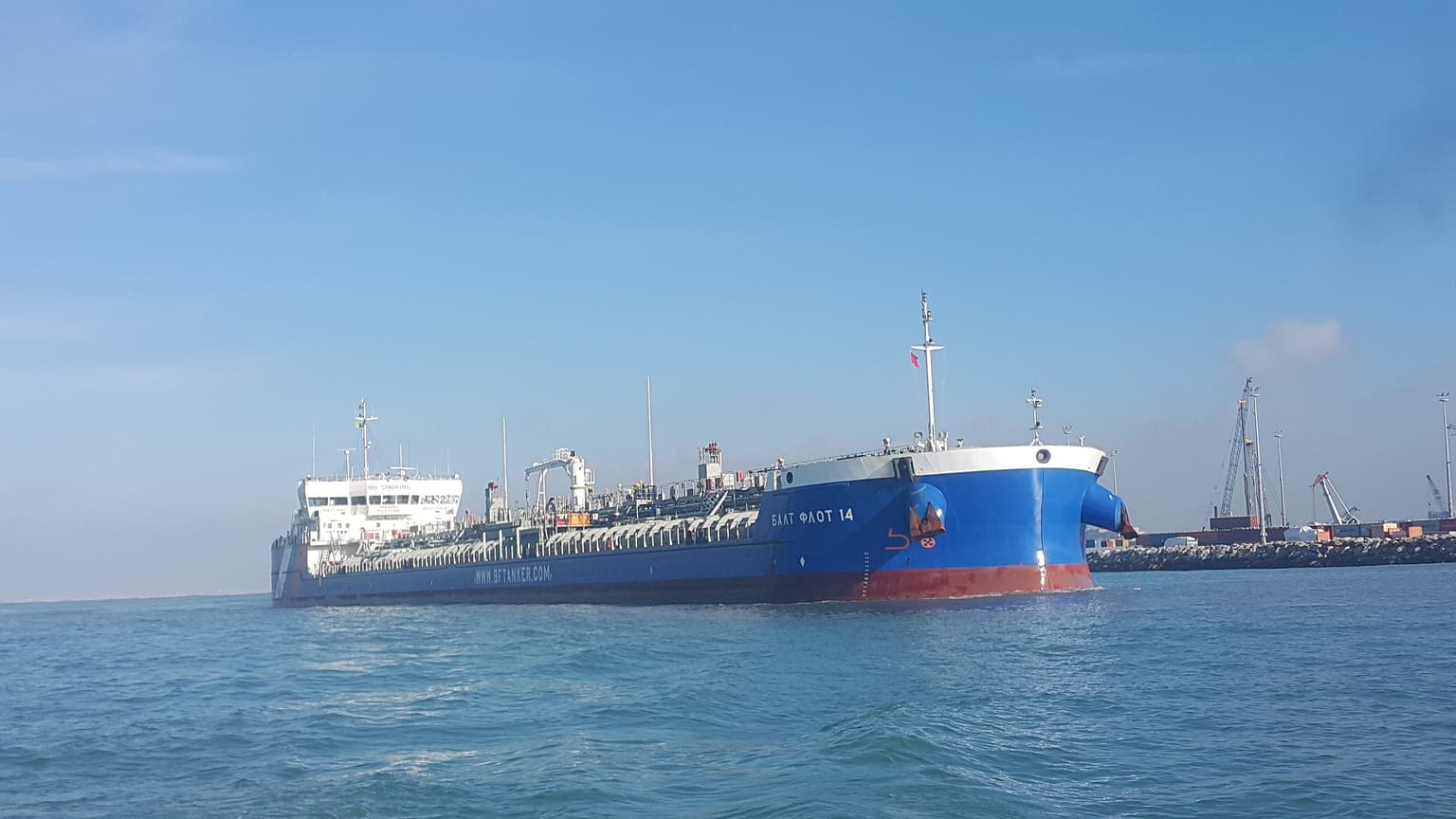
Reliance buys almost 500.000 barrels of oil a day from Rosneft, making it the largest buyer of Russian oil in India. The company also purchases Russian oil on the spot market for its refinery complex, the world's largest, which has the capacity to process 1.4 million barrels of oil a day.
You can read the full article HERE.
5. ČEZ enables customers with interval meters to manage consumption with new tariff

Tens of thousands of ČEZ customers have meters with interval measurement. They cost several thousand crowns to install. By mid-2027, distribution companies must install, free of charge, meters that include interval measurement for customers with annual electricity consumption above six megawatt-hours (MWh). So-called smart meters are expected to gradually be rolled out to more customers as well.
You can read the full article HERE.
6. Amazon continues preparations for its modular reactor project

Amazon, in collaboration with energy company Energy Northwest and technology developer X-energy, plans to build up to 12 small modular reactors near the Columbia Generating Station nuclear power plant in Washington State. The first phase is set to include four reactors with a total electrical capacity of 320 MWe. Under current plans, construction should begin at the end of this decade, with operations potentially starting during the 2030s.
You can read the full article HERE.
7. China and the US continue to drive the global battery boom, with other regions including Europe joining in

New global installed battery storage capacity is expected to reach a record 92 GW (247 GWh) this year, a year-on-year increase of 23%. China accounts for almost half of the new capacity, while the United States is in second place with a 14% share. This is according to an analysis by researchers at BloombergNEF (BNEF).
Battery storage is gaining momentum, and this year is likely to set a new record for additions to installed capacity. The main drivers of battery system growth—China and the US—have apparently weathered challenging policy changes and the impact of tariffs imposed on each other.
You can read the full article HERE.
8. EU seeks to bypass US federal government on renewable energy
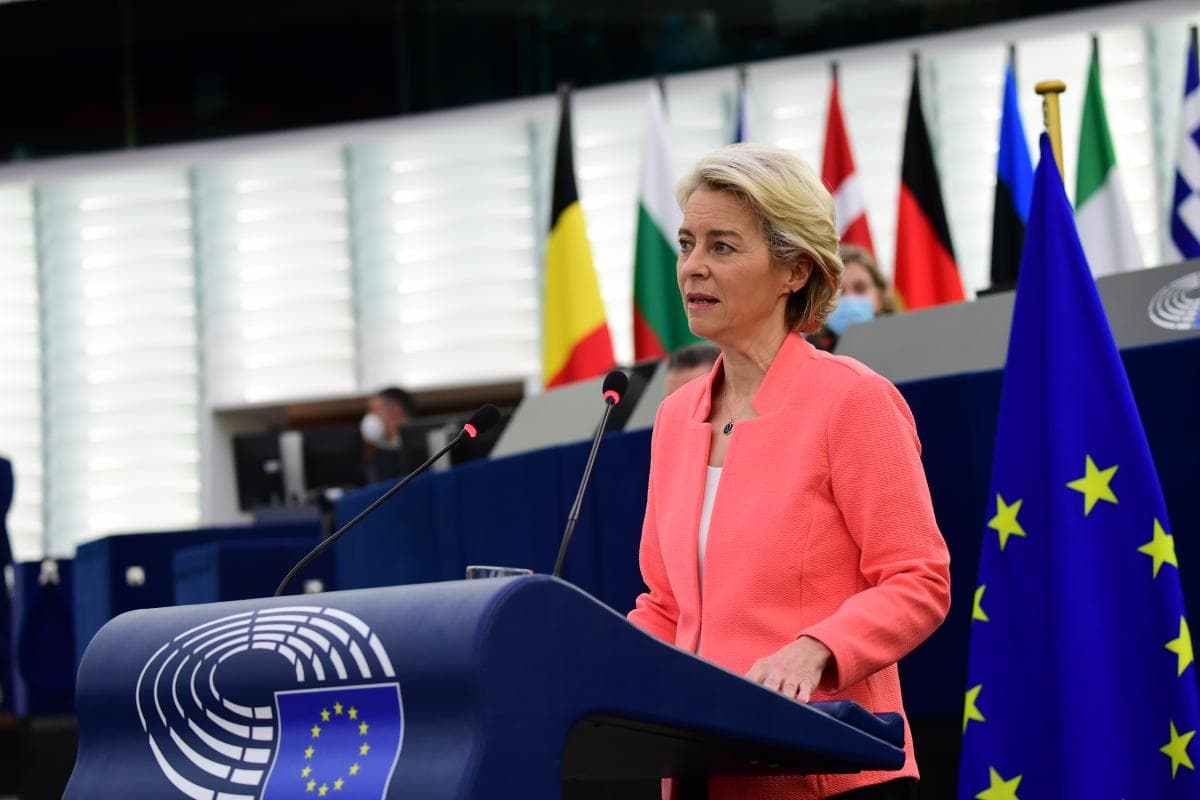
Under Donald Trump's second administration, the United States has once again shifted its energy policy towards fossil fuels. The administration has also withdrawn from the Paris Agreement again and is slowing the development of renewable energy in the US. This is creating difficulties not only for US companies but also for some US states that have committed to renewables. It is also a challenge for the European Union, which considers the energy transition one of its main goals.
You can read the full article HERE.
9. Der Spiegel: Germany in talks with EU to build fewer gas-fired power plants than planned
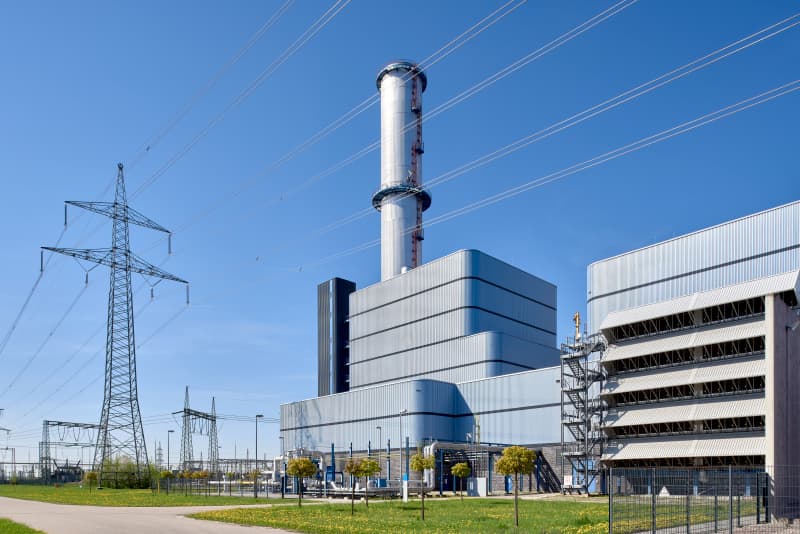
Shortly after taking office in May, Minister Reiche of the Christian Democratic Union (CDU) said she intended to push for the construction of gas-fired power plants with a total installed capacity of at least 20 gigawatts. She said the aim was to ensure sufficient electricity “when the wind isn't blowing and the sun isn't shining”.
You can read the full article HERE.
10. ADI Group plans to build wind farms in Luby in the Cheb District
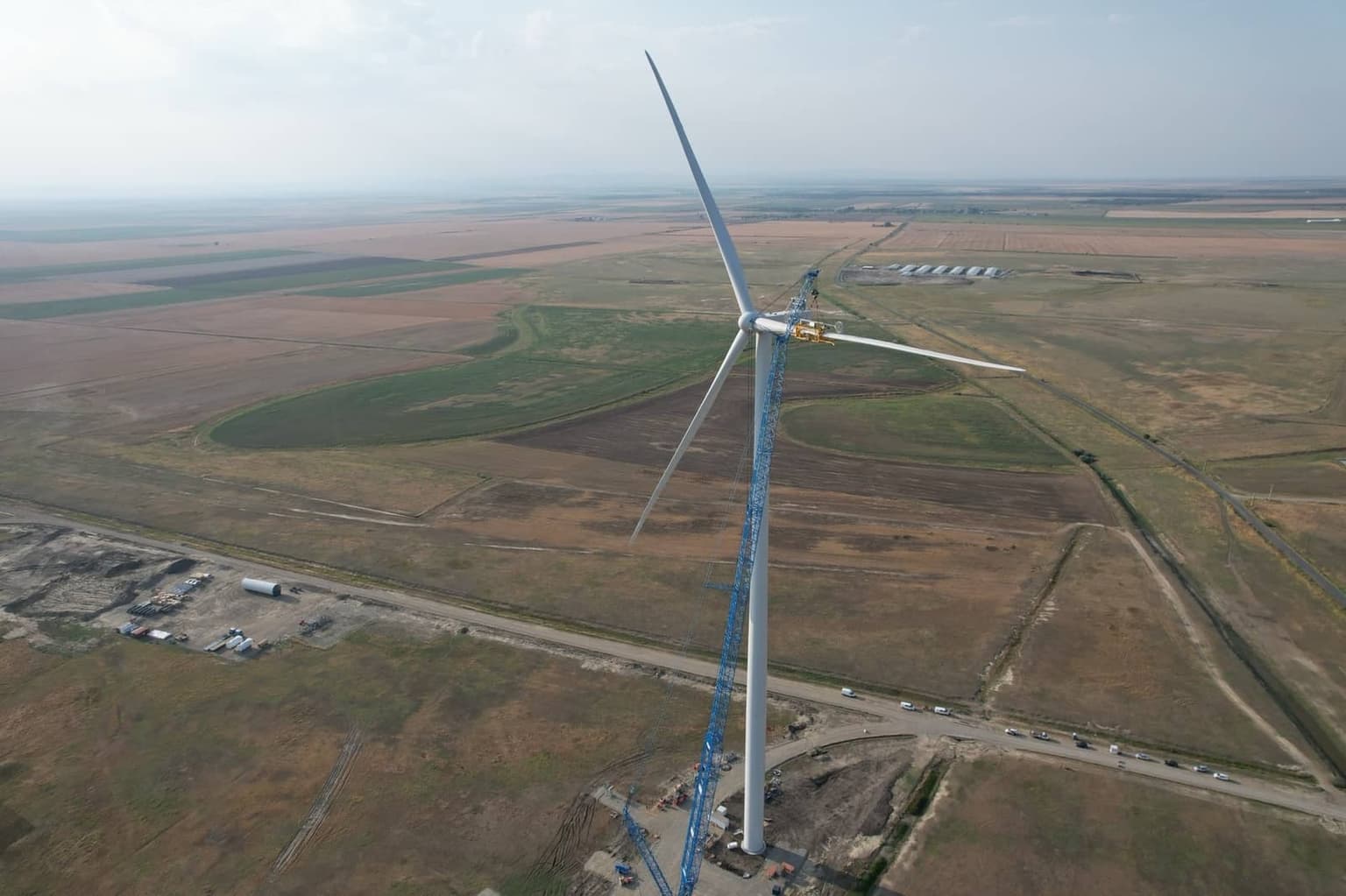
The Transport and Energy Construction Authority announced the start of permitting proceedings for the construction of three wind turbines in the cadastral area of Výspa, near the town of Luby (Cheb District). The project, titled “Luby wind power plant – 3 × 7.2 MW wind turbines”, was submitted by ADI Wind Energy, s.r.o., part of ADI (Active Development Investments) Group.
As the project title suggests, each of the three planned turbines will have a capacity of 7.2 MW. The towers will be 140 metres tall and the turbines' rotor diameters should be 170 metres. The project is planned to have a 30-year lifespan. The turbines are expected to be roughly half a kilometre apart and located on three separate plots in the cadastral area of Výspa (Luby municipality).
You can read the full article HERE.
Energostat: electricity generation in the Czech Republic
Energostat: electricity generation in Germany
Find more up-to-date charts and data on Energostat