27 October 2026, 06:15
Loading...
Top 10 energy stories from the past week
oEnergetice.cz
19 October 2025, 19:25

This week, we once again bring you a carefully selected list of the ten most important articles we published on oEnergetice.cz. If you missed any of them, here is a selection of the articles that attracted the most interest from our readers. Good luck in the week ahead!
1. A new era in the EU: Clean Industrial Deal instead of the Green Deal
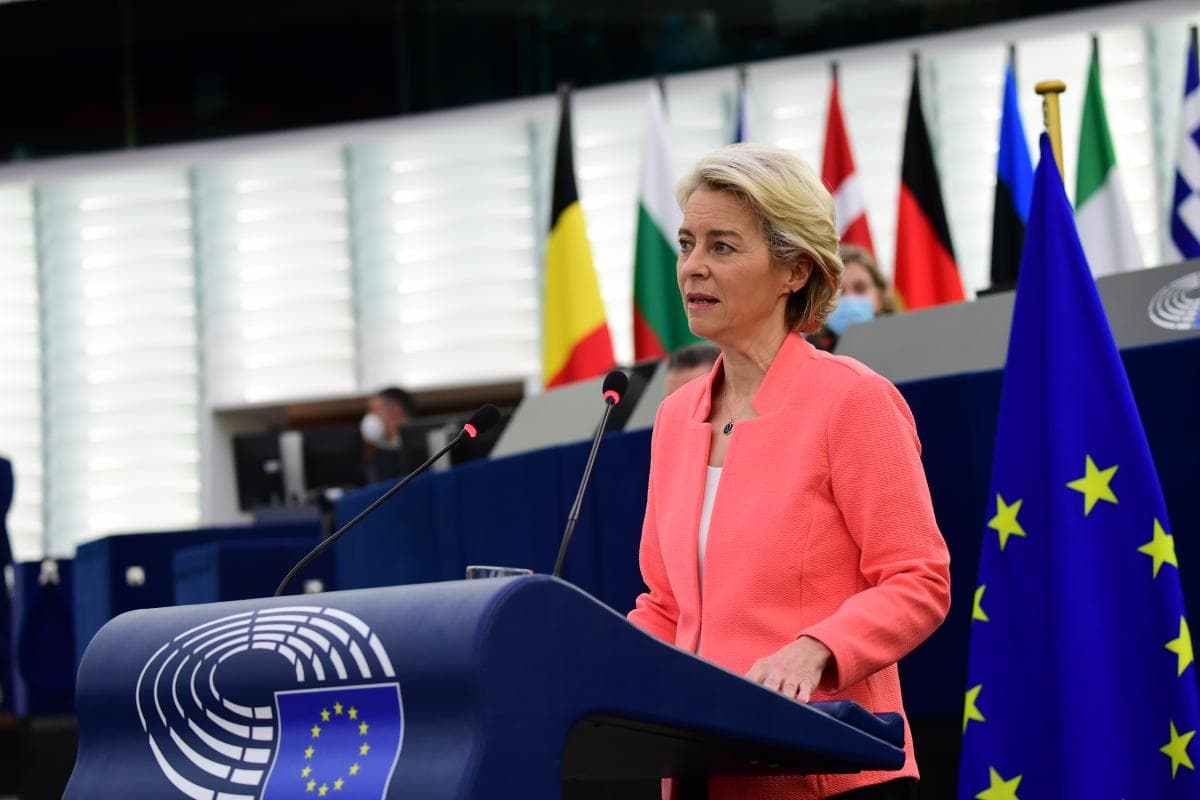
The European Commission's plan for 2026 signals a shift away from the Green Deal towards an industry-focused agenda. The aim is to support EU growth and competitiveness and respond to mounting pressure from industry and member states to ease the regulatory burden, reports Euractiv.
The European Commission will present its 2026 work programme in Strasbourg next week, setting the direction of EU policy through to the end of the decade. A draft of the document, seen by Euractiv, could still be amended before formal approval, but it already indicates the main priorities for next year: a shift away from the green transition towards a greater focus on economic growth, defence and less red tape.
Read the full article HERE.
2. Germany to formally reject a split of its bidding zone by the end of October

By the end of October, Germany will inform the European Commission that it will retain its single bidding zone rather than split it, as recommended by a study by European transmission system operators. Montel reported, citing a statement made by the German economy ministry on Thursday.
In April, the European Network of Transmission System Operators for Electricity (ENTSO-E) published a study assessing alternative bidding-zone configurations in Europe. Among other things, the study recommended splitting Germany's bidding zone on economic grounds. However, the study says that implementing a change to the current configuration requires a more in-depth political and economic assessment. A major weakness of the study, whose methodology is set by a decision of European regulator ACER, is its use of outdated data.
Read the full article HERE.
3. IEA: Russia's oil product export revenues fell again in September
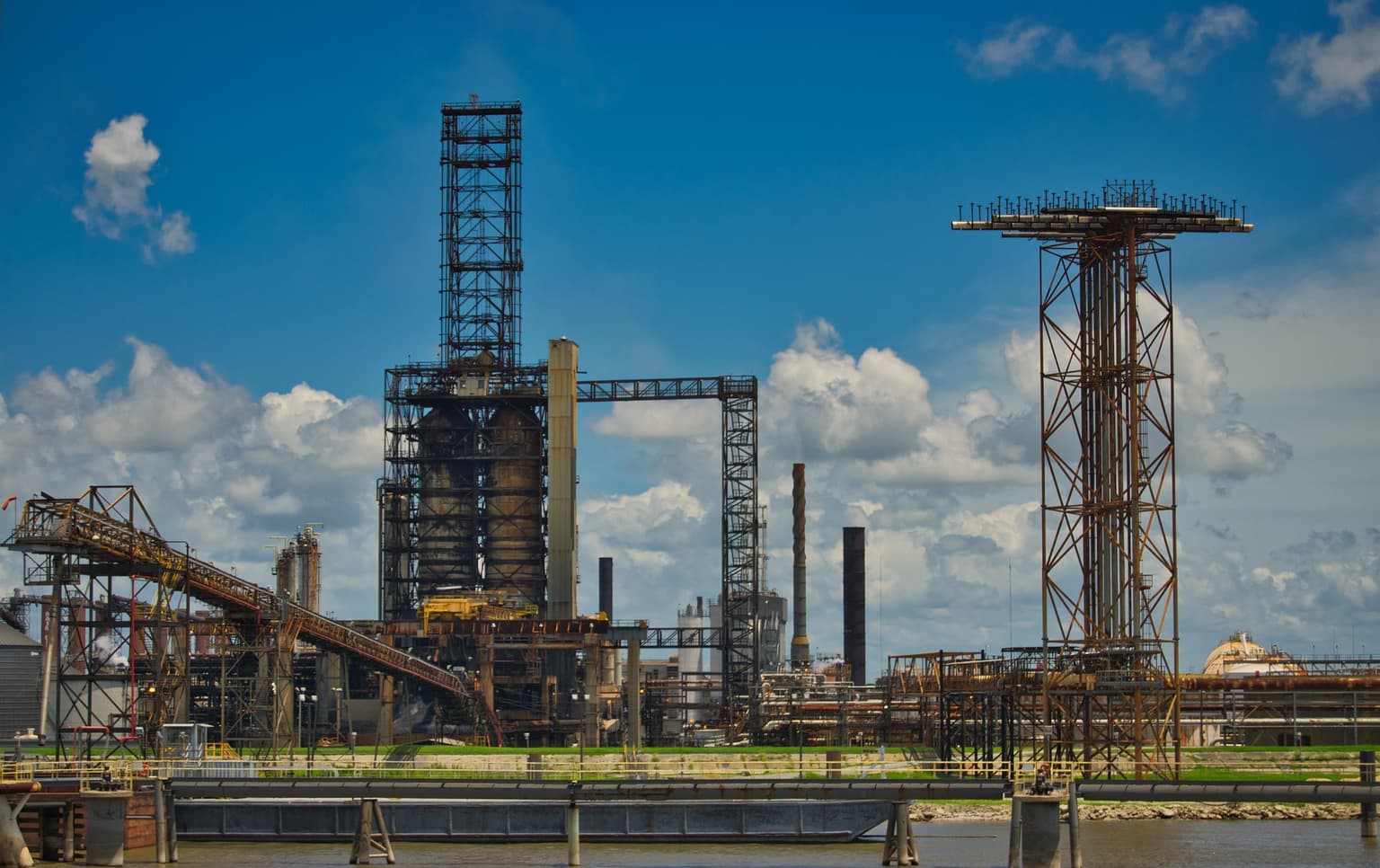
Russia's revenues from oil and oil product exports continued to fall after a sharp drop over the summer, even as crude oil export volumes rose. According to the International Energy Agency's (IEA) report, Russia's oil and oil product export revenues came to USD 13.35 billion in September, down from USD 13.58 billion in August. The main causes are a combination of ongoing Ukrainian drone attacks on Russian refineries, lower prices and sanctions-related restrictions. As a result, Moscow has significantly increased crude oil exports but has been unable to offset the decline in exports of refined products, which are key to profitability.
The IEA says Russia exported around 7.4 million barrels of oil and oil products per day in September, an increase of 210,000 barrels compared with August. Crude oil exports reached 5.1 million barrels per day, up by around half a million barrels per day from August and the highest level since May 2023.
Read the full article HERE.
4. Huge interest in Germany's storage auctions as awarded prices fall
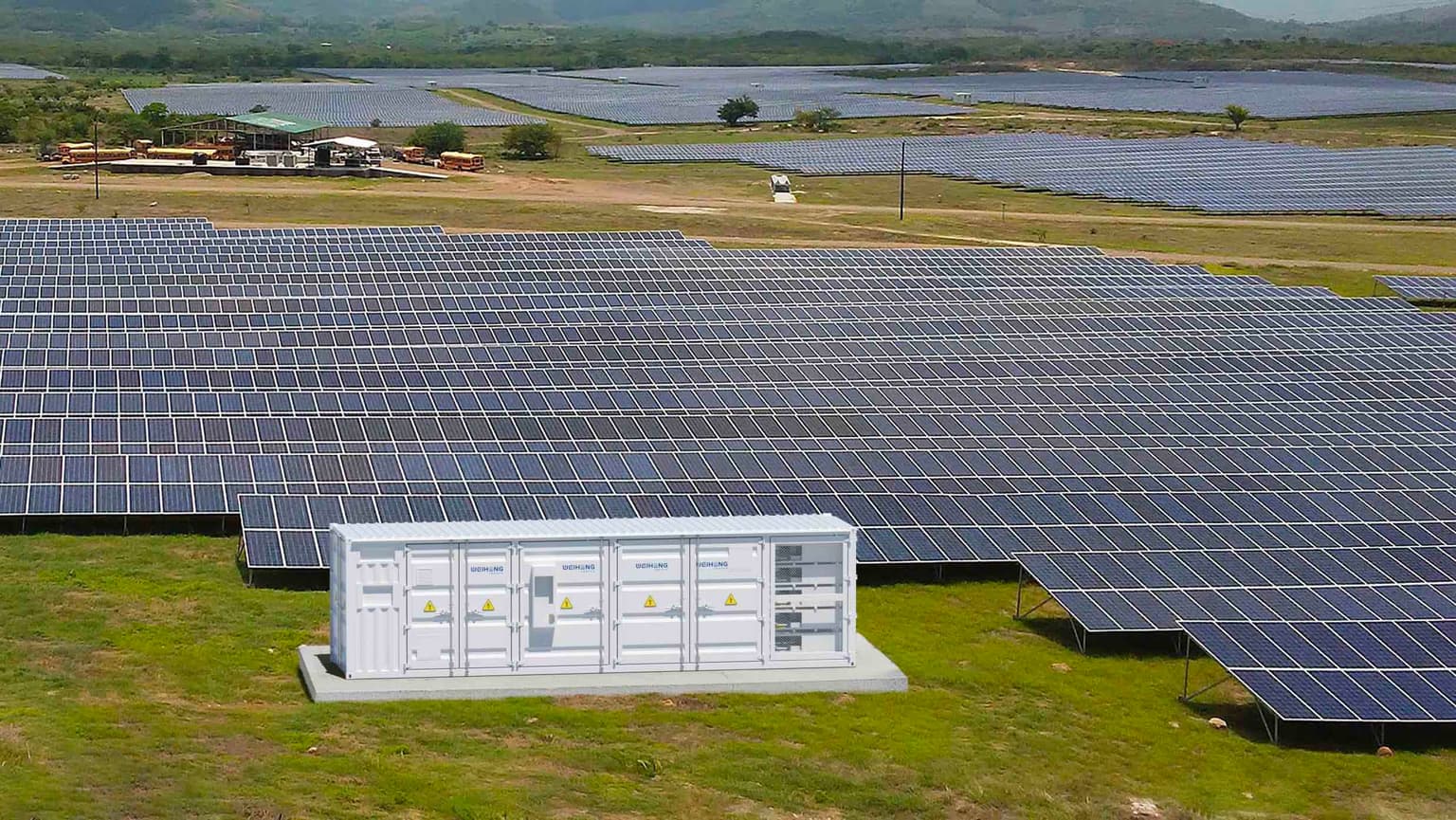
Germany held another round of innovative auctions at the beginning of last month, the second this year. In these auctions, developers of projects combining different renewable energy technologies or generation with storage compete for operating support. The second round this year once again attracted strong investor interest, with submitted projects totaling four times the volume on offer. Solar power plants paired with battery storage dominated the auction, as they traditionally do.
Germany has scheduled a number of auctions this year to support the development of renewable energy sources, including two rounds of so-called innovative auctions. Only projects combining different renewable technologies or generation with short-term storage can participate. For projects equipped with storage, these components must account for at least 25% of the system's total installed capacity and be capable of fully discharging within two hours.
Read the full article HERE.
5. North America's largest solar farm loses permit, future uncertain

The US Bureau of Land Management has revoked the permit for the Esmeralda 7 project, a solar farm in the Nevada desert that was planned to have an installed capacity of 6.2 GW. It is the latest move by the Trump administration against renewable energy projects, which the US president has repeatedly called a “hoax”.
The project was originally approved under the previous administration. It was to comprise a complex of seven solar farms and a battery storage facility. The project was spearheaded by NextEra Energy, the largest US renewable energy company. Several other companies were also to be involved, including Arevia Power, ConnectGen and Invenergy.
Read the full article HERE.
6. Boiler replacements have nearly stopped, with more than 100.000 banned boilers still in use

Boiler replacements have virtually ground to a halt ahead of this year's heating season. Demand for replacements has fallen by as much as 50 percent compared with last year. People are mainly replacing boilers that have reached the end of their service life. More than 100.000 boilers that no longer meet the new emissions standards therefore remain in use in households. Zdeněk Lyčka, president of the Association of Heating Technology Companies, told the Czech News Agency (ČTK) today. According to him, interest in boiler inspections was in line with previous years, with an estimated one in five boilers inspected and adjusted.
"People are mainly replacing boilers that have reached the end of their service life and could not be kept running for another heating season," Lyčka said.
Read the full article HERE.
7. Factory for nuclear microreactors to be built at the site of the original Manhattan Project

California-based Radiant will build its first nuclear microreactor manufacturing plant in Oak Ridge, Tennessee, at the site of the original Manhattan Project. Production of its portable Kaleidos reactors is due to begin in 2028, and the plant will bear the symbolic name R-50.
Radiant bought the site, which includes parts of the former K-27 and K-29 facilities, from the Oak Ridge Industrial Development Board. These buildings were originally part of the Manhattan Project, a US research and development programme during the Second World War aimed at creating the first atomic bomb.
Read the full article HERE.
8. German chancellor: I will do everything to scrap the ban on sales of combustion-engine cars

Following a long-awaited summit with representatives of the German automotive industry, Chancellor Friedrich Merz confirmed his intention to soften the planned EU ban on the sale of new petrol and diesel cars after 2035. Finance Minister Lars Klingbeil of the coalition partner SPD suggested that his party could ultimately support efforts to ease the regulation. Clean Energy Wire reported.
German Chancellor Friedrich Merz (CDU) promised representatives of the automotive industry that he would reverse the EU ban on the sale of new cars with combustion engines after 2035.
Read the full article HERE.
9. Italy to focus on grids and storage rather than renewable energy development
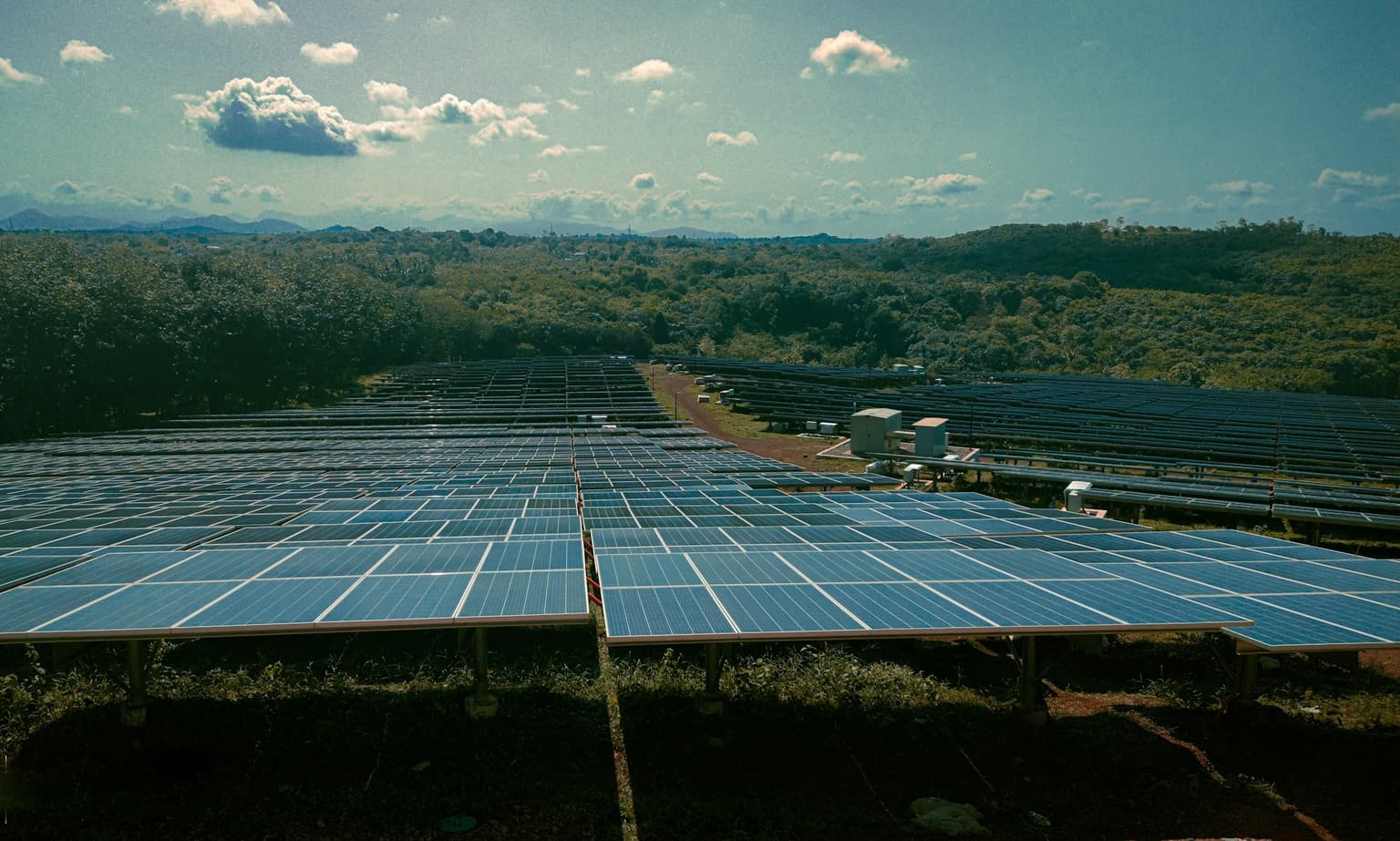
Modernising Italy's electricity grid and expanding energy storage facilities are more urgent priorities than expanding renewable energy sources. Parliamentary leader Luca Squeri told Montel that without adequate storage for surplus output from solar and wind farms, integrating renewables will remain problematic.
“We don't know what to do with electricity when renewable sources produce more than is consumed,” Squeri said.
The ruling Forza Italia party opposes relying exclusively on renewable energy and pursuing full electrification, particularly in heating and transport, and instead favours an energy transition based on technological neutrality, Squeri said on Wednesday evening.
Read the full article HERE.
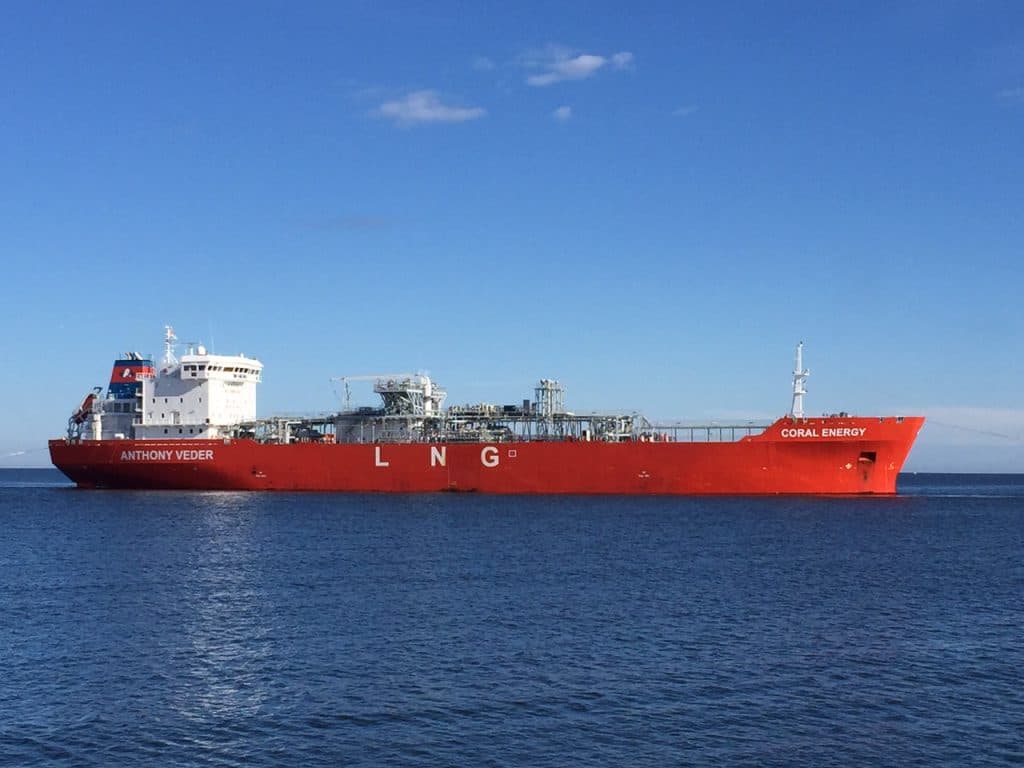
10. Europe on track for record US LNG imports this winter
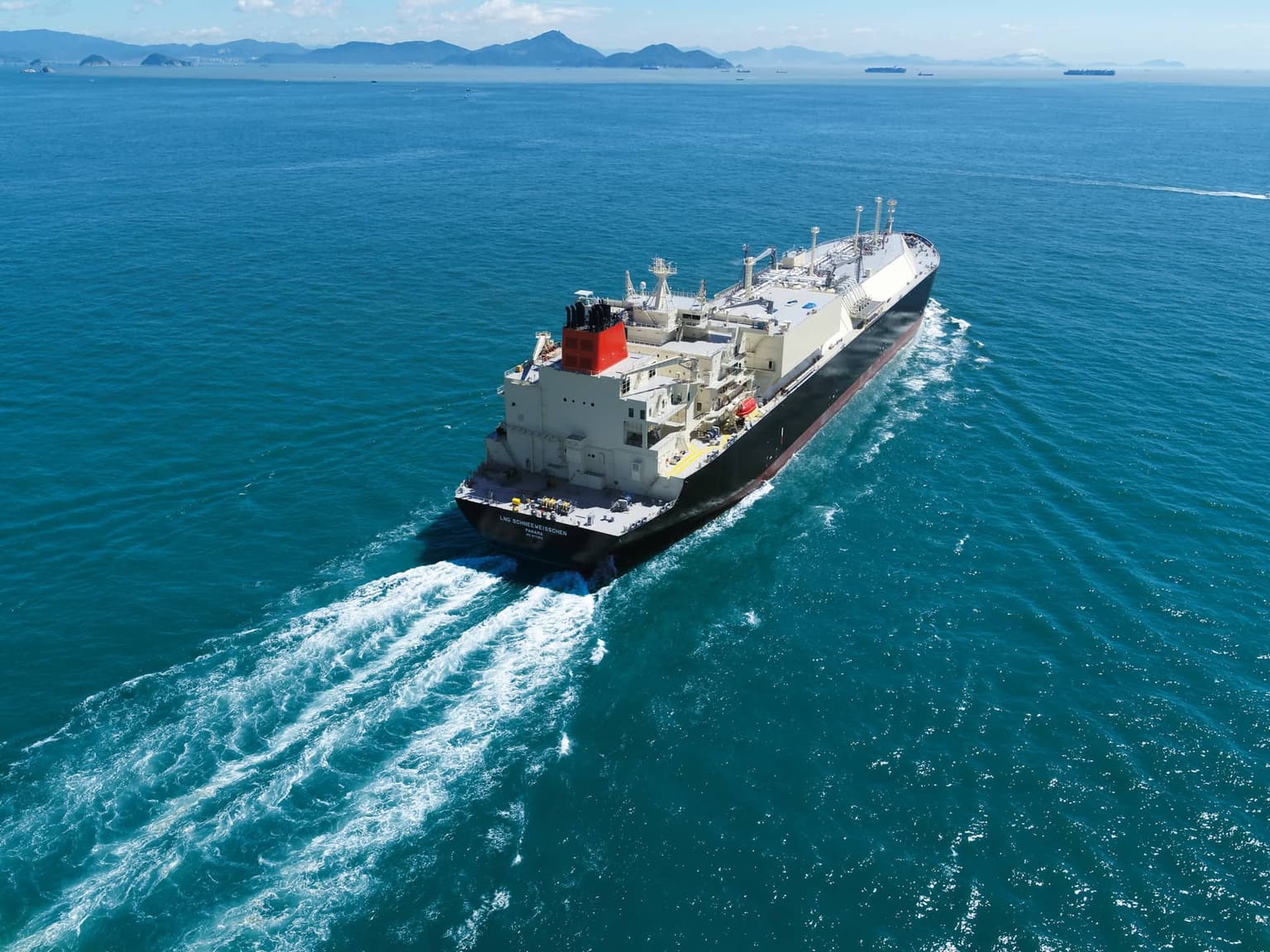
Europe is on track to reach a record volume of liquefied natural gas (LNG) imports from the US this winter, an analyst close to a US LNG exporter told the news outlet Montel. Weather and demand from Asia could still have a significant impact.
Last month, we reported that, according to the executive director of the International Energy Agency (IEA), the medium-term outlook for natural gas prices in the EU looks positive for the first time in a long while. This is partly thanks to LNG supplies from the US and Qatar, which are helping to replace lost Russian gas deliveries. These supplies reached 73 bn m³ last year and are expected to rise further as new export capacity comes online in the coming years.
Read the full article HERE.
Energostat: electricity generation in the Czech Republic
Data in this chart is also available in 15-minute resolution60min15min
Energostat: electricity generation in Germany
Data in this chart is also available in 15-minute resolution60min15min
Find more up-to-date charts and data on Energostat.
Translation disclaimer
This article is a machine translation of the Czech original and has not yet been fully reviewed. In case of any doubt, please refer to the Czech version.
Sdílejte článek prostřednictvím:
Topics:Energy Weekly
You might also like
26 October 2026, 19:59

26 October 2026, 14:24