Top 10 energy stories from the past week
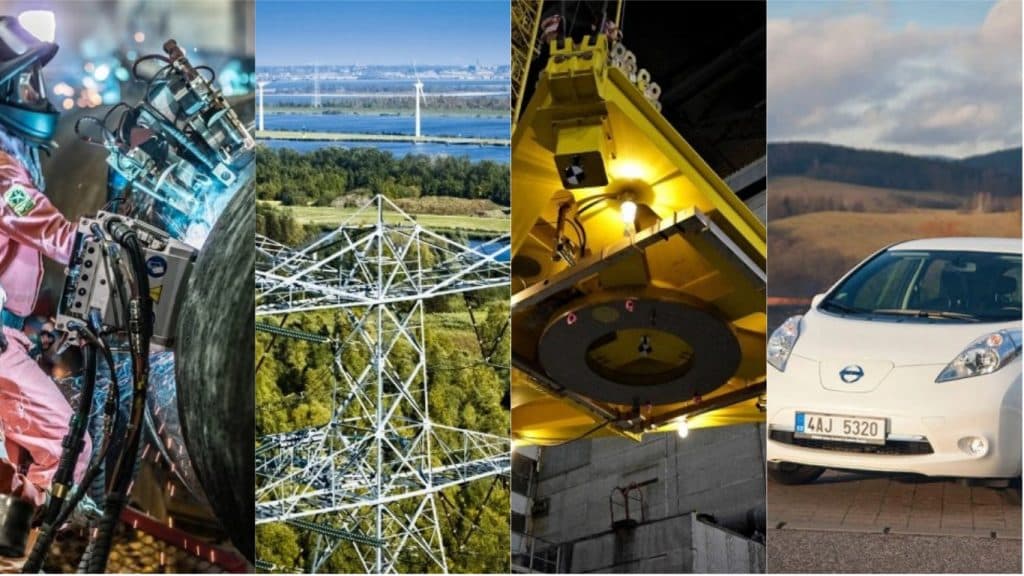
This week, we once again bring you a carefully selected list of the ten most important articles we published on oEnergetice.cz. If you missed any of them, here is a selection of the articles that attracted the most interest from our readers. Best of luck in the week ahead!
1. German states reject new rules for decarbonizing heating
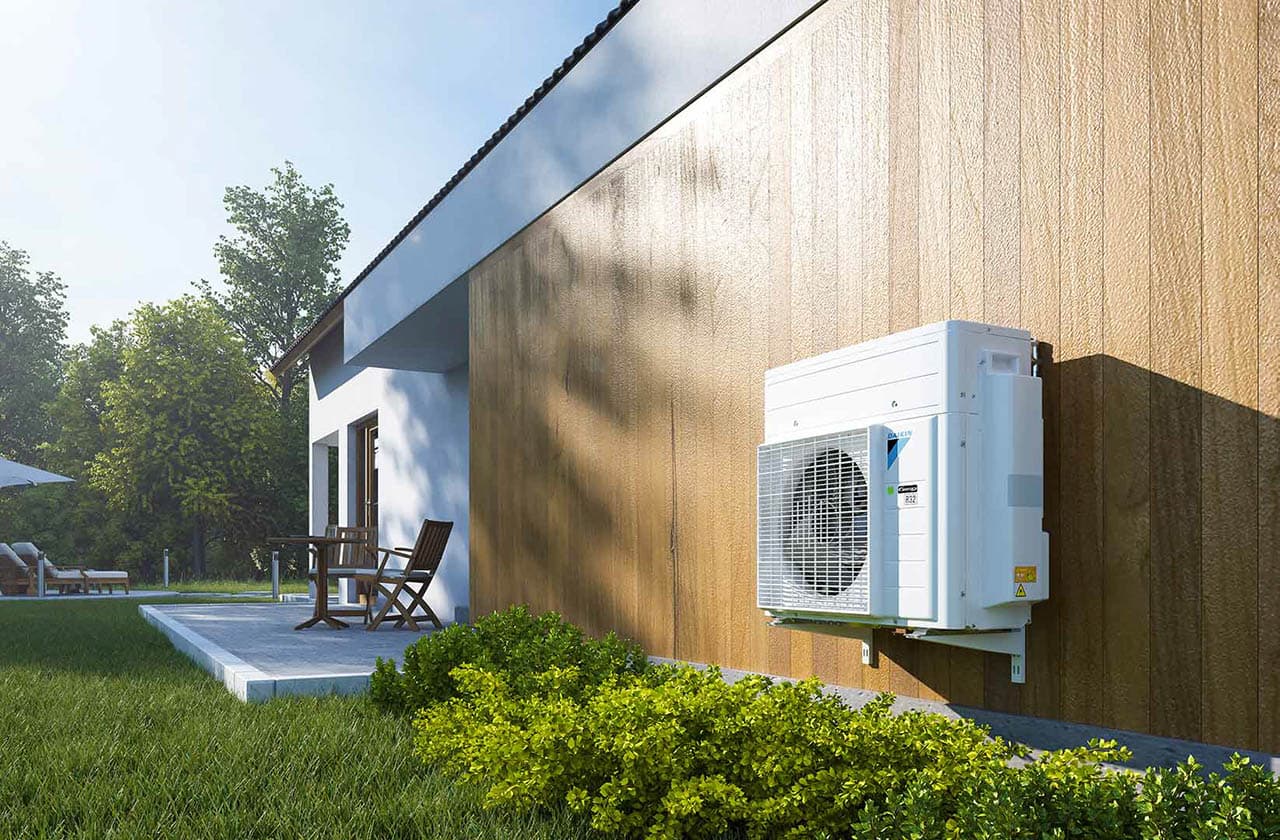
The debate over heating policy is intensifying in Germany. Several German states are opposing proposed changes to federal rules, which they say could slow the shift away from fossil fuels.
As reported by Clean Energy Wire, the dispute between the federal government and some of the states centers on a proposal to update Germany’s Building Modernisation Act. The proposal was recently put forward by the federal government.
Read the full article HERE.
2. German nuclear power plant Grohnde gets permit to dismantle reactor
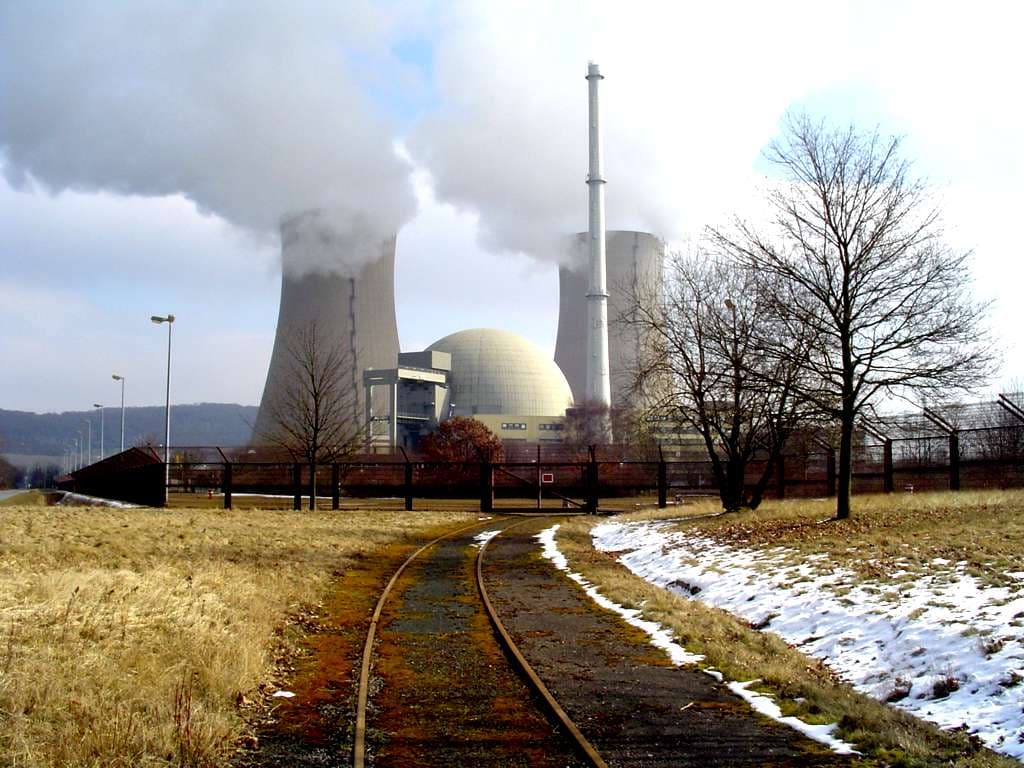
The dismantling of Germany’s Grohnde nuclear power plant can move on to its next phase. The plant has received the second and final permit from the Lower Saxony ministry for further dismantling, which also includes taking apart the nuclear reactor itself. The plant’s 1,430 MW pressurized water reactor generated electricity from 1984 to 2021. Technicians began dismantling work in 2024, and the entire process is expected to take 15 years.
PreussenElektra, the operator of Germany’s Grohnde nuclear power plant, announced that it had received the second and final permit to dismantle the facility from the Lower Saxony Ministry for the Environment, Energy and Climate Protection. The single-reactor plant stopped generating electricity in 2021. Over its operating life, it produced just under 400 TWh of electricity.
Read the full article HERE.
3. The energy trap of renting: landlords don’t take the risk, tenants pay
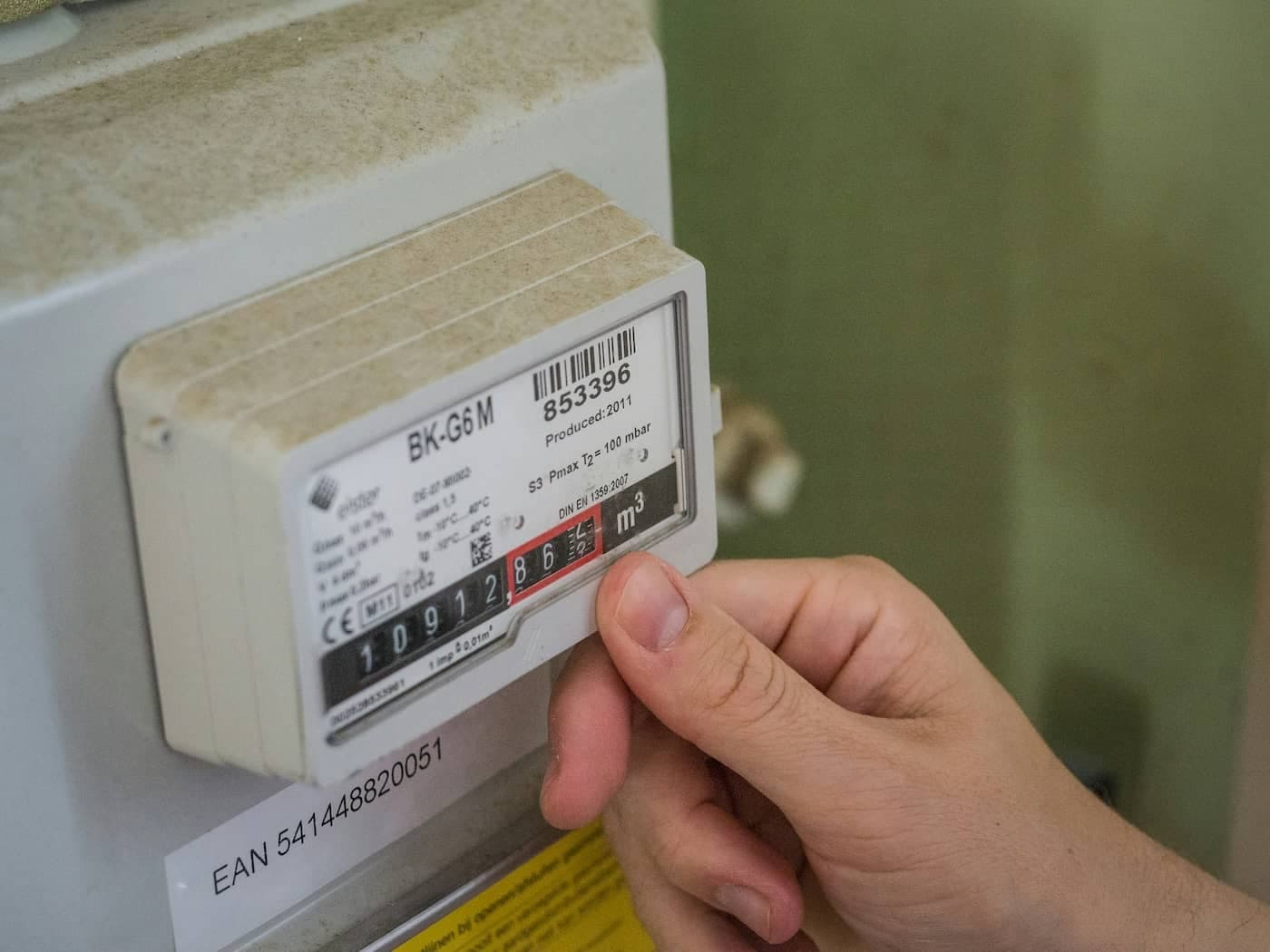
More than a third of households in advanced economies live in rented homes. This group is systematically shut out from the benefits of modern energy technologies—heat pumps, solar PV and quality insulation. A new study by the IEEFA (Institute for Energy Economics and Financial Analysis) for the Australian region provides a comprehensive analysis of the problem and shows that solutions exist, but they require regulation, not just goodwill.
At the heart of the problem is what is known as split incentives. The landlord has to invest in renovating the property, while the benefit in the form of lower energy bills goes entirely to the tenant. The landlord therefore has no direct financial incentive to invest in upgrades—and in practice, that is exactly what happens. The study shows that even offering free renovations failed to persuade landlords to act. This confirms that the issue is a systemic market failure rather than irrational behavior by individuals, making a systemic solution a suitable option.
Read the full article HERE.
4. Dukovany II faces permitting hurdles. Complaints are holding up construction of new units
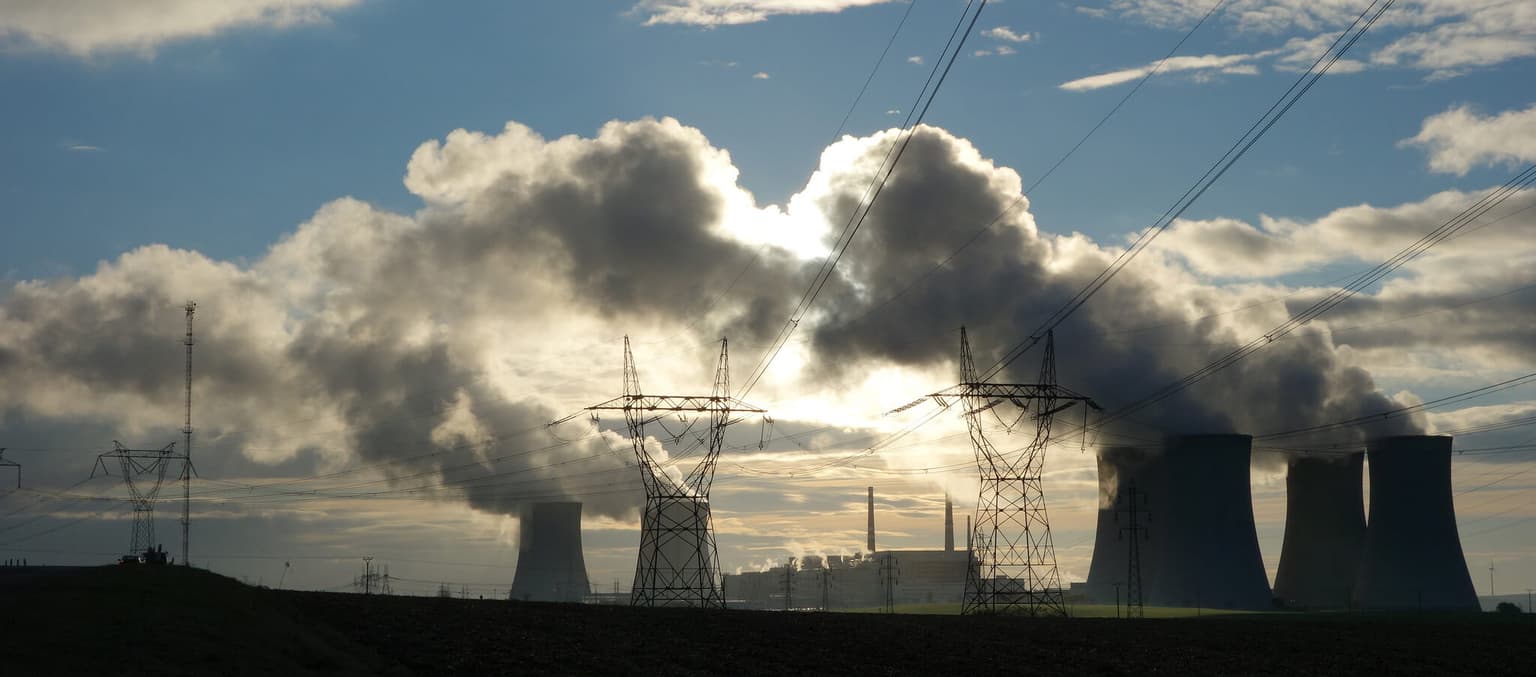
Permitting processes and challenges to them are the main near-term hurdles in preparing to build two new nuclear units at the Dukovany power plant in the Třebíč region. Petr Závodský, CEO of Elektrárna Dukovany II (EDU II), said this at the Jádro 2026 industry conference in Valeč, in the Třebíč region, today. He referred to a complaint against the issued zoning decision, filed with the Constitutional Court by a company that bought land needed for construction of the units and does not want to sell it. He said the company had not yet received the wording of the complaint. Preparations for construction are still on schedule, he said.
“We are firmly convinced that we will hand over the construction site facilities in 2029,” Závodský said.
Read the full article HERE.
5. Analysts welcome tariff changes: they will ease pressure on Czech energy sector and cut household bills
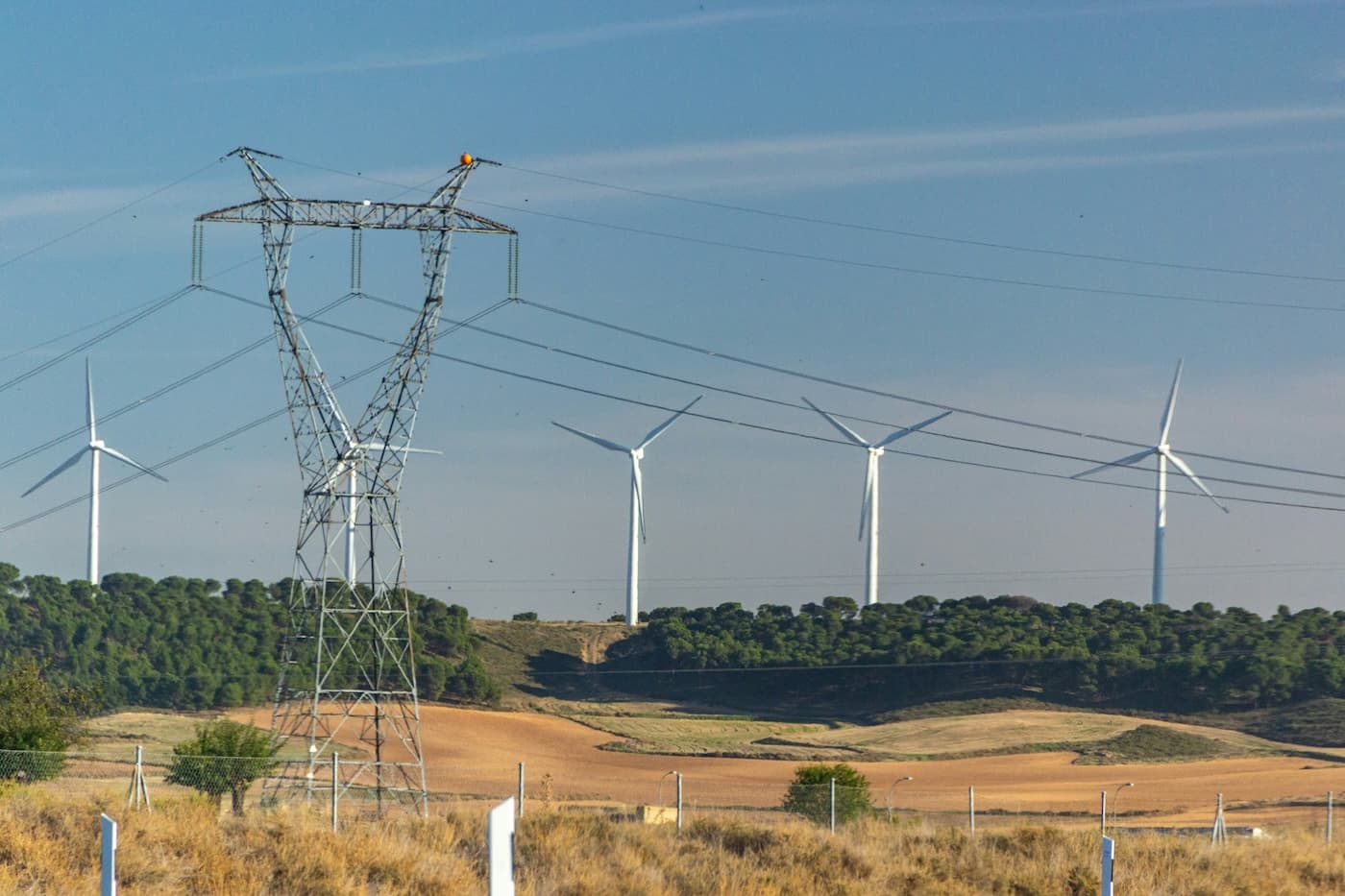
Planned changes to the tariff structure for high and very high voltage, which the Energy Regulatory Office (ERÚ) is preparing for next year, will benefit the Czech energy sector by freeing up some unused grid capacity. Households could also benefit in the future, as the measure should ease pressure on prices. Analysts contacted by the Czech News Agency (ČTK) said this. Some of them would propose further changes in the future.
From next year, ERÚ will adjust the tariff structure for both high voltage (HV) and very high voltage (VHV). The changes are intended to free up as much as 3,300 megawatts (MW) of grid capacity, equivalent to 15 percent of the systems’ capacity. The regulator expects the changes to limit unnecessary investment, which could reduce spending on regulated charges by up to three billion koruna a year in the future.
Read the full article HERE.
6. US jet fuel production nears record levels as EU prepares contingency plan
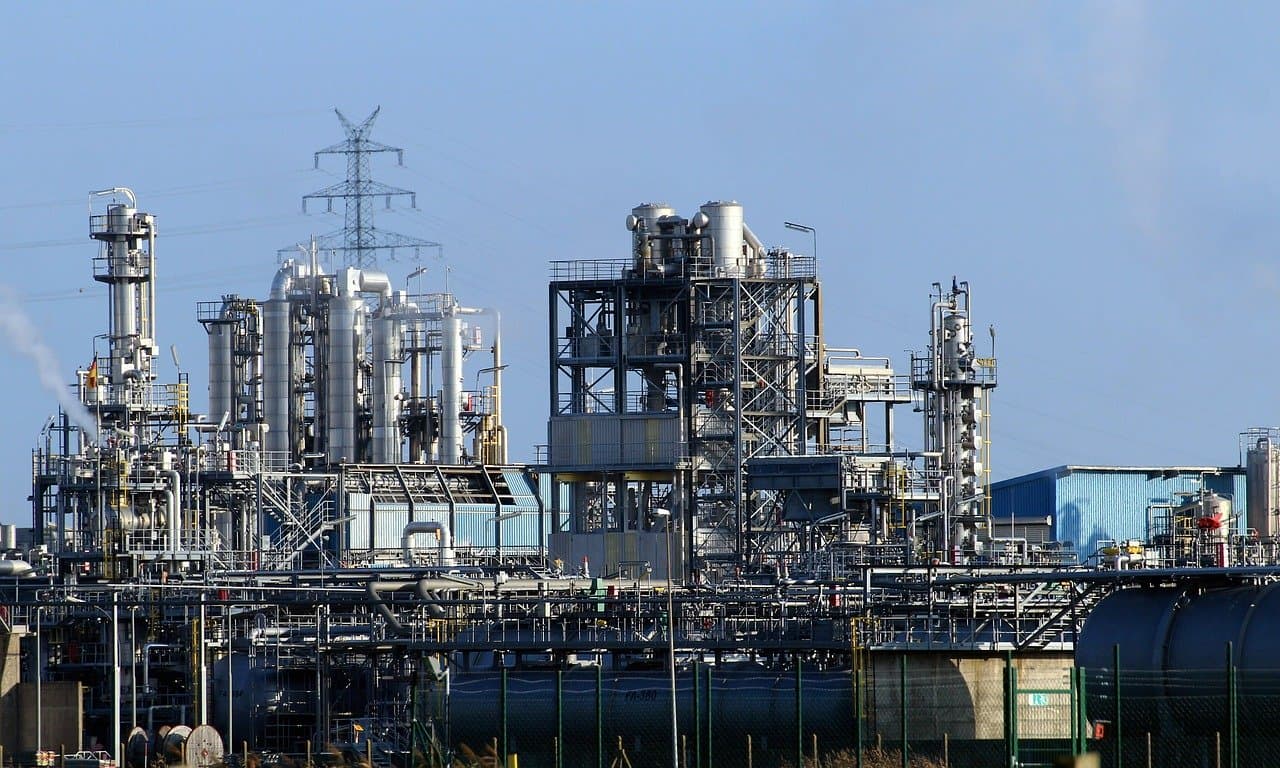
US refineries are currently producing jet fuel at levels close to the record set in July 2024. Jet fuel prices in the US have nevertheless surged since the outbreak of war in the Middle East, and according to the latest EIA outlook, they are expected to average $3.33 per gallon for the whole of this year. That is 74% higher than the agency’s estimate before the war broke out.
US jet fuel production has topped 2 million barrels per day in recent weeks, approaching the record output recorded in July 2024. As the international news service Argus reported, US jet fuel production has risen by nearly 290,000 barrels per day since the outbreak of war in the Middle East.
Read the full article HERE.
7. Emissions rules could threaten gas and oil supplies to EU, Norway warns
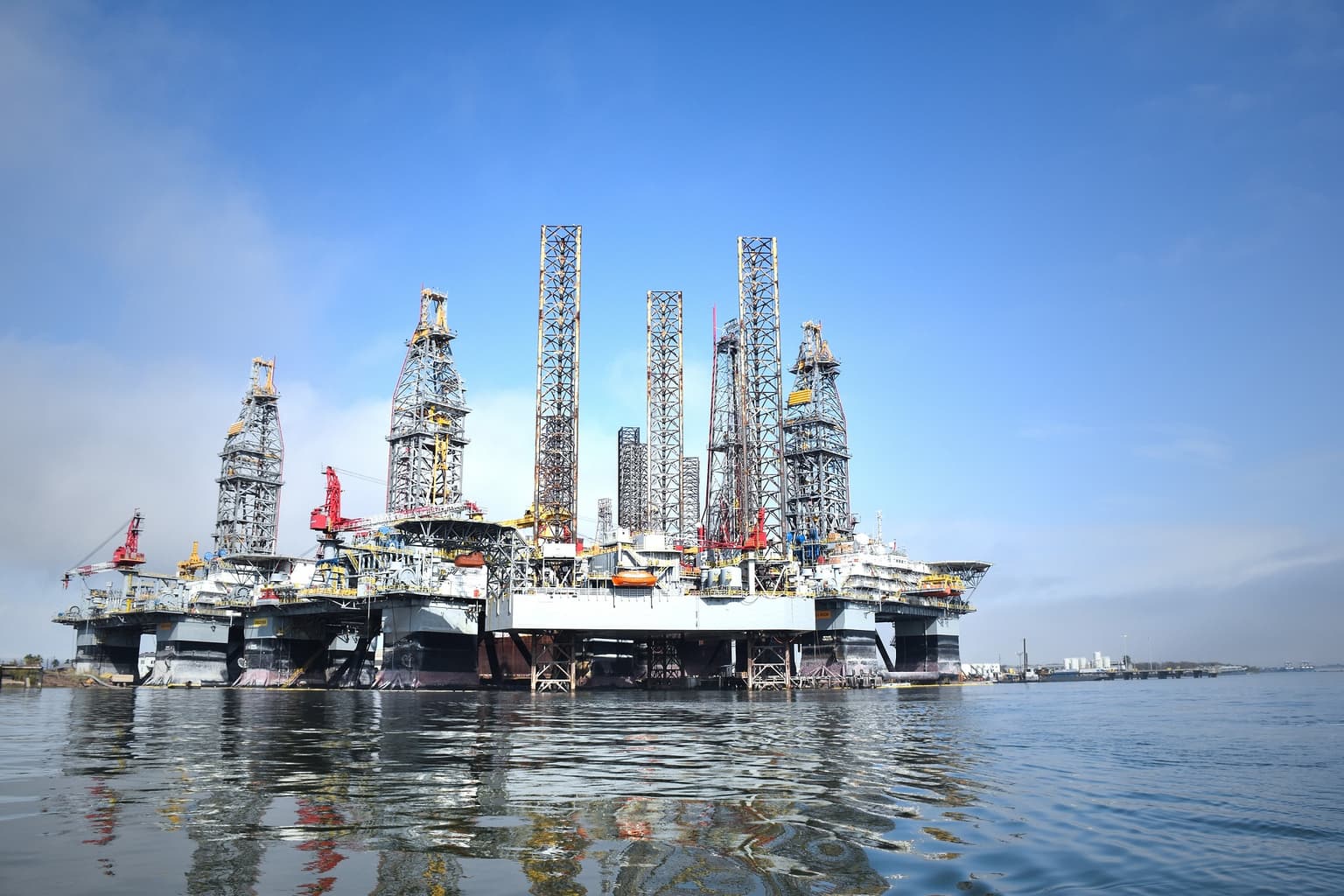
The Norwegian government has warned the European Commission that legislation regulating methane emissions could threaten oil and natural gas supplies. According to a document sent to the Commission last year, the rules could also paradoxically increase emissions from fossil fuel extraction in Norway. Following a sharp decline in Russian natural gas supplies in recent years, Norway has become the EU’s largest gas supplier.
The Methane Emissions Regulation aims to significantly reduce methane emissions in the energy sector, including across supply chains. However, the legislation is creating considerable uncertainty about future natural gas supplies to Europe, both through pipelines and in the form of liquefied natural gas (LNG).
Read the full article HERE.
8. Historic milestone: More than 100 GW of new battery storage commissioned for the first time in 2025
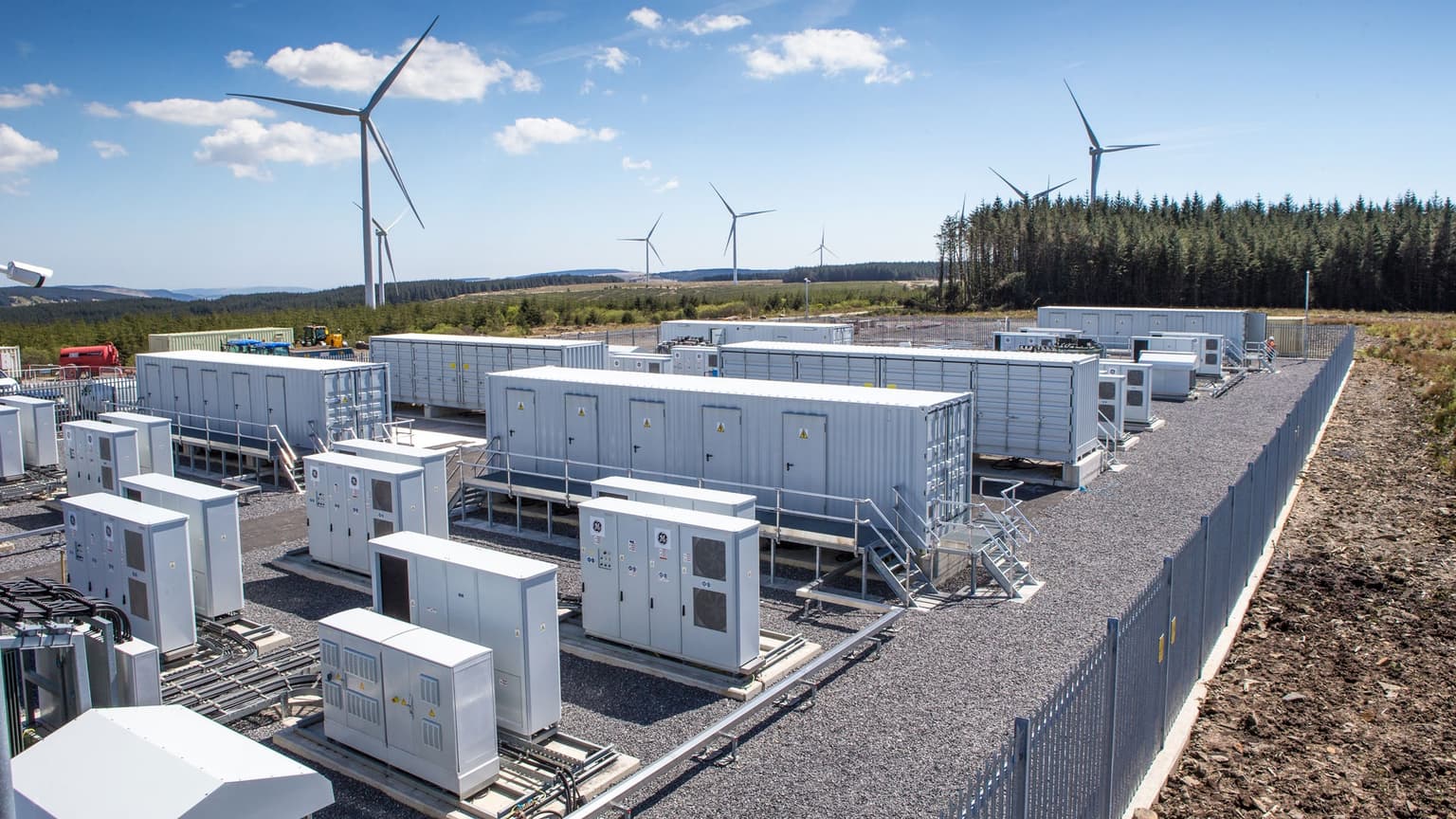
The global battery storage boom continued in 2025, when the 100 GW mark for newly commissioned capacity was surpassed for the first time. According to an analysis by BloombergNEF (BNEF) researchers, more than half of the new capacity was commissioned in China, followed by the United States with a 16% share.
Newly commissioned battery storage capacity reached 112 GW last year, a 48% year-on-year increase. The capacity of newly commissioned storage facilities totaled 307 GWh.
Read the full article HERE.
9. Coalition against costly carbon allowances grows: Hungary and Italy join Czechia
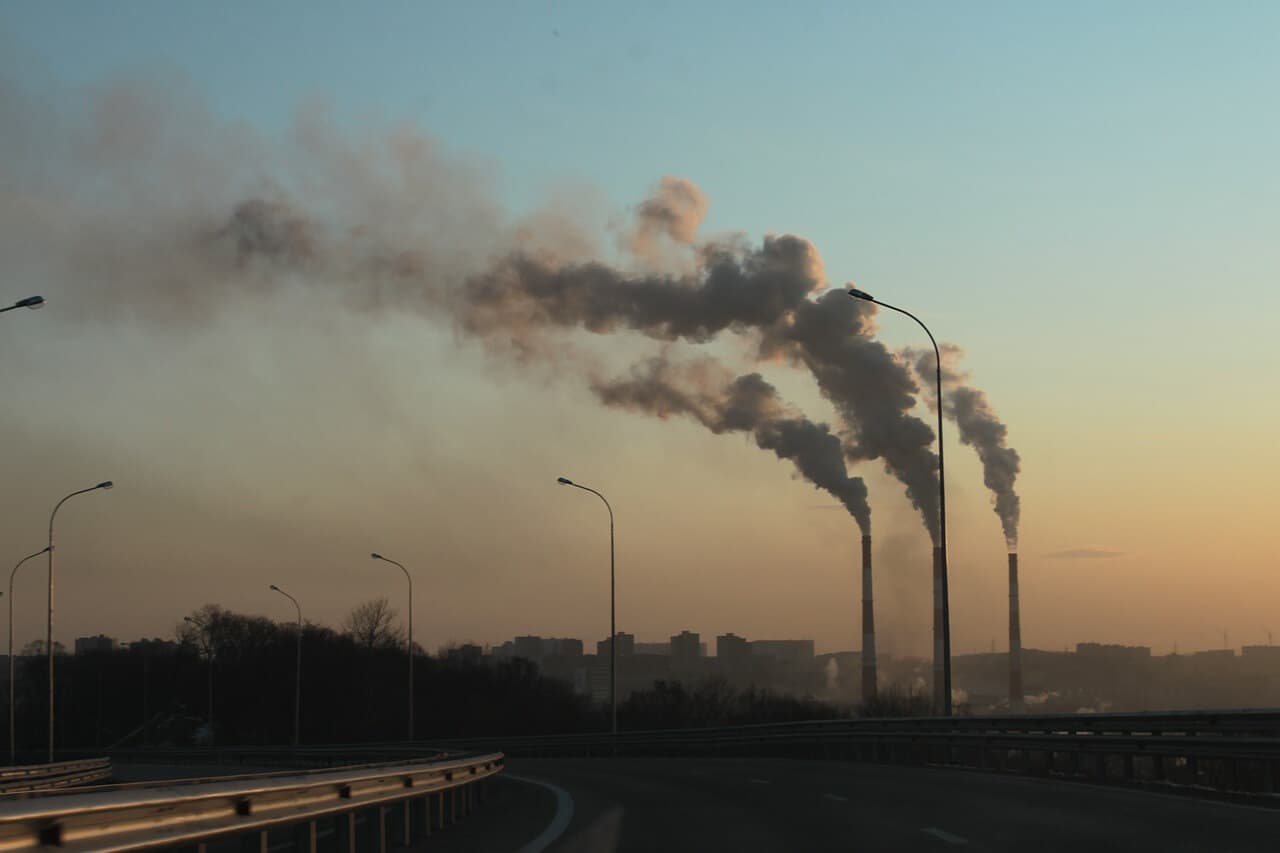
Brussels, May 28 (ČTK correspondent) — The Czech Republic has gained new allies in its efforts to protect heavy industry from carbon-related costs. According to Industry and Trade Minister Karel Havlíček, Hungary and Italy have now also backed the Czech initiative. Havlíček told reporters this today ahead of a meeting in Brussels. The two countries have joined five others which, together with Czechia, called in a so-called non-paper, among other things, for maintaining the current level of free allowances that enable industrial companies to emit under the EU ETS.
According to Minister Havlíček, the non-paper—a non-official document intended for discussion—clearly points to the need for much stronger support for energy-intensive sectors such as glassmaking, steelmaking, the chemical industry, cement production and foundries.
Read the full article HERE.
10. Gas storage fills slowly due to Hormuz disruption; more needs to be added than in previous years
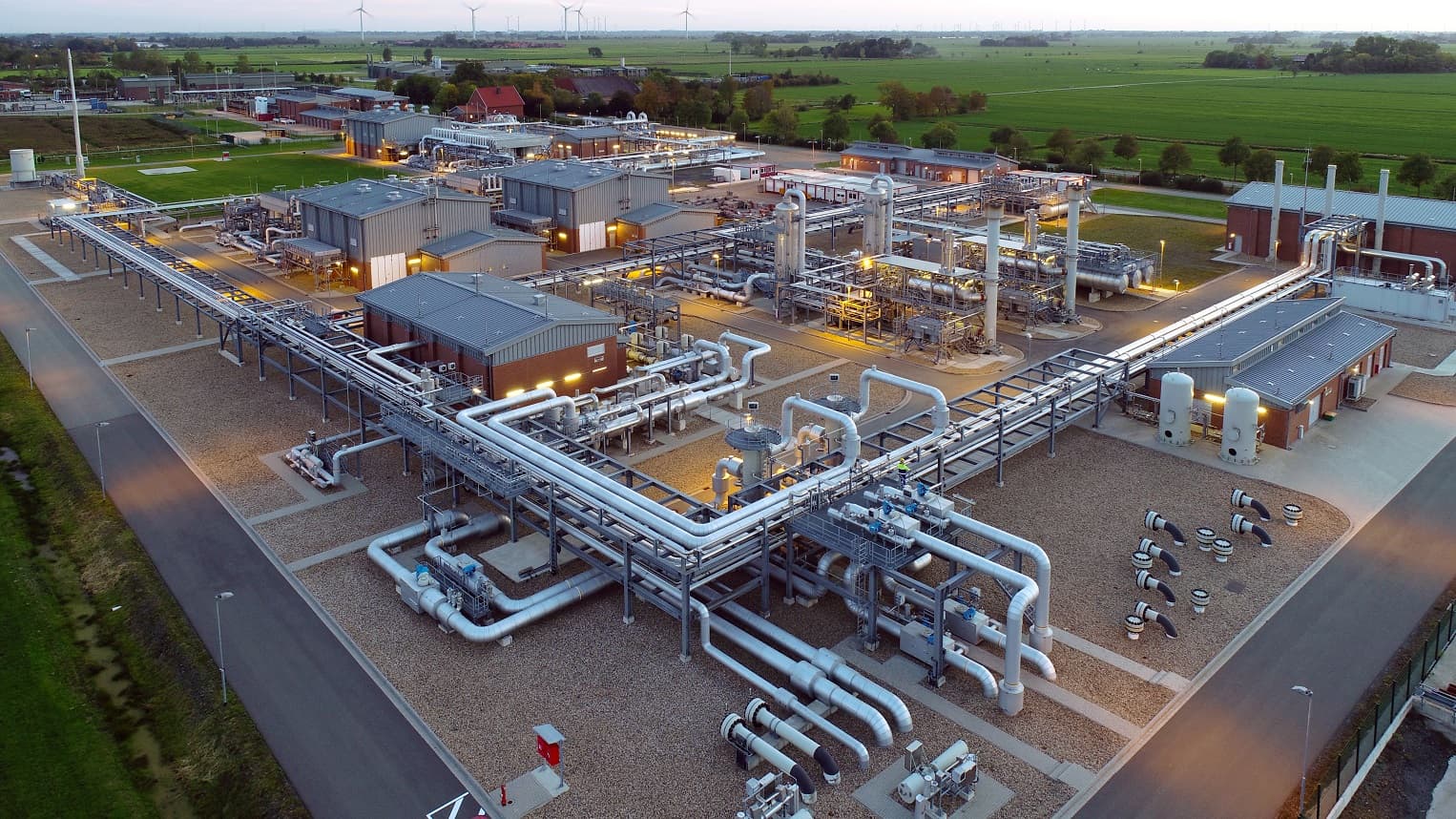
Europe’s gas storage facilities are significantly less full after the winter than in recent years, and replenishment is proceeding slowly so far. Storage is currently about 38% full, compared with 46% at the same time last year. The market is also being complicated by tight LNG supply and unfavorable forward prices, which are reducing traders’ incentive to store gas for the winter.
Europe is entering the main injection season with relatively low gas stocks. According to Energostat data, EU storage facilities were 37.7% full as of May 23. That is 8.2 percentage points below the same day last year and well below the historical average for this date of 50.1%.
Read the full article HERE.
Energostat: electricity generation in the Czech Republic
Energostat: electricity generation in Germany
Find more up-to-date charts and data on Energostat
Translation disclaimer
This article is a machine translation of the Czech original and has not yet been fully reviewed. In case of any doubt, please refer to the Czech version.