Top 10 energy stories from the past week
This week, we once again bring you a carefully selected list of the ten most important articles we published on oEnergetice.cz. If you missed any of them, here is a selection of the articles that attracted the most interest from our readers. Good luck in the new week!
1. Brent and WTI fall after ceasefire deal, oil market responds with relief
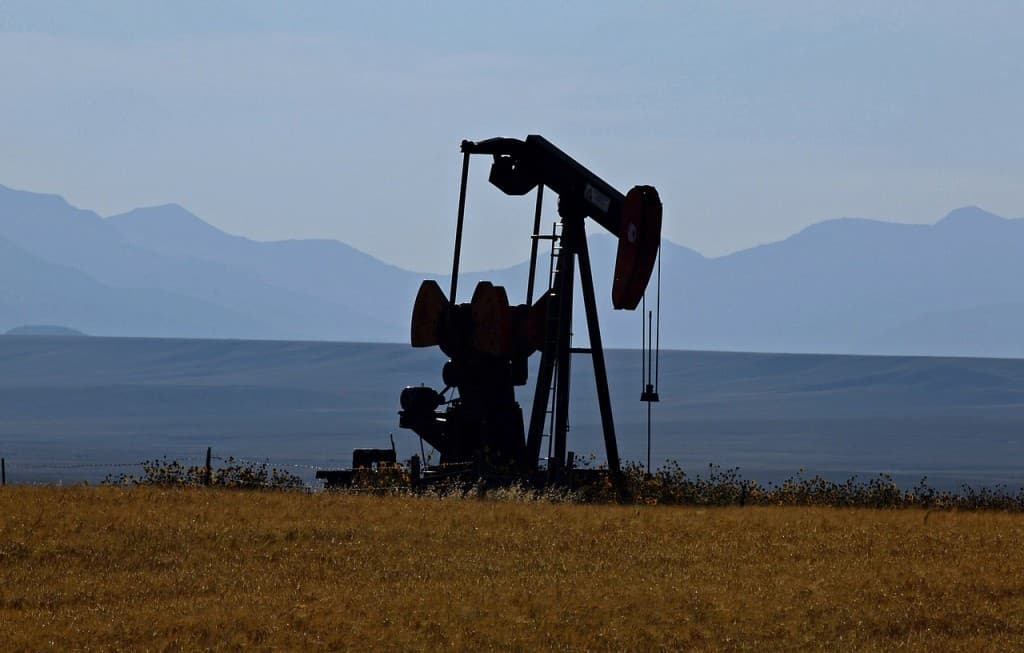
Oil prices are falling today after reports that Israel and Lebanon have agreed to extend their ceasefire. At around 13:30 CEST, North Sea Brent was down approximately 2.3 percent, trading close to 95.50 dollars per barrel. US light crude West Texas Intermediate (WTI) was down about 2.2 percent, falling below 94 USD per barrel.
The agreement to extend the ceasefire between Israel and Lebanon has raised hopes of reaching a broader peace deal that would end the Israeli-American war with Iran and allow shipping through the Strait of Hormuz to resume. Under normal circumstances, around a fifth of global oil supplies pass through the strait.
Read the full article HERE.
2. Czech solar plants have generated 18% of their electricity during negative-price hours so far this year
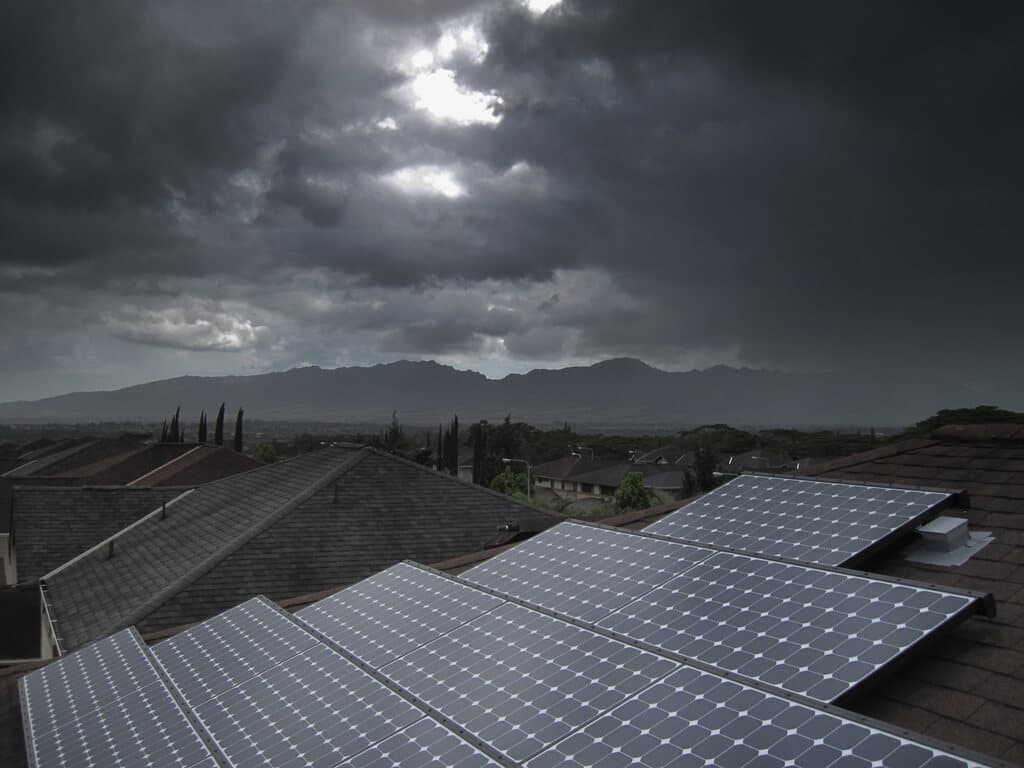
Czech solar plants generated 17.7% of their electricity during hours with negative prices in the first five months of this year. Including hours with zero prices, the share rises to 23.5% of generation. The data show that the cannibalization of photovoltaic revenues is moving from a purely theoretical concern into everyday operating reality. This will need to be taken into account if operating support for solar plants is reintroduced in the future.
According to data for the first five months of the year, Czech solar plants generated a total of 2.05 TWh of electricity. Of this, 362.6 GWh was generated when the day-ahead market price of electricity was negative. A further 117.4 GWh was generated at a zero price. Solar power sources therefore supplied a total of 480 GWh of electricity to the grid when the market price was zero or negative. If they sell their electricity exclusively on the day-ahead market, they would be selling it for free.
Read the full article HERE.
3. Nigeria LNG set for record expansion. Seventh train and three new tankers to boost global gas supplies
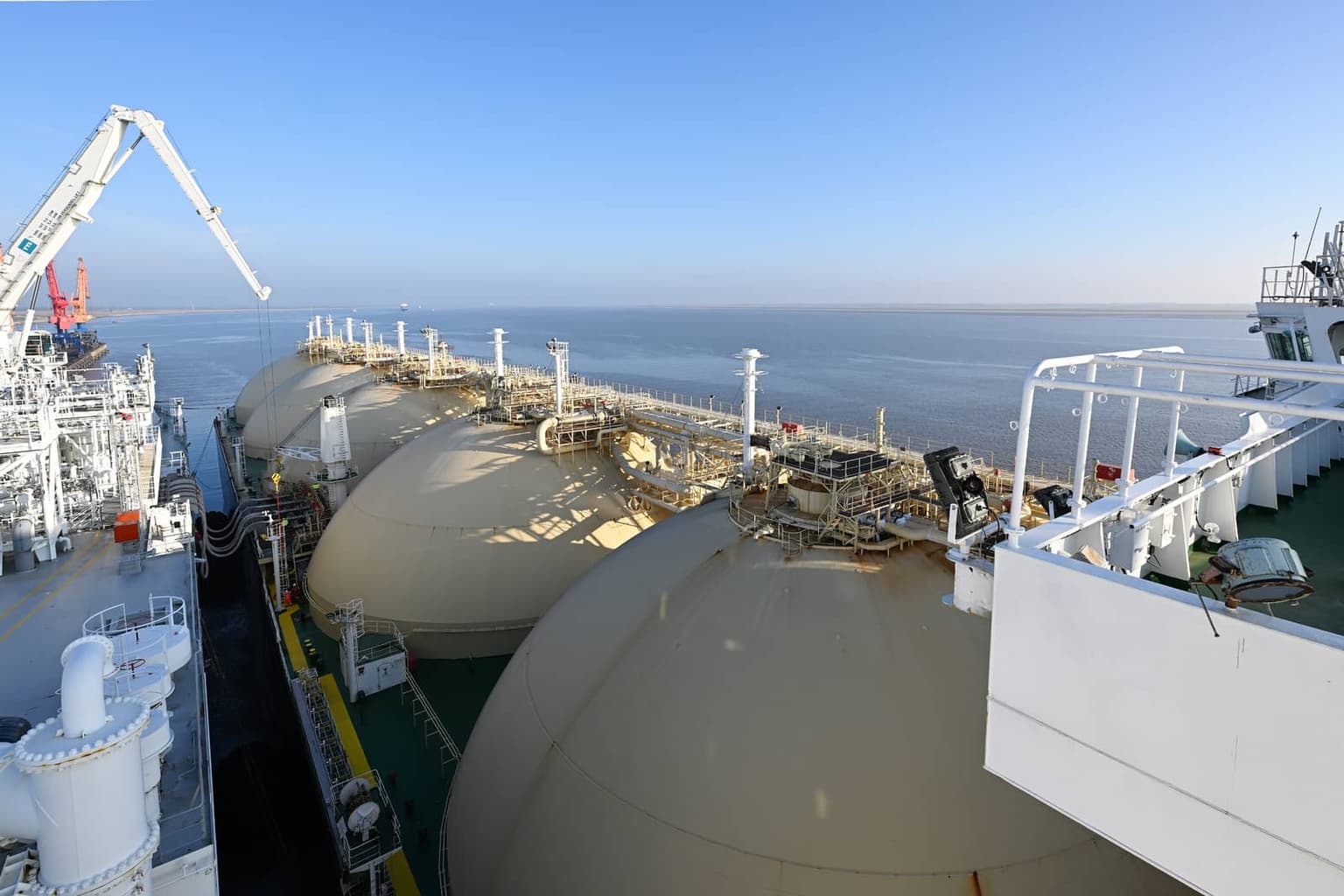
Nigerian liquefied natural gas exporter Nigeria LNG (NLNG) is undergoing the biggest expansion in its history. Completion of its seventh liquefaction train and orders for new vessels send a clear signal to markets. Africa is becoming an increasingly important player in the global energy landscape and is ready to help meet international demand.
NLNG’s flagship project, the sixth train at the Bonny LNG terminal, was 92% complete at the end of May 2026, with commissioning expected in 2027. This is a year behind the original schedule. The project, which reached a final investment decision in December 2019, will increase the total production capacity of the Bonny LNG plant by 35%, from 22 to 30 million metric tonnes per year.
Read the full article HERE.
4. Licensed BESS capacity in Czechia continues to grow rapidly, nearing 40 MW. Who has already received a license?
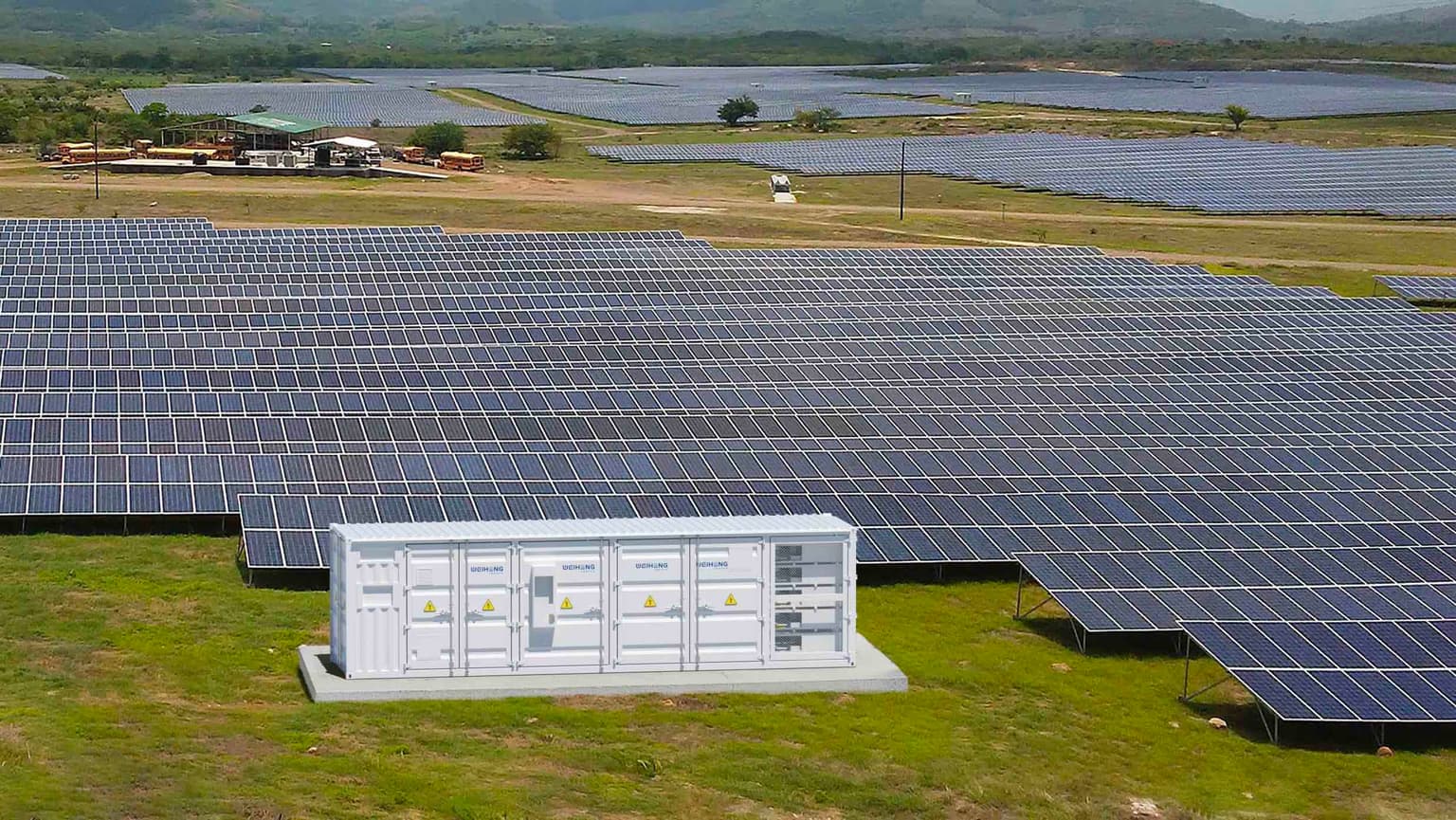
The Czech electricity storage market has quickly moved beyond a phase of merely announced plans to real projects in operation. According to new data from the Energy Regulatory Office (ERÚ), facilities with a total capacity of almost 40 MW already hold licenses to store electricity. A further 27 license applications are being processed, indicating that the first wave of larger BESS projects is only just gathering pace.
According to regulator data, as of early June there were nine active electricity storage licenses, with a total installed capacity of 39.7 MW. The largest newly licensed facility is EC Velká Bíteš, with a capacity of 12.45 MW. It is also the largest standalone battery to have received a license to date. The second-largest installation is BESS Vítkovice in Ostrava, with a capacity of 10.345 MW. Another major project has received a license in Kutná Hora: BESS Kutná Hora – Perštejnec, with a capacity of 4 MW.
Read the full article HERE.
5. Czech solar plants break records, generating more than 700 GWh of electricity in May
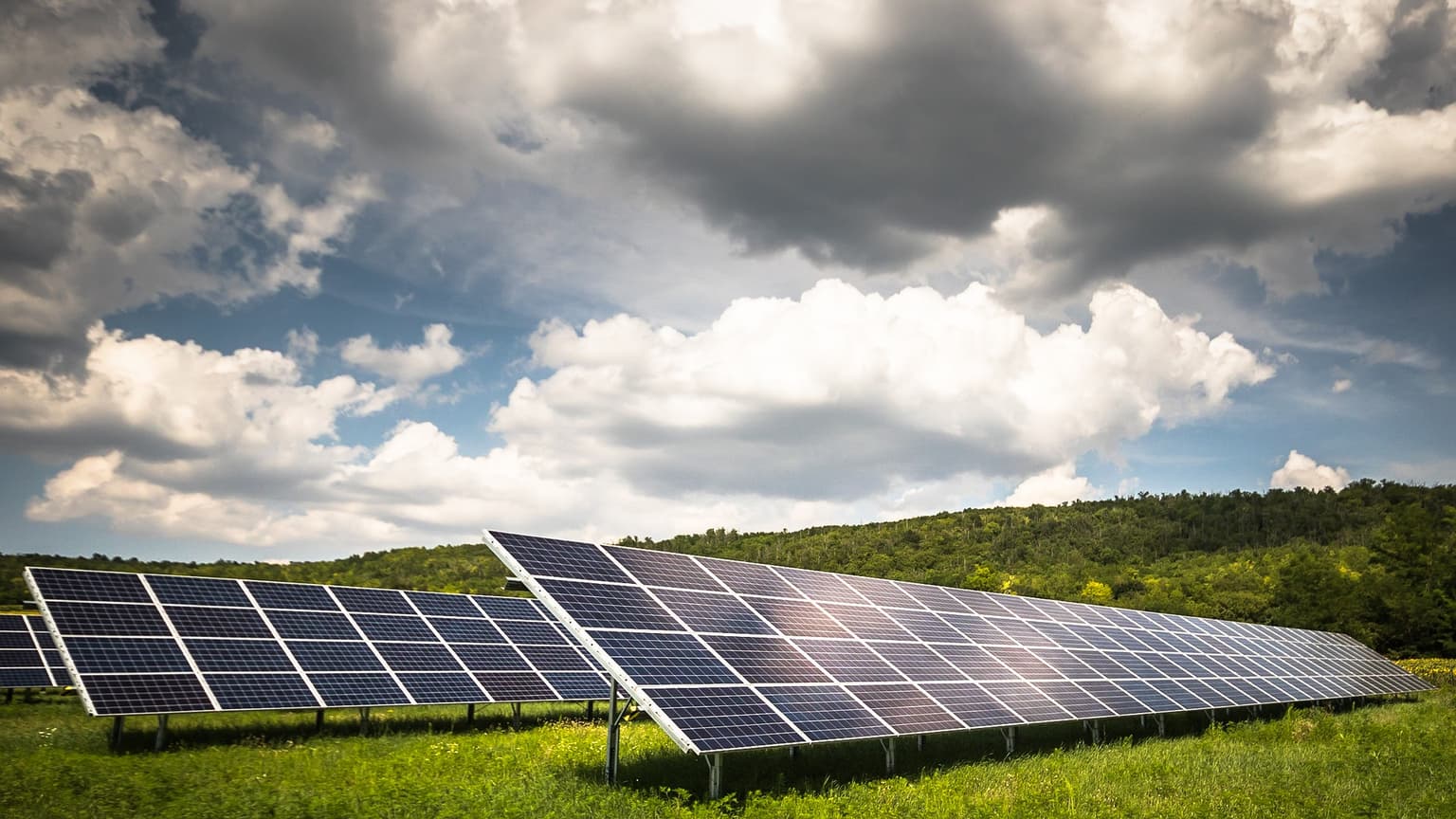
Solar plants in the Czech Republic have just had their strongest month on record. According to data published on Energostat, they supplied 701 GWh of electricity to the grid in May, beating the previous record, set in June 2025, by almost 50 GWh. Total electricity generation in the Czech Republic rose by just under 200 GWh year on year in May, while consumption remained virtually unchanged.
Electricity consumption in the Czech Republic reached 4.86 TWh in May, remaining virtually unchanged year on year. Compared with the unusually cold April, when electricity consumption rose by 4.3% year on year, it fell by around 300 GWh.
Read the full article HERE.
6. Rosatom completes first reactor for new floating power plant, which will supply Arctic mines
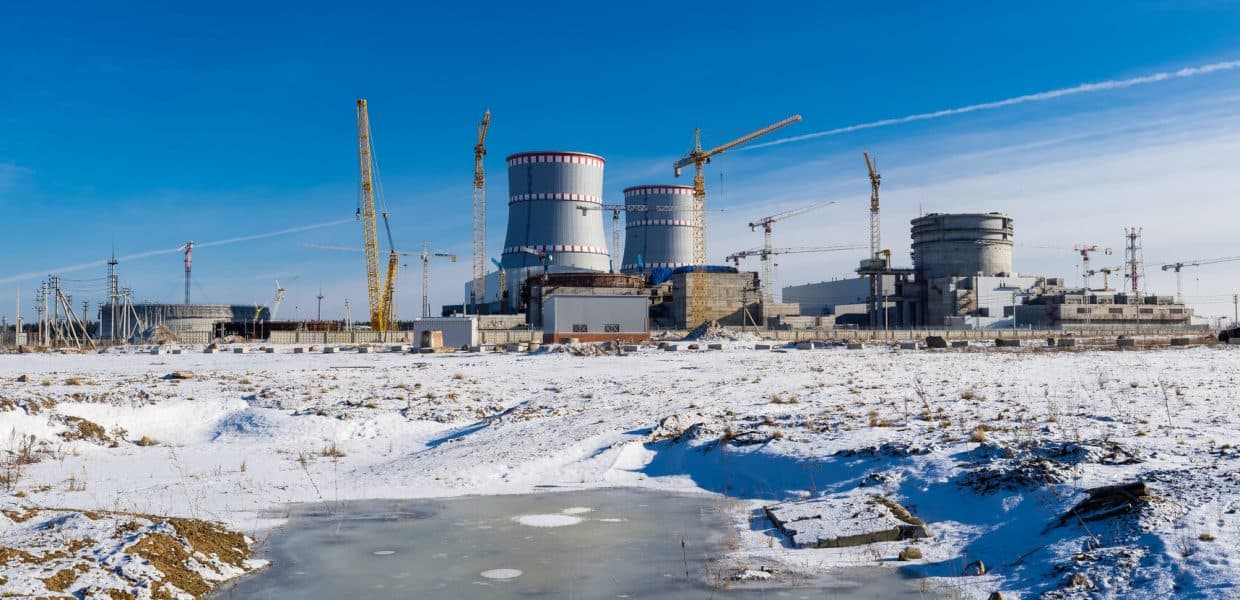
Russia has completed production of the first reactor for a new generation of floating nuclear power plants—facilities where nuclear reactors are not built on solid ground but are mounted on a special floating unit that can be towed to its destination. The 58-megawatt reactor was built at a plant near Moscow and will be one of two carried by the first new floating unit. It is intended to supply zero-emission electricity for copper mining in remote Arctic areas of Russia’s Far East. Russia remains the only country in the world to operate a floating nuclear power plant.
The reactor was manufactured by the engineering division of Russian state corporation Rosatom at the ZiO-Podolsk plant near Moscow. It is the first of two reactors that will be installed on the first of a planned fleet of new floating units. Four such units are planned in total, and together they will supply power to a large mining complex in Chukotka. According to Rosatom, this will be the first time industrial mining has been powered by electricity from a floating nuclear power plant.
Read the full article HERE.
7. German states unanimously oppose government plans to scrap subsidies for rooftop solar
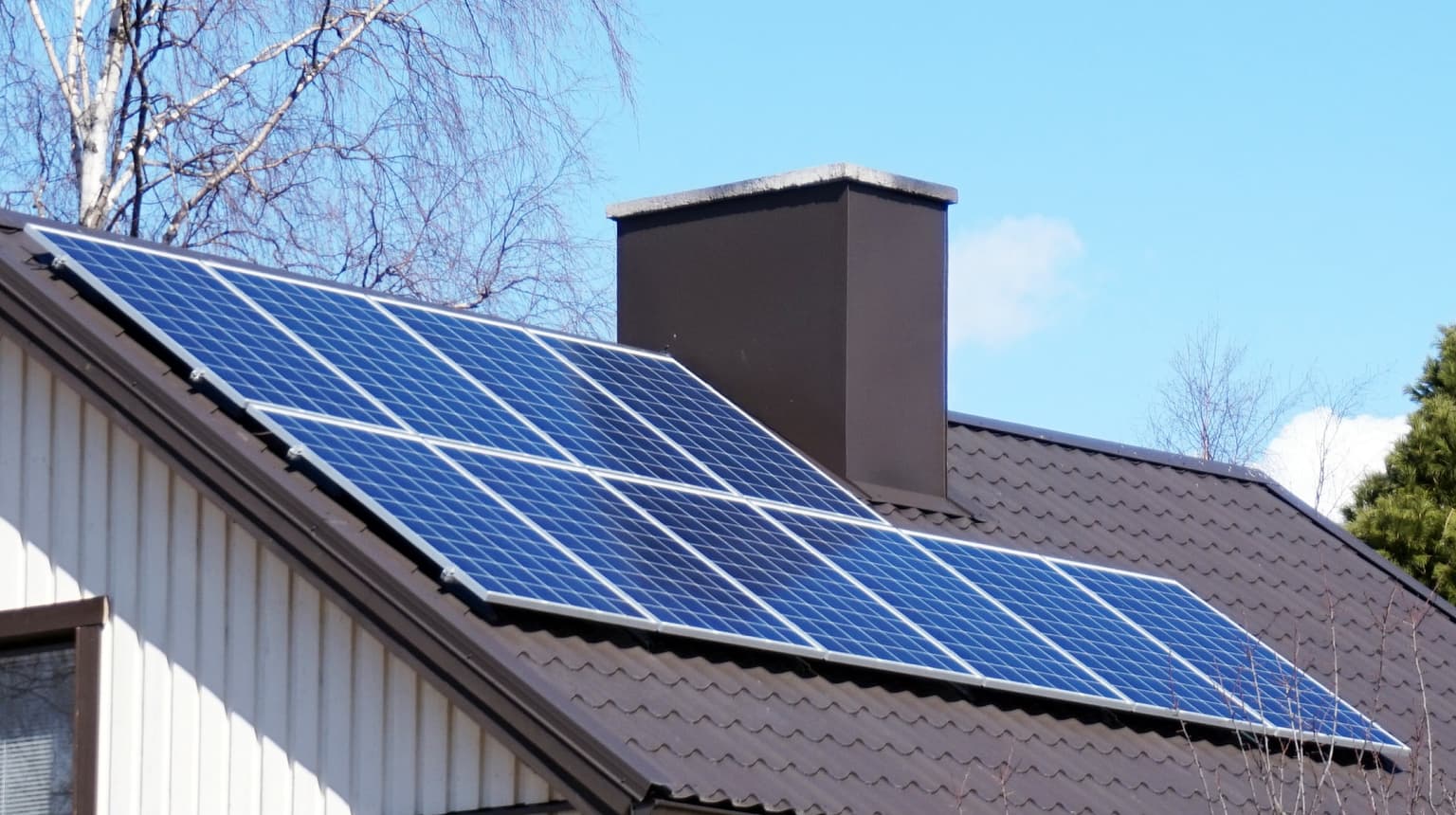
The energy ministers of all 16 German states have united in opposition to federal government plans to scale back support for rooftop solar. The German government is currently preparing a new proposal to amend the rules on renewable energy support, which is expected to be presented later this year. One of the key changes would be the scrapping of feed-in tariff support for small rooftop solar installations.
After several decades, Germany could end operating support for new small rooftop solar plants. Households would lose their entitlement to feed-in tariffs, which have long been a key instrument for supporting new generation sources. However, both industry associations and the regional governments of all German states oppose the plan.
Read the full article HERE.
8. Russia to build Kazakhstan’s first nuclear power plant, with Russian loan to cover most of the 16.5 billion dollars
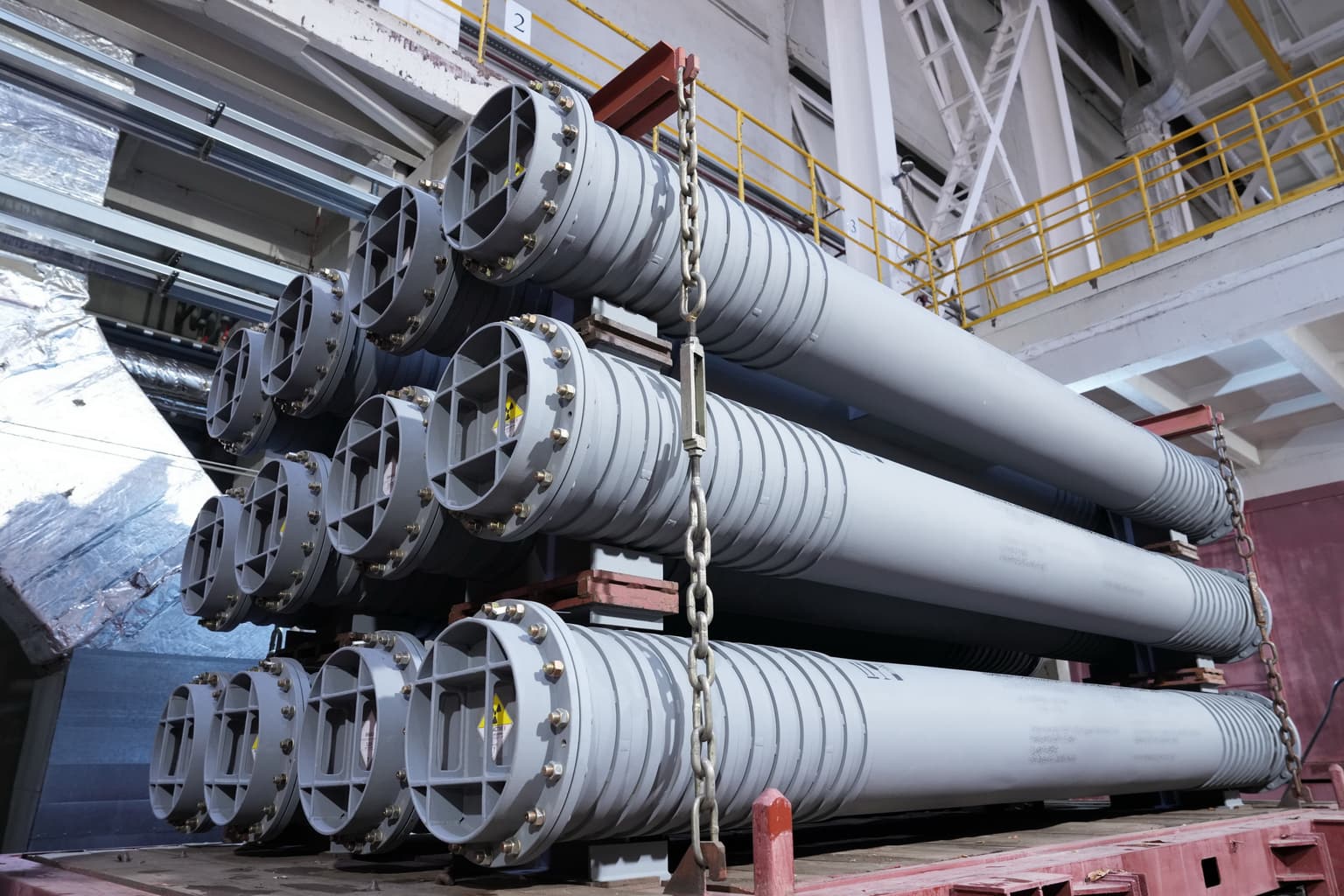
Russia and Kazakhstan have signed an intergovernmental agreement to build the first nuclear power plant on Kazakh territory. The two-unit plant, featuring Russian VVER-1200 reactors, will be built near Lake Balkhash and led by Russian state-owned company Rosatom. Construction is due to begin in 2027, with the first unit expected to enter service in the mid-2030s.
A substantial portion of the estimated cost of around 16.5 billion dollars (approximately 345 billion koruna) will be financed through a Russian state export loan. The documents were signed on 28 May during Russian President Vladimir Putin’s state visit to Kazakhstan.
Read the full article HERE.
9. Turkey proposes building a fuel pipeline for NATO’s eastern flank
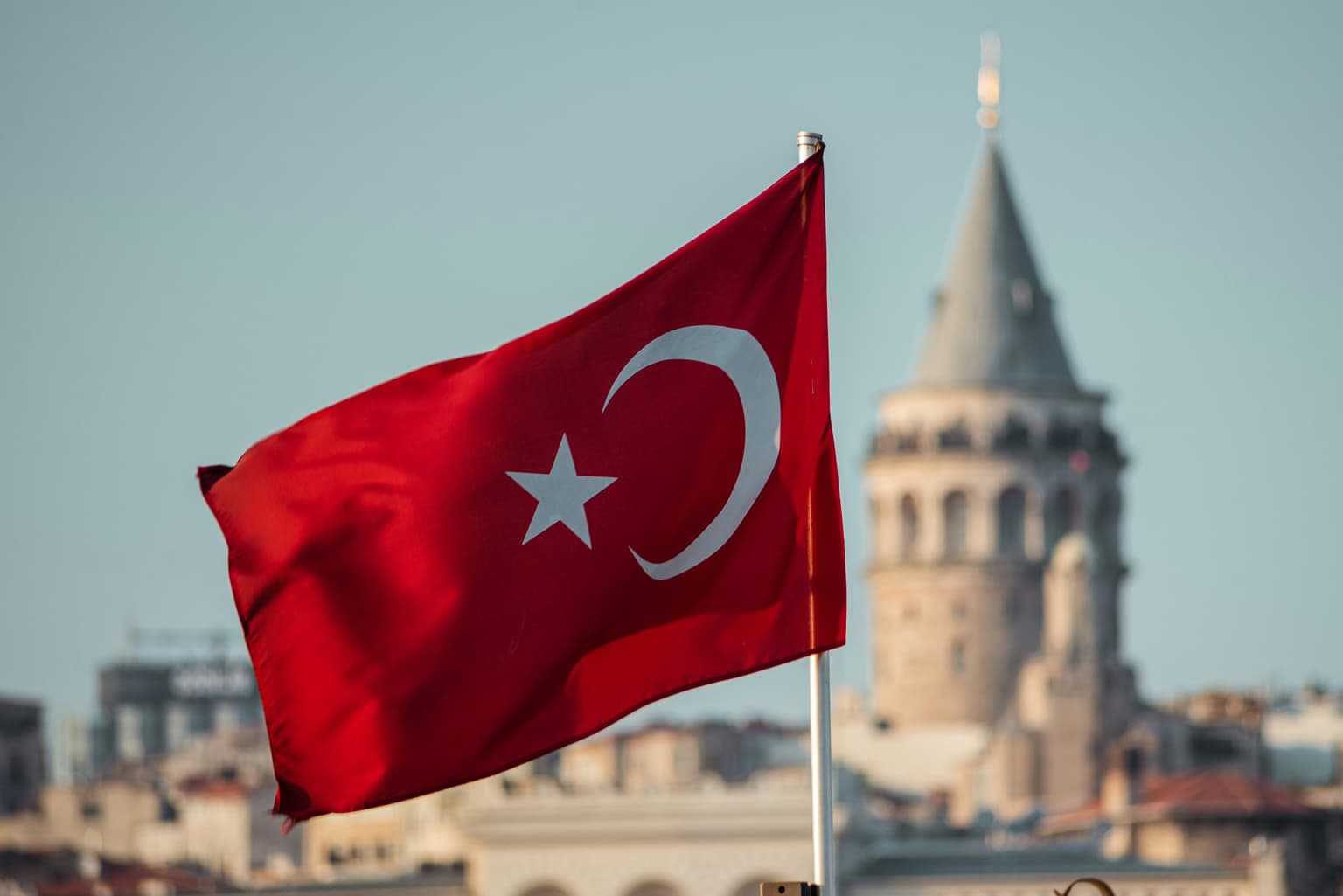
Turkey is offering NATO a cheaper way to get fuel to the Alliance’s eastern flank. A decision on building a military fuel pipeline to help meet allies’ energy needs could be made before the upcoming NATO summit in Ankara. Bloomberg reported.
NATO’s eastern flank refers to the Alliance’s strengthened military presence along its eastern border in response to Russian aggression. It consists of eight multinational battlegroups deployed in Poland, Lithuania, Latvia, Estonia, Slovakia, Hungary, Romania and Bulgaria.
Read the full article HERE.
10. Canada signs deal with Germany to supply LNG for 20 years
Canada wants to make the most of its unique position in the energy market. Against the backdrop of current geopolitical tensions between Europe and the US, it has reached a deal to sell liquefied natural gas (LNG) to Europe’s largest economy. Canadian Prime Minister Mark Carney is seeking to capitalize on the country’s extensive fossil fuel reserves and firmly establish it in the global energy commodities market.
German state-owned energy company SEFE recently agreed to buy one million tonnes of Canadian LNG per year for up to 20 years, with deliveries expected to begin around 2030. If the deal goes ahead, it will be the first collaboration of its kind between Germany and a Canadian LNG supplier.
Read the full article HERE.
Energostat: electricity generation in the Czech Republic
Energostat: electricity generation in Germany
Find more up-to-date charts and data on Energostat
Translation disclaimer
This article is a machine translation of the Czech original and has not yet been fully reviewed. In case of any doubt, please refer to the Czech version.