21 September 2026, 10:11
Loading...
Top 10 energy stories from the past week
oEnergetice.cz
20 September 2026, 18:56
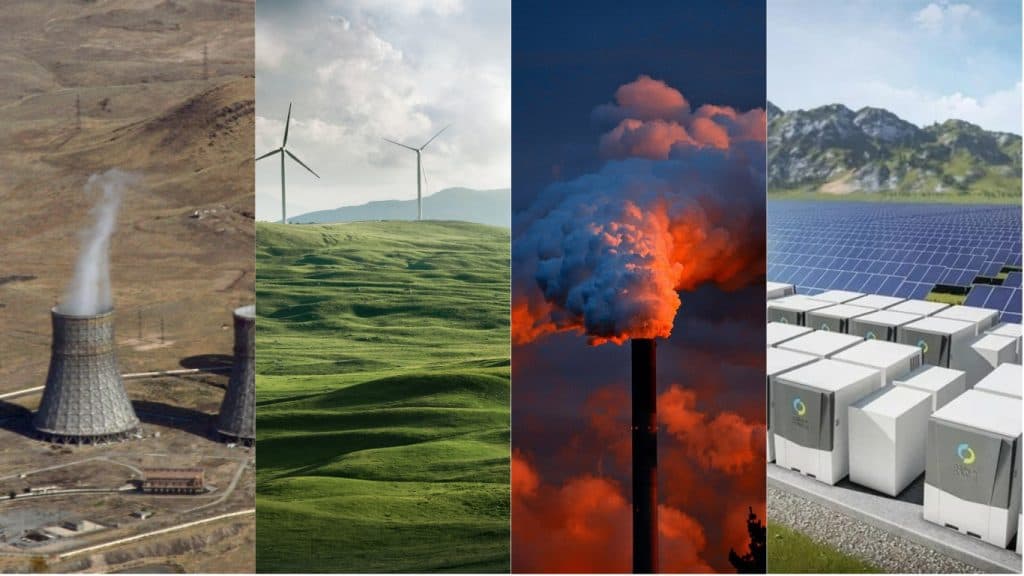
This week, we once again bring you a carefully selected list of the ten most important articles we published on oEnergetice.cz. If you missed any of them, here is a selection of the articles that attracted our readers the most. Good luck in the new week!
1. Giant rotating cylinder instead of a sail: Maersk tests a new route to lower shipping emissions

Maritime transport now accounts for around 80 % of global trade, but it also makes a significant contribution to global CO₂ emissions. With pressure to decarbonise mounting, shipping companies are looking for ways to reduce fuel consumption and emissions without having to wait for alternative fuels to become widespread. One of the most promising technologies is so-called wind-assisted propulsion. Danish shipping company Maersk, one of the world's largest container ship operators, plans to install this technology on its container ships as part of a pilot project.
Maersk has signed a contract to install the first modern-day “wind sail” on one of its container ships. With this move, the maritime industry is in effect returning to a proven technology of the past in order to reduce fuel consumption. However, there are few similarities between rotor sails and the traditional white sails suspended from masts.
Read the full article HERE.
2. The queue for gas turbines is growing: Manufacturing capacity is set to rise significantly by 2030
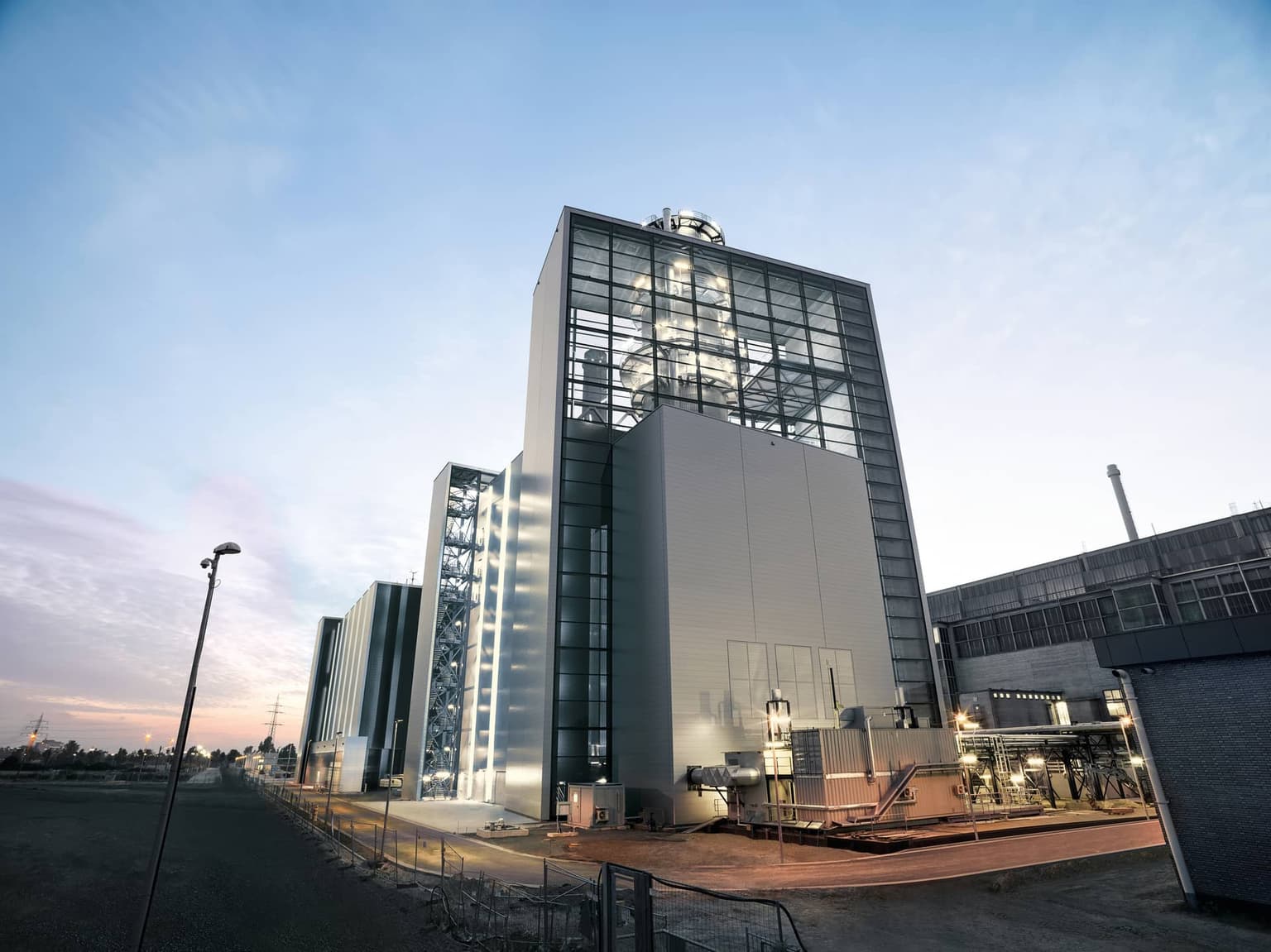
Global gas turbine manufacturers are expanding their plants, but demand driven by data centres, the replacement of older assets and demand for new dispatchable capacity remains exceptionally strong. For Czechia and Germany, this means a risk that approved mechanisms to support new dispatchable sources will create investment incentives but will not in themselves ensure the timely physical delivery of equipment.
Global gas turbine manufacturing capacity is expected to increase, according to BloombergNEF, from 67 GW in 2025 to 102 GW per year in 2030, an increase of more than half. Production expansion is taking place mainly at existing plants rather than through the construction of new factories.
Read the full article HERE.
3. Texas halts data centre grid connections, while Denmark is already facing a similar scenario

Projects with a combined capacity of 474 GW are waiting to connect to the Texas power grid, five times the state's peak demand. Most applications were filed by companies building data centres for artificial intelligence. In August, the governor therefore ordered connections to be suspended until it could be verified how many of them are actually viable. Denmark experienced similar pressure on its grid six months earlier, where the queue of applications even exceeded the country's total peak demand eightfold. The battle over who gets access to electricity is thus becoming as major an energy issue as artificial intelligence itself.
According to the September edition of the Short-Term Energy Outlook, published by the analytical agency of the US Department of Energy (EIA) in early September, electricity consumption in the West South Central region, which includes Texas as well as Oklahoma, Arkansas and Louisiana, will rise to 761 TWh in 2026 and 790 TWh in 2027. This represents a reduction of 0.5 % and 4.7 %, respectively, compared with the August forecast. Nevertheless, this region is expected to account for the largest share of total growth in US electricity sales of any region. The EIA directly links the lower forecast to the suspension of new data centre connections to the Texas grid.
Read the full article HERE.
4. German companies prepare for potential gas supply problems as stocks hit a 15-year low
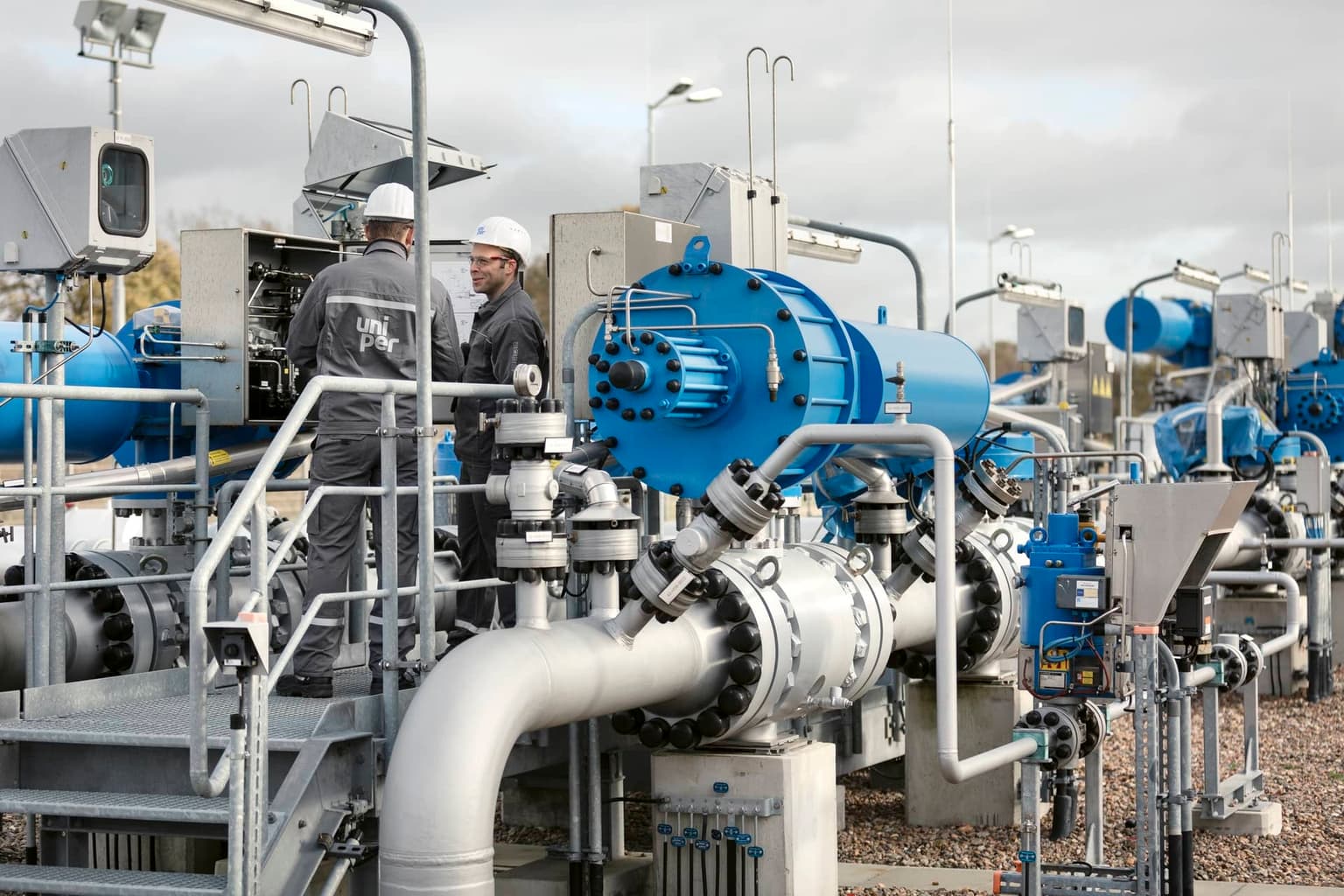
German industrial companies are beginning to take precautionary measures in case of natural gas supply problems during the coming winter. The main reasons are very low stocks in German storage facilities, high gas prices and uncertainty surrounding global LNG supplies. Although neither the German government nor the regulator currently expects a physical gas shortage, low storage levels reduce the safety buffer and make the market more sensitive to cold weather or import disruptions.
Concerns about gas shortages in the coming winter are spreading among German companies. These concerns primarily affect energy-intensive industry. Chemical group Covestro confirmed to Handelsblatt that, as an industrial company, it sees a certain risk to gas supplies during the winter.
Read the full article HERE.
5. Saudi oil heads to Asia via Sohar as Europe faces cuts
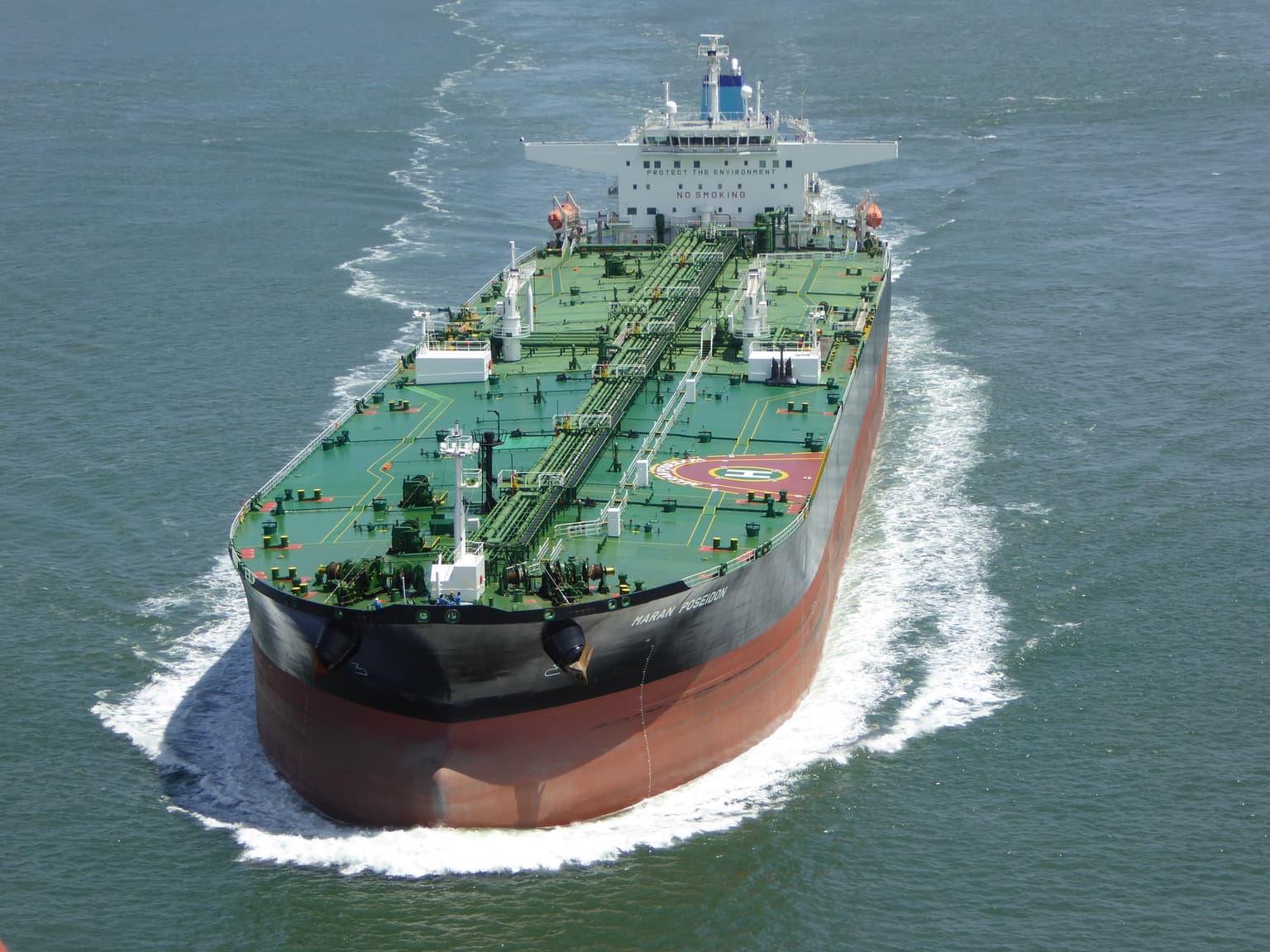
Saudi Arabia is offering Asian buyers more oil for loading through ship-to-ship transfers near the Omani port of Sohar. Reuters reported this today, citing industry sources. Saudi Arabia is responding to drone attacks that damaged its key oil pipeline leading to the Red Sea. It has already informed European customers that some oil deliveries scheduled for September loading will be cancelled. Poland's Orlen, which operates refineries including in the Czech Republic, is also a major buyer of Saudi oil.
State oil company Saudi Aramco has offered its main Arab Light crude blend, as well as Arab Medium and Arab Heavy blends, for loading near Sohar to Asian buyers with long-term contracts with the company, sources said. Sohar is now of crucial importance because it lies outside the Strait of Hormuz, which remains partially blocked following the US-Israeli attack on Iran at the end of February.
Read the full article HERE.
6. Germany wants clean heating by 2045, energy firms warn the target is unattainable
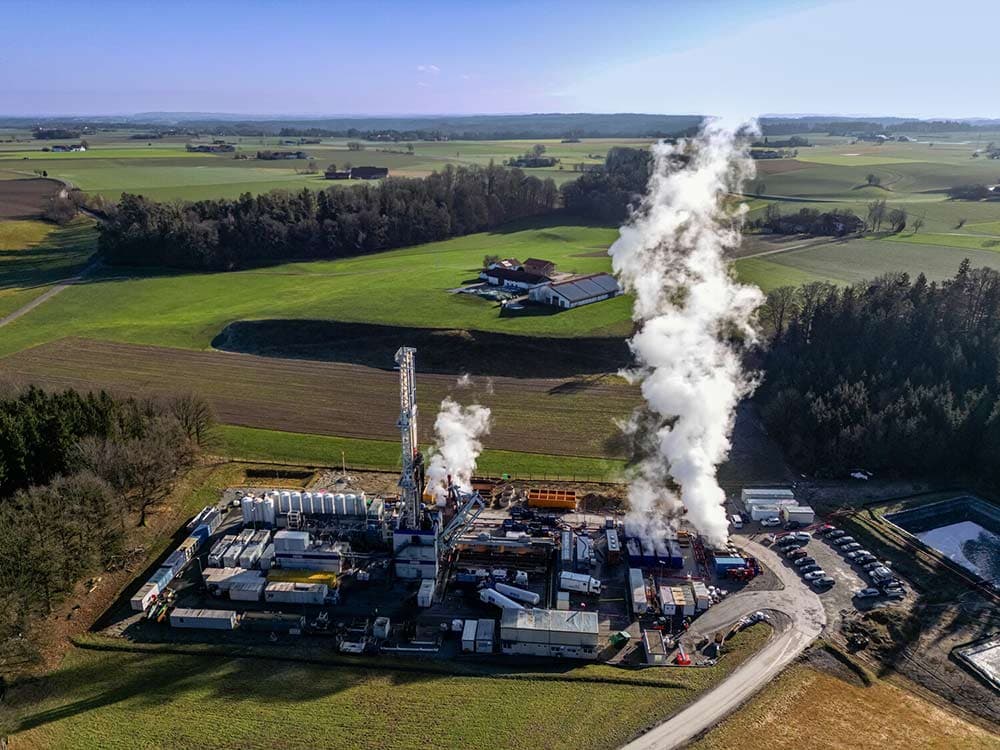
Three out of four German municipal energy companies consider achieving climate-neutral heating by 2045 unrealistic under current conditions. A survey by the VKU association shows that the biggest obstacles are not only high investment costs, but above all unclear rules for the development of district heating and new heat sources.
Germany aims to achieve climate neutrality in 2045, five years earlier than the EU-wide target. A similar target applies to the heating sector. Of the 225 respondents, 51 % of companies described the deadline as unrealistic and a further 24 % as highly unrealistic, while only 7 % considered it realistic.
Read the full article HERE.
7. From Hinkley Point C to SMRs: How the British government took on the role of building new nuclear capacity

The British model for financing new nuclear capacity has undergone a fundamental transformation over the past decade. From the long-term price guarantee in the form of a contract for difference for Hinkley Point C, it has moved through state equity stakes in nuclear projects and consumer payments during construction of new units at Sizewell C, to fully state-led development of small modular reactors at Wylfa.
The United Kingdom is undoubtedly one of Europe's pro-nuclear countries. It is also among the most active when it comes to new nuclear projects. The project furthest along in construction is the Hinkley Point C nuclear power plant. Another major project for which an investment decision has been made is Sizewell C.
Read the full article HERE.
8. Europe's largest CCS project is operational: Can it help save heavy industry?
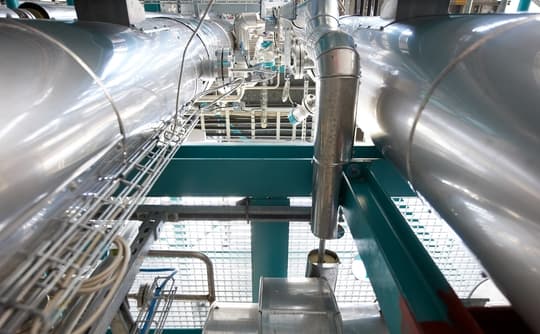
Europe's largest carbon capture facility was launched in the Netherlands on Monday, 7 September. Can the Norwegian agricultural giant's facility trigger a revival of a technology written off by many?
The carbon capture and storage (CCS) facility was opened in the town of Sluiskil in the southern Dutch province of Zeeland. It is operated by Norwegian agricultural giant Yara International. According to Yara, the facility will help reduce emissions at one of Europe's largest fertiliser production plants. The inauguration ceremony was attended by European Commissioner for Climate Wopke Hoekstra and Norwegian Prime Minister Jonas Gahr Støre.
Read the full article HERE.
9. Maximum pressure: EU plans to tighten sanctions against Russia despite rising oil and gas prices
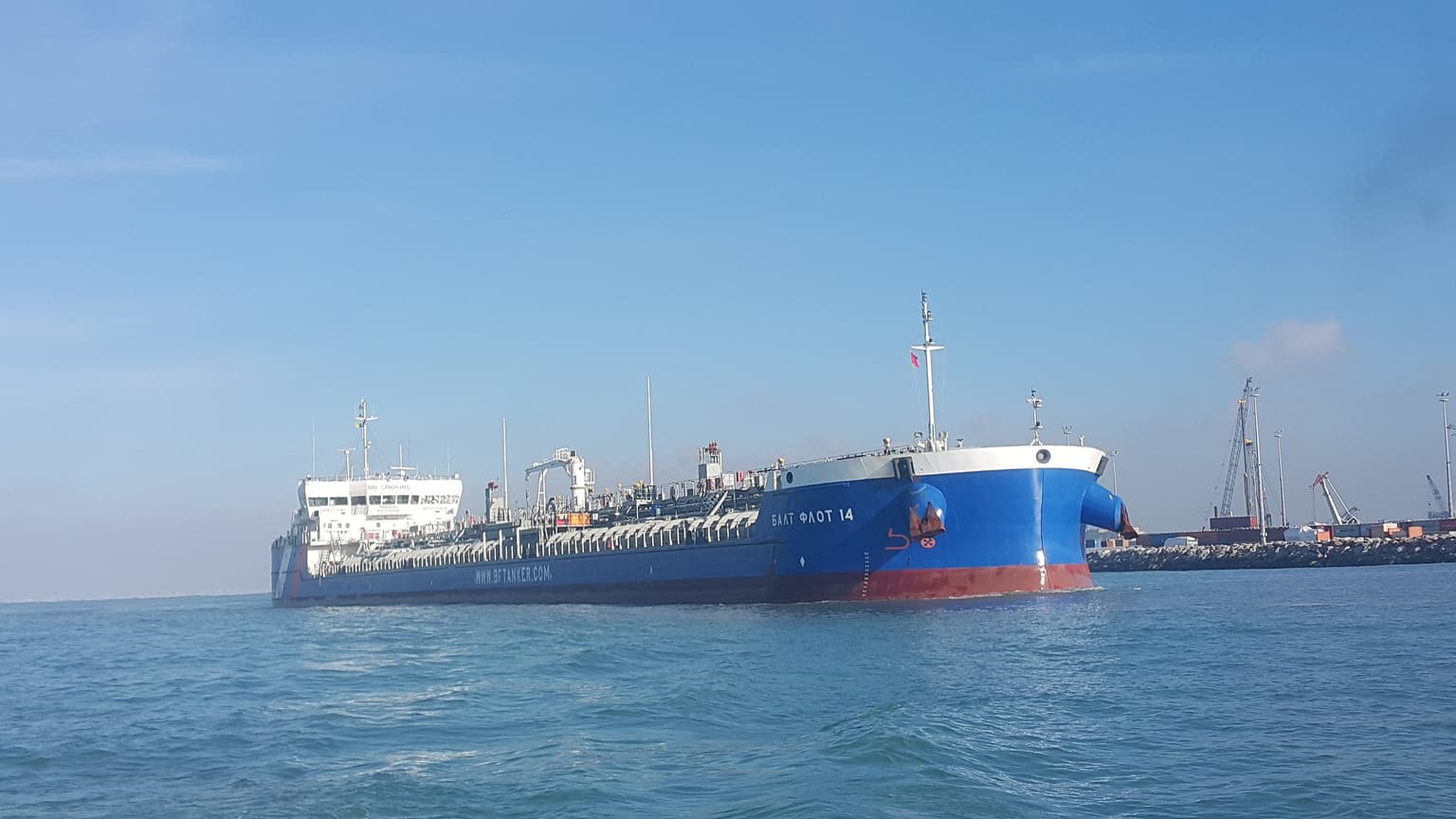
The European Union does not intend to back away from its sanctions policy against Russia, even as the European market once again faces a sharp rise in energy commodity prices this year. EU sanctions envoy David O'Sullivan recently confirmed, according to S&P Global, that the Union plans to continue stepping up pressure on Russia's military-industrial complex, financial institutions and shadow fleet of vessels. This uncompromising stance comes as geopolitical escalation in the Middle East has pushed oil prices above 100 dollars per barrel and natural gas prices to their highest level since the end of 2022, exceeding 80 EUR/MWh.
While the US temporarily eased sanctions pressure on Russia's oil sector during the spring, the European Union has already approved its 21st sanctions package targeting refineries, traders and vessels violating price caps. EU legislation is moving towards a complete cut-off from Russian energy commodities: a ban on new short-term LNG contracts has applied since April this year, a ban on long-term contracts will enter into force from January 2027, and all imports of Russian gas by pipeline and in liquefied form are to end by the close of next year.
Read the full article HERE.
10. Berlin wants to curb grid fees with billions: Czechia faces the same dilemma
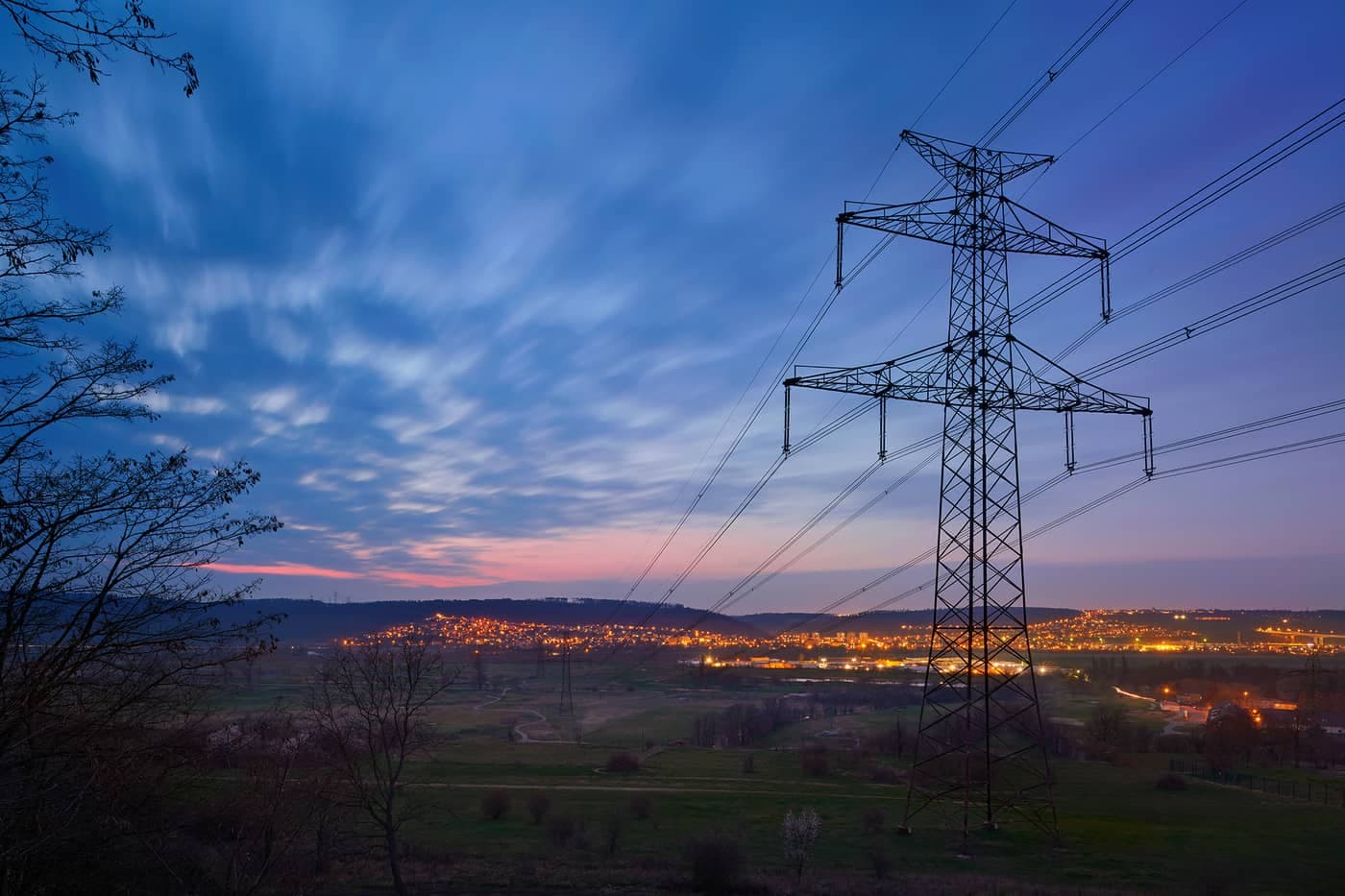
The German government wants to continue state support for electricity transmission costs in 2027 to 2029. It is set to provide transmission system operators with EUR 5.525 billion annually so that part of the rapidly rising infrastructure costs does not have to be covered through grid fees. The Czech electricity system also generates attractive revenues, but it too faces investment pressure to modernise and reinforce it.
The German federal government approved a proposal at the beginning of September under which the four transmission system operators are to receive a contribution of EUR 5.525 billion in each of the years 2027 to 2029. The funds are to come from the Klima- und Transformationsfonds (KTF), and operators must take them into account when setting grid tariffs. The proposal will now proceed to the Bundestag and Bundesrat.
Read the full article HERE.
Energostat: electricity generation in Czechia
Data in this chart is also available in 15-minute resolution60min15min
Energostat: electricity generation in Germany
Data in this chart is also available in 15-minute resolution60min15min
More current charts and data can be found on Energostat
Translation disclaimer
This article is a machine translation of the Czech original and has not yet been fully reviewed. In case of any doubt, please refer to the Czech version.
Sdílejte článek prostřednictvím:
Topics:Energy Weekly
You might also like
21 September 2026, 06:14
20 September 2026, 18:56
20 September 2026, 12:55
20 September 2026, 08:36