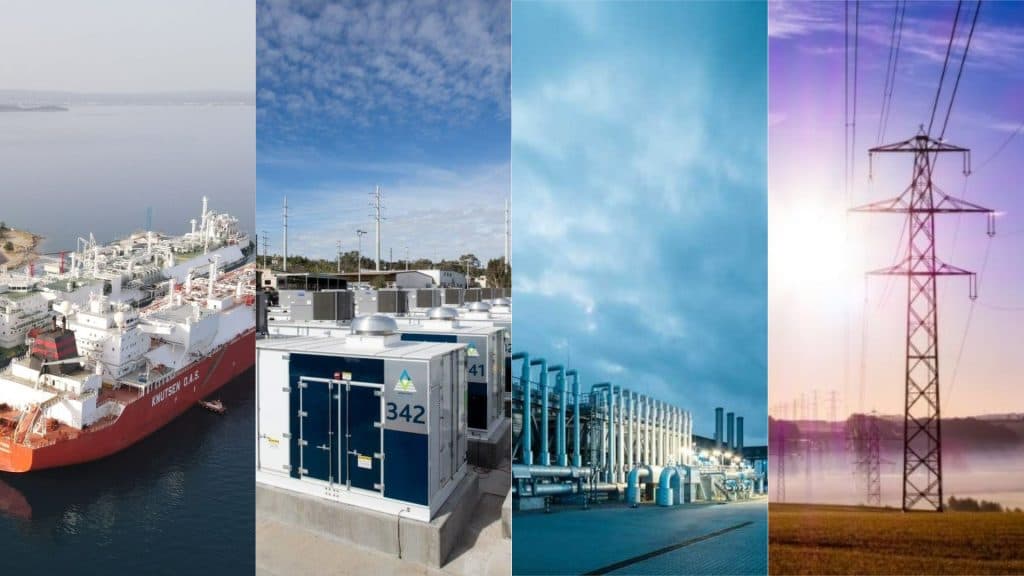
This week, we once again bring you a carefully selected list of the ten most important articles published on oEnergetice.cz. If you missed any of them, here is a selection of the articles that attracted the most interest from our readers. Good luck in the new week!
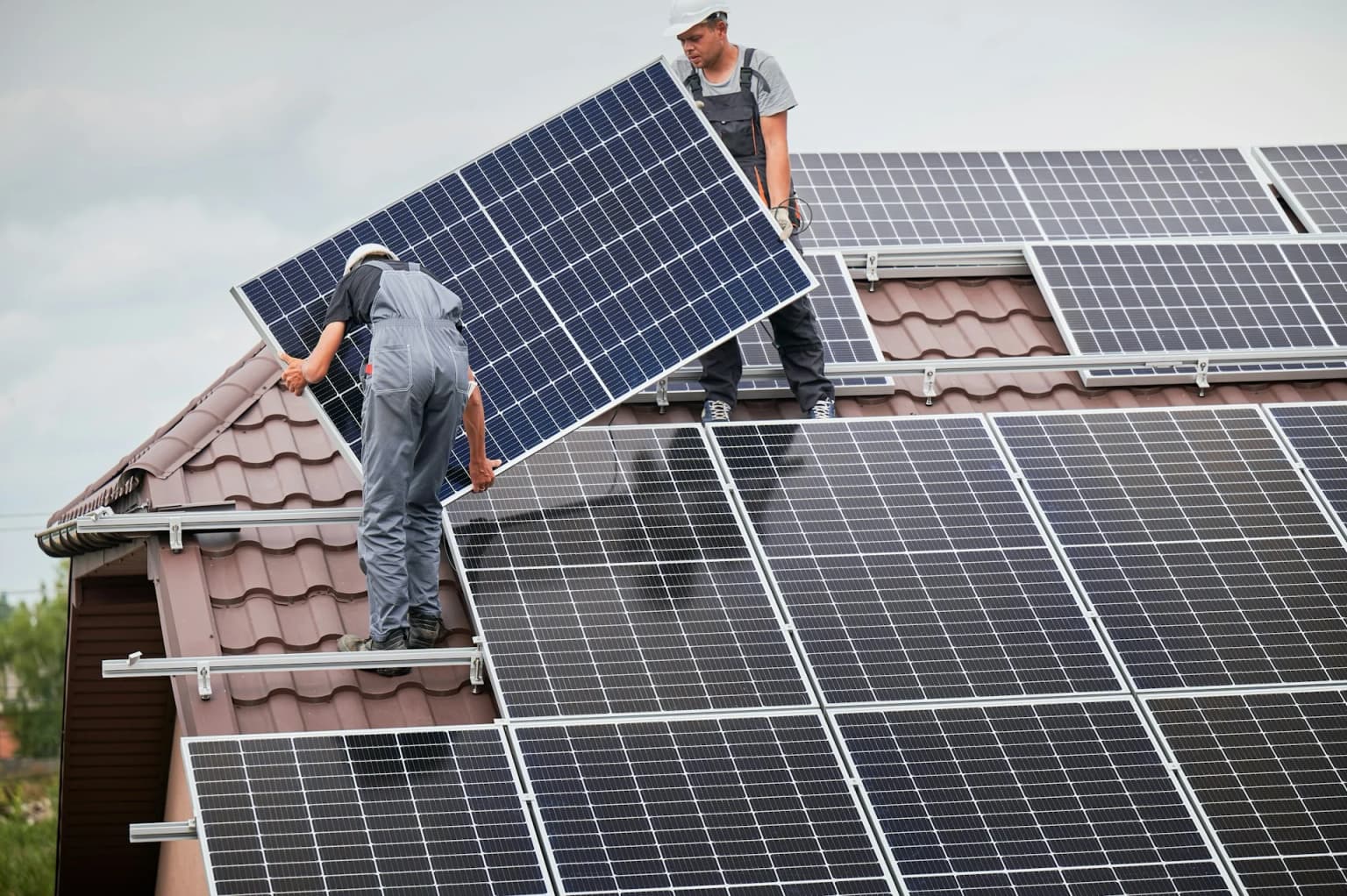
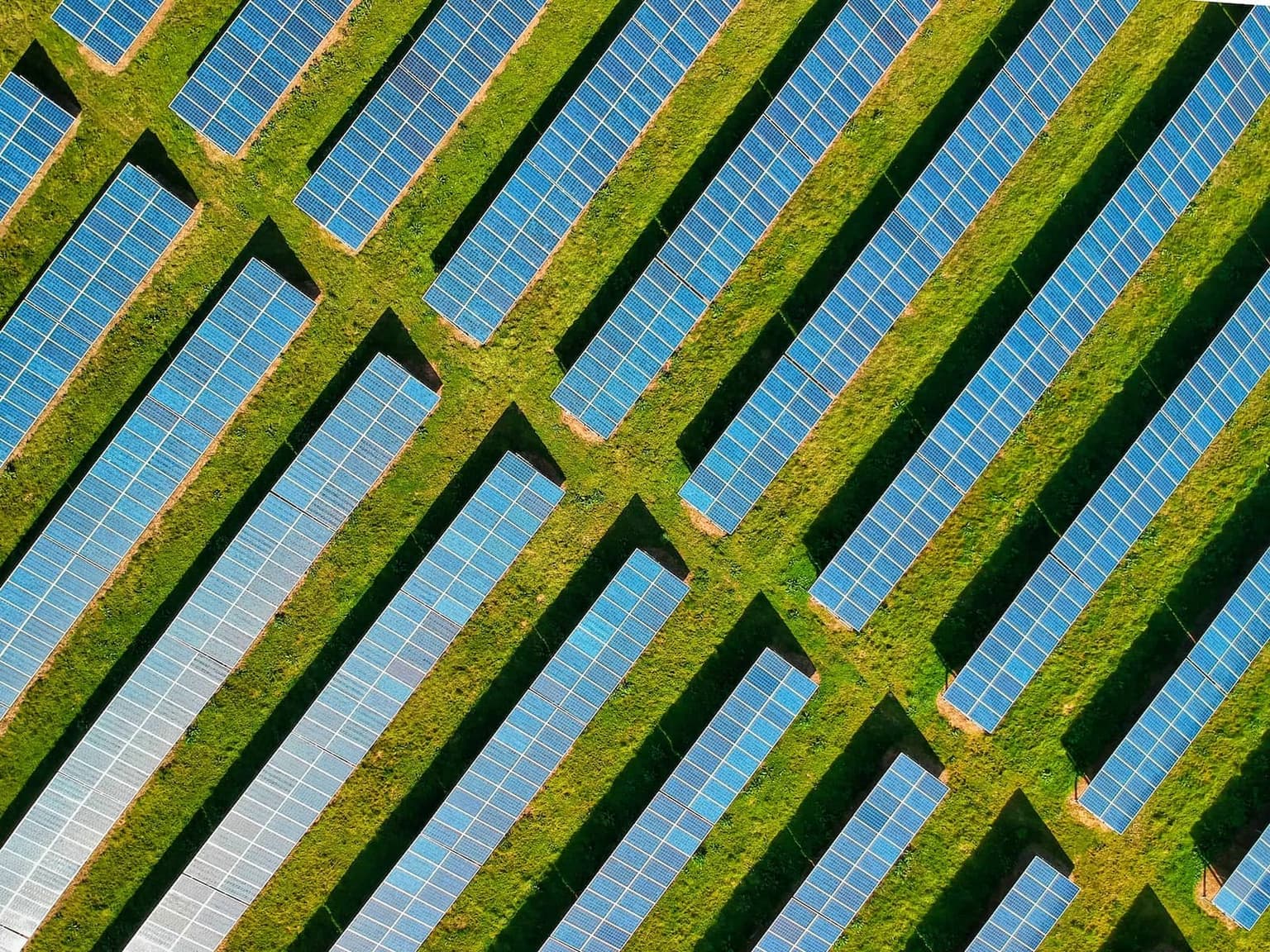
Photovoltaic panels last an average of 25 years. As with electrical appliances, their recycling is required by law. Since last autumn, a facility in Kralupy nad Vltavou has been operating that can put photovoltaic panels back into circulation.
One of the first Czech recycling facilities for photovoltaic panels is operating in a small hall in the middle of an industrial complex in Kralupy nad Vltavou. Hundreds of tonnes of solar panels are expected to pass through it each year. It was launched last October by the Czech company Dekonta, which specialises in environmental consulting, remediation technologies and hazardous waste disposal. This year, the project entered the E.ON Energy Globe competition and made it to the final six.
China's Ministry of Industry wants to reduce production capacity to improve the profitability and stability of the solar panel manufacturing sector. Current capacity is roughly twice global demand. Reuters reported.
China's solar sector is struggling with excess production capacity, which is pushing down solar panel prices and already causing problems for a number of manufacturers. According to Reuters, China's largest solar panel manufacturers had to lay off almost a third of their employees last year after reporting losses of nearly $40 billion.
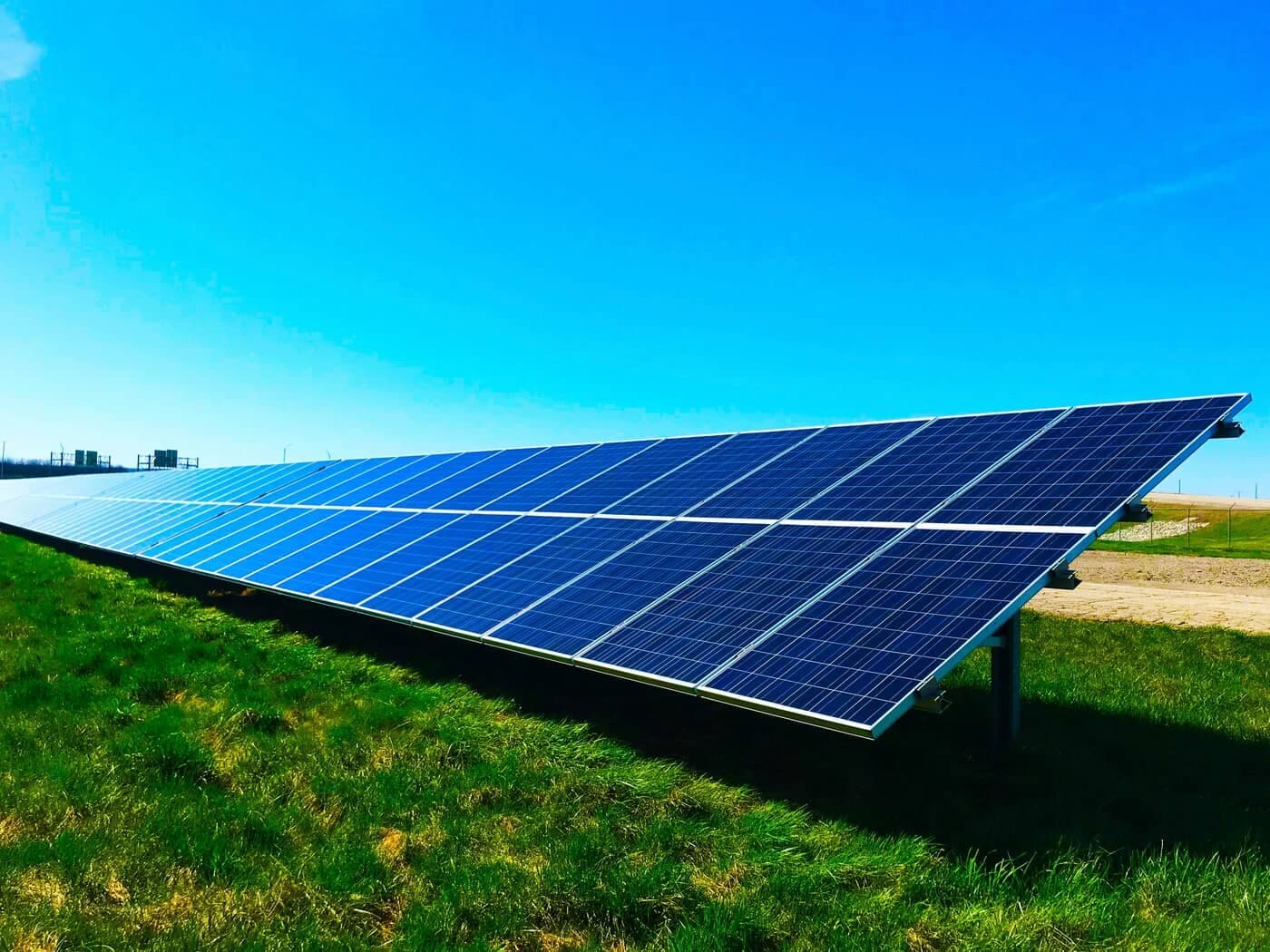
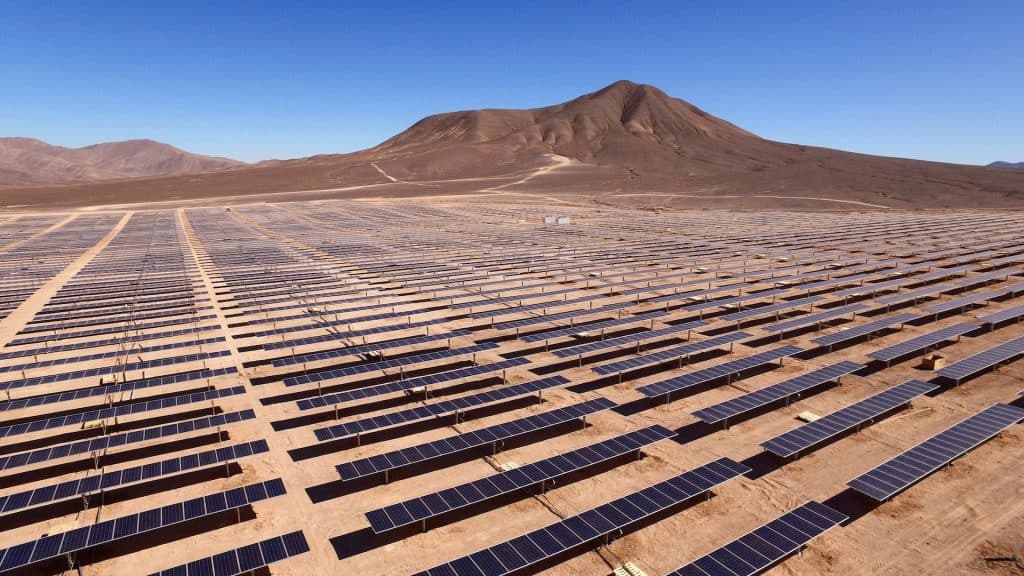
More than half of the new installed capacity expected to come online in the United States this year is set to come from utility-scale solar plants, with a record 33.3 GW expected to be added. In addition, 18.3 GW of battery storage, 7.8 GW of wind power and 4.7 GW of gas-fired power plants are expected to come online. This is according to an analysis by the US government agency EIA.
Data published by the US government agency EIA show that developers brought 12 GW of utility-scale solar capacity online in the first half of this year and plan to add another 21 GW in the second half. If the plan is fulfilled, utility-scale solar plants will account for more than half of the new installed capacity brought online in the US this year.
Polish energy group Orlenannounced that its net profit increased by almost three-quarters in the second quarter of this year. While refining margins (the so-called downstream segment) weakened and the company had to write down some of its assets, strong performance in oil and gas production (the so-called upstream segment) more than offset these losses.
Operating profit (EBITDA LIFO) reached 7.7 billion zlotys (over 47 billion crowns), despite write-downs of 1.5 billion zlotys. The production division improved significantly, returning to profit after last year's windfall tax.
Many Czechs are considering replacing their heating systems. But only a quarter of them are currently receiving a state subsidy for doing so. Most applicants are deterred by the administrative burden of applications, uncertainty about meeting the programme's conditions, or the complexity of the information. This is according to a survey by Ipsos for Stiebel Eltron.
"The fact that the New Green Savings programme has supported the replacement of more than 80,000 heating systems since its launch shows that Czechs are genuinely interested in energy-saving measures. However, our survey found that only a quarter of those who replaced their systems this year used the subsidy, suggesting that the programme has much greater potential. Clearer explanations of the conditions and a simpler, more transparent process could significantly increase the number of households opting for a more environmentally friendly heating system," said David Šafránek, head of the technical department at Stiebel Eltron.
On Monday, Indonesia called on the European Union to immediately remove countervailing duties on biodiesel imports after the World Trade Organization (WTO) upheld several of its key arguments in a complaint filed with the body. The dispute is another chapter in the conflict between the two sides, which are nearing a free trade agreement.
The world's largest palm oil exporter argued in its 2023 complaint that the duties imposed by the European Union—which is the third-largest market for Indonesian palm oil products, including biofuels—violate WTO rules. The organisation has now agreed with Indonesia's arguments.
The Czech energy mix should be based on nuclear power in the future, which will require the construction of more nuclear facilities. Participants in today's pre-election energy debate organised by the Czech Chamber of Commerce agreed on this. The future use of coal remains an open question; some politicians in the debate rejected phasing it out at least until replacement sources are built in the Czech Republic. Representatives of the political parties also largely agreed that the EU's green policy targets need to be reassessed.
Representatives of political parties and coalitions that opinion polls suggest have a realistic chance of winning seats in the Chamber of Deputies took part in the pre-election debate on energy, held today at the Czech Chamber of Commerce's headquarters in Prague. They included Spolu, the ANO movement, STAN, SPD, the Pirates, Stačilo and Motorists.
Germany is facing one of the largest road transports of nuclear waste in several decades. The Federal Office for the Safety of Nuclear Waste Management (BASE) has approved the transport of 152 containers of spent fuel to an interim storage facility in Ahaus, North Rhine-Westphalia. The DPA news agency reported this today. Germany has completely abandoned nuclear power, disconnecting its last reactors from the grid in 2023.
It is not yet clear when the transport will begin. According to BASE, it could start as early as the end of this year. The permit is valid until the end of August 2027. The 152 containers hold around 300,000 fuel elements in the form of graphite spheres about the size of tennis balls. The vehicles used to transport the containers can carry only one at a time.
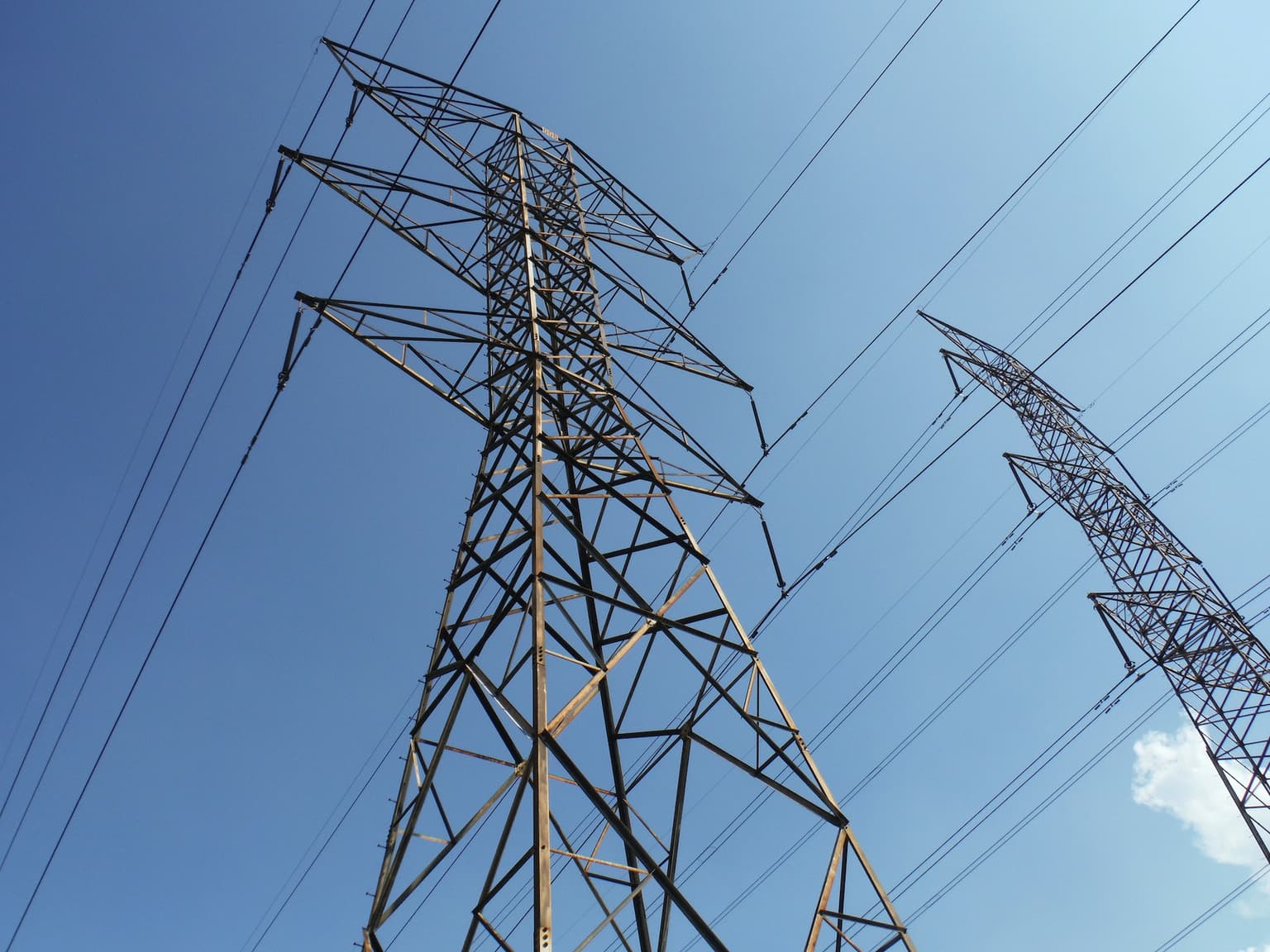
By the end of the first quarter of 2025, 3,345 kilometres of new transmission lines had been completed in Germany, representing just 15.3% of the total 16,702 km set out in legislation. Although construction has picked up slightly, experts warn that progress remains insufficient if the country is to manage its energy transition.
According to the latest monitoring report by Germany's network regulator (BNetzA), 3,345 km of transmission lines had been completed by the end of March 2025. Just 111 km were added in the first quarter of this year. While this is more than in some previous periods, it is still far from enough to meet transmission network development targets.
According to a new study by scientists at King's College London, space-based solar panels could theoretically replace up to 80 percent of Europe's land-based renewable energy sources by the middle of the century. The technology has a Czech connection and is based on NASA designs. The European Union even has a programme in this area, but major technical and economic obstacles must be overcome before the plan can become reality.
In theory, Europe could obtain up to 80 percent of its renewable energy directly from space by 2050. This is according to a study by scientists at King's College London, published in the scientific journal Joule. The authors say a system of space-based solar panels, based on designs by the US NASA, could also reduce the overall cost of Europe's energy system by up to 15 percent and cut the need for battery storage by more than two-thirds.
Data in this chart is also available in 15-minute resolution60min15min
Energostat: electricity generation in Germany
Data in this chart is also available in 15-minute resolution60min15min
Find more up-to-date charts and data on Energostat
Translation disclaimer
This article is a machine translation of the Czech original and has not yet been fully reviewed. In case of any doubt, please refer to the Czech version.