27 October 2026, 10:17
Loading...
Tunisia opens its doors to investors: It wants to significantly boost renewables
Vojtěch Kříž
27 October 2026, 10:17
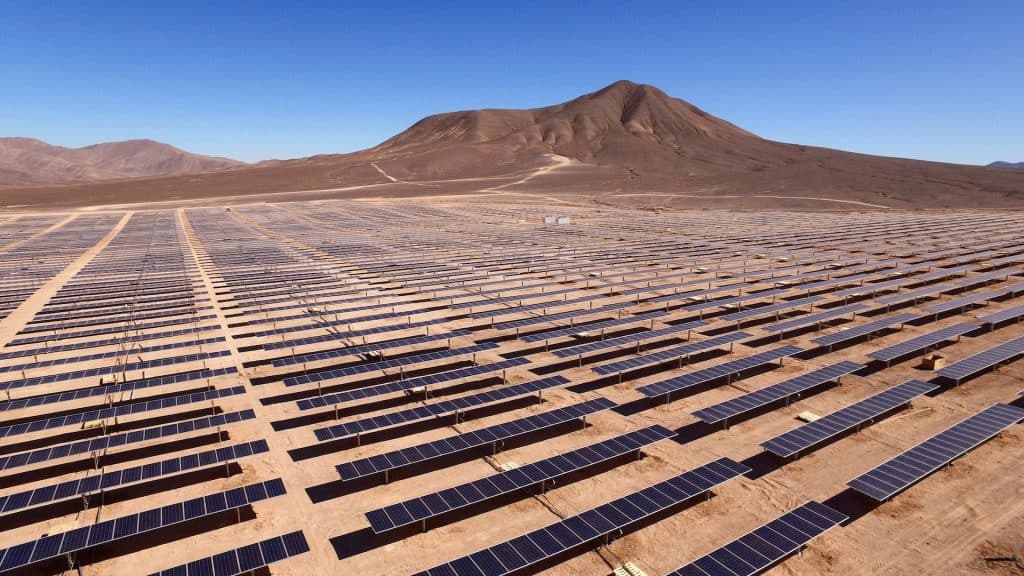
Tunisia wants to increase the share of renewable energy in electricity generation from the current 12 to 16 percent by 2027. According to Reuters, this is set out in the draft state budget. The country plans to develop new renewable energy sources with a total capacity of approximately 1,600 megawatts. Notably, it will offer around 1,100 MW to foreign investors through concession and licensing projects, while the remaining 500 MW will be earmarked for domestic electricity generation.
According to the agency, the budget proposal is not very specific and does not go into detail about individual projects. It does mention, however, that renewable energy sources with a capacity of 198 MW at Khnabna and a 77 MW wind farm are expected to come online. Construction is also set to begin on a 300 MW solar power plant in the Bazma area of the southern province of Kebili, which is also expected to be equipped with battery storage. As part of the sixth round of the licensing program, the government plans to install a further approximately 515 MW of renewable energy capacity.
Tunisia is primarily seeking to strengthen its energy security. The country is revealing these plans at the same time as courts have sentenced ten activists for protests against pollution six years ago. From the current perspective, this year’s challenging summer is likely to be the main lesson for the Tunisian state, as residents repeatedly faced power outages. Inadequate supply failed to meet electricity demand and sparked protests. The country relies primarily on natural gas to generate electricity, the price of which has risen significantly in recent times, and aims to increase renewables’ share of electricity generation to 35 percent by 2030.
African investment
African countries in both the north and south of the continent see renewable energy as a means of achieving energy independence and an opportunity to connect to global supply chains. Their efforts have been monitored in recent years, for example, by the think tank Ember.
New projects are moving ahead this year too. Recently, for example, a large solar farm opened in Zambia. The continent could, however, be threatened by China’s efforts to restrict technology exports. This is mainly in response to attempts by some Western companies to acquire as much technology and know-how for manufacturing solar panels and cells as possible.
Implications for Europe
The ELMED project is also set to strengthen Tunisia’s connection to the European energy market. It involves building an electricity interconnector between Tunisia and Italy. The approximately 220-kilometer subsea cable is expected to have a transmission capacity of 600 MW and enable two-way electricity flows between North Africa and Europe. The project is being carried out by Tunisian state energy company STEG and Italian transmission system operator Terna, with support from European institutions.
In addition to strengthening security of supply, the interconnector is expected to facilitate electricity exports from renewable energy sources and support the integration of Tunisia’s energy sector into the European market. Several renewable energy projects have also received support from the EU, including a solar power plant in Sidi Bouzid being built by Scatec and Aeolus.
Tunisia is currently connected to the European energy market mainly through natural gas supplies. The Transmed pipeline plays a key role, transporting Algerian gas across Tunisian territory to Italy. While gas transit generates revenue for Tunisia, the country’s own energy sector remains heavily dependent on natural gas and energy imports.
The development of solar and wind power plants, together with the ELMED project, could therefore gradually reduce this dependence and create the conditions for Tunisia to become not only a transit country but also a more significant supplier of renewable electricity to Europe.
Translation disclaimer
This article is a machine translation of the Czech original and has not yet been fully reviewed. In case of any doubt, please refer to the Czech version.
Sdílejte článek prostřednictvím:
You might also like
27 October 2026, 06:15

26 October 2026, 19:59

26 October 2026, 14:24