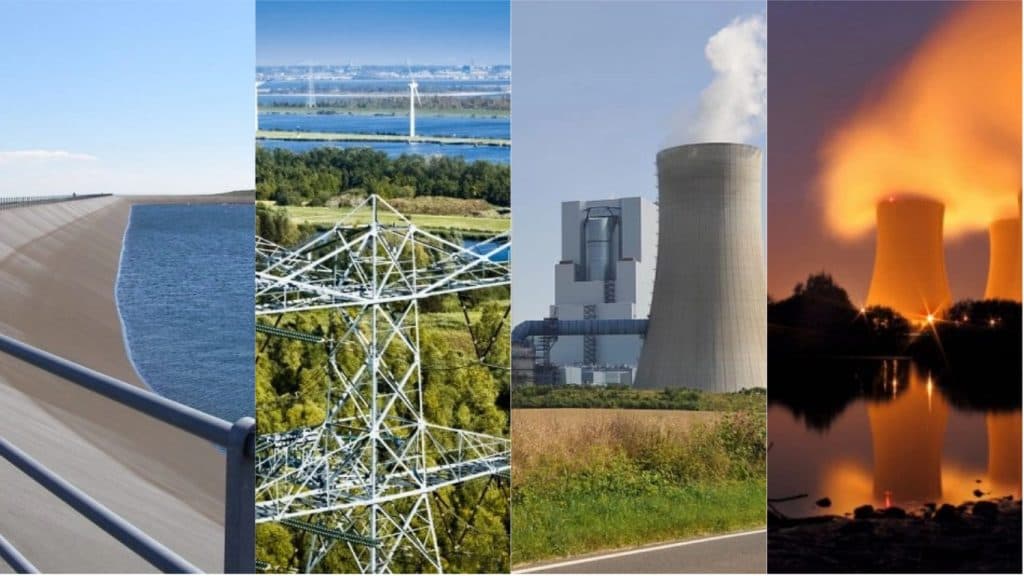
This week, we once again bring you a carefully selected list of the ten most important articles we published on oEnergetice.cz. If you missed any of them, here is a selection of the articles that attracted the most attention from our readers. Good luck in the new week!
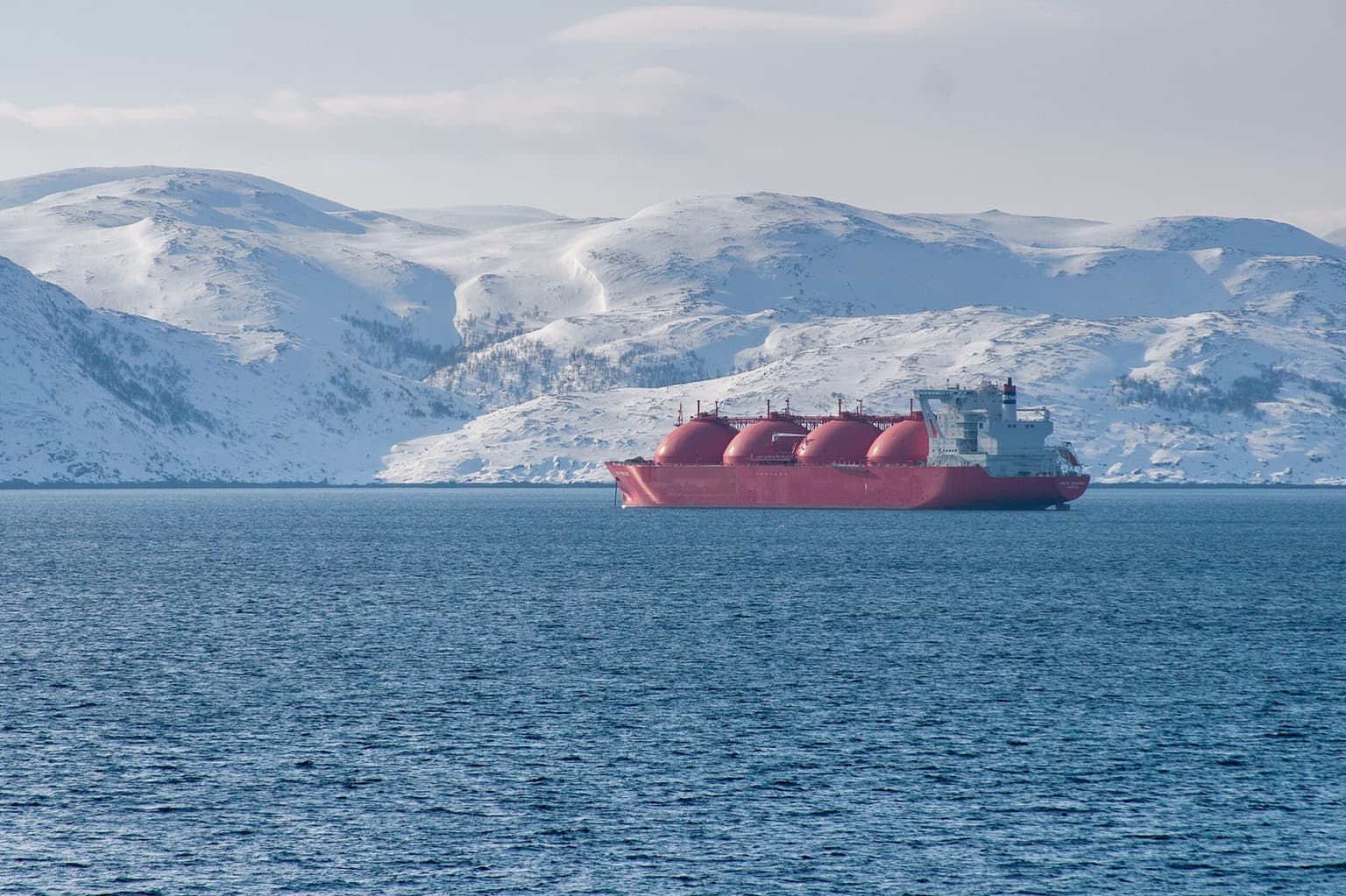
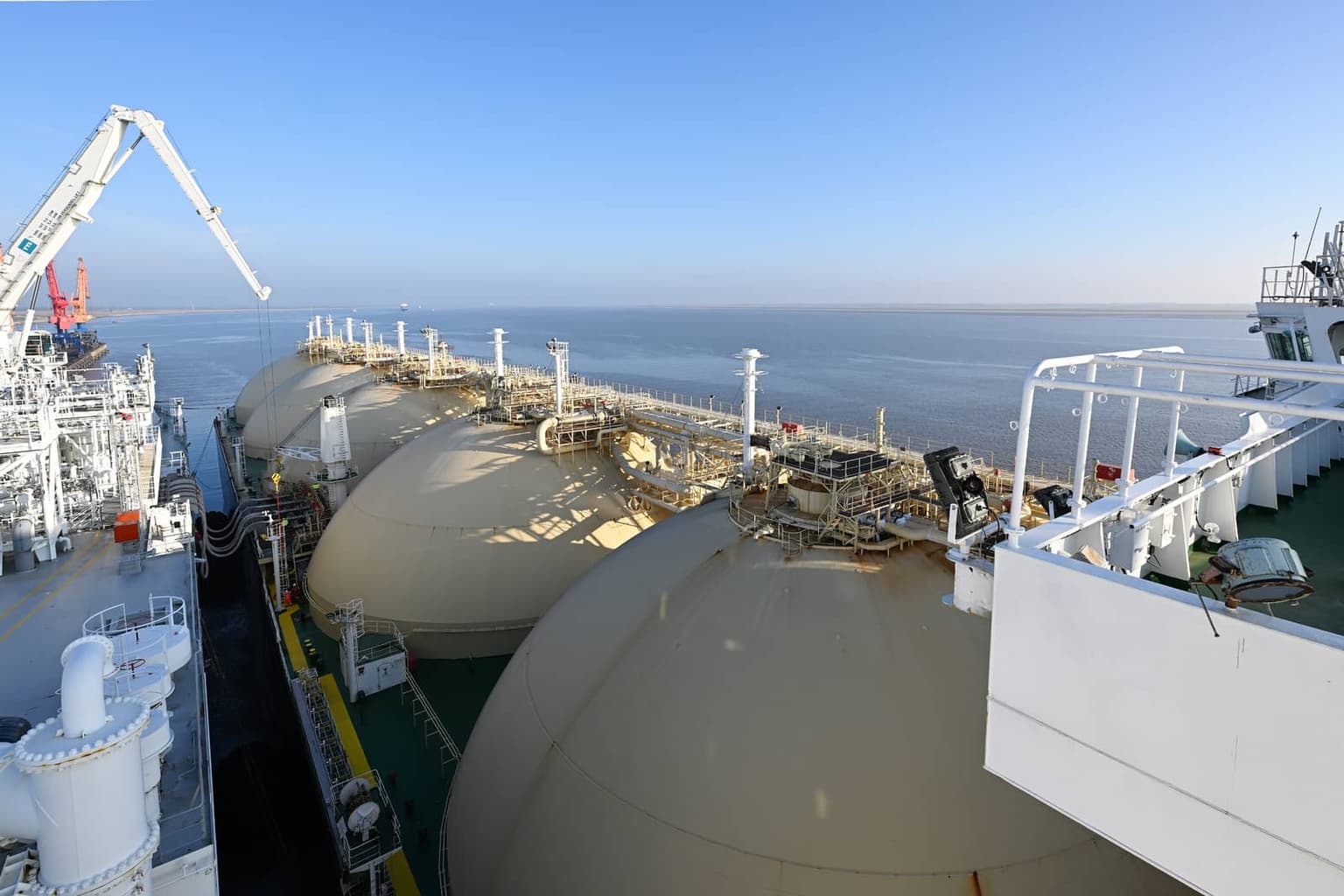
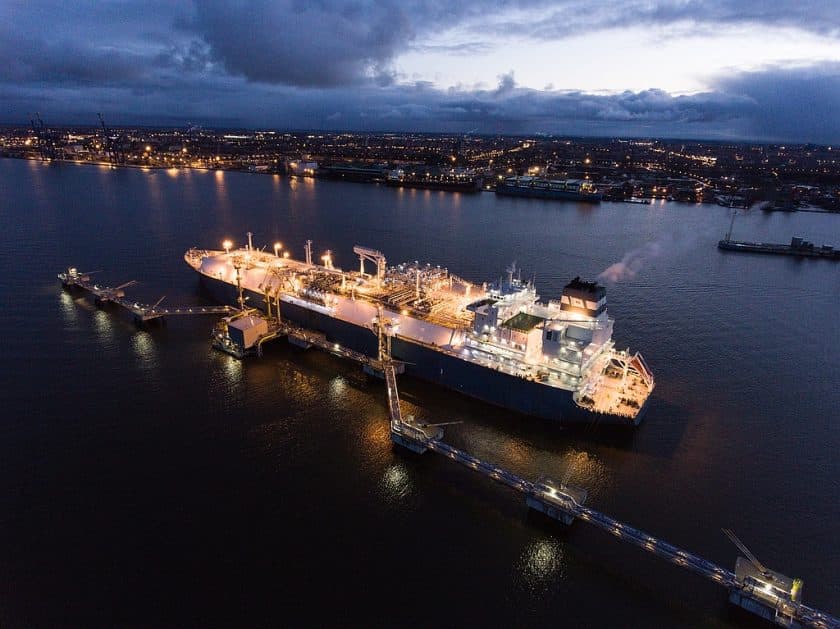
China is preparing a second terminal to receive liquefied natural gas from Russia’s Arctic LNG 2 project, which is subject to US sanctions, according to sources cited by Reuters. The move could significantly expand sales opportunities for one of Moscow’s key energy projects while also strengthening energy cooperation between China and Russia.
China plans to expand its infrastructure for importing LNG from the Russian Arctic LNG 2 project, which was added to the US OFAC sanctions list in November 2023. Subsequent US sanctions also targeted ships, companies and logistics chains linked to exports, significantly complicating the sale and transport of the gas.
In recent days, European electricity markets have shown a side of summer very different from the one solar investors have grown accustomed to in recent months. Instead of midday spot prices plunging into negative territory, extreme evening peaks are drawing attention. Prices in Czechia climbed above EUR 692/MWh on Wednesday, and the market is expected to remain similarly tight on Thursday.
The main reason for the sharp price increase is a combination of high temperatures, rising demand for cooling and weak wind power generation. The prevailing weather across much of Europe supports solar generation, but at the same time limits output from wind farms. This pushes up electricity prices, particularly during the hours when solar generation falls rapidly while demand remains high.
The Trump administration, together with Qatar, is warning the European Union of potential LNG supply problems unless it eases the rules under its methane emissions regulation. The two major exporters made their appeal ahead of Friday’s meeting of the Energy Council in a letter addressed to the President of the European Commission and the President of the European Council. Two other major exporters—Algeria and Nigeria—also signed the appeal. Suppliers are warning Europe of a significant rise in LNG prices unless the rules are relaxed.
The subject of the ongoing debate between LNG importers and EU leaders is the methane emissions regulation, which has been in force since 4 August 2024. It requires foreign fossil fuel suppliers to measure, report and verify (MRV) methane emissions. From May 2025, importers must provide emissions data; from 2027, the rules will become binding for new contracts. For older contracts, suppliers will have to demonstrate efforts to comply with European standards. Further requirements will be introduced gradually: methane intensity reporting in 2028 and mandatory compliance with emissions limits from 2030.
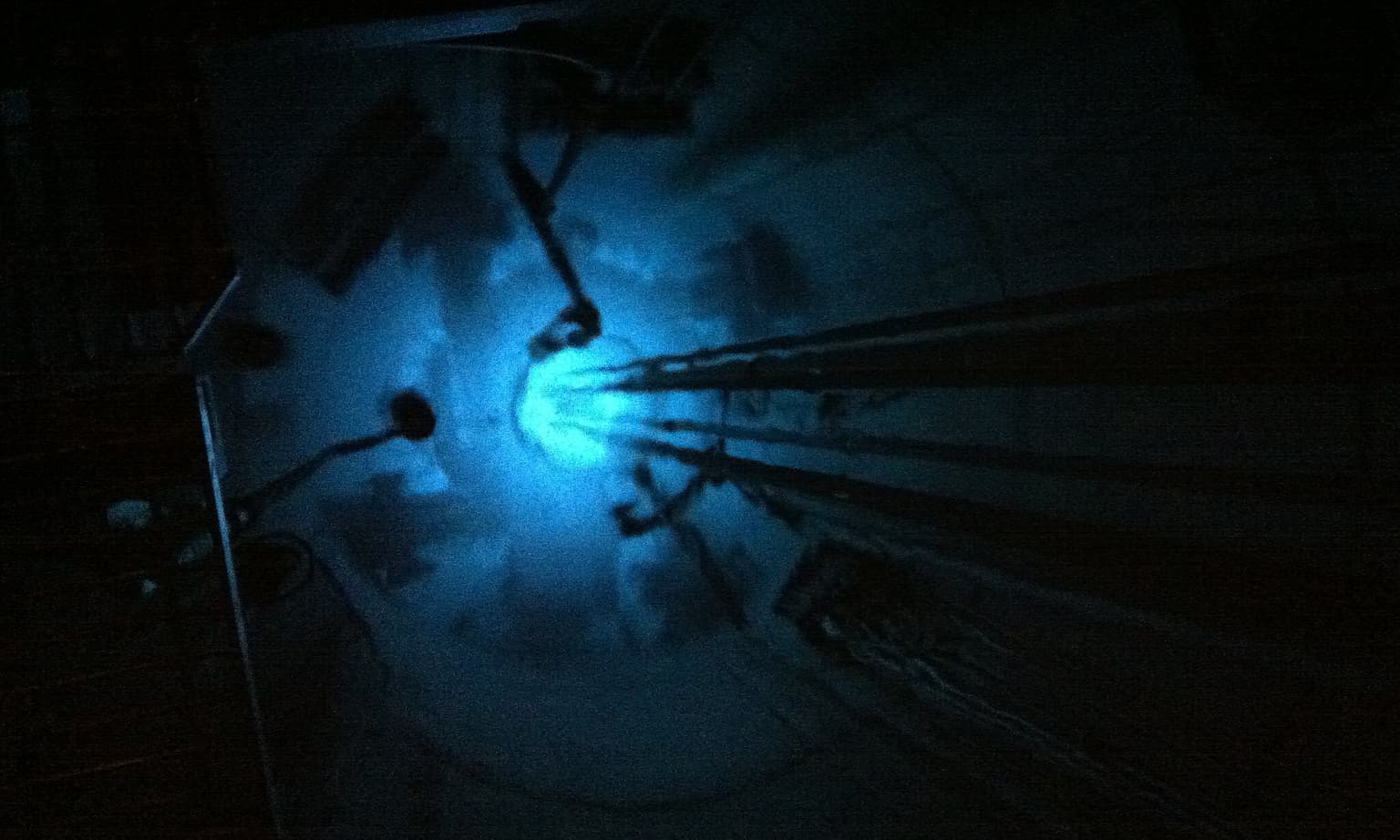
The British government will support further supplies of enriched uranium for Ukrainian nuclear power plants. The loan guarantee is intended to help keep them running amid continued Russian attacks on energy infrastructure, while also supporting the British nuclear industry.
The UK export credit agency UK Export Finance will guarantee a loan worth £210 million (approx. CZK 5,9 billion). The financing will enable Urenco to supply enriched uranium to Ukrainian nuclear power plant operator Energoatom over the next two years.
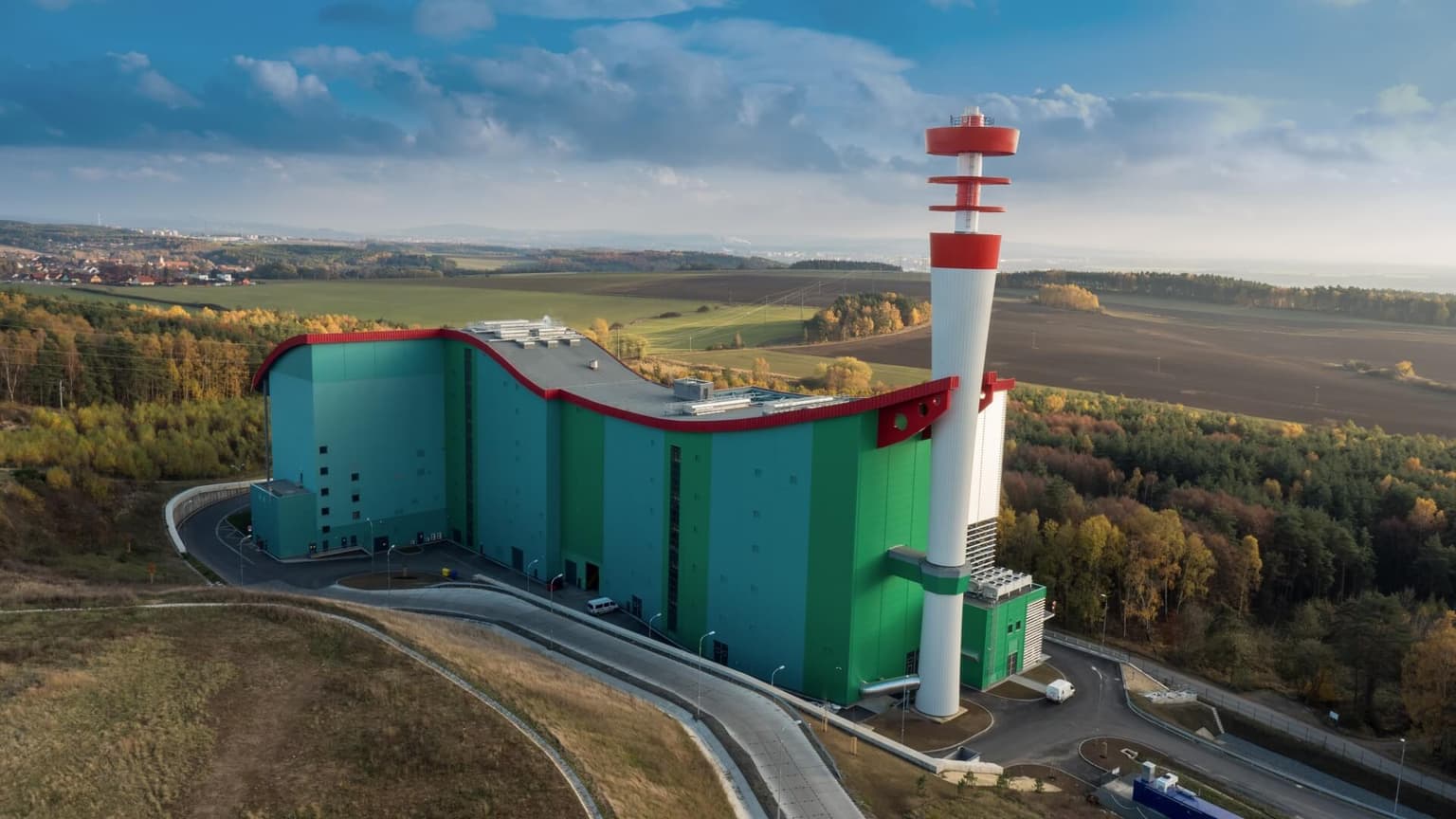
In recent years, the Czech debate on waste incineration plants has shifted from waste management alone to energy and system-wide considerations. Waste-to-energy plants, known by the Czech acronym ZEVO, are no longer seen merely as an end point for mixed municipal waste, but also as a source of heat for district heating systems, a replacement for some coal-fired capacity and a potential contributor to greater local energy resilience. The new Czech Waste Management Plan for 2025–2035, approved by the government on 23 July 2025, is based on the waste hierarchy: waste prevention, maximum recycling and recovery, and only then energy recovery or disposal.
There are currently four large municipal waste-to-energy plants in operation in the Czech Republic: Prague-Malešice, SAKO Brno, Termizo Liberec and Chotíkov near Plzeň. According to available information, a record amount of municipal solid waste—830 thousand tonnes—was recovered for energy in 2024. The plants generated 261 GWh of electricity and supplied 2,8 PJ of heat. Malešice became the largest facility; according to this source, its waste-processing capacity was increased from the original 330 thousand tonnes to 480 thousand tonnes per year, which is the permitted ceiling, although actual throughput may be lower. Brno has a capacity of 248 thousand tonnes, Liberec 96 thousand tonnes and Chotíkov 120 thousand tonnes per year.
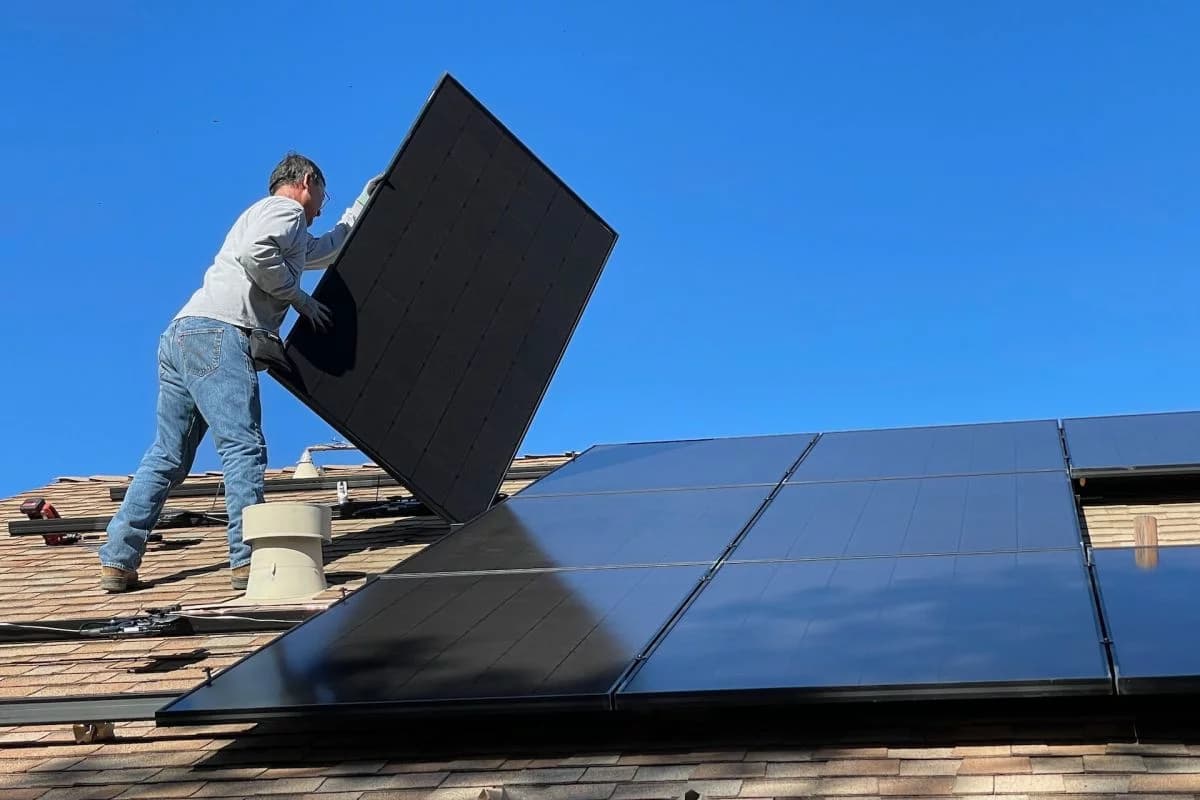
The New Green Savings (NZÚ) programme opens applications for energy-efficient home renovations today at 10:00. Direct grants are available only to vulnerable households under the NZÚ Light programme. For other households, the ministry, in cooperation with the financial sector, is offering interest-free loans for both partial and comprehensive renovations. The Ministry of the Environment said this in a press release. Applications will be accepted until 31 October or until the allocated funds are exhausted.
Vulnerable households can apply for direct grants of up to CZK 400.000. Other owners of family homes, homeowners’ associations and housing cooperatives can submit projects and, if approved, take out an interest-free loan.
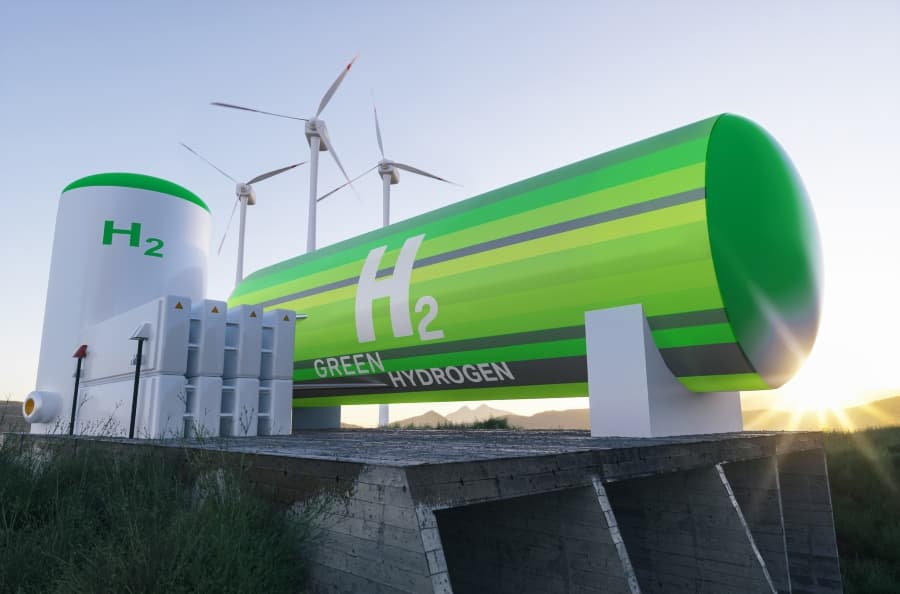
Blending renewable hydrogen into existing gas infrastructure could help reduce emissions, but its benefits are significantly limited, according to Germany’s National Hydrogen Council. Experts warn that even a relatively high proportion of hydrogen in the blend results in only a small emissions reduction and faces technical and regulatory obstacles. They say Germany should therefore focus primarily on building dedicated hydrogen infrastructure.
Blending renewable hydrogen into natural gas is often presented as one way to accelerate the decarbonisation of the gas sector, rather than waiting for the lengthy construction of separate hydrogen networks. However, according to a new report by Germany’s National Hydrogen Council (NWR), the potential of this approach is far more limited than is often assumed.
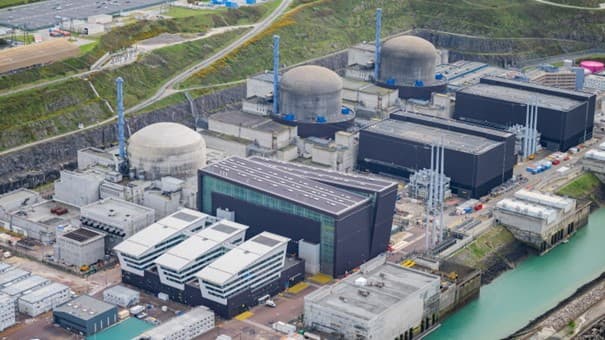
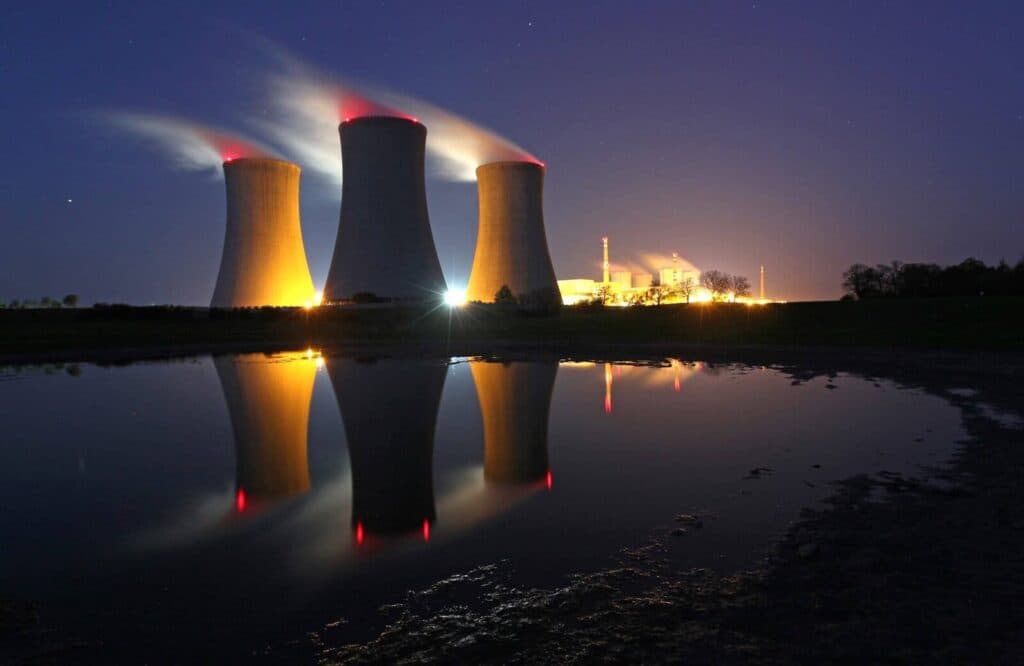
France has notified the European Commission of its support for the construction of six new EPR2 nuclear reactors. The support structure has several features in common with the Czech model for the new Dukovany units: a preferential loan, a 40-year contract for difference and protection against certain risks. The main differences concern the extent of the investment risk borne by the investor. In this respect, the French model appears to expose the investor to greater risk. As with the Czech notification, this is an initial step in the overall process, and the support scheme will be negotiated further.
At the end of March, the European Commission launched a formal investigation into the French support model for the construction of six new nuclear units. These are EPR2 reactors to be built by EDF at Penly, Gravelines and Bugey. The project’s total installed capacity is expected to reach almost 10 GW, with the first units scheduled to enter operation as early as 2038.
Dozens or even hundreds of Czech companies could take part in the development and construction of small modular reactors (SMRs), potentially contributing to dozens of projects across Europe. More than 60 Czech companies have expressed interest so far, including firms in engineering, design and project development. Industry Minister Karel Havlíček (ANO) and representatives of the Chamber of Commerce said this at a press conference today. The first reactor in Czechia is being planned at Temelín, and according to Havlíček, a contract to launch another project at Dětmarovice will be signed this summer.
In Czechia, energy company ČEZ plans to build up to three gigawatts of small modular reactors in cooperation with British company Rolls-Royce SMR, in which the Czech company holds about a one-fifth stake. According to ČEZ, the first Czech SMR is expected to be built at the Temelín site in the first half of the 2030s. However, the first reactor the two companies will work on will be built at Wylfa in the UK.
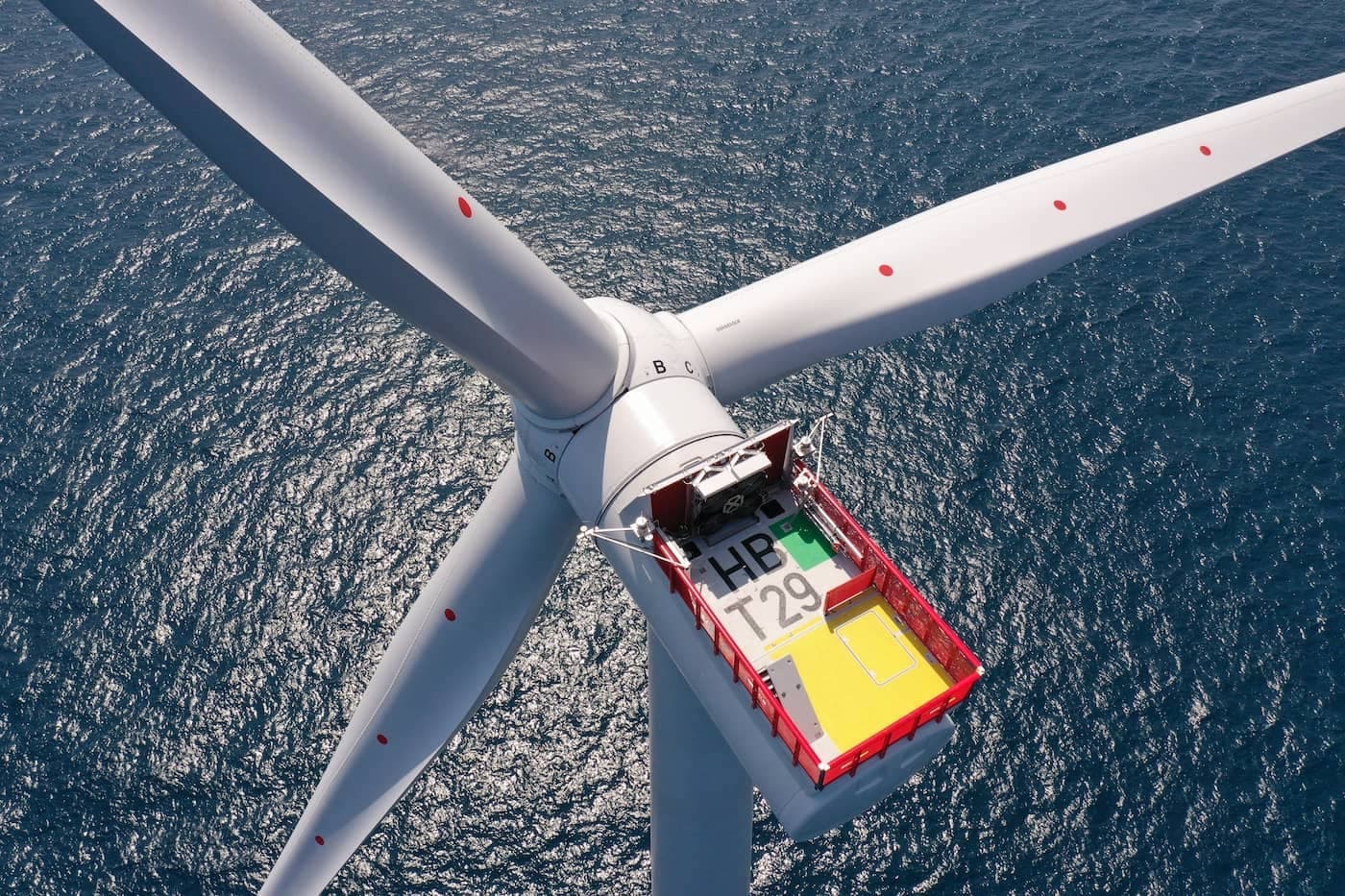
After previously redirecting TotalEnergies’ investments, the White House has reached an agreement with another company. Invenergy will receive nearly USD 800 million in compensation for withdrawing its offshore wind farm projects and will invest the funds in natural gas instead. The company announced the deal on Wednesday.
The US administration is continuing its efforts to cancel wind energy projects. After blocking projects last year, it has now adopted a new, less forceful approach. It will reimburse companies for land lease investments if they commit to redirecting the money to fossil fuels. The White House used this approach earlier this year when it reimbursed French giant TotalEnergies nearly USD 1 billion. Golden State Wind has also accepted a similar deal.
Data in this chart is also available in 15-minute resolution60min15min
Energostat: electricity generation in Germany
Data in this chart is also available in 15-minute resolution60min15min
Find more up-to-date charts and data on Energostat
Translation disclaimer
This article is a machine translation of the Czech original and has not yet been fully reviewed. In case of any doubt, please refer to the Czech version.