Top 10 energy stories from the past week in Czechia
This week, we once again bring you a carefully selected list of the ten most important articles we published on oEnergetice.cz. If you missed any of them, here is a selection of the articles that attracted the most interest from our readers. Good luck in the new week!
1. Practical experience with a small PV system: what to do with surplus generation as negative prices become more frequent

As negative prices on the spot market become more common, more owners of small photovoltaic (PV) systems are buying appliances, most often air conditioners, to reduce their surplus generation during peak output periods. However, the situation can be addressed much more elegantly, even without making an investment.
If you are wondering what to do with surplus power from your PV system, the first important step is to determine whether the owner of the consumption point is a household or a business/company. Some tariffs may be available to households but not to businesses. It is then important to estimate—or work out from a year’s billing history—how many MWh of surplus generation you can expect over the course of a year.
Read the full article HERE.
2. Are France’s nuclear problems linked to frequent load-following? Civaux 2 reactor suggests so
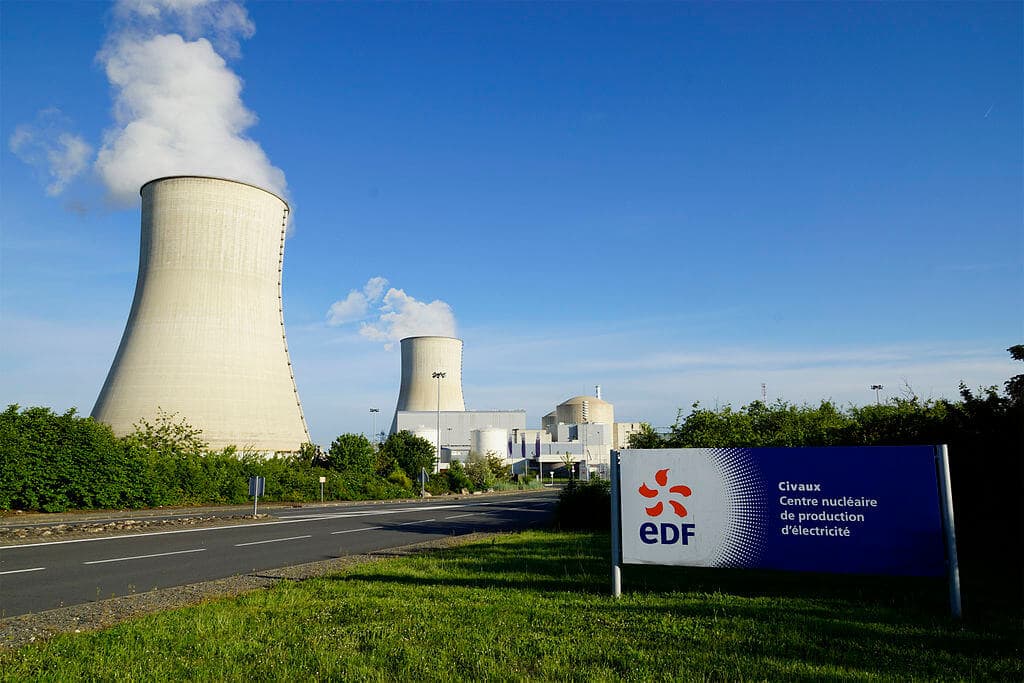
Last year, French nuclear reactor Civaux 2—where cracks were recently found again in piping—was the most frequently load-followed reactor of its type.This is according to a study by analytics firm Kpler commissioned by Montel. France’s Nuclear Safety Authority (ASN) has warned of the potential risk of increased component wear associated with load-following.France is now analysing a possible link.
Frequent load-following by nuclear reactors, which has become increasingly common in France recently due to the growing share of renewables in electricity generation, has raised concerns about a possible link to the formation of corrosion-related cracks in reactor piping.
Read the full article HERE.
3. German solar capacity exceeds 100 GW. We are only halfway there, says German association
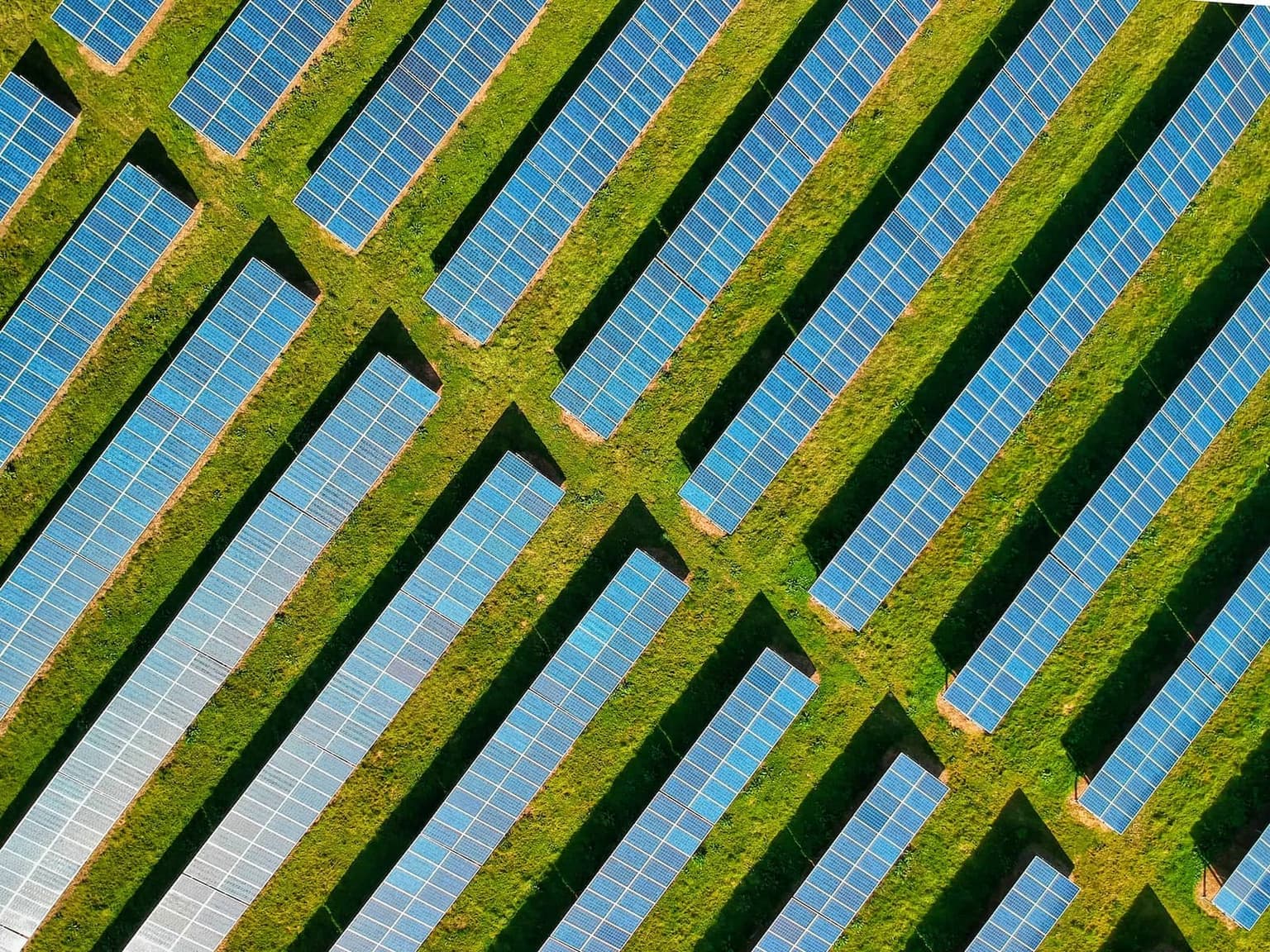
Installed capacity of solar power plants in Germany stood at around 107.5 GW in the middle of this year. Our neighbour Germany is therefore halfway towards its ambitious target of 215 GW of solar capacity by 2030. Growth has been dramatic recently, both in new installed capacity and in electricity generation.
Solar power plants in Germany are expanding at an increasingly rapid pace. A record 15 GW of new solar capacity was added in Germany last year. The latest data now show that a further around 6 GW of installed capacity was commissioned in Germany during the first half of this year. Although the figures suggest a slight slowdown, this is still a substantial increase in capacity.
Read the full article HERE.
4. EU ETS 2 allowance price for 2027 approaches EUR 80

The price of an emissions allowance in the EU ETS 2 system, which is also set to cover the buildings and transport sectors, is approachingEUR 80/t CO₂ for the DEC27 contract. For 2028, the DEC28 contract is already above that threshold. The allowance price is even higher than in the first EU ETS. The Czech Republic is now seeking changes to the EU ETS 2 system that would mitigate the impact on end consumers.
The introduction of EU ETS 2 was approved in December 2022 during the Czech Presidency of the Council of the EU and was considered at the time by Czech officials to be a major achievement of the Czech Presidency.
Read the full article HERE.
5. ČEPS: Blackout was caused by simultaneous outages; reason for the coincidence remains unclear

Friday’s widespread power outage in part of Czechia was caused by several outages occurring simultaneously, but the reason for this coincidence remains unclear. ČEPS Chairman Martin Durčák said this at a press conference today. He ruled out grid overload caused by power flows or damage by a third party, saying the system had been operating reliably before the outage. The line whose failure led to the blackout had already been damaged last year, but that did not cause any further outages at the time. ČEPS launched extraordinary inspections of key power lines today using thermal imaging and is planning further specialist inspections. The results are expected within weeks.
A large part of the Czech Republic was hit by a massive power outage lasting several hours on Friday, caused by a snapped cable. According to Industry and Trade Minister Lukáš Vlček (STAN), around one million customers lost power. There are 6.3 million consumption points in the country.
Read the full article HERE.
6. Heatwave poses a challenge for Europe’s energy sector

German think tank Ember has published an analysis of the European power sector in June and July 2025. Extreme heat, rising electricity demand and higher prices put Europe’s power sector to the test in June and July 2025, confirming the need for greater flexibility, investment in storage and smart demand management.
The heatwave that swept Europe in June and July 2025 brought temperatures above 40 °C to many parts of the continent. This extreme weather led to a significant increase in electricity consumption, mainly due to the widespread use of air conditioning. Daily consumption rose by 6 % in Germany, 9 % in France and as much as 14 % in Spain. Evening peaks also increased, by 12 % in France and 15 % in Spain, for example.
Read the full article HERE.
7. EDF to invest billions of euros in extending the operating lives of 20 nuclear units

French energy company EDF announced last week that it expects to make billion-euro investments related to extending the operating lives of nuclear units. The company recently received the green light from the French nuclear regulator, paving the way for the operating lives of 20 nuclear units to be extended beyond their original 40-year design lives. According to EDF, preparatory work on the first unit began last year.
Extending the operating lives of nuclear units has been a frequently discussed topic in recent years. Experience from the operation of dozens or even hundreds of nuclear power plants across Europe and the world shows that, with proper maintenance, they can operate well beyond their originally planned lifetimes.
Read the full article HERE.
8. Modernising the line behind Friday’s outage will cost CZK 1.7 billion
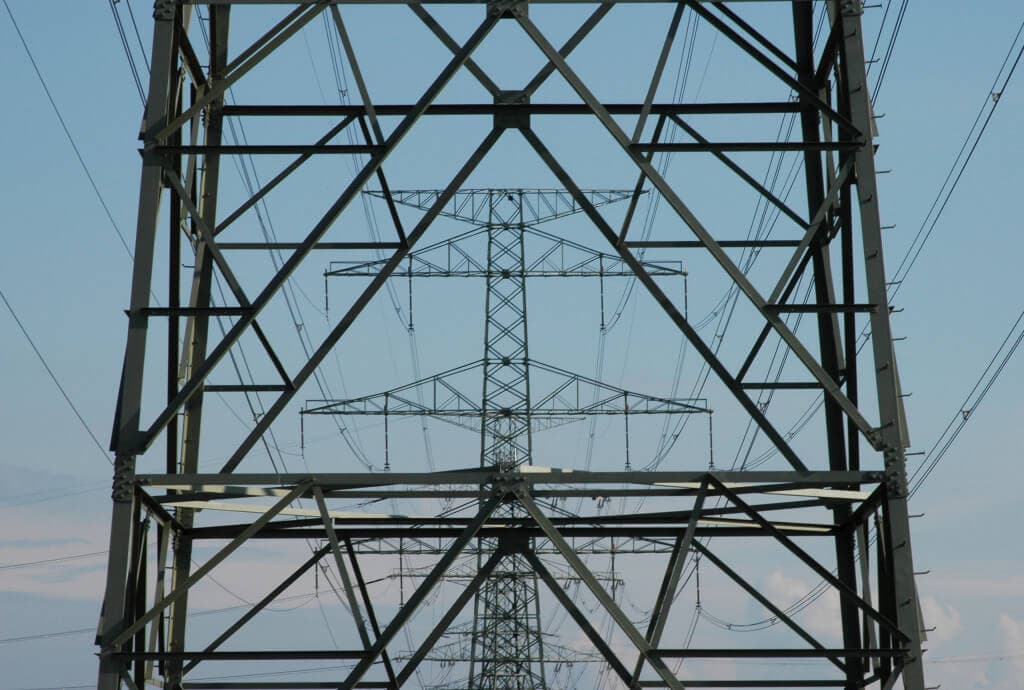
Modernisation of the V411 line, where a snapped cable in the Ústí nad Labem Region led to Friday’s widespread power outage in Czechia, will begin next year. Construction of a new double-circuit high-voltage line, which had been planned even before the incident, is expected to cost around CZK 1.7 billion. It is due to be completed in May 2027. ČTK was told this by Lukáš Hrabal, spokesperson for state-owned transmission system operator ČEPS.
He noted that the line is used to transmit large amounts of power from power plants and to transport electricity over long distances.
Read the full article HERE.
9. Power outage investigation to take weeks as businesses seek compensation
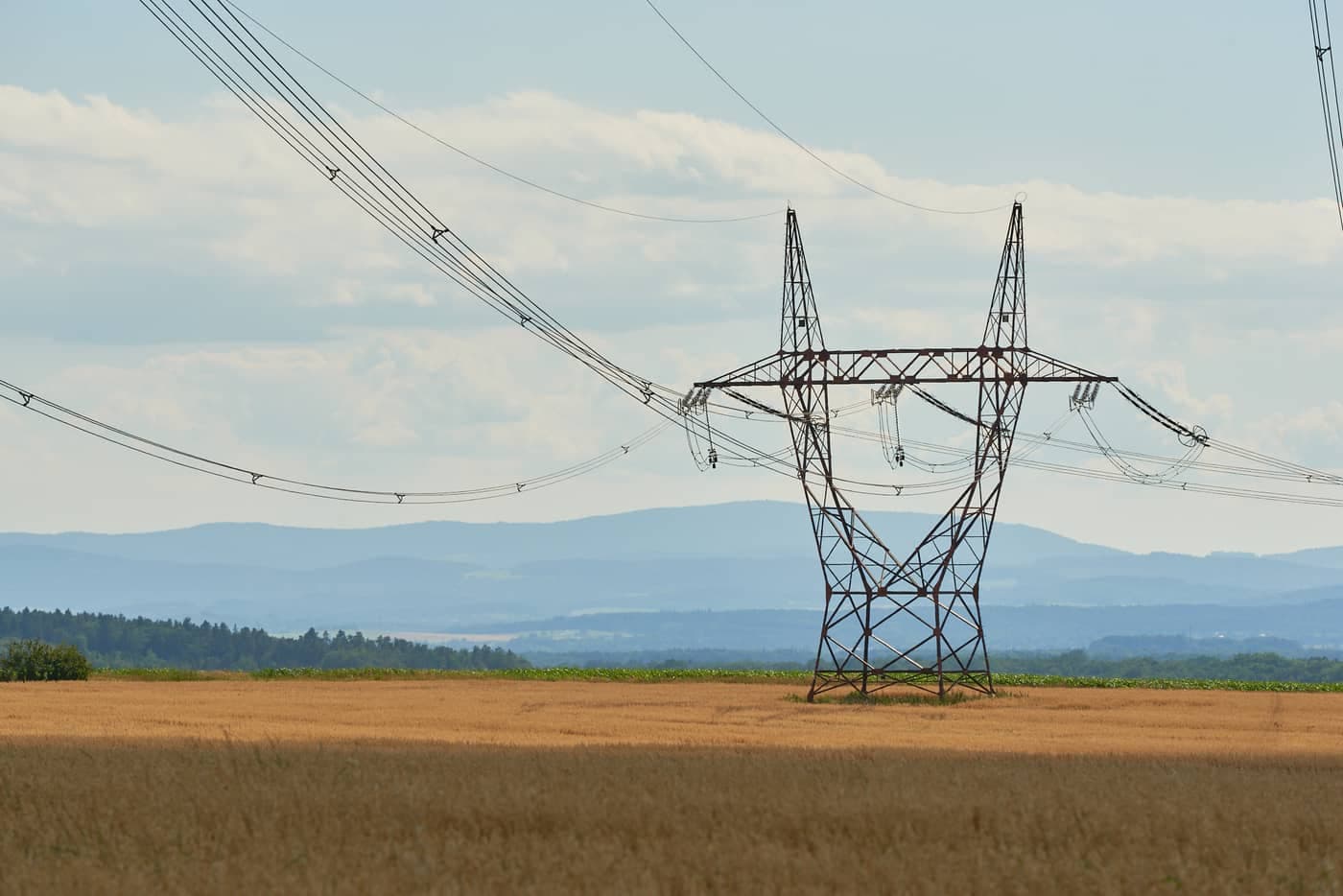
The investigation into Friday’s massive power outage in Czechia will take several weeks and will also involve experts from across Europe. The electricity distribution network was left undamaged by the blackout. Business organisations have criticised Industry and Trade Minister Lukáš Vlček (STAN) for downplaying its impact. They say the outage caused tens of millions of crowns in damage to the hospitality sector and are calling for a compensation proposal. Vlček said any compensation would be decided only after the causes have been analysed. Other businesses also suffered heavy losses. Since Friday, interest in backup power sources has increased among Czechs.
Around one million customers lost power shortly after midday on Friday. The outage affected several towns and regions in the Central Bohemian, Ústí nad Labem, Liberec, Hradec Králové and Olomouc regions, as well as, in particular, the eastern bank of Prague. Transmission system operator ČEPS said the main mechanical cause was the failure of a phase conductor that carries electricity between power plants and substations. The reason the conductor was damaged is not yet known.
Read the full article HERE.
10. Lignite mining at the Bílina mine to end in 2033, Czech Mining Authority confirms

Lignite mining at the Bílina mine in northern Czechia will end by 2033 at the latest. This was confirmed by the Czech Mining Authority in a decision published on its official noticeboard. In mid-May, the Ministry of the Environment and semi-state-owned ČEZ Group, which owns Severočeské doly, agreed to end mining in 2033. The original deadline was 2035.
Severočeské doly itself requested that mining end by 2033 at the latest, instead of the date in its original application. The Czech Mining Authority accepted the request and amended the original non-final decision by the District Mining Authority in Most to extend mining at Bílina. The decision limits mining to 31 December 2033. According to the decision, specific proposals for phased land reclamation must be prepared in cooperation with landscape character assessment specialists and biologists, and in close cooperation with municipalities and local initiatives.
Read the full article HERE.
Energostat: electricity generation in the Czech Republic
Energostat: electricity generation in Germany
Find more up-to-date charts and data on Energostat
Translation disclaimer
This article is a machine translation of the Czech original and has not yet been fully reviewed. In case of any doubt, please refer to the Czech version.