
20 November 2026, 17:31
Loading...
Top 10 energy stories in Czechia from the past week
oEnergetice.cz
14 May 2023, 19:54
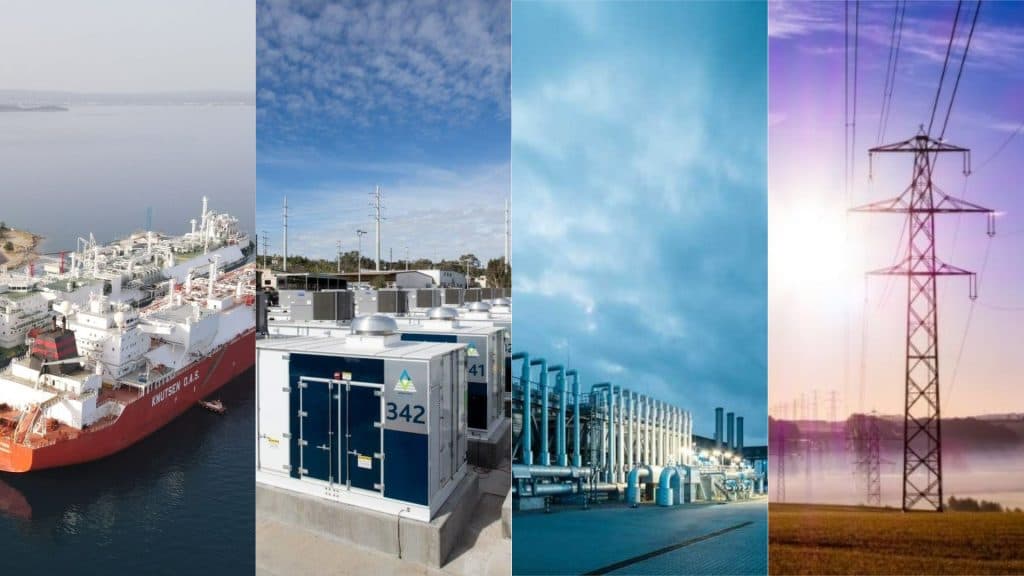
1. The EU has reduced its dependence on Russian oil, but Russia has found new buyers

According to data from the International Energy Agency (IEA), Russia has managed to keep its oil exports at roughly the same level as before its invasion of Ukraine. Russia’s market share in Europe’s oil market has fallen markedly, primarily as a result of the ban on seaborne imports of crude oil and some petroleum products into the EU, which has been in force since 5 December 2022, and since 5 February this year in the case of petroleum products. According to the EU, the ban is intended to cover 90% of Russian oil imports into the bloc. These and other sanctions imposed by the EU, the US and many Western countries are nevertheless effective, as Russia’s revenues have fallen substantially.
Despite Western sanctions, Russia has managed to maintain its oil exports. The EU, for example, banned imports of Russian oil and some petroleum products into the bloc, and then joined countries such as the G7 nations in supporting and enforcing the price cap imposed on Russian oil and petroleum products.
Translation disclaimer
This article is a machine translation of the Czech original and has not yet been fully reviewed. In case of any doubt, please refer to the Czech version.
The article continues for subscribers
Premium content
The rest of this article is available to premium subscribers only. Get access to all premium articles on oEnergetice.cz.
You have read only 12% of the article — unlock the remaining 88% with a premium subscription.
Best value: annual subscription
Monthly option 4 € / month
3.25 €/ month
Topics:Energy Weekly
You might also like
20 November 2026, 10:58
20 November 2026, 10:19

20 November 2026, 06:51
