
25 October 2026, 08:20
Loading...
Top 10 energy stories in Czechia from the past week
oEnergetice.cz
29 June 2025, 17:50
This week, we once again bring you a carefully selected list of the ten most important articles published on oEnergetice.cz. If you missed any of them, here is a selection of the articles that attracted the most interest from our readers. Good luck in the week ahead!
1. Electricity prices in the Czech Republic are among the highest in the world
In the first quarter of 2025, electricity prices in the Czech Republic ranked 13th among the most expensive in the world. Neighbouring Germany ranked fifth. This is the conclusion of an analysis conducted by the German comparison website Verivox.
Households in Bermuda paid the most for electricity in the international comparison, at almost 42 euro cents (10.42 Kč/kWh). They were followed by Denmark, Ireland and Belgium. Germany ranked fifth, at 38 euro cents (9.43 Kč/kWh), according to the report, which draws on data for 143 countries from energy service provider Global Petrol Prices. The Czech Republic ranked 13th in the global league table, with an average price for end customers of 30.35 euro cents/kWh (7.53 Kč/kWh).
Read the full article HERE.
2. The “duck curve” has arrived in Czechia. It has only taken on its characteristic shape in the past two years

The so-called duck curve in the day-ahead electricity market is clearly visible in the Czech Republic, too. While it was barely discernible in 2015, its midday trough has deepened considerably over the past two years. Morning and evening price peaks have also been rising gradually. The phenomenon is clearly visible in data from April and May, when solar power plants generally generate the most electricity. Their output pushes electricity prices down to negative levels around midday.
The rapid expansion of renewable energy sources in recent years has had a major impact on the energy system, including wholesale markets. One such effect is the formation of the so-called duck curve in the day-ahead electricity market. This is the shape formed by the curve of average daily electricity prices for each hour of the day (note: the term “duck curve” is also often used to describe the drop in grid load around midday). Its characteristic outline, which vaguely resembles a duck, has given it the name “duck curve”.
Read the full article HERE.
3. Czechia has fallen to last place among EU countries for the share of electricity from renewables

In the first quarter of this year, the Czech Republic fell to last place among European countries for the share of electricity generated from renewable energy sources (RES) in total net electricity generation. Low output from hydropower and wind power plants led to a year-on-year decline of 4.3 percentage points in this indicator across the EU as a whole. The EU’s statistical office, Eurostat, reported.
In the first quarter of this year, EU countries together generated 42.5% of their net electricity from renewable energy sources. This was down 4.3 percentage points compared with the first quarter of 2024.
Read the full article HERE.
4. China reaches further milestones in the construction of Hualong One reactors

Construction of two new Chinese Hualong One nuclear units has reached key milestones. The official start of construction was marked for unit 3 at the Taipingling plant, while unit 1 at the San’ao plant has successfully completed hot tests and is close to starting up. Both plants are planned to have six units, giving each a total capacity of more than 7 GW once completed.
China General Nuclear Power Group (CGN) announced in the first half of June that it had reached two important milestones in the construction of new nuclear units. CGN has begun construction of the second phase of the Taipingling plant, which will have a total of six Hualong One (HPR1000) nuclear reactors across its three phases.
Read the full article HERE.
5. RWE launches a revolutionary battery capable of providing synthetic inertia
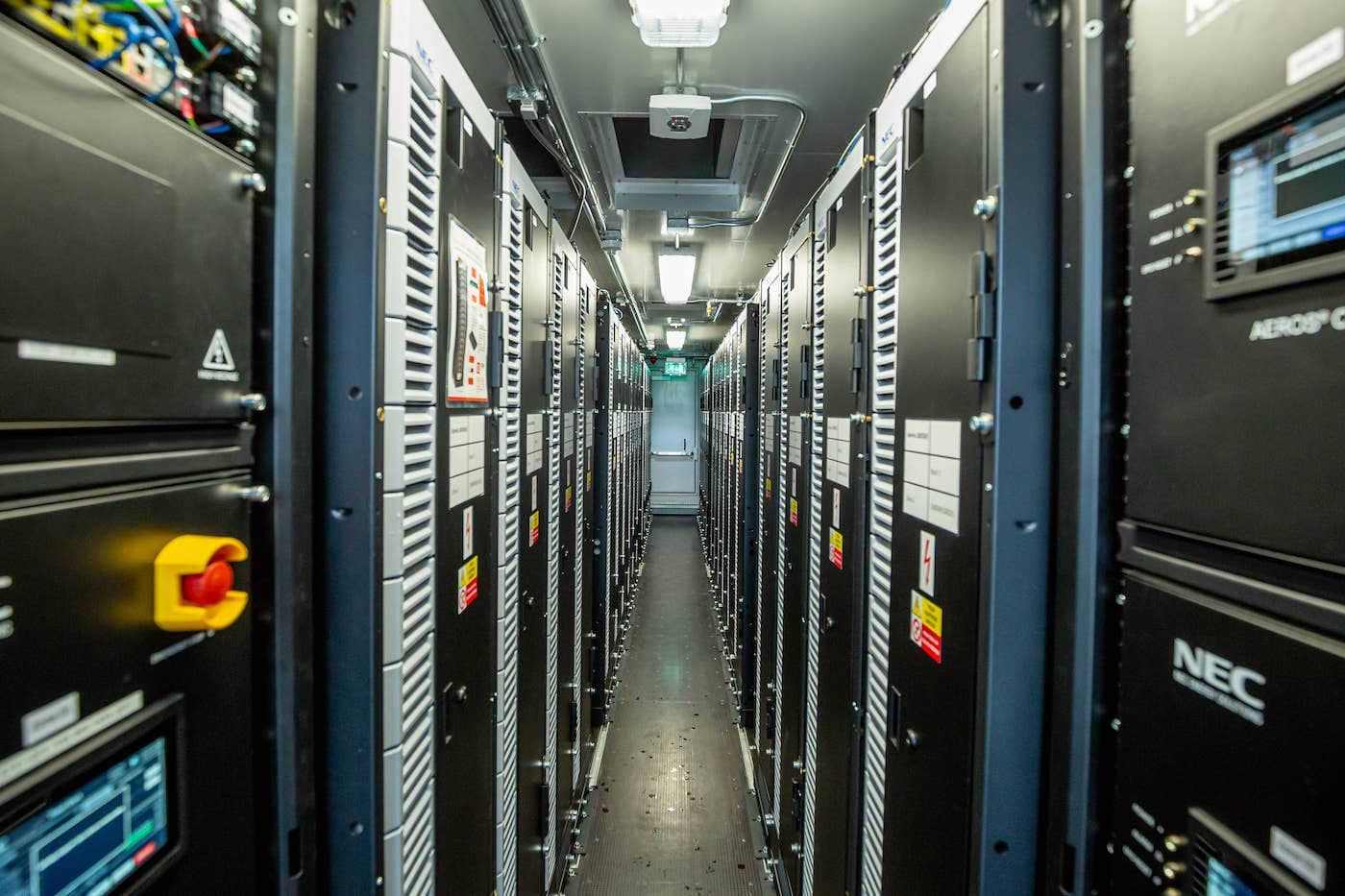
Energy company RWE has commissioned its ultra-fast battery in the Netherlands, which is capable of providing so-called synthetic inertia. The battery storage system, with an installed capacity of 7 MWe and a capacity of 11 MWh, is the first of its kind to be commissioned in Central Europe. RWE said in a press release.
The advanced technology at the newly commissioned battery storage facility in Moerdijk, the Netherlands, can begin supplying electricity or charging within a few milliseconds. This will help stabilise the power system by providing synthetic inertia. In European legislation, this is defined as the ability of a non-synchronous power-generating module or a high-voltage direct-current system to replace the effect of the inertia of a synchronous power-generating module, in accordance with the prescribed functionality.
Read the full article HERE.
6. Regulator authorises construction to resume at Paks II nuclear plant after January incident
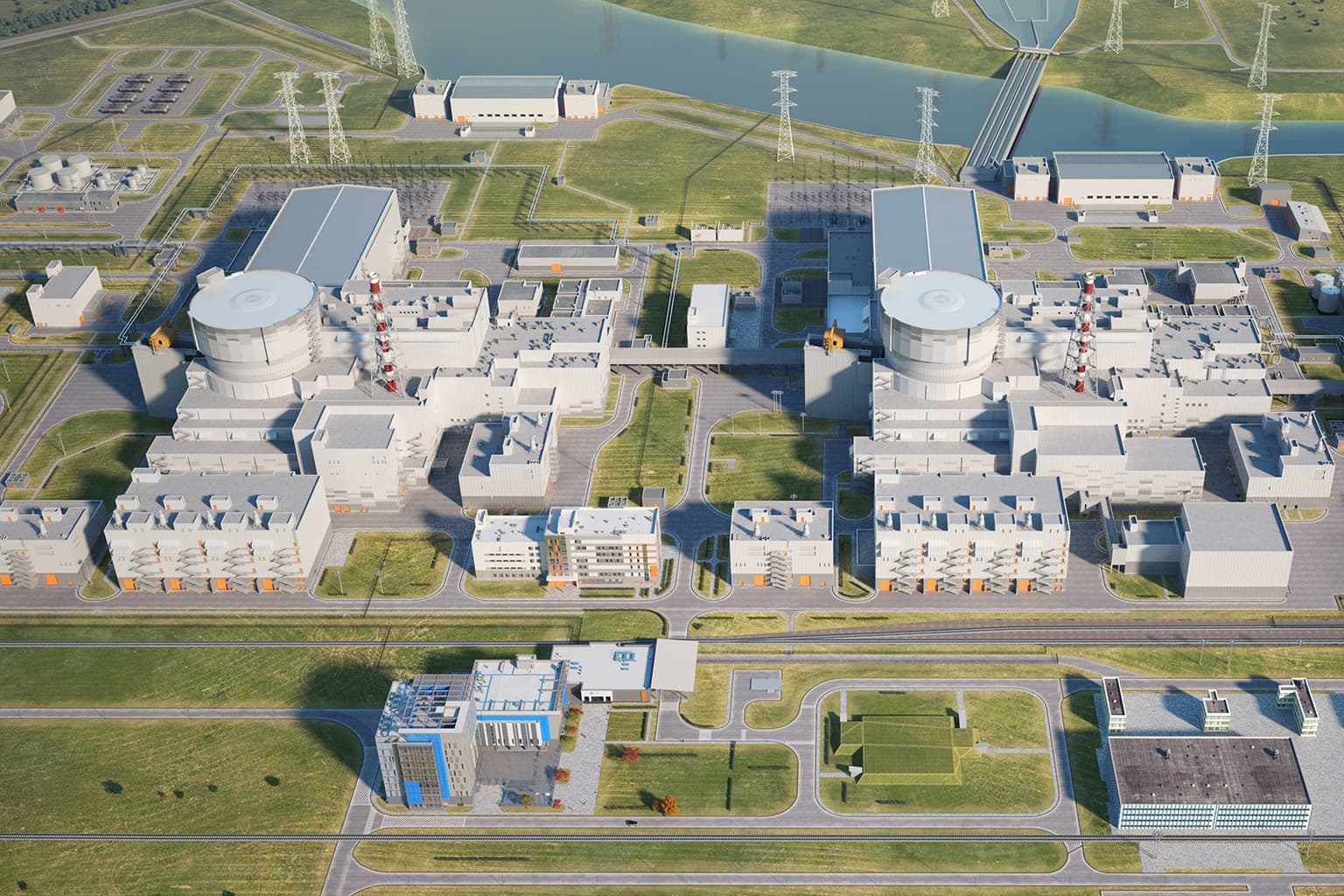
Hungary’s nuclear regulator (HAEA) has authorised construction work to resume throughout the excavation area for the planned first unit of the Paks II nuclear plant. Work was halted following an incident on 30 January 2025, when two unstable sections of the retaining walls gave way in the southern part of the excavation.
Immediately after the incident, HAEA barred Paks II from continuing work on the affected southern wall and ordered a thorough review of the stability of all the excavation walls. The authority also required the company to provide a detailed description of the methods and measures intended to prevent similar incidents that could endanger worker safety.
Read the full article HERE.
7. Three Mile Island nuclear plant may come back online a year earlier than planned
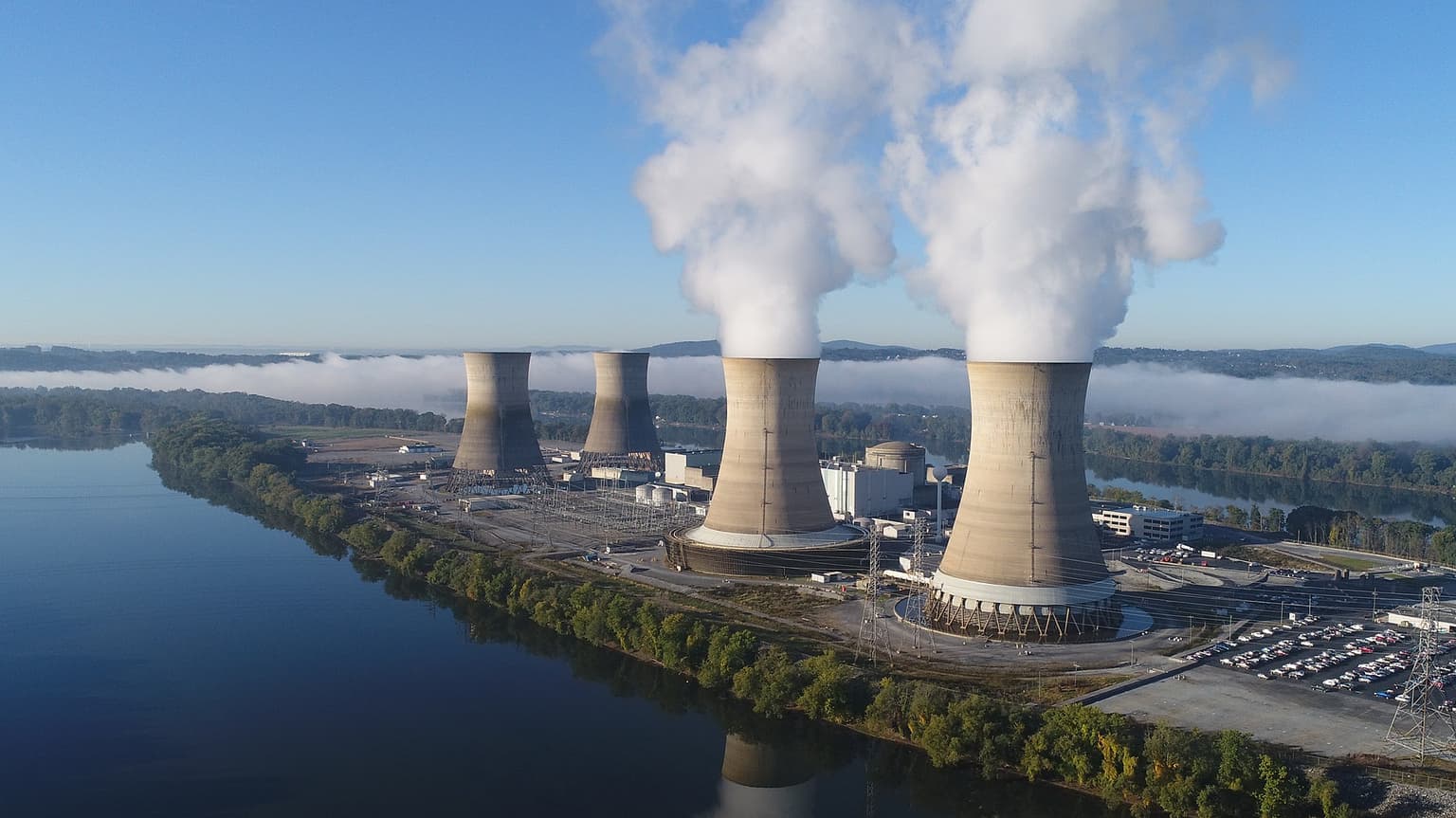
Work to bring the Three Mile Island nuclear plant in the US state of Pennsylvania back to life is gathering pace. According to the plant’s owner, unit 1 could resume operation as early as 2027, a year ahead of the original schedule. Three Mile Island became infamous for the 1979 accident, although its first unit continued operating until recently. In recent years, plans to restart mothballed nuclear plants have emerged in the US amid expectations of rising electricity demand from data centres.
According to its owner, unit 1 at the Three Mile Island nuclear plant could be connected to the grid as early as 2027. Work to restart the plant was made possible by an agreement between owner Constellation Energy and Microsoft, which plans to use its output to meet the electricity needs of its data centres. Microsoft’s role is crucial in this case, as it has committed to purchasing the plant’s full output for twenty years. This commitment provides the plant with financial stability and makes the restart project possible.
Read the full article HERE.
8. Industry and Trade Minister Vlček considers nationalising ČEZ an economic absurdity
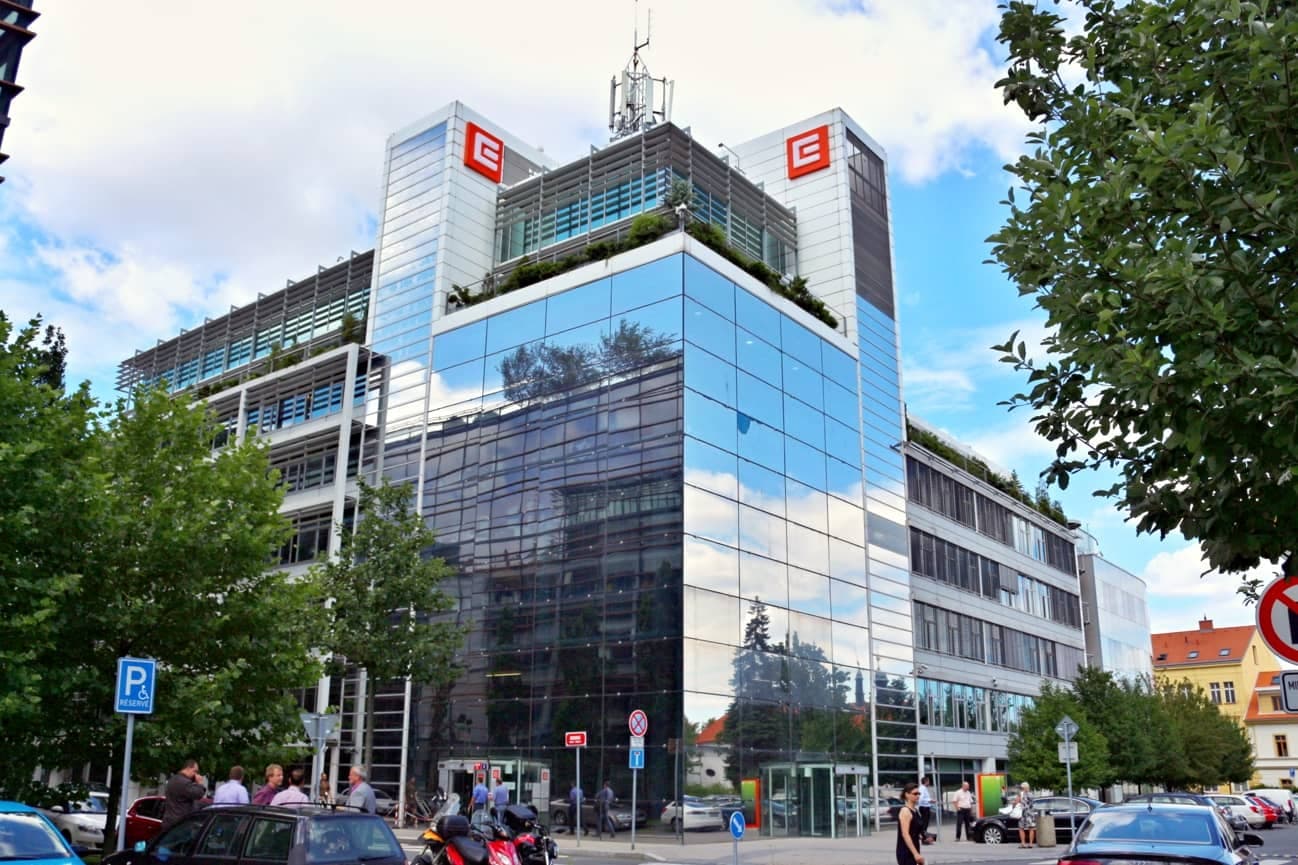
Industry and Trade Minister Lukáš Vlček (STAN) considers nationalising energy group ČEZ an economic absurdity. It would cost hundreds of billions of crowns, which could instead be used to modernise the energy sector, Vlček told the Czech News Agency (ČTK). The ANO movement is among those that want to nationalise ČEZ after the election. Its chairman, Andrej Babiš, says the proposal should be part of the election manifesto. ANO deputy chairman Karel Havlíček also believes the state should have full control of the company. In his view, the company’s current shareholder structure complicates further development in the energy sector.
The ČEZ Group is one of the largest energy companies in Czechia. The state is its majority shareholder, holding around 70 per cent of the shares through the Ministry of Finance, while the remainder is held by private shareholders.
Read the full article HERE.
9. China connected a record amount of solar capacity to the grid in May, more than any other country added over all of last year

China commissioned a record amount of photovoltaic capacity last month, connecting a total of 93 GW to the grid, Bloomberg reported. The monthly increase in capacity is truly remarkable, exceeding what any other country (excluding China itself) managed to add over the whole of 2024. The record was not entirely unexpected, however: it was driven by a regulatory change that prompted developers to accelerate the completion of projects already under way.
According to figures from the National Energy Administration of the People’s Republic of China cited by Bloomberg, China added 93 GW of new solar capacity in May, surpassing its own record of 71 GW set in December 2024. According to analysts at BloombergNEF, China installed more in a single month than any other country managed in all of 2024. And by a long way.
Read the full article HERE.
10. German LNG terminals are busy, but gas often flows to neighbouring countries
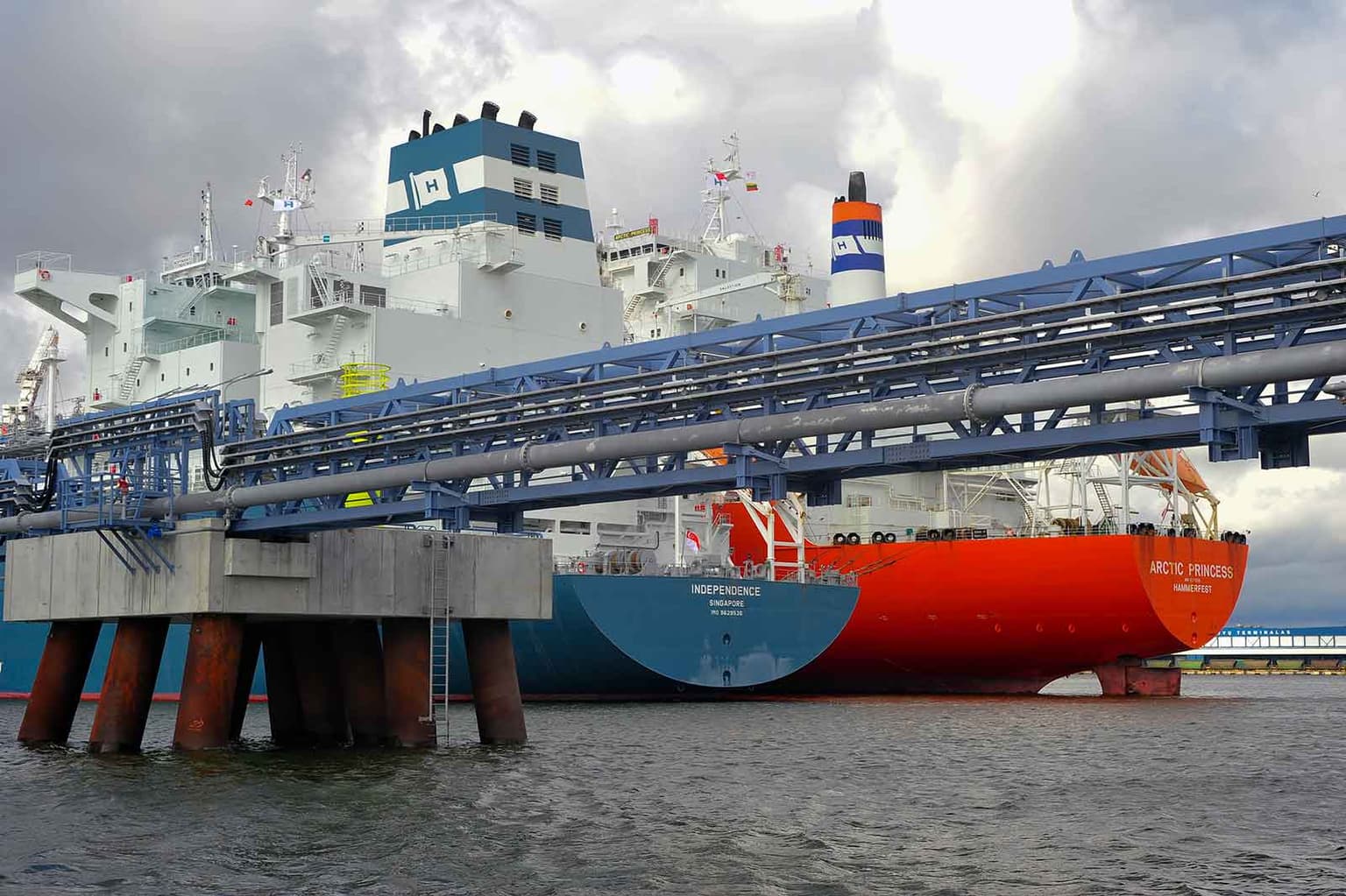
German liquefied natural gas (LNG) terminals are busier than ever. Much of the imported fuel, however, flows from Germany to other countries, including the Czech Republic. Domestic stocks therefore remain low, Bloomberg warned.
According to vessel-tracking data compiled by Bloomberg, deliveries to the country’s four floating terminals have surged in recent months as Germany seeks to replenish its gas stocks. Rather than going into domestic storage, however, large volumes of gas are flowing to Austria and the Czech Republic, as well as further on to Hungary and Ukraine.
Read the full article HERE.
Energostat: electricity generation in the Czech Republic
Data in this chart is also available in 15-minute resolution60min15min
Energostat: electricity generation in Germany
Data in this chart is also available in 15-minute resolution60min15min
More up-to-date charts and data are available on Energostat
Translation disclaimer
This article is a machine translation of the Czech original and has not yet been fully reviewed. In case of any doubt, please refer to the Czech version.
Sdílejte článek prostřednictvím:
Topics:Energy Weekly
You might also like

23 October 2026, 14:38