Top 10 energy stories of the past week
This week, we once again bring you a carefully selected list of the ten most important articles we published on oEnergetice.cz. If you missed any of them, here is a selection of the articles that attracted our readers the most. Good luck in the new week!
1. Danube rises, Paks nuclear power plant increases output again: Hungary's equivalent of Dukovany recovers from record drought
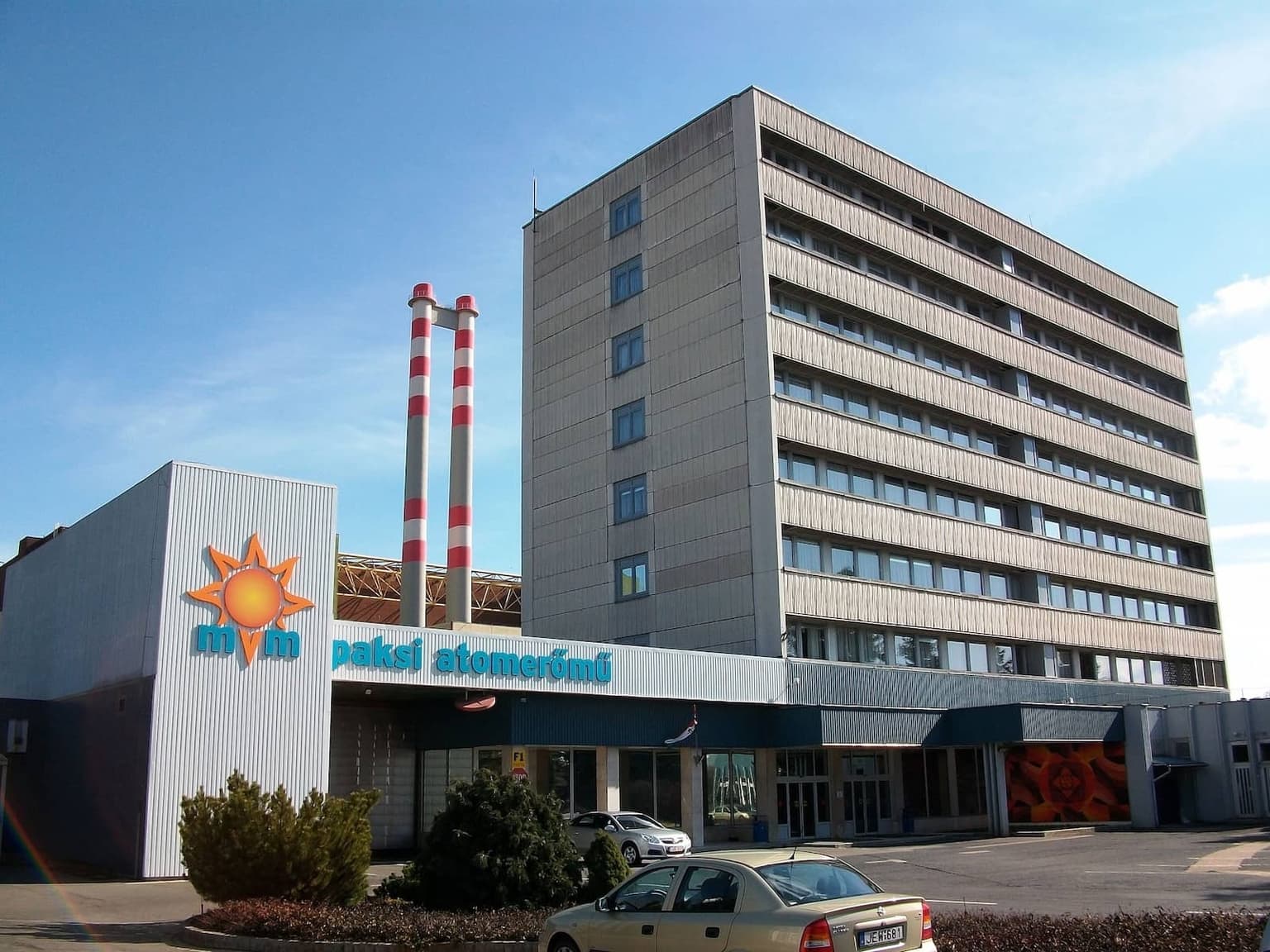
The record-low Danube pushed Hungary's Paks to the brink of a complete shutdown at the end of July. The nuclear power plant is now gradually increasing its output again. Czech nuclear power plants are not threatened by drought.
Like a number of other countries, Hungary has been grappling with extremely high temperatures since June. According to the European Union's Copernicus climate service, the summer months so far have been exceptionally hot and dry in Western and Central Europe. Western Europe experienced the warmest June and July since records began, while river flows fell well below normal levels. Alongside the French Seine and the Rhine, the Danube was among the worst-affected rivers. According to Copernicus, low water levels affected water supplies and energy production in several countries, in some cases driving electricity prices on exchanges up by as much as 100 %.
Find the full article HERE.
2. July heat drove up electricity prices in Czechia. Solar generated a record high
The average electricity price on the Czech day-ahead market reached nearly 110 EUR/MWh in July, around 22 % higher year on year. Prices rose despite record generation from solar power plants and significantly higher output from nuclear power plants, while electricity consumption remained virtually at last year's level. This follows from data available on Energostat.
The average spot electricity price in July was the highest since 2022, when the market was significantly affected by the European energy crisis. Compared with July last year, it rose by nearly 20 EUR/MWh, while it was more than 40 EUR/MWh higher than in 2024.
Find the full article HERE.
3. New Green Savings: Solar PV is no longer just about electricity generation
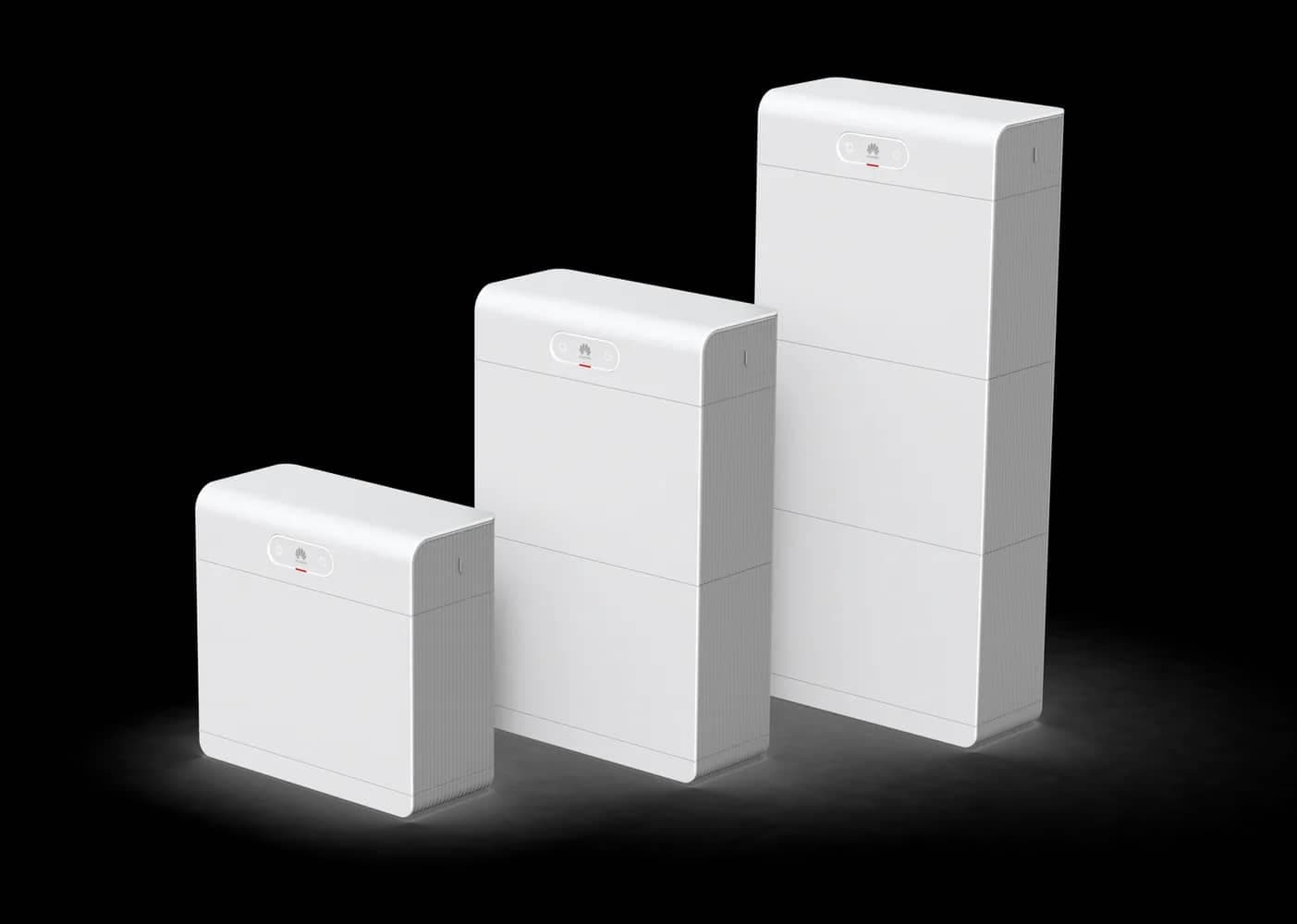
New Green Savings: Solar PV is no longer just about electricity generation
Solar power systems on family homes have long ceased to be merely about installing a few panels on a roof. Current developments in household energy are moving towards enabling households not only to generate electricity, but also to store it efficiently and manage its consumption. This trend is also reflected in the New Green Savings programme, which in recent years has increasingly supported comprehensive energy solutions rather than individual technologies.
Find the full article HERE.
4. China's Tianwan 8 nuclear unit with Russian VVER reactor completes cold testing
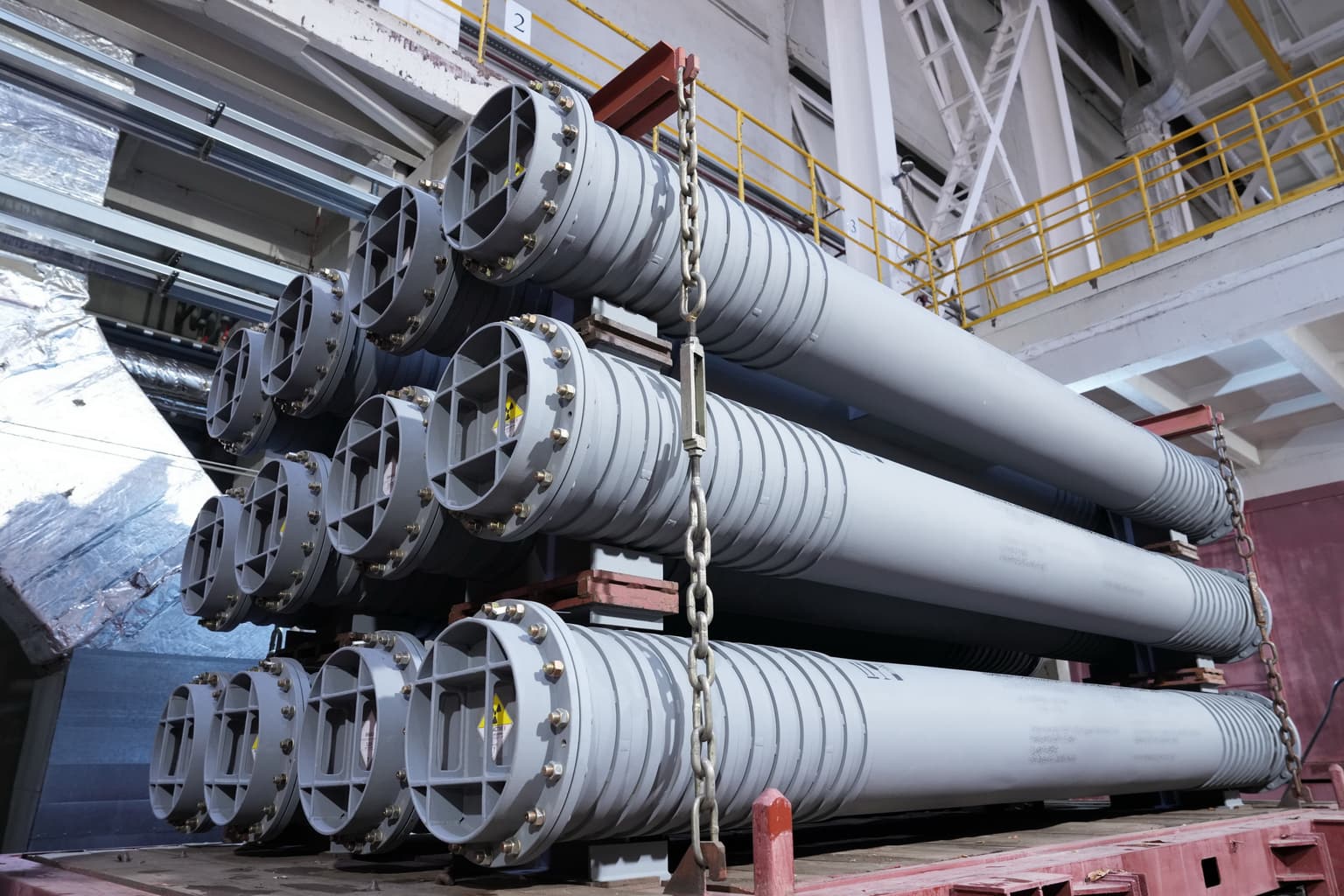
A new Chinese nuclear unit at the Tianwan plant has successfully completed cold functional tests. It has thus moved from the construction phase to the commissioning phase. China and Russia are jointly building a pair of VVER-1200 units at the plant under a 2018 contract. Once the plant's eighth unit enters operation, its installed capacity will rise to 8.4 GW, making it the world's largest nuclear power plant.
Chinese energy company CNNC (China National Nuclear Corporation) announced the achievement of an important construction milestone at Tianwan Unit 8. The new VVER-1200 nuclear unit, with an installed capacity of 1200 MW, successfully completed cold functional tests.
Find the full article HERE.
5. Giant wind turbines off Heligoland completed. He Dreiht heads for full operation
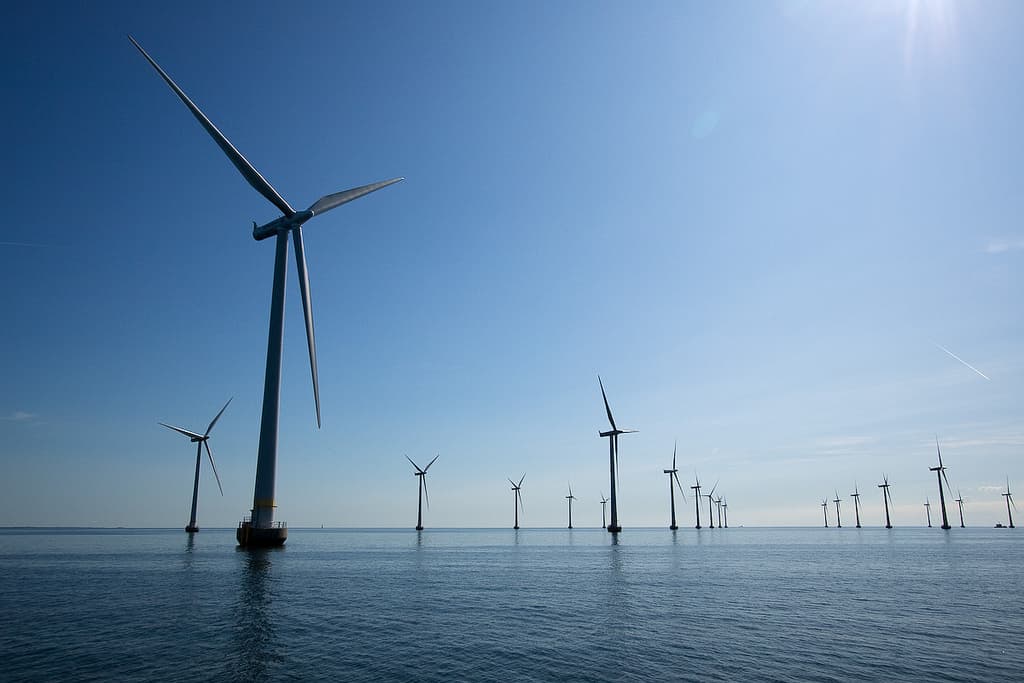
German energy group EnBW has completed Germany's largest offshore wind farm to date, around 110 kilometres west of the Heligoland archipelago in the North Sea. The DPA news agency reported this today. The EUR 2.4 billion (CZK 58.1 billion) He Dreiht project (Low German for "it turns") consists of 64 wind turbines with a total installed capacity of 960 megawatts (MW).
According to EnBW, once fully commissioned, which is expected by the end of summer, the complex is to supply electricity to around 1.1 million households.
Find the full article HERE.
6. Electricity prices in Southeast Europe exceeded 700 EUR/MWh. Quarter-hours around 8 p.m. were the most expensive

Drought and heat cut output at nuclear and hydropower plants in the Danube basin, while prices on regional exchanges jumped 50 to 100 percent compared with previous weeks. A peak of EUR 717 per MWh was reached on 3 August on Slovenia's BSP SouthPool exchange. However, an analysis of seven exchanges shows that price spikes were not spread evenly, but concentrated in four quarter-hour trading intervals between 19:30 and 20:30, when solar power generation ends while consumption has yet to decline.
The cause of this phenomenon on the markets is a confluence of circumstances unprecedented in the region in recent years. According to an analysis by Balkan Green Energy News, which processed day-ahead market data from seven exchanges for the period from 31 July to 6 August, Hungary's Paks nuclear power plant cut output by 90 percent due to a lack of cooling water from the Danube. Of its installed 2 000 MW, it was generating around 230 MW. Romania's Cernavodă reduced output by half, while Slovenia's Krško cut output by one fifth due to the high temperature of the Sava River.
Find the full article HERE.
7. Russia arms itself against new EU sanctions. It is significantly expanding its shadow fleet of LNG tankers
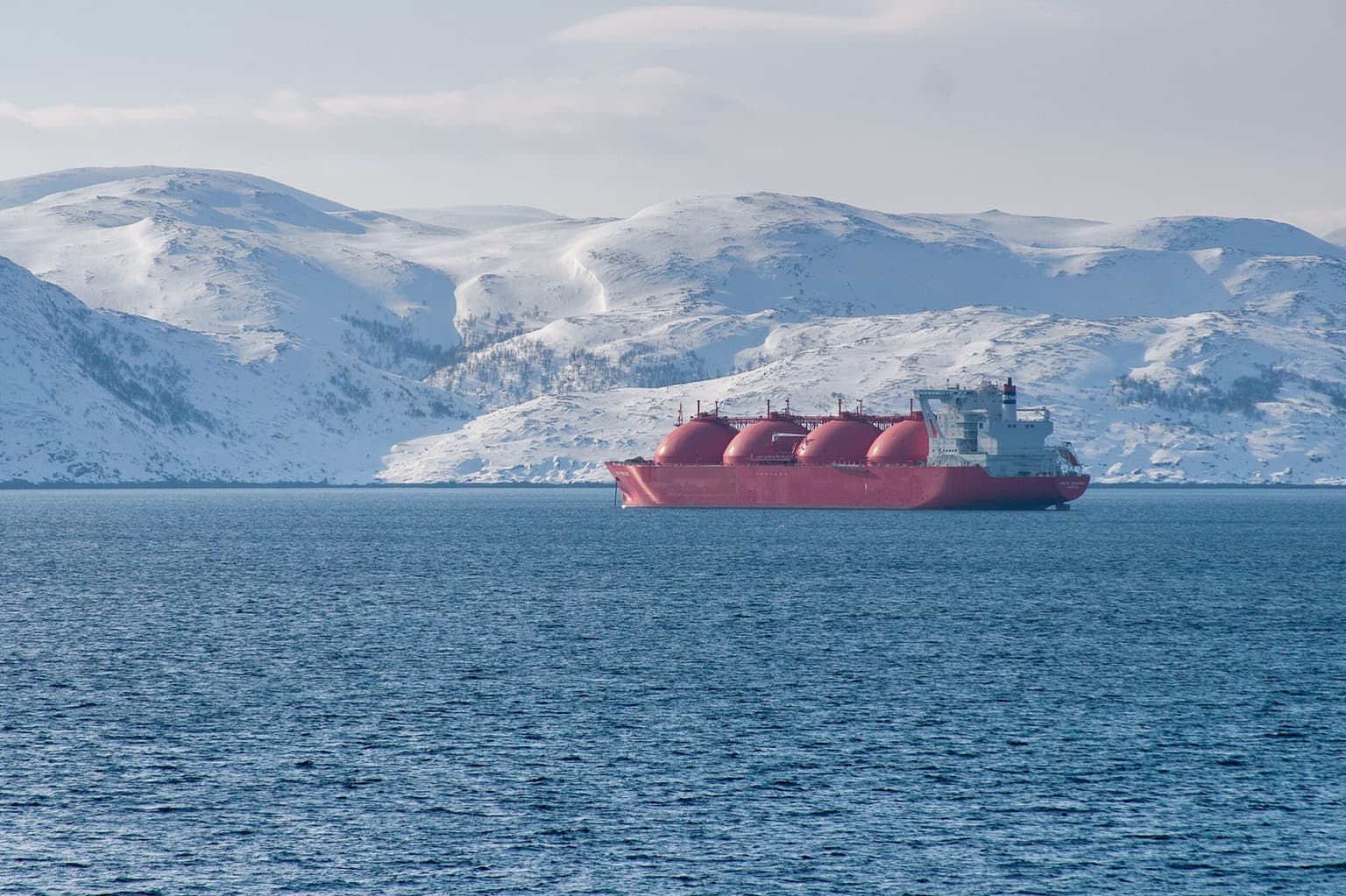
In the first half of the year, Russia has been dedicating every effort and resource to expanding its fleet of LNG tankers. The acquisition of new transport capacity is intended to ensure continuity in wartime Russia's exports of liquefied gas through next year. From January, an EU sanctions package is set to take effect that would effectively end Russian LNG in Europe. A larger fleet of vessels is intended to expand Russia's options for circumventing this blanket ban and retaining at least part of its European market. As the data show, this market is at a record high this year.
Shadow LNG fleet: Russia buys older ships but is also building new ones
According to data from maritime company Windward, Russia has added eight LNG tankers to its shadow fleet over the past six months. Russians managed to build two of them themselves at the Zvezda shipyard, while the other six were bought second-hand.
Find the full article HERE.
8. As solar capacity grows, a solar eclipse poses a greater challenge. ČEPS is also monitoring the situation
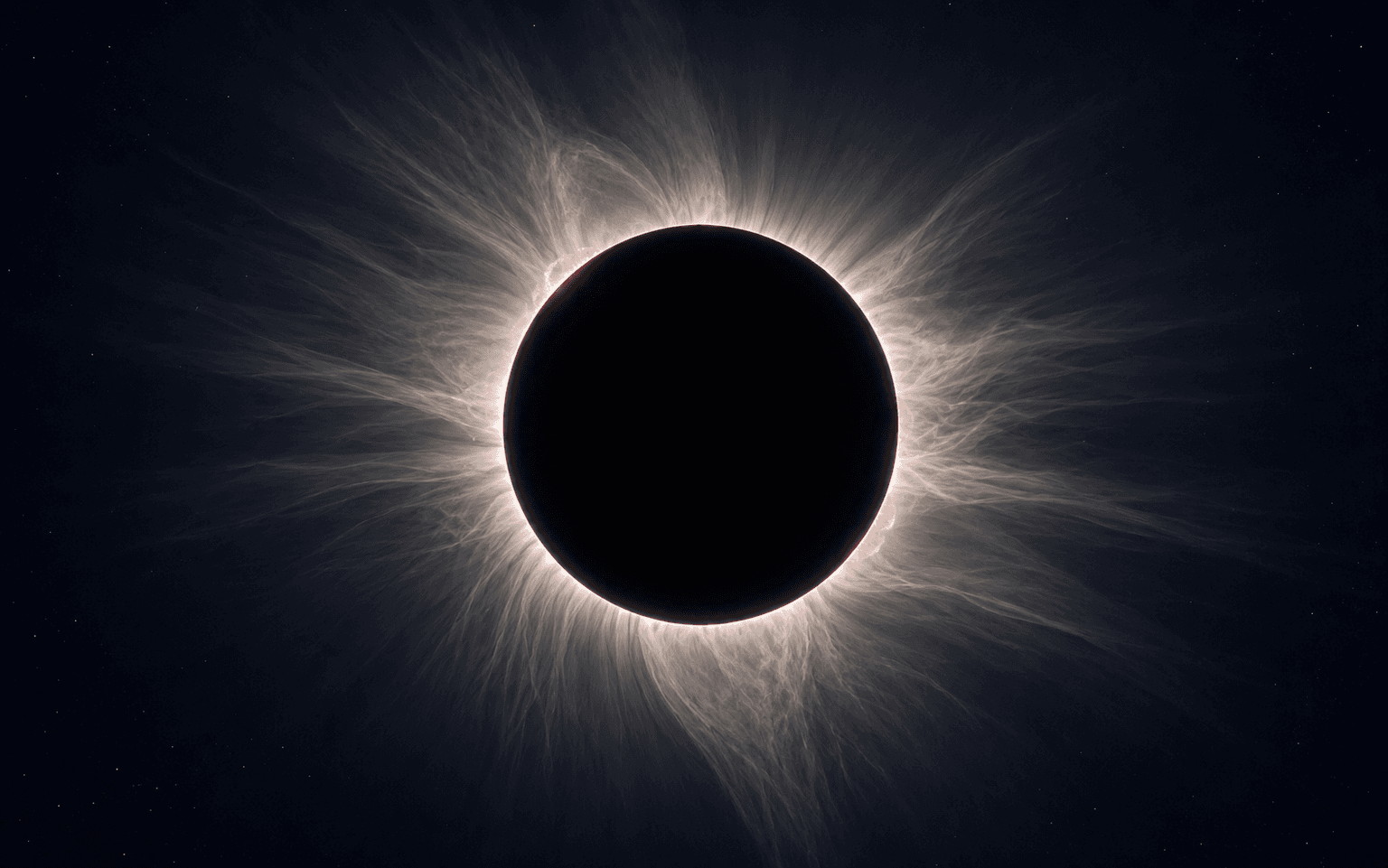
Today, between 19:15 and 21:30, electricity generation from solar sources in Europe could fall by nearly 9700 megawatts. Electricity grid operators (TSOs) in European countries are preparing for the effects of a total solar eclipse expected in Greenland, Iceland, Spain and Portugal. As solar energy's share in electricity generation grows, coordination of transmission systems is becoming increasingly necessary.
History of the eclipse's impact on the European power system
In 1999, when a total solar eclipse could be observed over Europe, installed solar PV capacity was in the low hundreds of megawatts (around 100 MW). The event therefore had virtually no significant impact on power system operation.
Find the full article HERE.
9. Key progress on India's path towards the thorium cycle
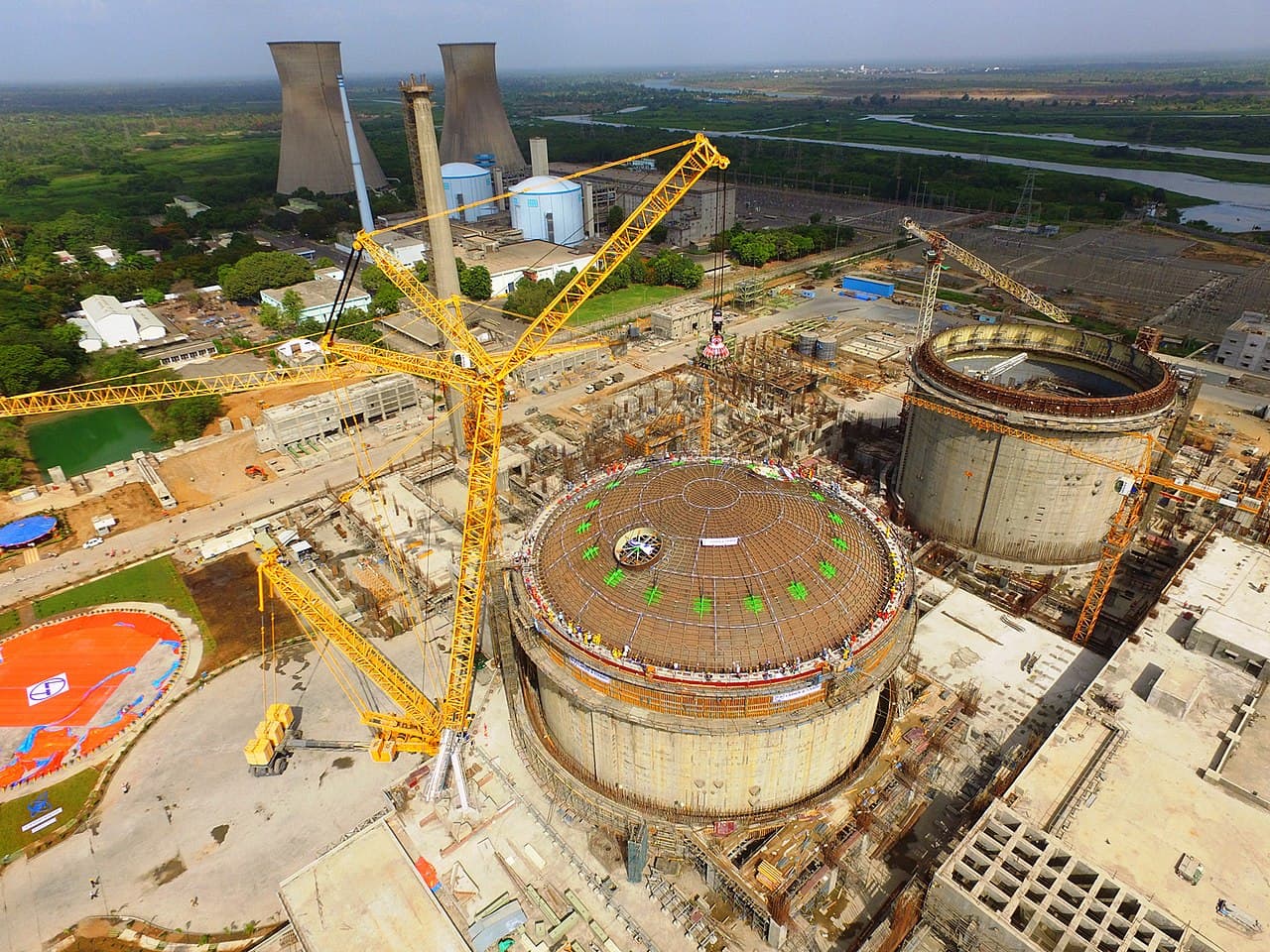
India has finally succeeded in taking key steps towards establishing a thorium cycle. Following a series of delays, the first three domestic 700 MWe heavy-water reactors have entered operation and their mass construction is beginning. At the same time, a fission chain reaction has been initiated at a domestic 500 MWe sodium-cooled reactor, which should be the second pillar of the thorium utilisation system. Let us take a closer look at its current status.
India has only very limited uranium reserves, but very large deposits of thorium ores. If it succeeded in basing its nuclear power sector on the thorium cycle, its domestic raw material resources would last for centuries or even millennia. This is why India has taken this path. To use thorium 232, it must first be converted through neutron capture into thorium 233, which is then transformed through two beta decays into uranium 233, a fissile material similar to uranium 235.
Find the full article HERE.
10. Industry ministry wants to "turn off the lights" on Dukovany. Key contracts are no longer to be publicly accessible
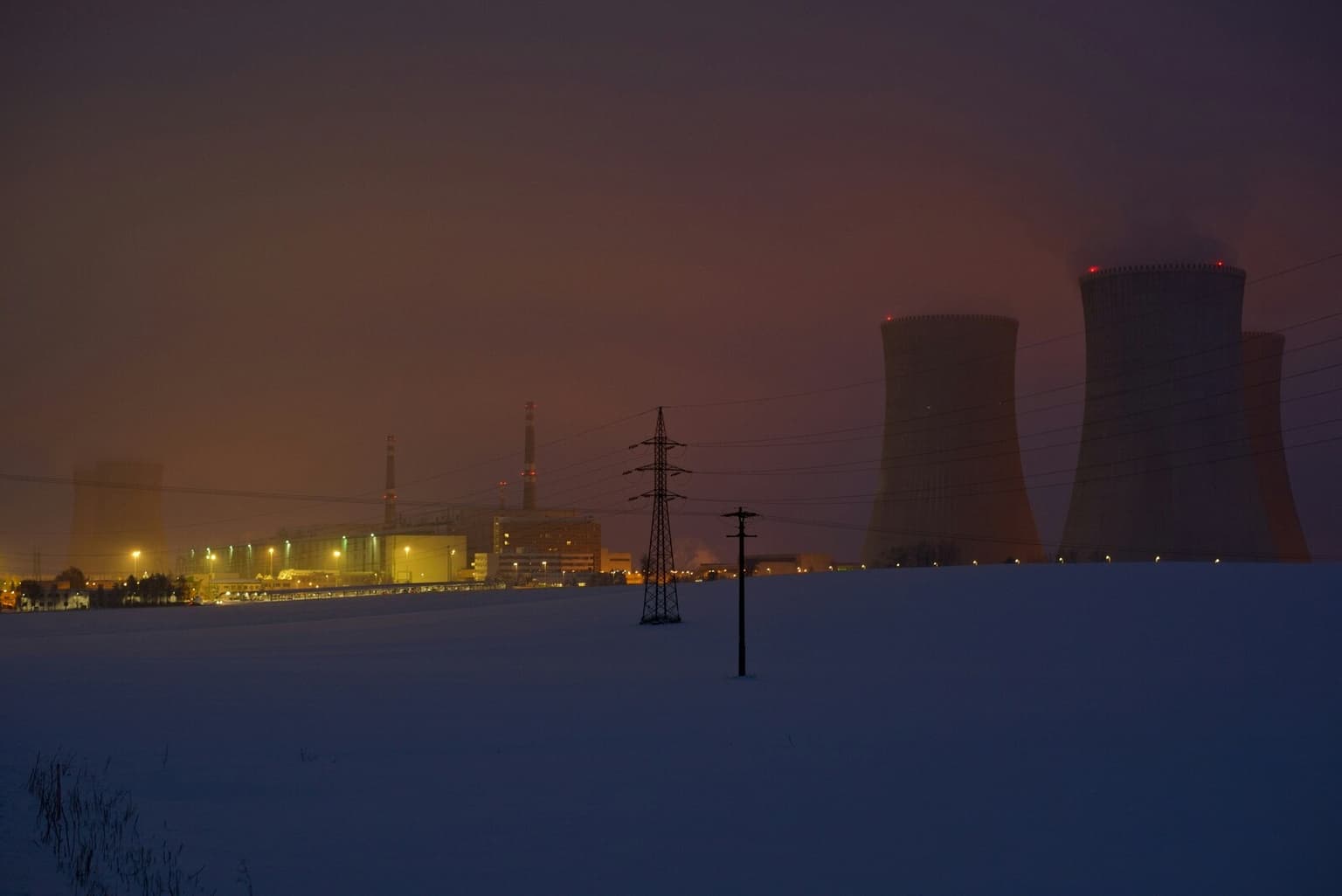
The Ministry of Industry and Trade is proposing a broader amendment to the so-called Low-Carbon Act, primarily intended to technically harmonise rules for supporting new nuclear sources. However, the most visible change for the public is a reduction in transparency: selected key contracts related to the construction of nuclear units, including the contract for difference supporting new sources, would no longer have to be published in the contract register, and some documents already published could be made inaccessible.
This week, the Ministry of Industry and Trade published a draft amendment to the so-called Low-Carbon Act, namely Act No. 367/2021 Coll. on measures for the transition to low-carbon energy, as well as the related Energy Act and Contract Register Act. Formally, it is primarily an adjustment to the support mechanism, contract conclusion processes and settlement of balancing payments for new nuclear sources.
Find the full article HERE.
Energostat: electricity generation in Czechia
Energostat: electricity generation in Germany
Find more current charts and data on Energostat
Translation disclaimer
This article is a machine translation of the Czech original and has not yet been fully reviewed. In case of any doubt, please refer to the Czech version.