27 October 2026, 10:17
Loading...
Top 10 energy stories of the past week
oEnergetice.cz
3 August 2025, 16:30
This week, we once again bring you a carefully selected list of the ten most significant articles published on oEnergetice.cz. If you missed any of them, here is a selection of the stories that attracted the most interest from our readers. Best of luck in the new week!
1. You’re falling behind, warns European Commission. Czechia is catching up again, while Denmark leads the way

The European Commission has launched infringement proceedings against 26 EU member states for failing to adequately transpose European Directive 2023/2413, which concerns accelerated permitting for renewable energy sources. Only Denmark has met its obligations among the EU’s 27 member states. Czechia is incorporating the directive into its legislation through a law to accelerate the development of certain renewable energy sources, which will take effect on 1 August.
Following the energy crisis, the European Union approved a range of measures aimed at preventing a repeat of the 2021–2023 crisis. These include Directive 2023/2413, also known as RED III. Among other things, it introduces so-called acceleration areas for renewable energy development.
Read the full article HERE.
2. Germany considers revising renewable energy targets. Study to assess future consumption
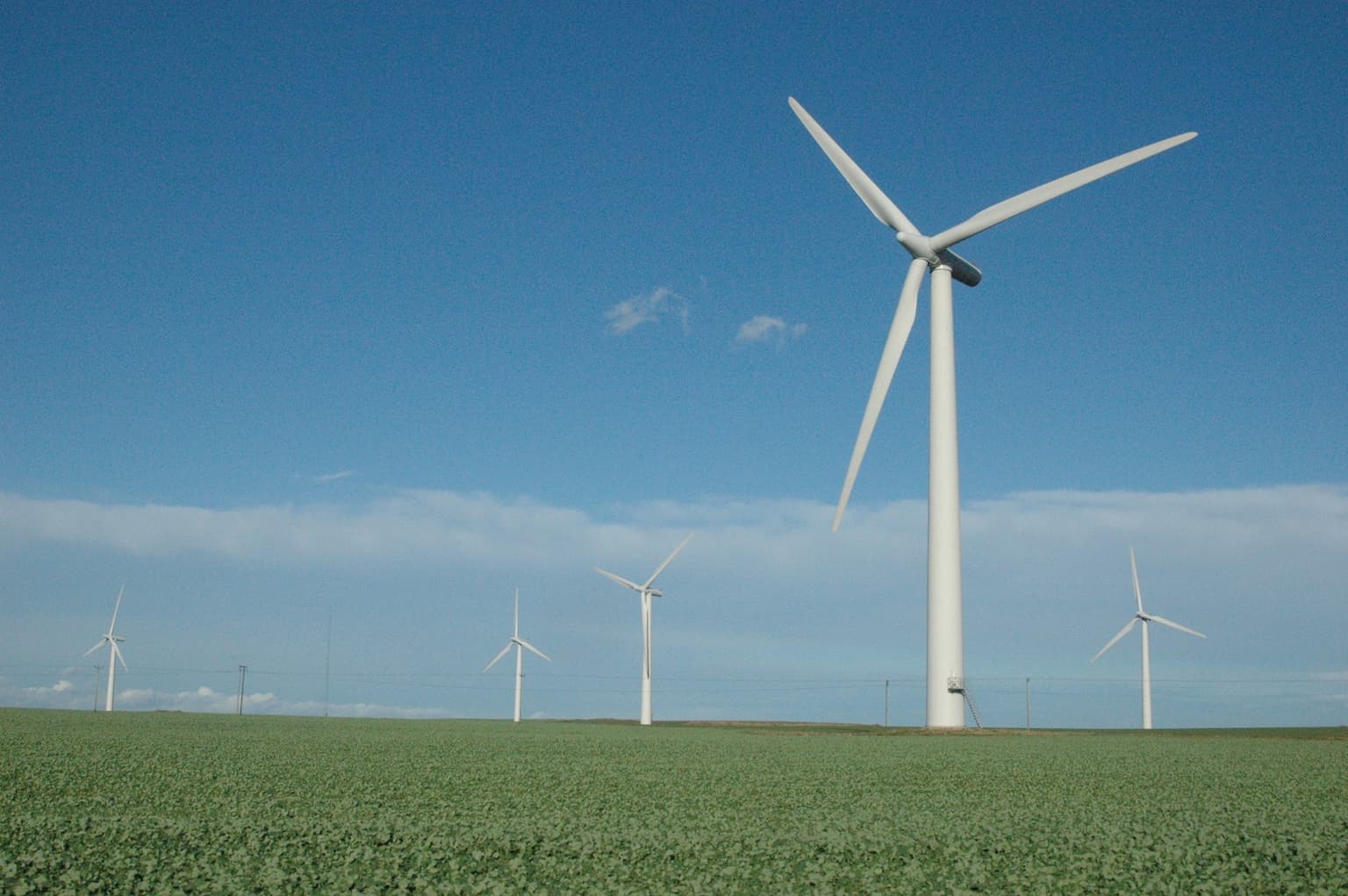
Germany’s Ministry for Economic Affairs has commissioned a new study to provide a clearer picture of future electricity consumption. Its findings could affect the country’s ambitious plans to develop renewable energy and support the construction of gas-fired power plants. Revised estimates could also have a significant impact on the electricity market and price forecasts.
The Ministry for Economic Affairs, led by Katherina Reiche, has commissioned a new study to assess how electricity consumption in Germany will evolve through 2030. According to Montel, the government may adjust its targets for renewable energy development and gas-fired power plants based on the findings.
Read the full article HERE.
3. Landmark oil discovery off the Polish coast raises hopes and concerns

The recent discovery of an oil deposit off the Polish coast is undoubtedly one of the largest—and possibly the largest—in the country’s history. Some media outlets have even called it a landmark discovery for Poland’s energy security. At the same time, questions are being raised about the risks associated with extraction, which have been highlighted by economists at the German Institute for Economic Research (DIW).
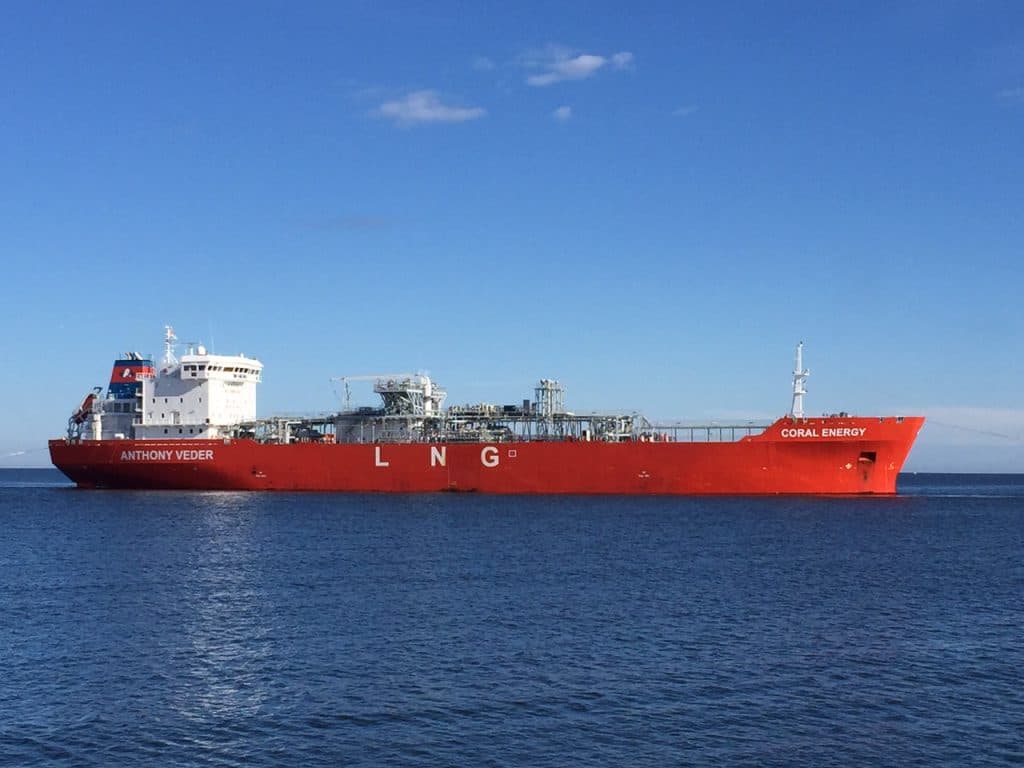
Canadian company Central European Petroleum (CEP) announced earlier this week that it had discovered more than 22 million tonnes of recoverable oil and 5 billion cubic metres of gas. The discovery was made near the port city of Świnoujście, which is also home to a major LNG terminal. As we reported HERE, this is one of the largest conventional oil deposits discovered in Europe over the past decade.
Read the full article HERE.
4. Up to 10% of domestic gas consumption: Czechia eyes major expansion of biomethane plants
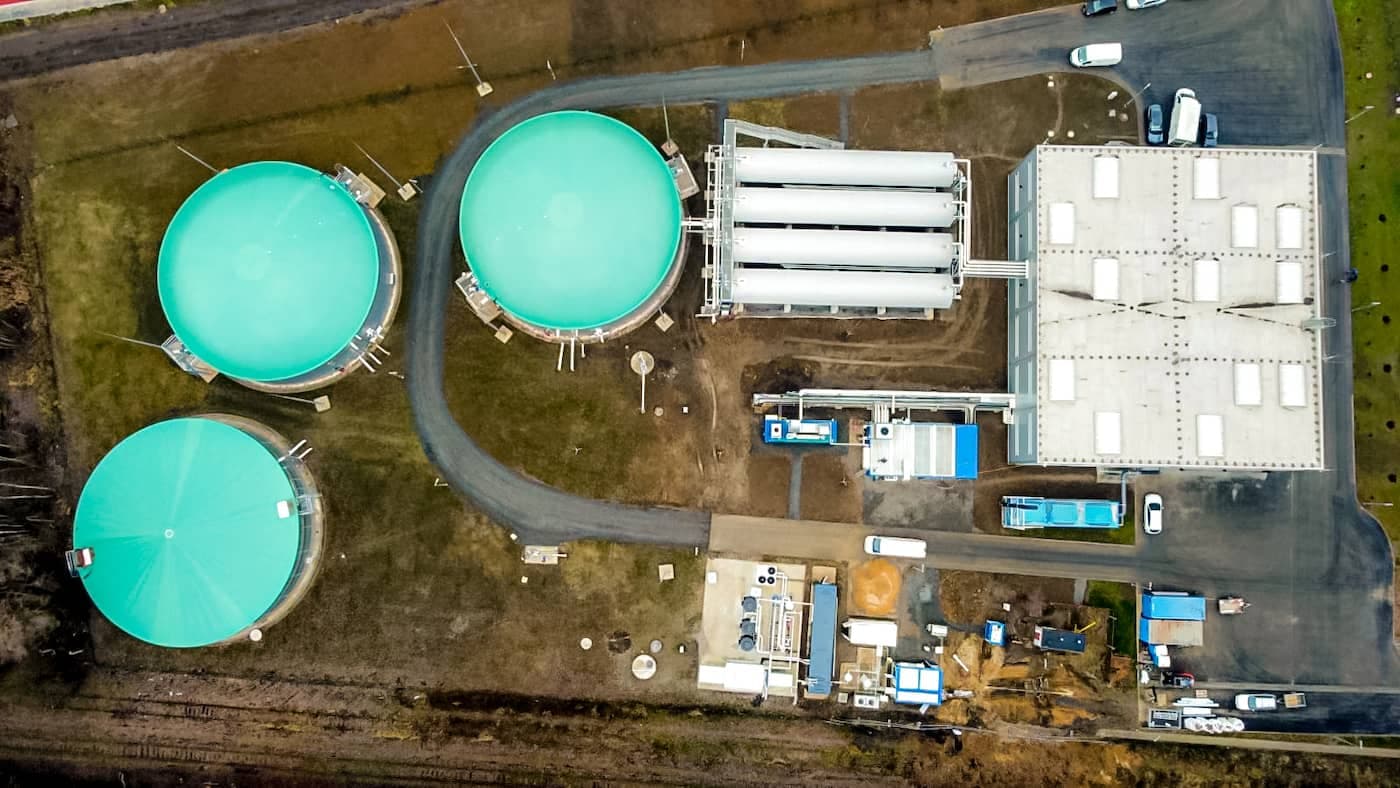
Biomethane production in the Czech Republic is expected to grow rapidly in the coming years. The number of biomethane plants is set to rise from the current 10 to 100 by 2029. This is according to the Action Plan for Biomethane Development in the Czech Republic, presented by the Ministry of the Environment together with the Ministry of Industry and Trade and the Ministry of Agriculture.
Biomethane production began in the Czech Republic in 2019, when the first biomethane plant entered operation. By 2024, the number of plants had risen to 10, with a total installed capacity of 17.7 million m3/year. Last year’s production, however, reached just 7.5 million m3. By comparison, Czech Republic’s natural gas consumption amounted to 6 767 million m3 last year.
Read the full article HERE.
5. German data centres build their own gas-fired power plants amid long waits for grid connections

Data centre operators in Germany are planning to build their own gas-fired power plants because of slow connections to the electricity grid. The reason is the long wait for grid connections, which can take up to 15 years in extreme cases.
The number of applications to build data centres in Germany has risen sharply in recent years. E.DIS Netz, the distribution system operator in Brandenburg and Mecklenburg-Western Pomerania, has received 170 applications from data centres since 2022, representing a total connected load of 22 GW.
Read the full article HERE.
6. German hard coal-fired power generation is up by more than a fifth this year

Germany’s hard coal-fired power plants had a stronger first half of the year than last year. They supplied more than a fifth more electricity to the grid than in the first half of last year. In addition to colder weather, lower renewable generation contributed to the increase. Although solar power generation rose again, wind power generation fell considerably compared with last year.
Although Germany continues to increase its installed renewable capacity, particularly in solar and wind power, it still relies on fossil fuels. This is also borne out by electricity generation data for the first half of this year, which show that a growing number of renewable plants does not necessarily mean more green electricity. This is true of wind power, whose output fluctuates considerably more from year to year than that of solar sources.
Read the full article HERE.
7. Trump’s “big, beautiful bill” deals a heavy blow to US renewables
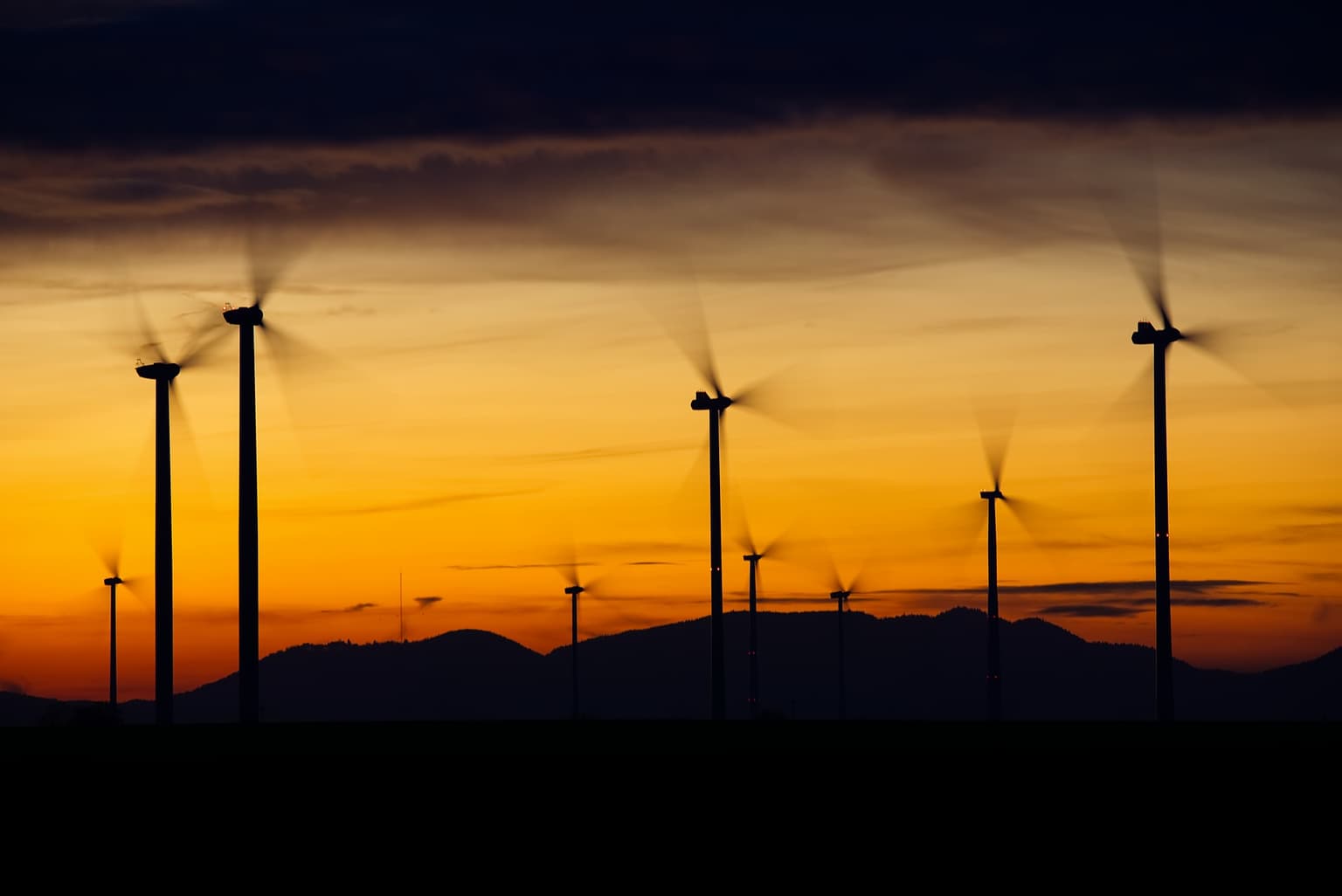
President Donald Trump’s recently passed “big, beautiful bill” will hit the development of “clean” energy technologies in the United States hard. For example, in response to the bill’s passage, BNEF researchers cut their forecast for new installed wind, solar and battery storage capacity commissioned between 2025 and 2030 by almost a quarter. BNEF expects wind power to be the hardest hit.
In response to the passage of the “big, beautiful bill”, BNEF researchers cut their forecast for new wind power capacity in 2025–2030 by 50% compared with their forecast from the first half of this year. BNEF expects solar capacity to fall by 23% and energy storage systems by 7%. Overall, new capacity from these sources over the period is expected to reach 395 GW, 23% less than the previous forecast of 512 GW.
Read the full article HERE.
8. Investor plans wind farm in the Jeseník region, with referendums to decide the project’s fate

VTE Jeseník, part of the First Wind group, plans to build a wind farm with up to ten turbines near the municipalities of Bernartice, Kobylá nad Vidnavkou and Velká Kraš in the Jeseník region. Local residents will decide the fate of the investment plan in referendums this autumn. The votes in Bernartice and Kobylá will take place alongside elections to the Chamber of Deputies. The Czech News Agency (ČTK) received the information today from the Interior Ministry’s data and a press release from VTE Jeseník.
The company has offered local authorities in the Rychlebské Mountains area compensation for the construction of the turbines.
Read the full article HERE.
9. Will the European Commission scrutinise Dukovany? Leading lawyers discuss the issue in Brno

Masaryk University’s Faculty of Law hosted the 2nd Energy Law Colloquium in June, opening an important debate about the future of nuclear energy in the European Union. The expert programme focused on key legal, economic and political issues surrounding the development of nuclear energy in the EU—including financing options for new projects, the application of the Foreign Subsidies Regulation (FSR), and the legal framework for the construction and operation of nuclear facilities. The discussions confirmed that nuclear energy remains a major issue in European energy policy—and that law will play an important role in shaping it.
Václav Trejbal of the Ministry of Industry and Trade spoke at the colloquium about the changing status of nuclear power—from a technology long viewed as problematic and often sidelined in European energy policy to its current recognition as a key tool for achieving climate goals and strengthening the Union’s energy security and technological sovereignty. He discussed in detail the inclusion of nuclear energy in the European taxonomy for sustainable finance and its recognition as a strategic technology under the Net Zero Industry Act. He also outlined European Commission measures aimed at gradually ending dependence on Russian nuclear fuel supplies and related services.
Read the full article HERE.
10. Spain to provide hundreds of millions of euros to support renewable component manufacturing
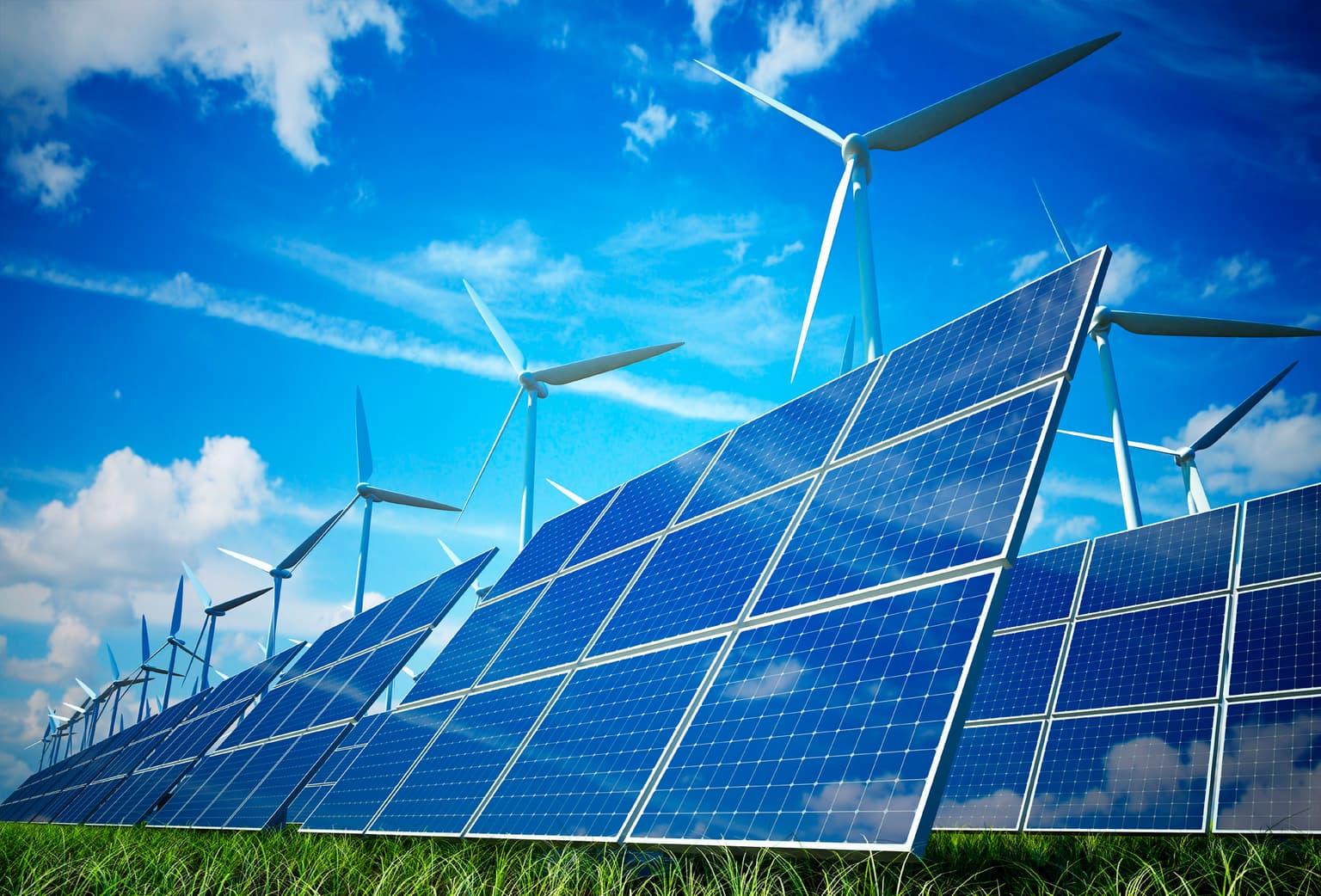
The Spanish government has launched a new programme offering 480 million euros to support the manufacture of components for renewable energy sources. The funding will be provided through the programme for recovery and resilience of the economy. In addition to equipment for manufacturing solar panels and wind turbines, support will also go to battery and electrolyser production. The new programme follows an earlier initiative that offered more than 200 million euros for the manufacture of components for solar power plants.
European developers of renewable energy and related technologies, such as battery storage, often rely on components imported from other countries, particularly China. Against a backdrop of rising geopolitical risks and, more recently, the possibility of a global trade war, greater European self-sufficiency in manufacturing components for renewables and batteries is also increasingly being discussed.
Read the full article HERE.
Energostat: electricity generation in the Czech Republic
Data in this chart is also available in 15-minute resolution60min15min
Energostat: electricity generation in Germany
Data in this chart is also available in 15-minute resolution60min15min
Find more up-to-date charts and data on Energostat
Translation disclaimer
This article is a machine translation of the Czech original and has not yet been fully reviewed. In case of any doubt, please refer to the Czech version.
Sdílejte článek prostřednictvím:
Topics:Energy Weekly
You might also like
27 October 2026, 06:15
26 October 2026, 19:59

26 October 2026, 14:24