
25 October 2026, 08:20
Loading...
Top 10 energy stories of the past week
oEnergetice.cz
17 August 2025, 20:30

This week, we once again bring you a carefully selected list of the ten most important articles published on oEnergetice.cz. If you missed any of them, here is a selection of the articles that attracted the most interest from our readers. Best of luck in the week ahead!
1. After the boom, the bust: Czech solar market hit by a wave of bankruptcies

2025 has brought a major wave of insolvency filings to the Czech solar market. The main reasons include cooling demand as electricity prices return to normal. Dozens of companies are affected, with some of the best-known failures including Solek, Hydropol, Woltair, nanosun, GEEN Holding, GoldenSun and S-Power (S-Power Energies), as well as Energetický Holding Malina, which left thousands of customers with unfinished installations in 2023.
Solek became insolvent in spring 2025, when its overseas expansion and high debt collided with a sharp fall in electricity prices and tighter conditions in key markets. Hydropol followed in the summer, with liabilities amounting to hundreds of millions of crowns and an application for reorganisation. Woltair, a company operating in the modern energy sector that had attracted a number of high-profile investors, also filed for insolvency after a brief moratorium. One of the largest solar panel distributors in the Czech Republic, Nanosun, became insolvent in August 2025, despite recently having generated revenue in the billions of crowns. GEEN Holding, meanwhile, sought protection from creditors as early as spring 2025. S-Power (S-Power Energies) entered insolvency in 2025 with debt of around
190 million Kč. GoldenSun became insolvent at the end of 2024, when it was unable to meet its obligations.
These cases show that the problems have affected not only companies focused exclusively on the solar market, whether in the supply or installation chain, but also energy companies active in other sectors with diversified businesses.
Read the full article HERE.
2. Overheating of the UK battery storage market could serve as a warning to Germany

The UK experience shows that a rapid increase in large-scale battery installations can lead to market saturation and falling revenues. Investors currently earn these mainly by providing balancing services (SVR), or services that ensure grid stability. Analysts predict that Germany will see similar developments within the next few years. This could bring drawbacks, but also new opportunities.
Germany's battery energy storage system (BESS) market is facing developments similar to those already under way in the United Kingdom, where market saturation is beginning to significantly reduce BESS operators' profits. According to analysts at Aurora Energy Research, revenues from participation in Germany's balancing services are expected to fall significantly by 2030.
Read the full article HERE.
3. Florida plans to sue the world's largest sustainability platforms over deceptive practices

Florida's attorney general has announced an investigation into the practices of SBTi (Science Based Targets initiative) and CDP (Carbon Disclosure Project). These platforms are widely used by companies around the world to set sustainability commitments and internal targets and report on them.
Attorney General James Uthmeier said the organisations would be investigated over potential antitrust violations and the use of deceptive business practices. The news was reported by ESG Today.
Read the full article HERE.
4. World's largest uranium miner plans to launch nuclear fuel production

Kazakhstan has long ranked first among uranium miners and suppliers on the global market. The country, however, does not yet operate a single nuclear power plant, nor does it produce nuclear fuel from its domestic uranium. That is set to change in the future.
Uranium mining is only the first step towards operating nuclear power plants, as this raw material must then be processed into nuclear fuel. Nuclear fuel supplies are therefore a strategic issue for many countries, while the number of suppliers on the global market is limited. Diversifying nuclear fuel supply options has become even more important in recent years since the outbreak of the war in Ukraine.
Read the full article HERE.
5. Utilities to connect standalone batteries to distribution grids; applications cover thousands of MWh
From October, energy companies will begin connecting standalone battery storage systems to the distribution grid in Czechia. Applicants in the country have so far requested capacity reservations for storage totalling thousands of megawatt-hours (MWh). The applications include large systems with capacities of several hundred MWh. The largest storage facility currently in operation has a capacity of 29 MWh, according to the Czech Association for Energy Storage AKU-BAT. At present, only large storage facilities operating in combination with other energy sources can be connected.
The option to connect standalone battery storage systems to the grid stems from the Lex OZE III amendment to the Energy Act, approved this year, which set out rules for energy storage, aggregation and flexibility in Czechia after years of debate.
Read the full article HERE.
6. China begins construction of new six-unit Jinqimen nuclear power plant
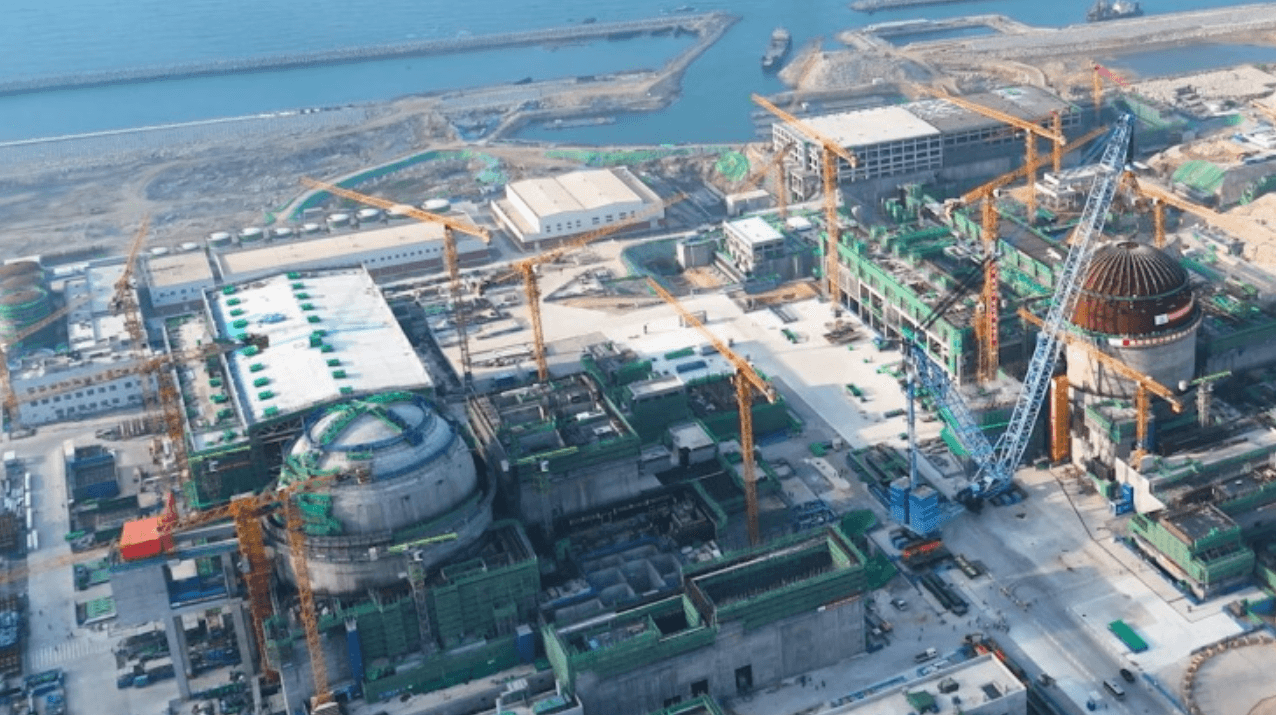
China has officially begun construction of another new nuclear power plant. At a ceremony, workers poured the first concrete for the Unit 1 building at the Jinqimen plant. Six Hualong One nuclear units, each with a capacity of 1200 MW, are planned for the site. Once completed, the plant will supply 55 TWh of low-emission electricity to the grid each year. This year marks the 10th anniversary of the start of construction on the first unit of the Chinese Hualong One reactor design.
China National Nuclear Corporation (CNNC) announced that construction of the new Jinqimen nuclear power plant had officially begun. The first concrete for the Unit 1 building was poured at the groundbreaking ceremony on 10 August. CNNC received construction permits from Chinese authorities for the plant's first two units in early August.
Read the full article HERE.
7. China struggles to transmit renewable electricity as curtailment doubles this year
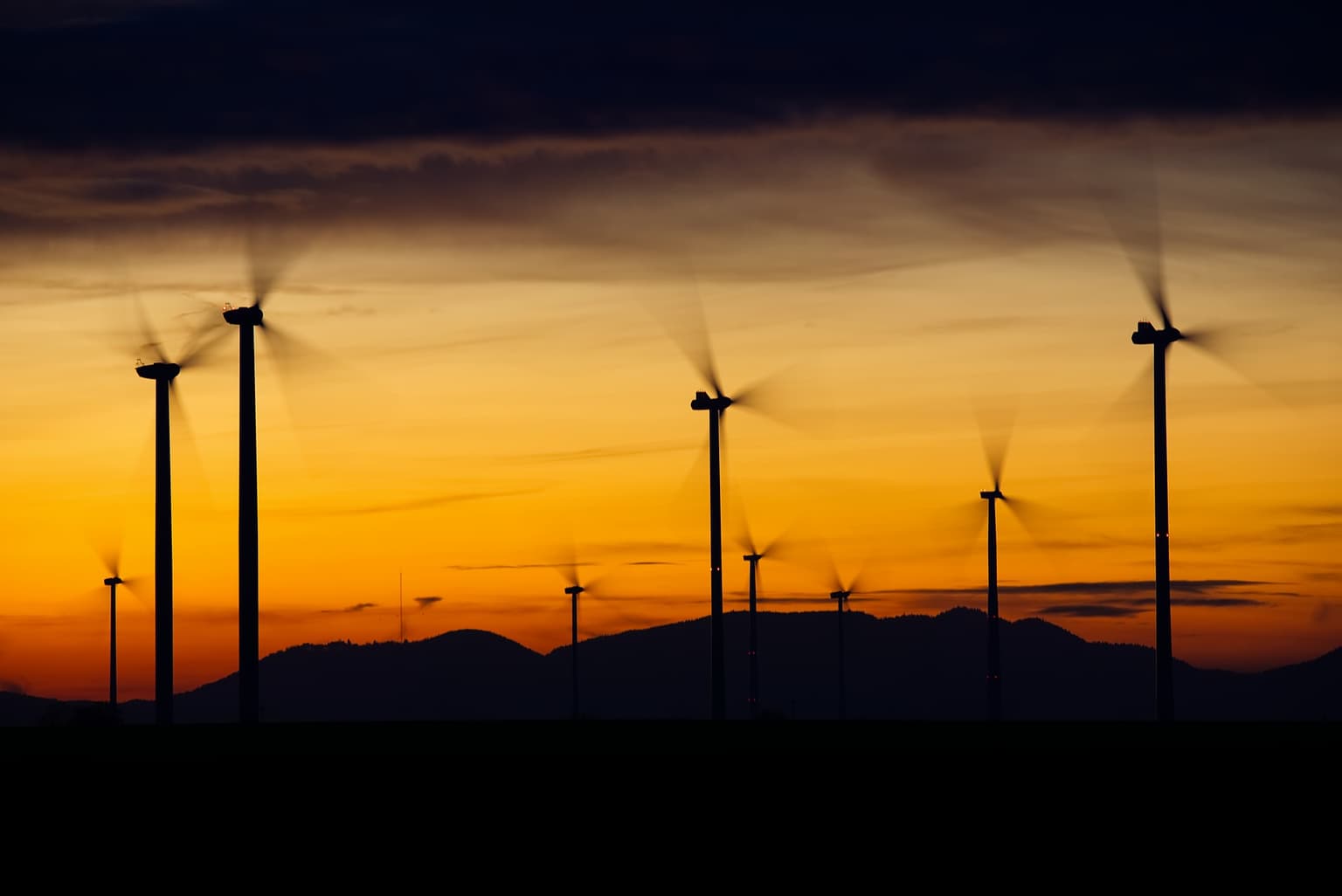
China is struggling to align the development of its transmission grid and energy storage with the expansion of renewable energy sources (RES), leading to a growing share of electricity generation from these sources being curtailed. According to published figures highlighted by international news agency Reuters, the share of curtailed solar generation rose to 6.6% in the first half of this year, while the figure for wind power reached 5.7%.
The share of solar electricity generation curtailed in China rose by 2.7 percentage points (p.p.) year on year to 6.6% in the first half of this year. Wind power saw a similar increase, from 3% to 5.7%. These figures are within China's national limit of 10%, which was raised last year from the original 5%.
Read the full article HERE.
8. Germany faces pressure to strengthen system stability. BNetzA calls on government to act

A shortage of dispatchable generation and a weak legal framework for supporting new power plants are the main threats to the secure operation of Germany's transmission grid. The transmission system operators and German regulator BNetzA warn that without swift political decisions, the risk of grid emergencies will rise significantly over the next decade.
In a recent report assessing the stability of Germany's electricity system, German transmission system operators identified a number of risks associated with the ongoing energy transition. In response to 37 specific recommendations from the operators, Germany's network regulator (BNetzA) issued a statement dividing the proposals into eight thematic areas.
Read the full article HERE.
9. Heat and electricity: Why heatwaves are changing the rules of Europe's energy sector

High temperatures are putting Europe's energy system under pressure this summer. Rising temperatures drive greater use of air conditioning at a time when some power plants have to halt production for safety reasons. Electricity demand during extreme weather is a key issue for the future, given the continuing trend towards severe heatwaves, which can also threaten equipment.
In recent years, every summer has brought rising temperatures across Europe, and especially longer-lasting heatwaves. This affects not only people's health but also electricity consumption. Prolonged hot weather leads Europeans to adapt in an obvious way, by purchasing and using air conditioning and other cooling equipment. This change is beginning to disrupt the normal operation of Europe's electricity grid.
Read the full article HERE.
10. Solar power plants are cheaper: faster tax depreciation from August could save companies hundreds of thousands a year

Tax depreciation rules for solar power plants are changing from August. The depreciation period is being significantly shortened, from the original twenty years to five to ten years, and it can also be suspended. The new rules bring Czechia closer to Germany and Austria.
New tax depreciation rules for solar power plants (FVE) have been in force in Czechia since 1 August. They will benefit companies and self-employed people, and can also be used for power plants acquired from 1 July last year. The new depreciation method could save companies up to several hundred thousand crowns a year.
Read the full article HERE.
Energostat: electricity generation in the Czech Republic
Data in this chart is also available in 15-minute resolution60min15min
Energostat: electricity generation in Germany
Data in this chart is also available in 15-minute resolution60min15min
Find more up-to-date charts and data on Energostat
Translation disclaimer
This article is a machine translation of the Czech original and has not yet been fully reviewed. In case of any doubt, please refer to the Czech version.
Sdílejte článek prostřednictvím:
Topics:Energy Weekly
You might also like

23 October 2026, 14:38