This week, we once again bring you a carefully selected list of the ten most significant articles we published on oEnergetice.cz. If you missed any of them, here is a selection of the stories that attracted the most interest from our readers. Best of luck for the new week!
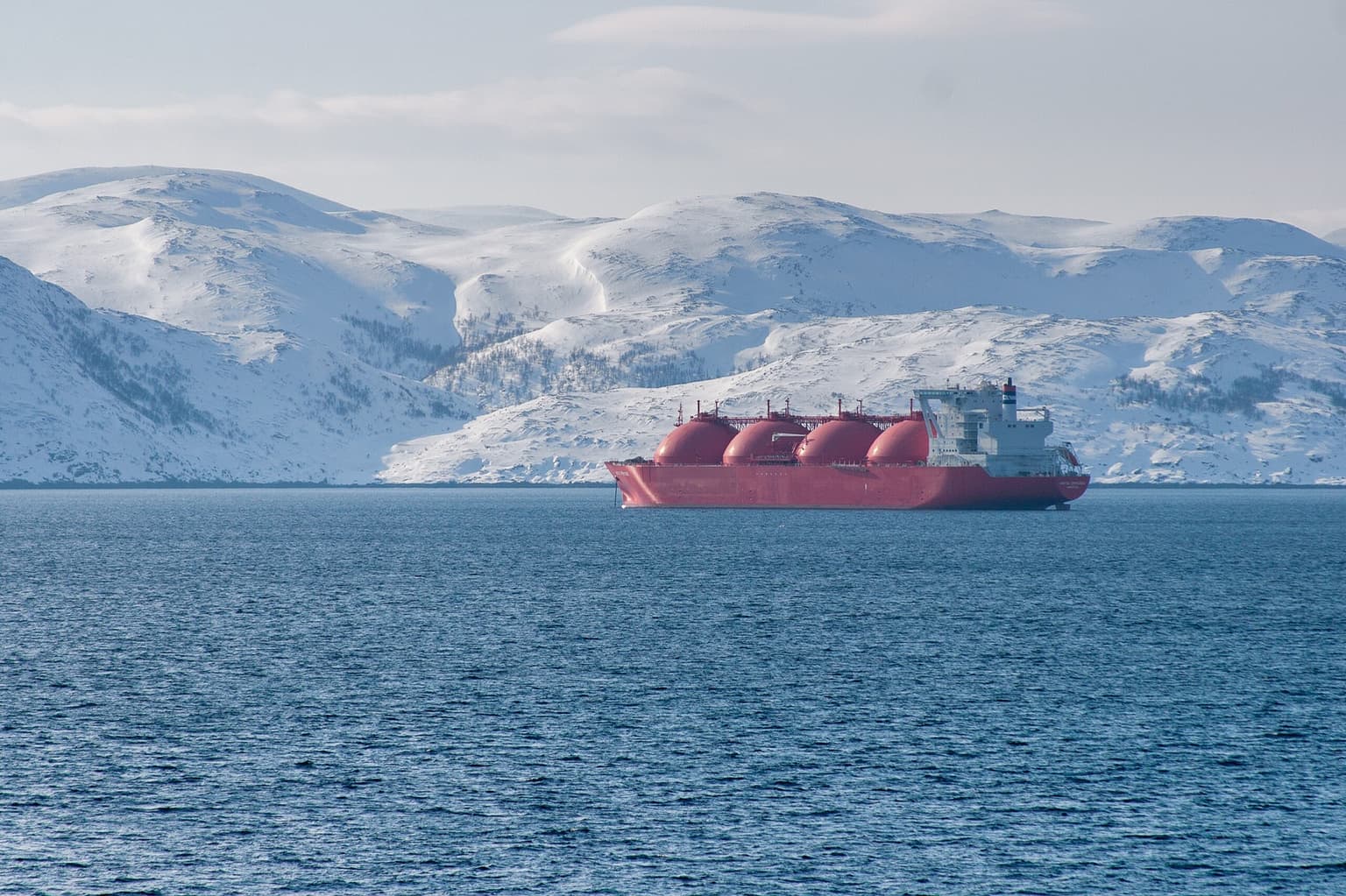
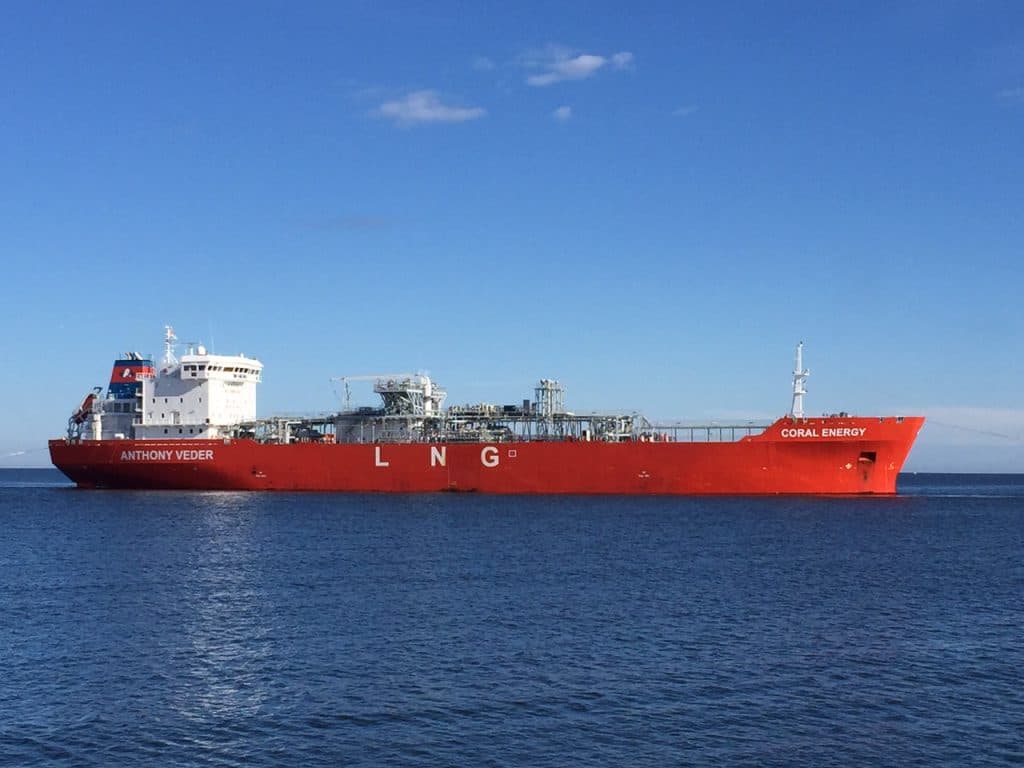
The first tankers carrying Russian liquefied natural gas to dock at Chinese terminals are testing the effectiveness of US sanctions. Further deliveries could be bound for India. Meanwhile, the European Commission is seeking approval for a regulation that would legally require the gradual phase-out of Russian gas imports by member states.
The Arctic LNG 2 facility, which includes a liquefied natural gas (LNG) processing plant, is located in northwestern Siberia. The majority stake is owned by Novatek, Russia’s largest private LNG producer.
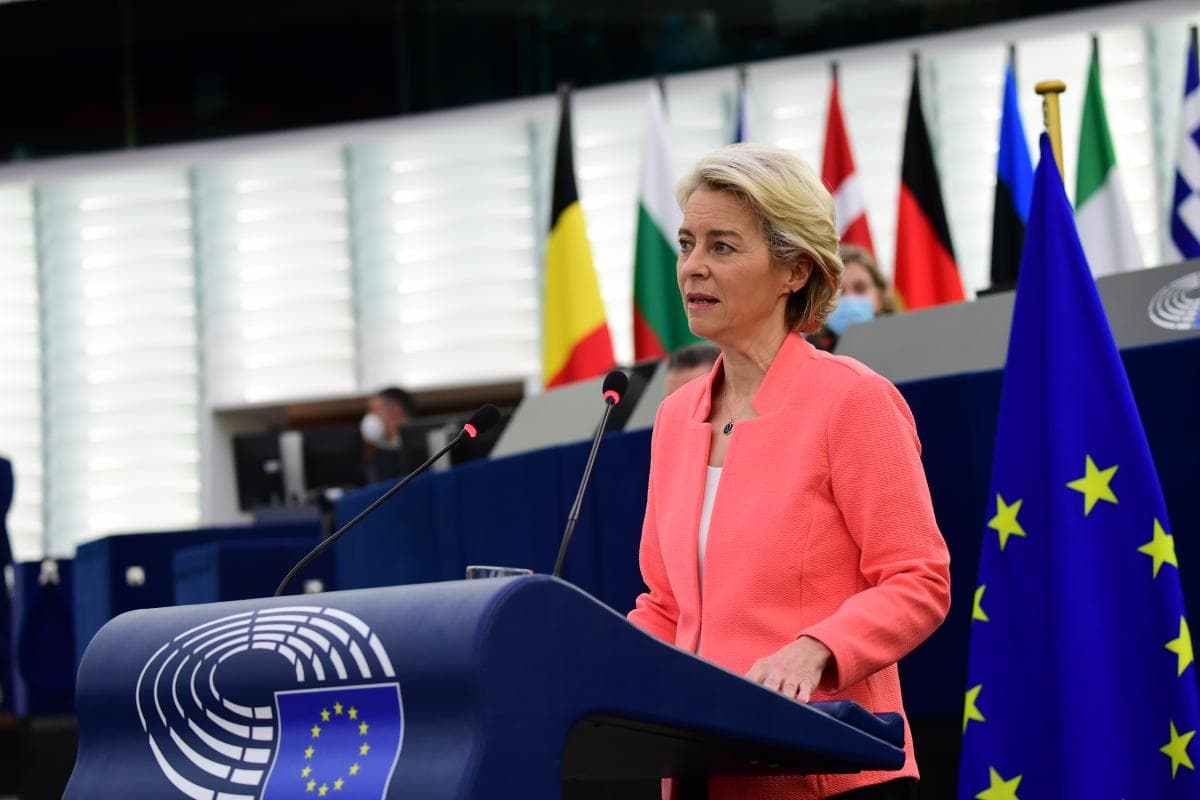
In her traditional State of the European Union address (10 September 2025), Ursula von der Leyen emphasized the energy priorities of security, competitiveness and decarbonization. In practice, this means a new drive to remove bottlenecks in the transmission system (Energy Highways), make full use of the electricity market reform, and expand the European Hydrogen Bank’s (EHB) hydrogen auctions, while the Commission is also pressing for a definitive end to dependence on Russian energy.
The most visible new energy initiative is “Energy Highways”, which aims to remove eight critical bottlenecks in EU transmission networks. Priorities include strengthening connections between the Iberian Peninsula and France, integrating Cyprus into the continental grid, reinforcing links in the Baltic and Balkan regions, and developing offshore interconnectors in the North Sea.
Major hydrogen corridors are also set to take shape in parallel. The Commission is building on preparations for the European Grids Package, due by the end of 2025, and its June guidance on network tariffs and planning. The goal is twofold: to reduce electricity prices through better market integration and to make power systems more resilient following this year’s blackout incidents.
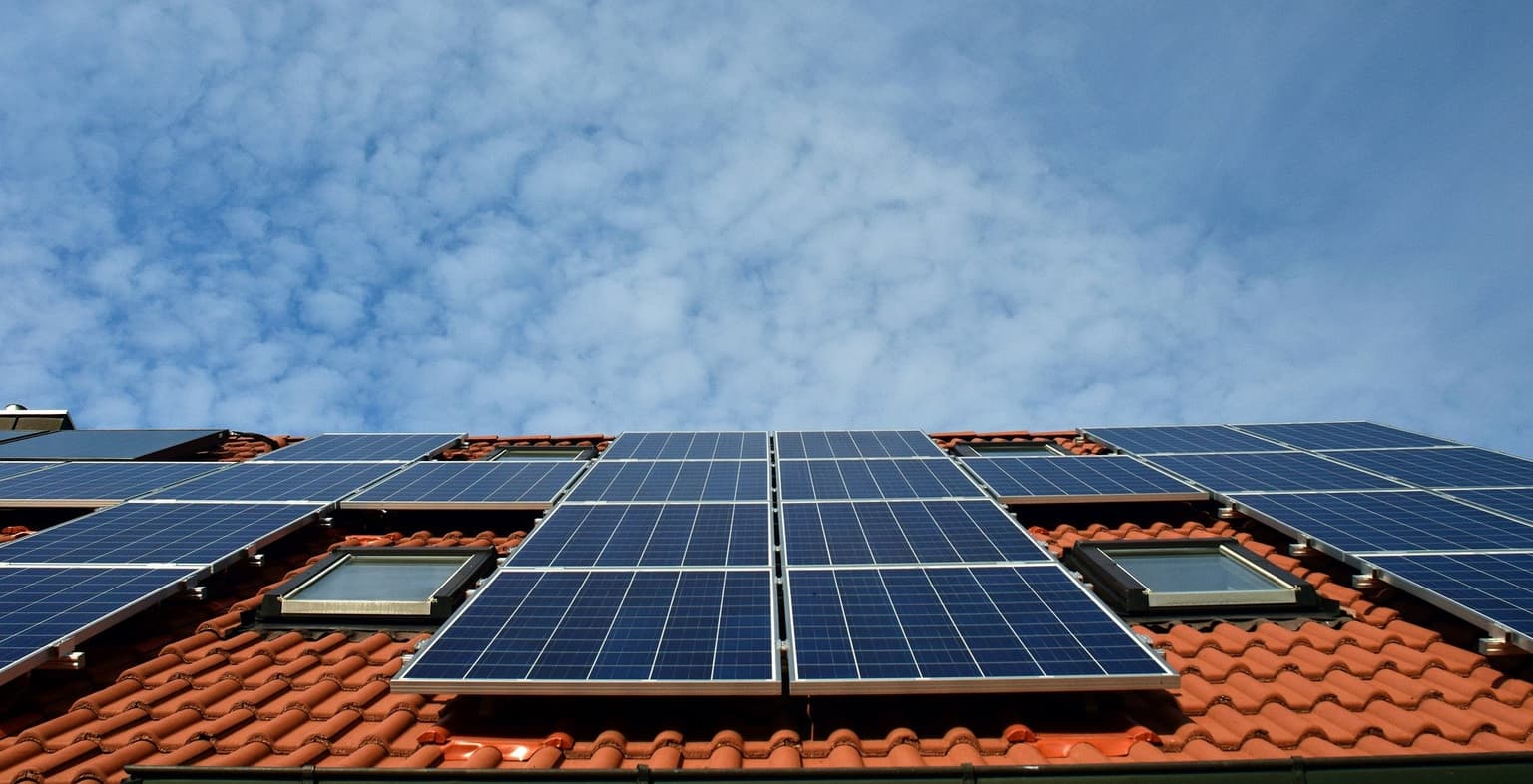
Owners of cottages and holiday homes want rooftop solar panels, but most do not realize that they have to use the electricity in real time—within 15 minutes of generation at the latest. Sharing energy is therefore worthwhile only with someone who is at home during the day, or with businesses.
Almost one-fifth of Czech cottage owners have some kind of solar system on their roof, whether solar thermal collectors for heating water or photovoltaic panels. This is according to a May survey by Epet, based on a sample of more than a thousand respondents.
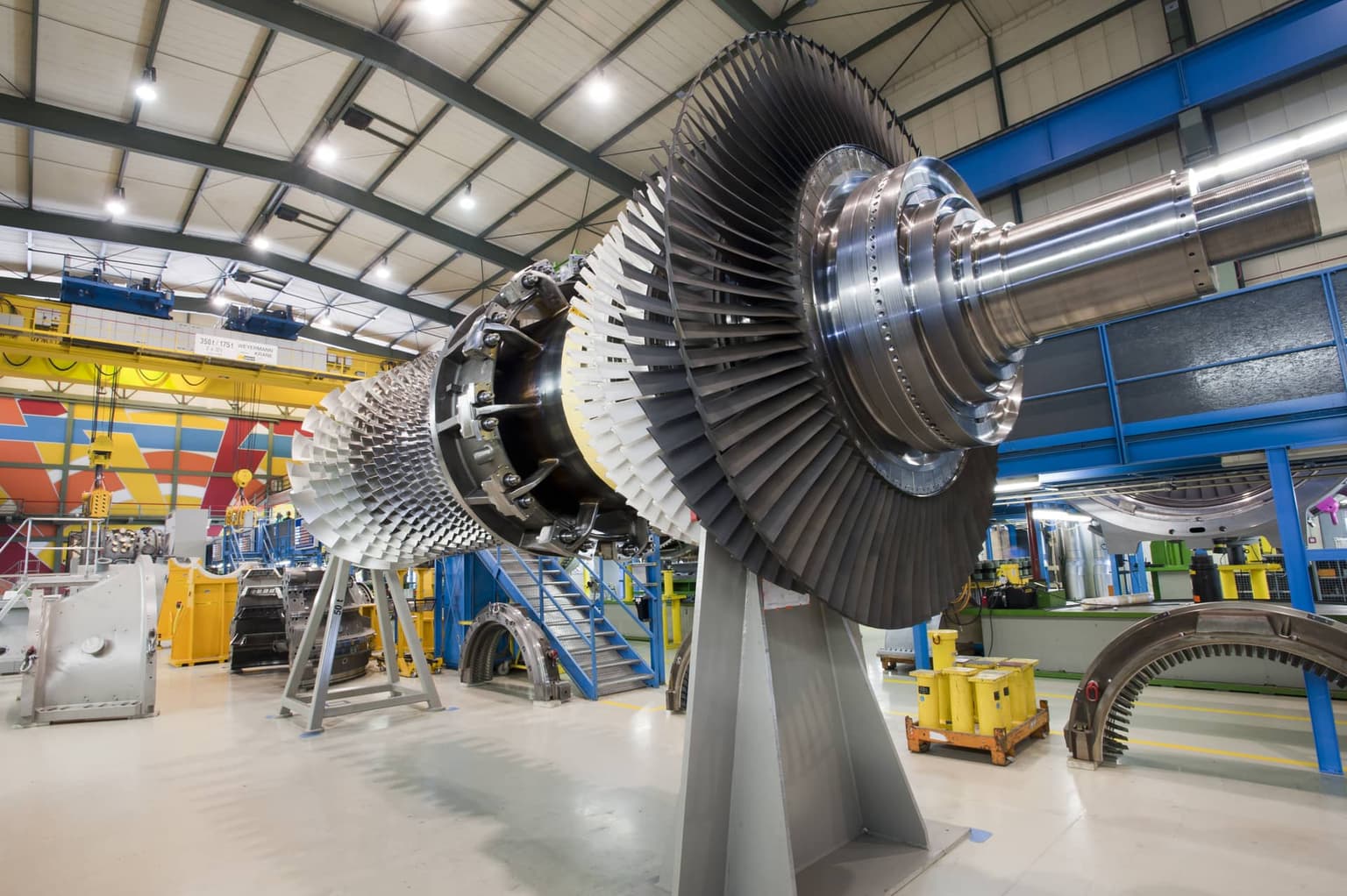
The global gas turbine market is under unprecedented pressure. Waiting times have risen sharply since 2023. Gas turbines, which can flexibly respond to fluctuations in renewable generation, are becoming relatively scarce. Leading manufacturers are scrambling to expand production capacity, but ever-growing demand is outstripping what they can supply. The steep surge in demand is driven primarily by the growth of data centers and artificial intelligence.
The world’s three leading manufacturers—Mitsubishi Power, Siemens Energy and General Electric—are facing record order volumes. According to data from the Electric Power Research Institute, just two years ago, waiting times for the most powerful turbines were generally up to three years. This year, the average wait is already five years, with buyers facing waits of up to seven years for some equipment.
The Ministry of Industry and Trade (MPO) has published the results of auctions for supported energy sources on its website. The auctions covered high-efficiency combined heat and power (CHP), wind power plants and small hydropower plants. The CHP and small hydropower auctions were fully subscribed, while only one project was entered in the wind power auction, with installed capacity amounting to less than 3% of the volume on offer.
CHP auctions are proving popular. The volume offered in the first call this year was 905 MW, with a maximum reference price of 4190 CZK/MWh. A total of 57 bids were assessed, of which 48 were ultimately successful.
Global greenhouse gas emissions reached an unprecedented high again in 2024. However, the European Commission says the world’s major economies are managing to combine economic growth with emissions reductions. The EU is leading the way.
As the European executive said on its website, data from the European Commission’s Emissions Database for Global Atmospheric Research (EDGAR) show that human activities produced a total of 53.2 gigatonnes of CO2 equivalent in 2024. That was a 1.3% increase on the previous year and roughly equivalent to Germany’s annual emissions. The growth was driven primarily by the energy sector, which saw the largest absolute increase.
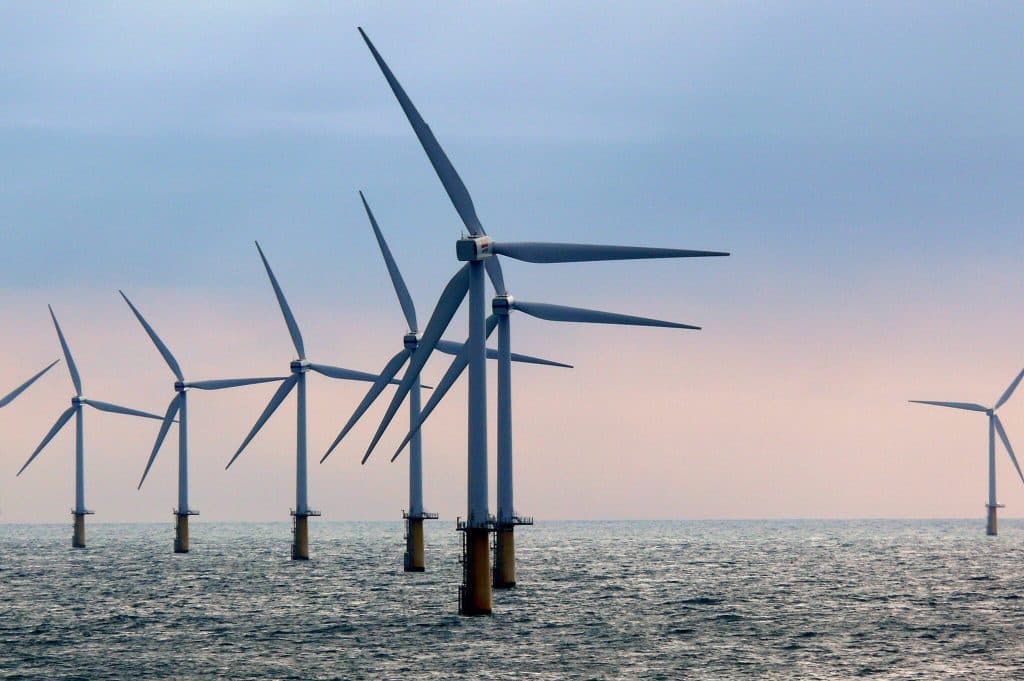
At the beginning of last month, Danish energy giant Orsted announced plans to issue new shares worth up to USD 9.4 billion. The issue would represent more than two-thirds of the company’s current market capitalization and is a response to a combination of adverse factors facing Orsted. However, the offering could be significantly complicated by a decision by the Donald Trump administration to halt construction of a project that is already nearly complete.
Danish company Orsted is currently best known for developing wind farms, particularly offshore wind farms. Its largest shareholder is the Danish state, which holds 50.1% of its shares. However, the sector faces many obstacles—one of the biggest is the change in US policy on offshore wind development since Donald Trump took office. These include reductions in tax breaks and, in some cases, orders to halt work on projects that are under construction or have been approved (for example, Equinor’s Empire Wind project, though the order was later rescinded).
The Hultsfred solar farm has started generating electricity at a former airport in southern Sweden. It is the country’s largest solar power plant. A long-term power purchase agreement with clothing retailer H&M helped make the project possible, enabling the company to meet its climate commitments. ESG News reported on the development.
An airport transformed into a power plant
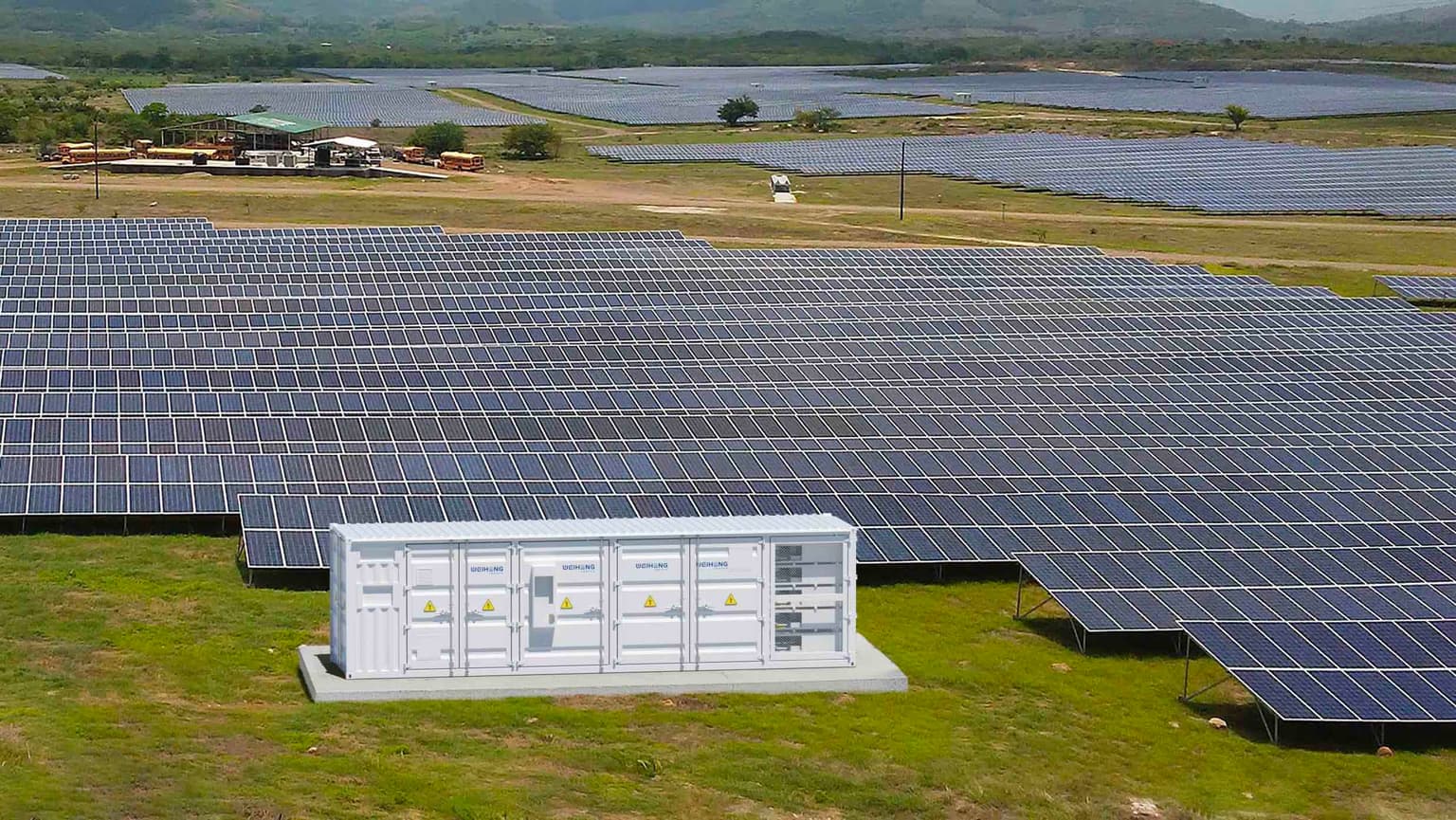
Hultsfred Solar Farm covers an area of 130 hectares and consists of 174,000 solar panels. It will generate around 100 GWh of electricity annually. The project was developed by Alight and Neoen, which describe it as a milestone for Sweden’s energy sector. For Neoen, it is the company’s fourth operational project in Sweden, bringing its installed capacity in the country to 304 MW.
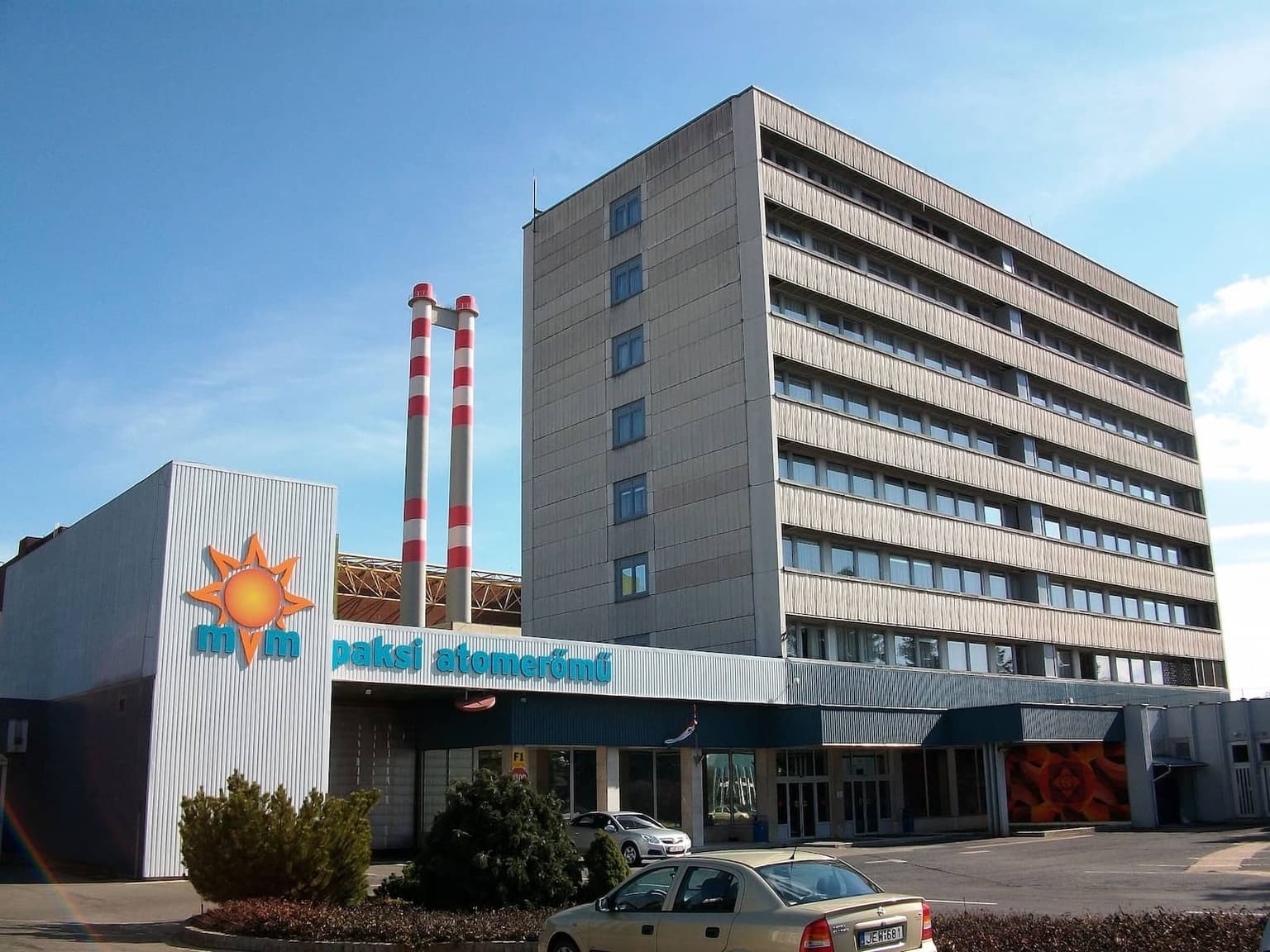
The Court of Justice of the European Union has annulled the European Commission’s (EC) decision to approve state aid for the construction of Hungary’s Paks II nuclear power plant. The court announced the ruling in a press release today. The EU’s highest court upheld Austria’s appeal against a lower EU court ruling that had endorsed the Commission’s decision in 2022. Two years ago, the Hungarian government agreed a construction schedule with Russian nuclear company Rosatom for two new units at the plant, which Moscow says are due to be handed over at the beginning of the next decade.
The court said today that the Commission had not adequately assessed whether state funding for the completion of the plant complied with EU law. In 2017, the EU executive concluded that Hungary’s approach did not breach EU state aid rules and approved the project. However, the court said the Commission should also have examined whether it complied with public procurement rules. Since directly awarding the contract was necessary for granting state aid for the construction, the Commission should have examined this aspect too, the court said.
Dutch gas company Gasunie has completed construction of the first section of the national hydrogen network: a 32-kilometer stretch in the Port of Rotterdam connecting an industrial zone with planned electrolysers that will produce green hydrogen. A testing phase and preparations for commissioning will follow. The pipeline is expected to enter service in April 2026.
Construction of the first section of the Dutch hydrogen backbone began in April 2024, following several years of preparation. When completed in 2033, it is expected to be 1,200 kilometers long and make the Port of Rotterdam a major entry point for hydrogen imports into Europe, with connections to the hydrogen networks of Germany and Belgium also planned.
Data in this chart is also available in 15-minute resolution60min15min
Energostat: electricity generation in Germany
Data in this chart is also available in 15-minute resolution60min15min
More up-to-date charts and data are available on Energostat
Translation disclaimer
This article is a machine translation of the Czech original and has not yet been fully reviewed. In case of any doubt, please refer to the Czech version.