This week, we once again bring you a carefully selected list of the ten most significant articles we published on the oEnergetice.cz website. If you missed any of them, here is a selection of the articles that attracted the most interest from our readers. Best of luck in the new week!
The world’s largest thermal battery has been commissioned in California. Rather than storing energy in electrochemical cells, it stores it in hot bricks. Rondo Energy’s technology can heat a brick block to more than 1500 °C and store up to 100 MWh of energy. The aim is to offer an affordable and sustainable way to supply clean heat to industry. Although the first project is currently serving the oil extraction industry, its success could mark a breakthrough in decarbonising global industry. The story was reported by Energy Storage News.
The project could fundamentally change how we store and use energy from renewable sources. A facility has been commissioned in California that can convert electricity into heat at temperatures exceeding 1000 °C and store it for later use. The so-called brick battery represents a new direction in the energy sector: instead of expensive batteries, it uses inexpensive, solid materials and offers hope for decarbonising industry.
Bricks as a battery
The principle is surprisingly simple. Electricity from renewable sources, such as solar panels, heats massive blocks of special bricks. They can store heat and release it when needed – for example, to produce steam or supply heat for industrial processes.
Scientists at Nankai University in China have announced a major technological advance in lithium-metal batteries. They have developed a new type of electrolyte that enabled cells in laboratory tests to operate stably for more than 9,000 hours, while some designs retained over 80% of their original capacity after 2,500 charging cycles. This development could transform battery systems for electric vehicles and grid-scale energy storage.
The key is a new electrolyte – a substance that carries ions between a battery’s anode and cathode. The team used what is known as a “deep eutectic gel electrolyte” (DEGE). It is based on a mixture of fluorinated amides, which increase ion conductivity while stabilising the surface of the electrodes.
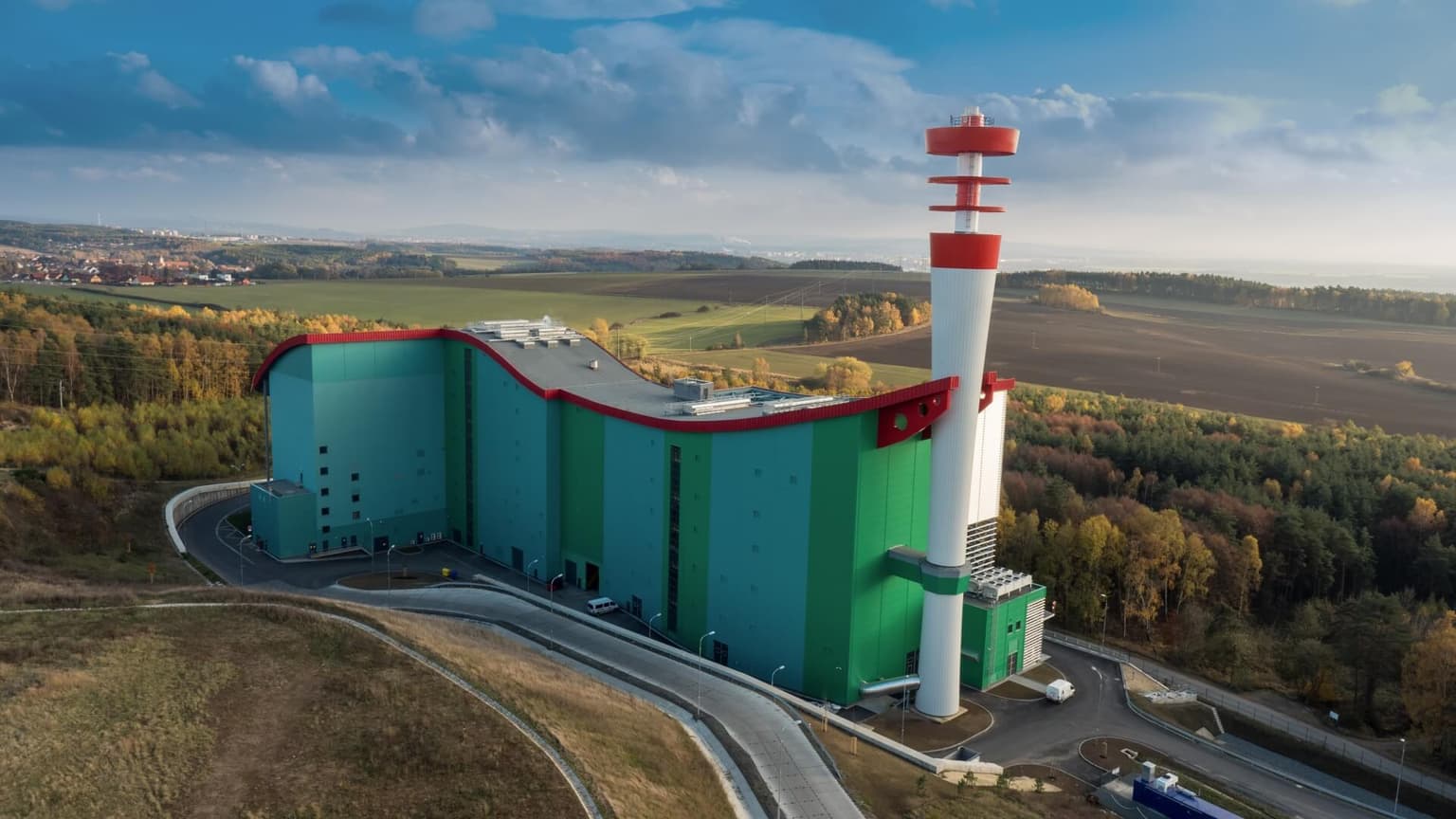
The volume of municipal solid waste burned last year at waste-to-energy (WtE) plants in the Czech Republic reached a new record. Growth over the past two years has been driven by the Malešice WtE plant, which burned a record 371 thousand tonnes of municipal solid waste last year as its capacity was gradually increased. It accounted for around 45% of all municipal waste burned at such facilities in the Czech Republic.
There are currently four large waste-to-energy plants in operation in the Czech Republic. The oldest is SAKO Brno, with a capacity of 248 thousand tonnes per year. The largest is the Malešice WtE plant in Prague, whose capacity has increased significantly over the past two years, from an initial 330 thousand tonnes per year to its current 480 thousand tonnes per year. Another WtE plant, with a capacity of 96 thousand tonnes per year, operates in Liberec, and one with a capacity of 120 thousand tonnes per year is located in Chotíkov near Plzeň.
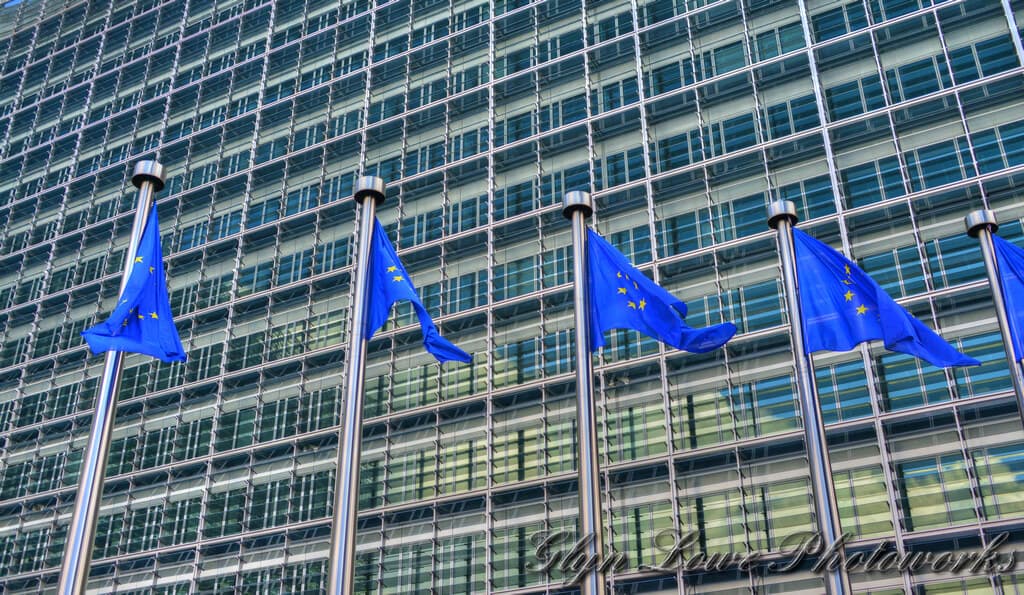
The European Commission’s 2026 work programme points to a shift from the Green Deal towards an industry-focused agenda. This, too, carries the “clean” label. It is intended to support EU growth and competitiveness and respond to growing pressure from industry and member states to ease the regulatory burden.
The European Commission will present its 2026 work programme in Strasbourg next week, setting the course for EU policy through to the end of the decade. The draft document, obtained by Euractiv, which reported on the plan, may still be revised before formal approval. Even now, however, it points to the main priorities for next year: a shift away from the green transition towards a stronger focus on economic growth, defence and less bureaucracy.
A Paris civil court has ruled, following a lawsuit brought by environmental organisations, that TotalEnergies misled consumers by overstating its climate ambitions. The court ordered the company to take corrective action and imposed penalties.
As reported by ESG Today, in a landmark ruling issued on 23 October, the Paris civil court found that TotalEnergies had engaged in “misleading commercial practices”. The court said the company had claimed on its website and in public communications that it intended to achieve carbon neutrality by 2050 and become a “major player in the energy transition”.
This year, attention on the prices of balancing services has focused on automatic Frequency Restoration Reserves (aFRR). Cross-border cooperation through ALPACA, which links price formation between Czechia and Germany more closely than before, plays a significant role in their development. Price differences are minimal at night, with prices almost converging. However, price peaks are more often higher in Germany, particularly in the upward direction.
The most visible effect is in the upward direction. The German balancing reserve market operates through day-ahead contracts traded in six four-hour blocks. Since 3 September 2025, Czechia has also used four-hour blocks, but some balancing reserves are still procured annually: since the start of 2025, roughly one-third of capacity has been contracted annually and two-thirds on a daily basis.
The state will provide at least one billion crowns to further develop energy communities in Czechia. The Ministry of the Environment (MŽP), together with the State Environmental Fund (SFŽP), has launched a new grant call from the EU Modernisation Fund for community renewable energy projects. If necessary, the authorities are prepared to increase the funding by a further one billion crowns. The MŽP announced this today. The ministry is checking with the Czech News Agency (ČTK) whether a new government could affect the grants in the future.
“Energy communities make it possible to share the benefits of renewable energy directly where it is generated, bringing significant economic and social benefits to local communities. That is why one billion crowns from the Modernisation Fund is being allocated to investments in energy community projects. We have the same amount set aside in case interest from communities exceeds the allocated funding,” said Environment Minister Petr Hladík (KDU-ČSL).
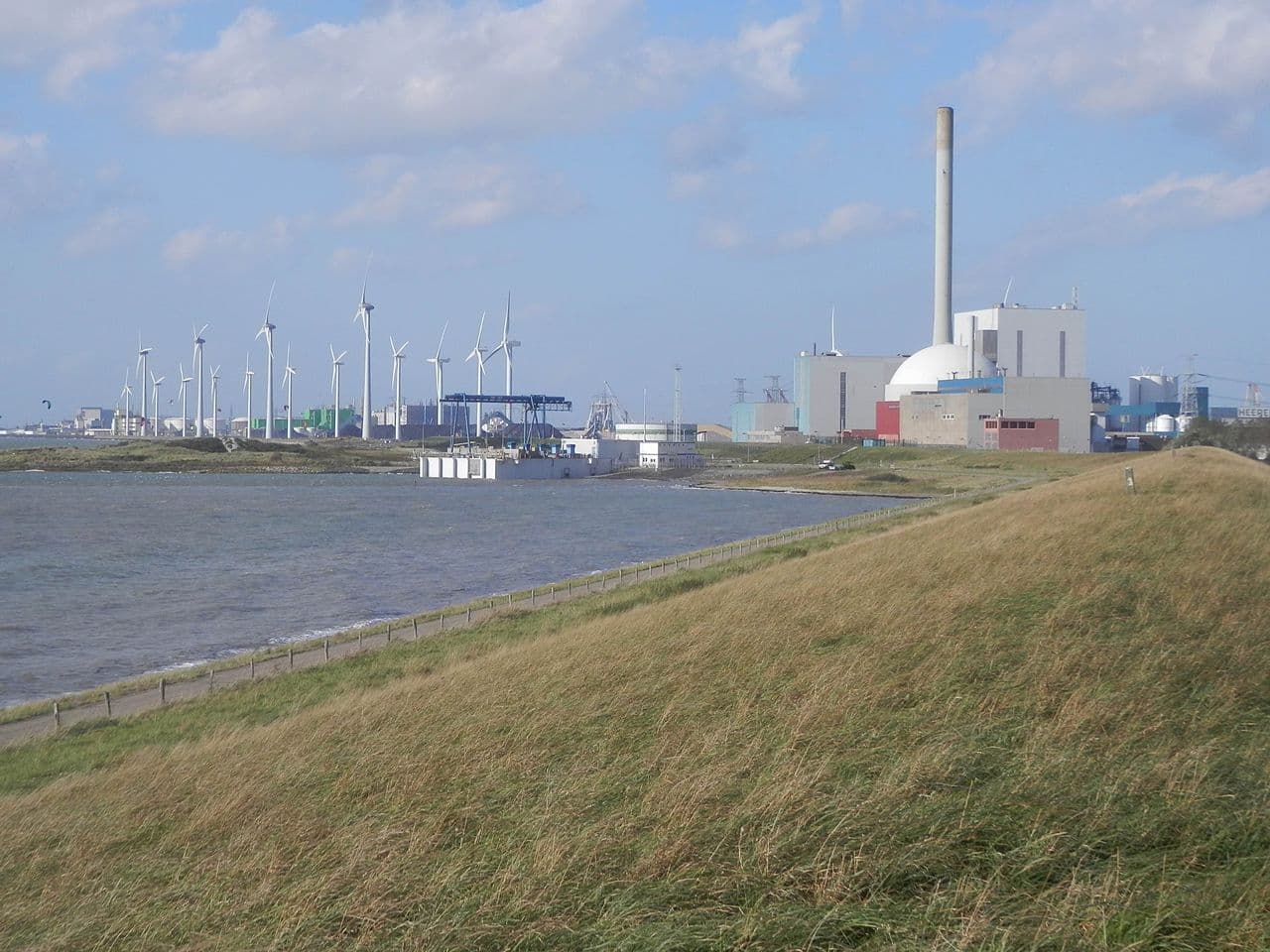
The Netherlands plans to operate its only nuclear power plant beyond 2033, taking it past the 60-year mark. In addition to the 515 MW Borssele plant, the country plans to build two new nuclear units to help meet its climate targets. The Netherlands intends to finance the construction of new power sources through a new state-owned company, NEO NL. Alongside conventional units, the country is also targeting small modular reactors and plans to draw on experience gained primarily through cooperation with the United Kingdom.
The Dutch government announced that it had submitted an amendment to the Nuclear Energy Act to the House of Representatives, allowing the Borssele nuclear power plant to remain in operation beyond 2033. The country’s only nuclear power plant, with a capacity of 515 MW (gross), began operating in October 1973. The new law will allow its operation to be extended beyond 60 years, subject to an application to the nuclear regulator.
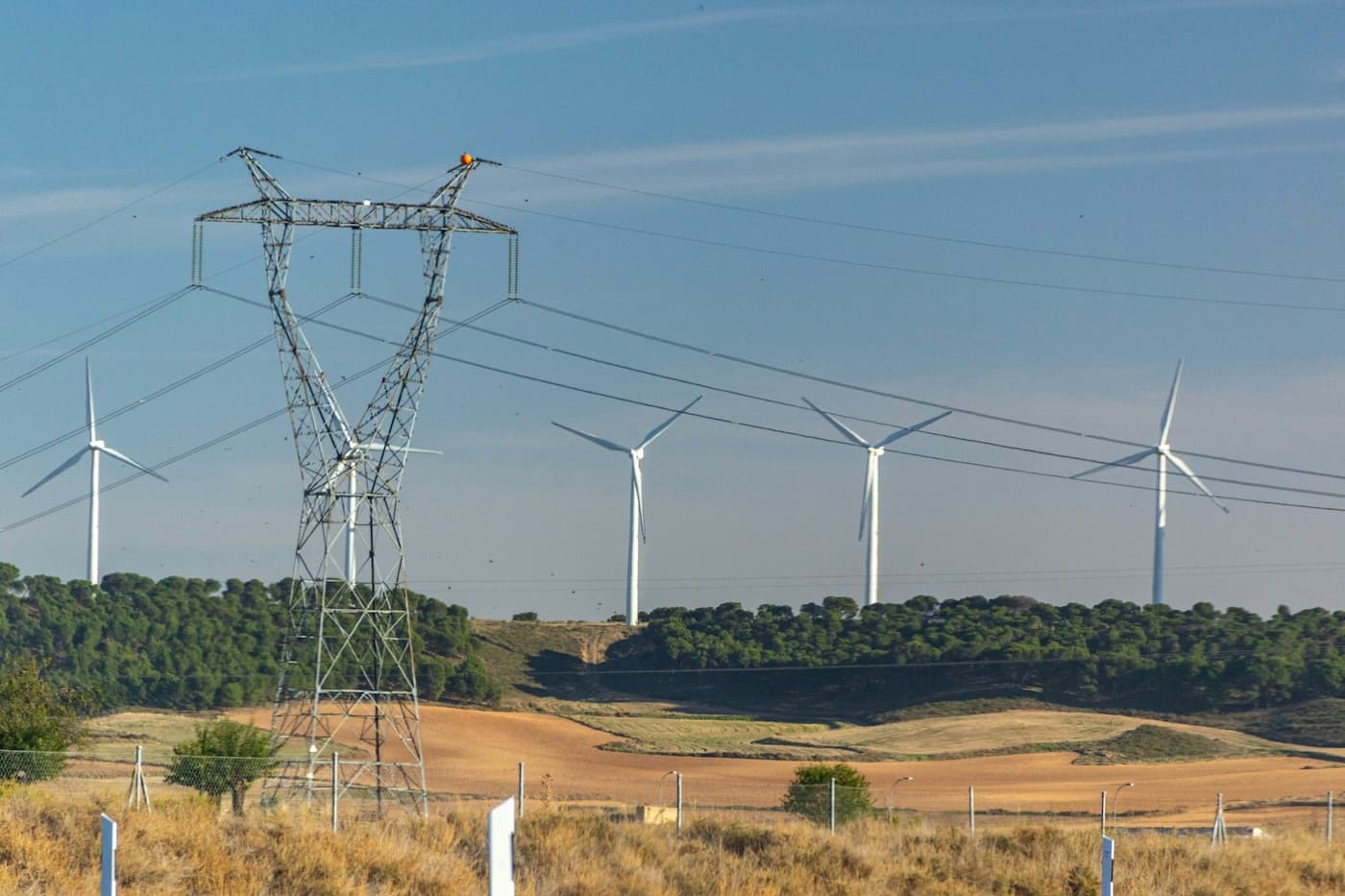
Spain’s power system has a “structural” problem with voltage control, which came to light during the Iberian blackout on 28 April. Smaller problems occurred again in late September, energy lobby group Aelec said.
The large-scale blackout that hit the Iberian Peninsula at the end of April continues to raise questions about its possible causes. The European Network of Transmission System Operators for Electricity (ENTSO-E), which is investigating the incident, has so far released only a preliminary “factual report”. The list of causes will be included in the final report, which the association plans to publish in the first quarter of next year.
The US government has agreed to establish a strategic partnership with Westinghouse Electric, Cameco and Brookfield Asset Management to build new nuclear reactors in the United States worth at least $80 billion (approximately 1.7 trillion Czech crowns). This is according to a press release issued by Westinghouse today.
“Our administration is focused on ensuring the rapid development and deployment of advanced nuclear technologies. This historic partnership advances our national security goals and strengthens our critical infrastructure,” US Commerce Secretary Howard Lutnick said, according to the press release.
Energostat: electricity generation in the Czech Republic
Data in this chart is also available in 15-minute resolution60min15min
Energostat: electricity generation in Germany
Data in this chart is also available in 15-minute resolution60min15min
More up-to-date charts and data are available on Energostat
Translation disclaimer
This article is a machine translation of the Czech original and has not yet been fully reviewed. In case of any doubt, please refer to the Czech version.