25 October 2026, 08:20
Loading...
Top 10 energy stories of the past week
oEnergetice.cz
11 January 2026, 19:32
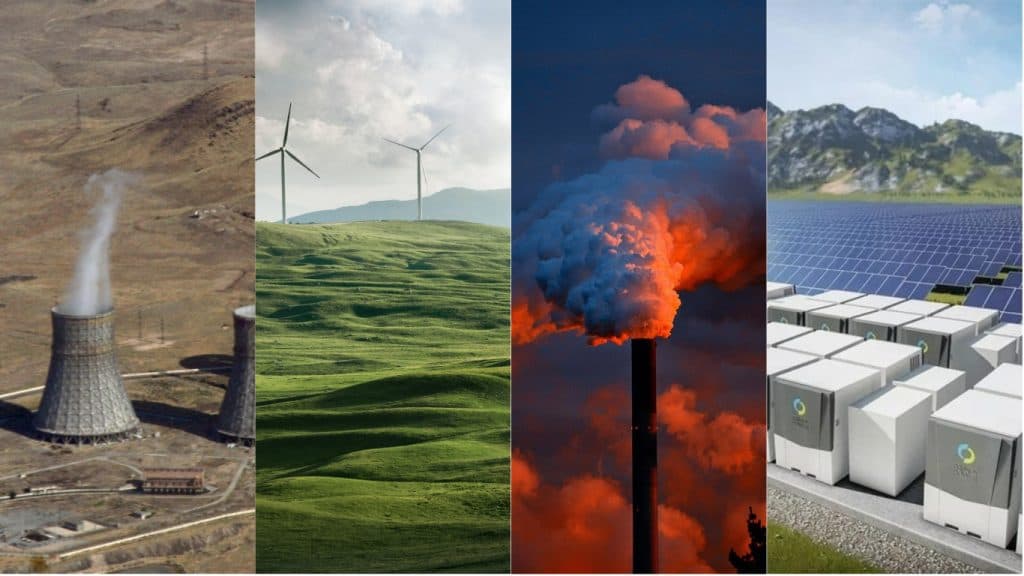
This week, we once again bring you a carefully selected list of the ten most significant articles we published on oEnergetice.cz. If you missed any of them, here is a selection of the stories that attracted the most interest from our readers. Good luck in the new week!
1. It’s not about Maduro or Venezuelan oil. It’s about resources, China and control of Latin America

The US military’s special operation in Venezuela, which resulted in the capture of dictator Nicolás Maduro, drew the world’s attention in the first week of the new year. With this move, the United States sent an unmistakable message to the southern half of the American continent: “This is our hemisphere”. Much more than just Venezuelan oil is at stake.
Much is known about Venezuela’s oil wealth. The country has the world’s largest proven oil reserves, estimated at around 300 billion barrels, or approximately one-fifth of global reserves. However, most of its oil is heavy and sour, making it technologically demanding to refine. This is not, however, a major obstacle to its use, for example, in asphalt production. US President Donald Trump announced that Venezuela will now hand over up to 50 million barrels of oil to the United States at market prices.
Read the full article HERE.
2. Household electricity prices continued to fall last year, with the biggest drop surprisingly seen in two-year fixed contracts
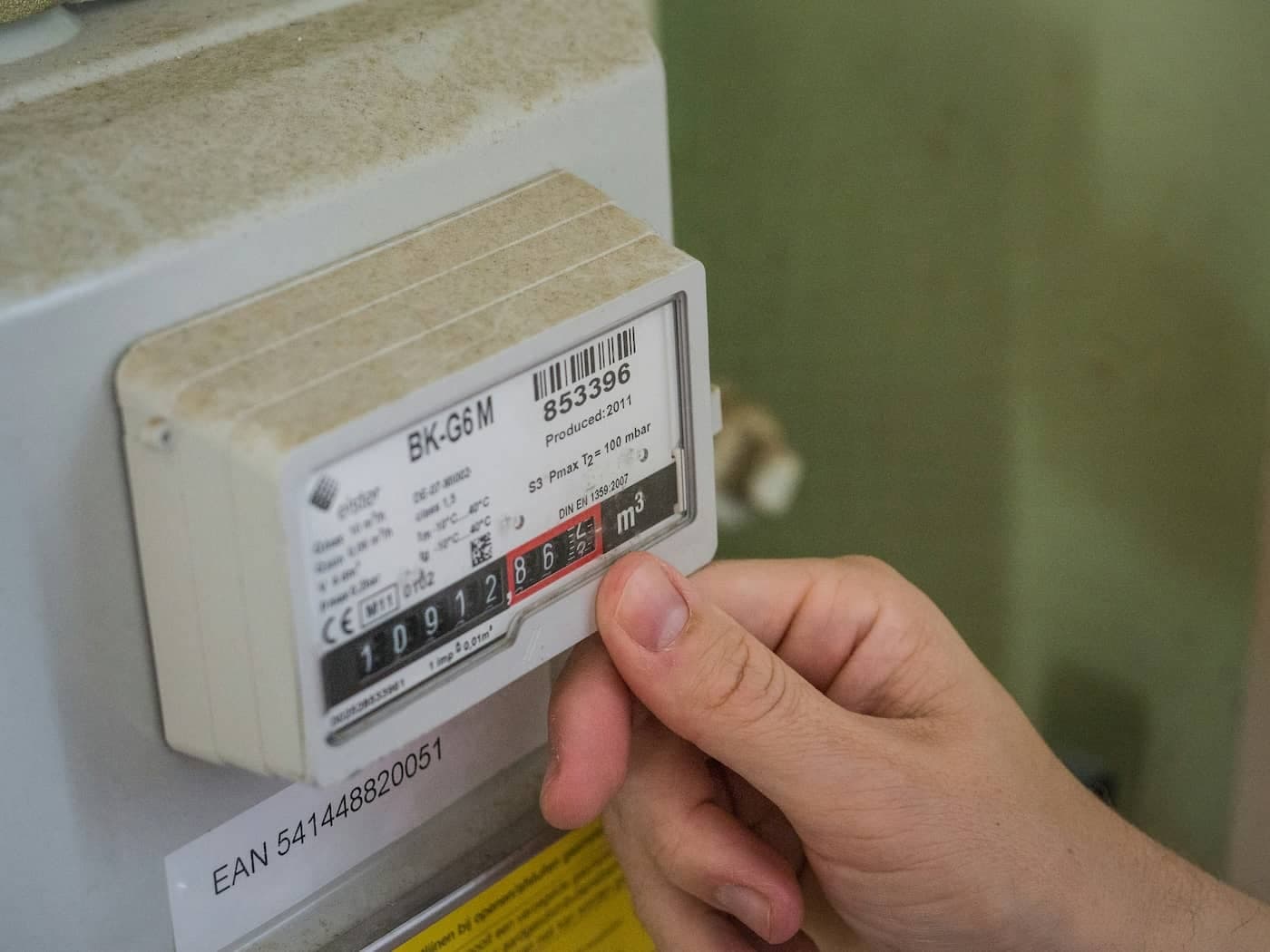
Household electricity prices continued to decline moderately in 2025. The trend, which has persisted since the end of the energy crisis, continued last year across all product types. Prices fell by an average of 8%, and by more than 9% for two-year fixed contracts. Products with contracts fixed for one year less or one year more, however, saw the smallest price reductions.
After the exceptionally turbulent period of 2022 and 2023, the household electricity supply market gradually stabilised. This trend was reflected in both the regulated and the commercial (unregulated) components of electricity prices.
Read the full article HERE.
3. The decline in output from Czech coal-fired power plants halted last year, but is expected to continue
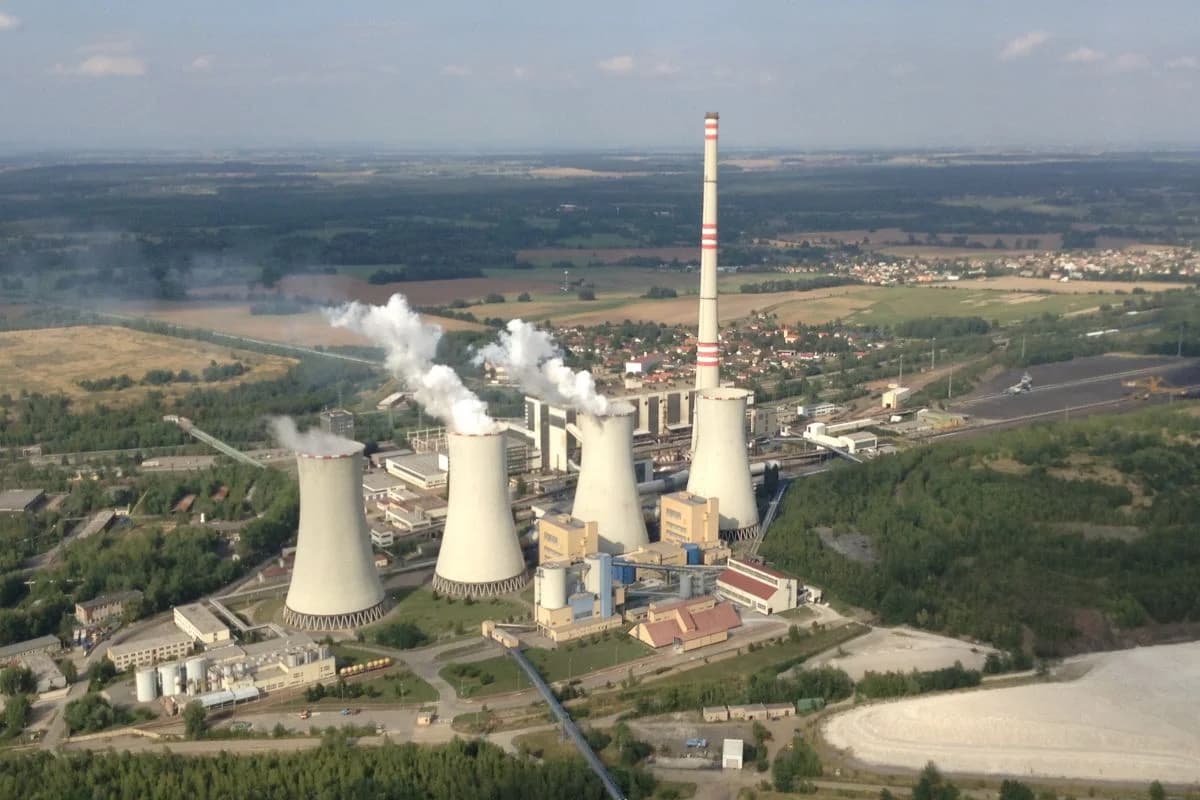
Czech lignite- and hard-coal-fired power plants supplied just under 24 TWh of electricity to the grid last year, matching their output in 2024. This nevertheless represents a 28% drop compared with the crisis year of 2022. Net electricity generation in Czechia increased overall despite coal-fired generation stagnating, mainly thanks to record output from nuclear power plants. This is according to the comprehensive report on the Czech electricity sector in 2025, published this week on oEnergetice.cz
Conventional power plants—which, for the purposes of the report, include nuclear, coal-fired and natural gas-fired plants—have long generated more than 80% of the electricity in the Czech Republic. Last year was no exception, with these sources accounting for 81% of net electricity generation.
Read the full article HERE.
4. Russia connects new 1250MW nuclear unit at Kursk power plant to the grid
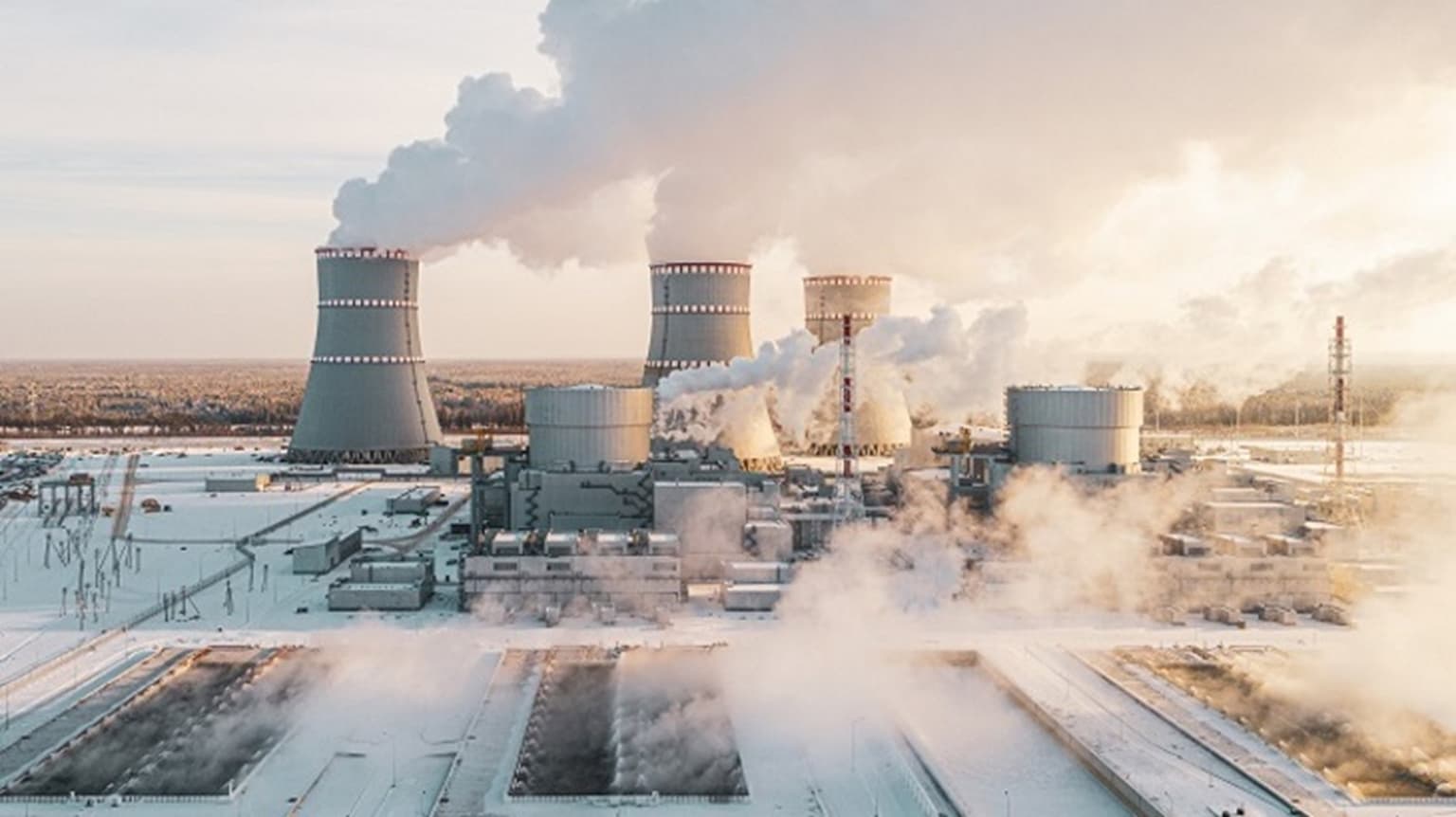
A new Russian nuclear unit at Kursk II is one step closer to entering commercial operation this year. On the last day of 2025, engineers connected it to the grid and began ramping up its output. The unit, equipped with the most powerful VVER reactor built to date, has an installed capacity of 1250 MW. The four new nuclear units at Kursk II will replace ageing RBMK reactors dating from the 1970s and 1980s.
Russian energy company Rosatom announced that the commissioning of a new unit at Kursk II nuclear power plant had reached a significant milestone. Engineers connected the first VVER-TOI unit, with an installed capacity of 1250 MW, to the grid at the very end of 2025. After connection, the unit reached an output of 240 MW and is now undergoing tests at progressively higher power levels.
Read the full article HERE.
5. Japan to review safety of nuclear power plant whose operator falsified data
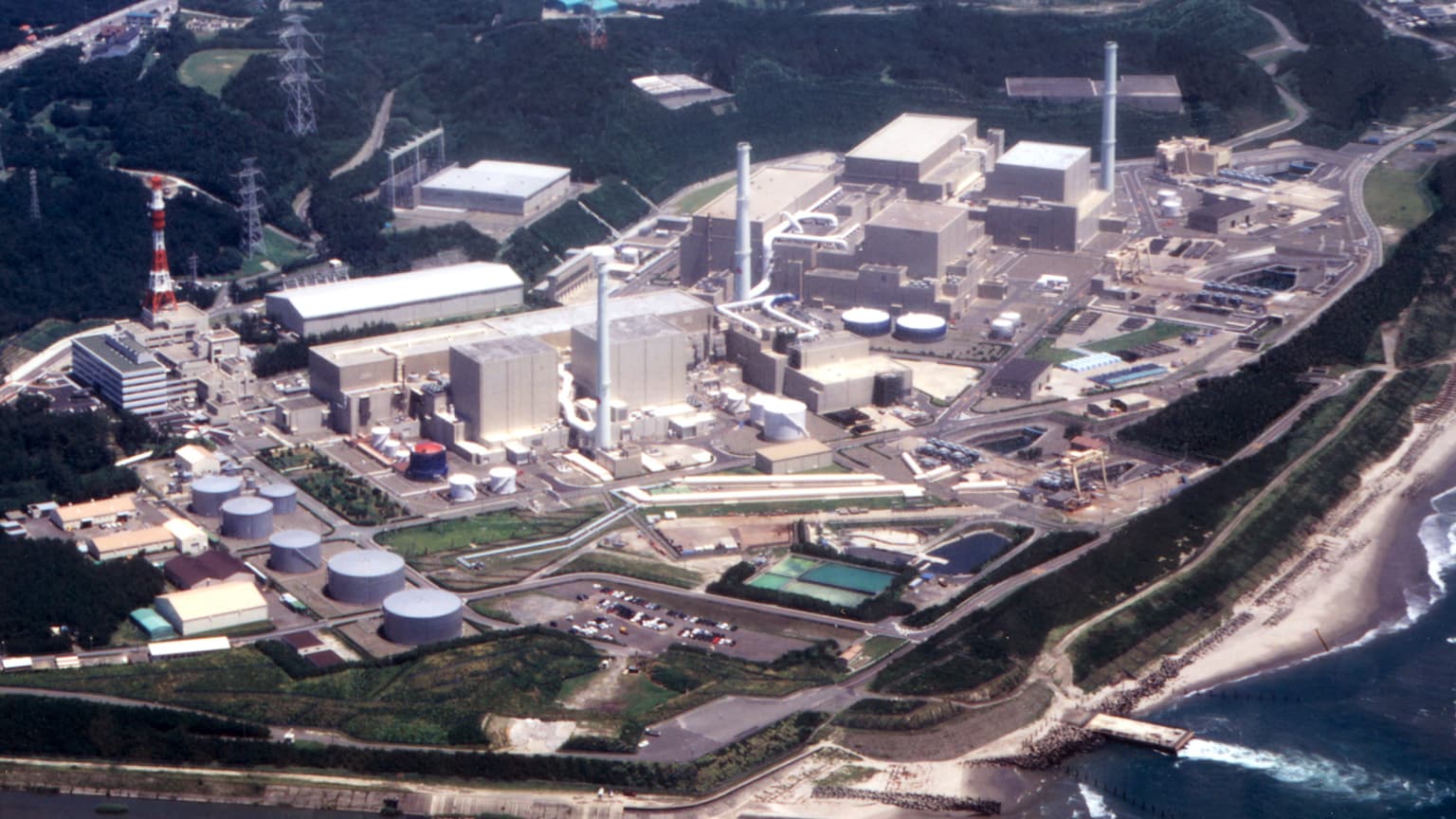
Japan’s Nuclear Regulation Authority (NRA) will review the safety of a nuclear power plant in the central part of the country after its operator admitted falsifying data on earthquake resistance. The Kyodo news agency reported this today.
Chubu Electric Power said on Monday that it had selected only favourable ground-motion data when setting earthquake-resistance standards for the Hamaoka nuclear power plant. The company said this was intended to make it easier to pass the tests required to restart the plant. According to Kyodo, however, this led to the risks of a potential earthquake being underestimated. The complex is located in Shizuoka Prefecture on the Pacific coast.
Read the full article HERE.
6. Czech power grid under its heaviest strain in five years due to freezing temperatures
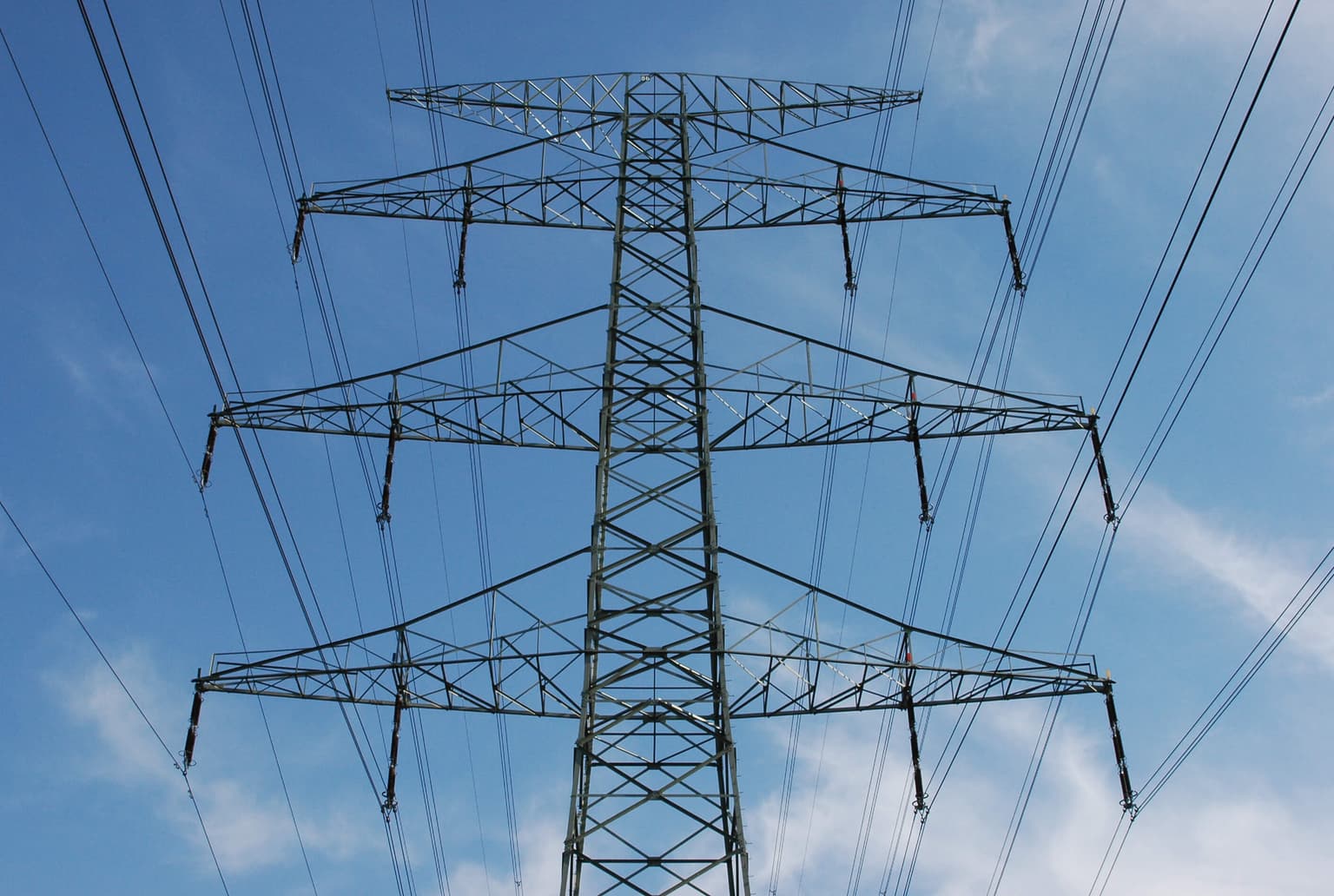
Freezing temperatures put the Czech power grid under its heaviest strain in five years on Thursday. Gross instantaneous consumption exceeded 12.000 megawatts (MW) in the morning, approaching the record load of 12.226 MW recorded on 21 February 2021. Most demand was met by thermal, gas-fired and nuclear sources, with solar plants also making a modest contribution. The state transmission system operator ČEPS reported this today on social media platform X.
The night from Wednesday to Thursday was the coldest night of the winter so far. The average of the minimum temperatures recorded at stations located up to 600 metres above sea level was around minus 12.5 degrees Celsius. The previous temperature low was broken at six stations with records stretching back more than 30 years.
Read the full article HERE.
7. Billions in investment: An overview of the largest planned battery storage facilities in Czechia
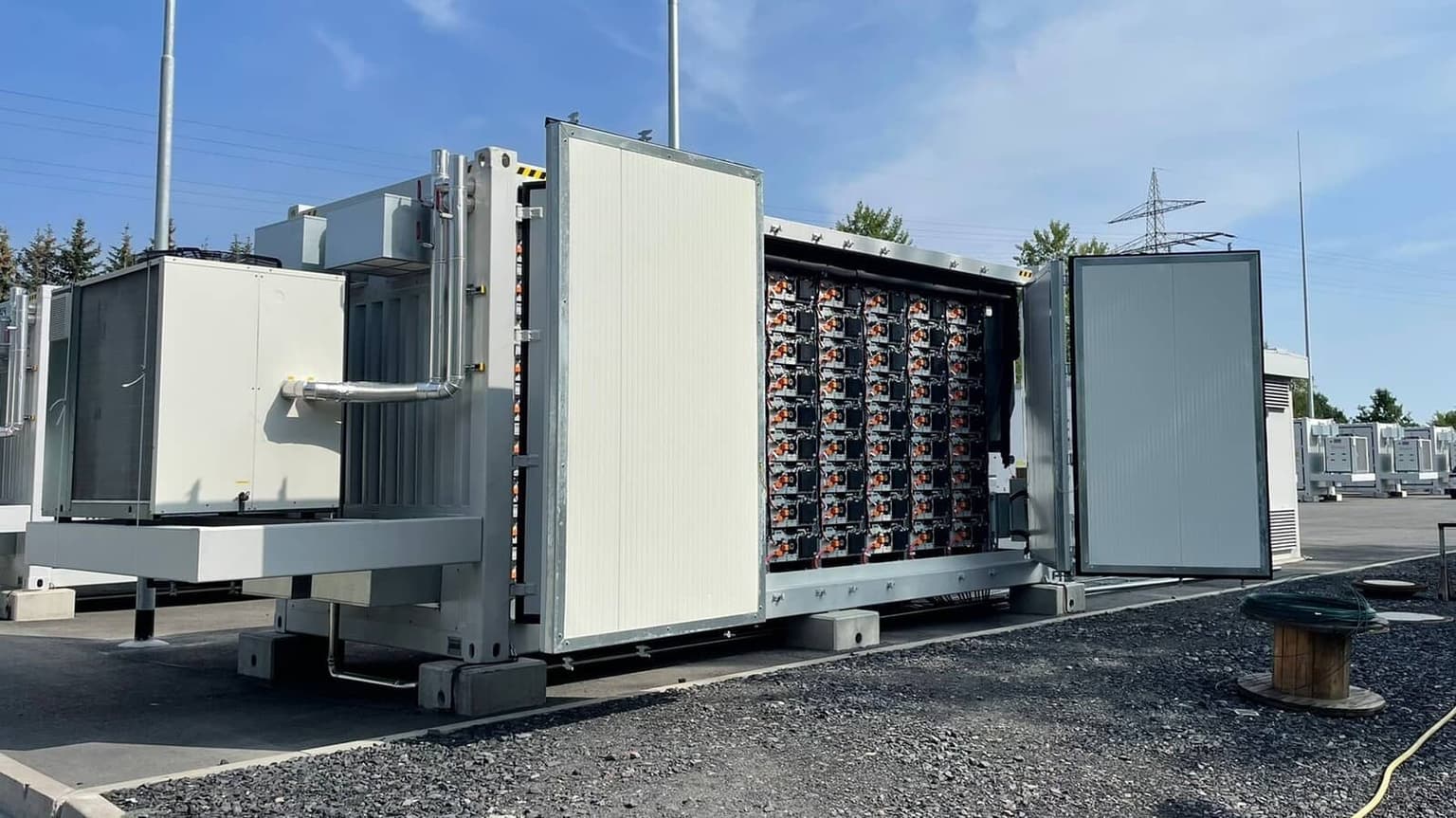
Battery energy storage systems (BESS) are becoming an important pillar of the modern power sector in the Czech Republic, too. While installations of up to 10 MWh dominated the market just a few years ago, current investment plans are many times larger and reflect developments in Western Europe.
The drivers of this transformation include not only major energy companies but also independent developers, who see storage as a key element of new decentralised infrastructure. Battery storage is no longer viewed as an add-on to renewable sources, but as an independent asset for providing grid flexibility, ancillary services and commercial optimisation.
Read the full article HERE.
8. Berlin hit by its largest post-war blackout; power supplies now almost fully restored

Following a large-scale arson attack on high-voltage cables in southeastern Berlin, which caused the largest blackout since the Second World War, intensive restoration work and an investigation are under way. Tens of thousands of households and businesses were left without electricity for several days. The Federal Public Prosecutor General has taken over the case on suspicion of terrorist sabotage. The incident has reignited debate about the protection of Germany’s critical infrastructure.
After the arson attack on a cable bridge over the Teltow Canal, around 45 000 households and 2 200 businesses were left without electricity, with approximately 100 000 Berlin residents affected in total. The mobile network failed, public transport was disrupted, and schools and healthcare facilities had to switch to backup power. The impact was particularly severe during the freezing winter weather.
Read the full article HERE.
9. Electricity consumption in Czechia rises year on year for the first time since 2021
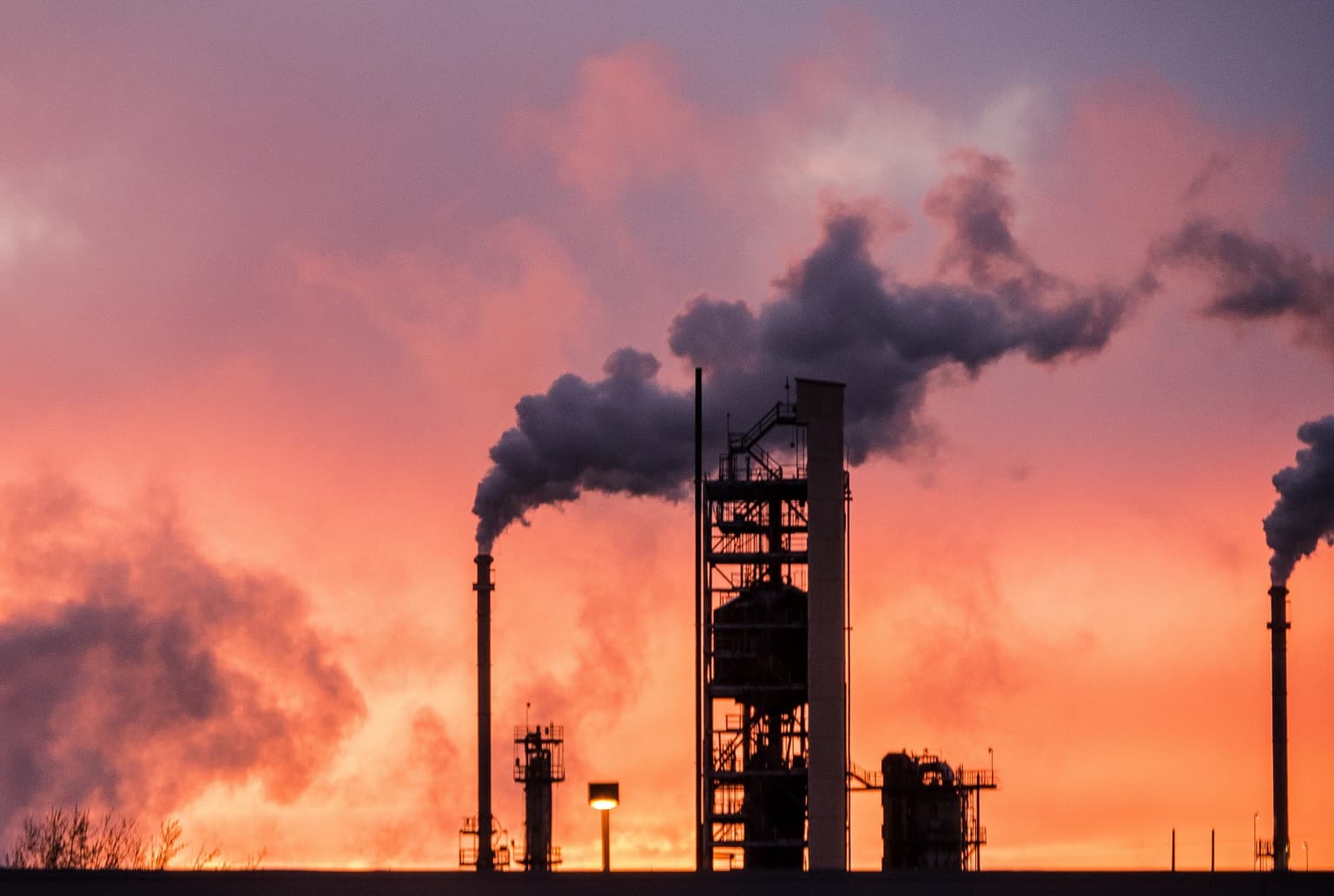
Net electricity consumption rose year on year last year for the first time since 2021. It has still not reached the levels seen before 2023. Despite the below-average pace of electrification by international standards, consumption in Czechia is expected to continue growing, according to ČEPS. This is according to the comprehensive report on the Czech electricity sector in 2025, published this week on oEnergetice.cz
While the decline in electricity consumption that had continued since 2021 came to a halt in 2024, it edged up in 2025, rising by approximately 2,3% year on year. Net consumption reached 59,3 TWh. This is still lower than consumption before 2023. In 2018, 2019 and 2021, consumption was approximately 5% higher than last year.
Read the full article HERE.
10. Government to decide next year on building new units at Temelín, Havlíček says
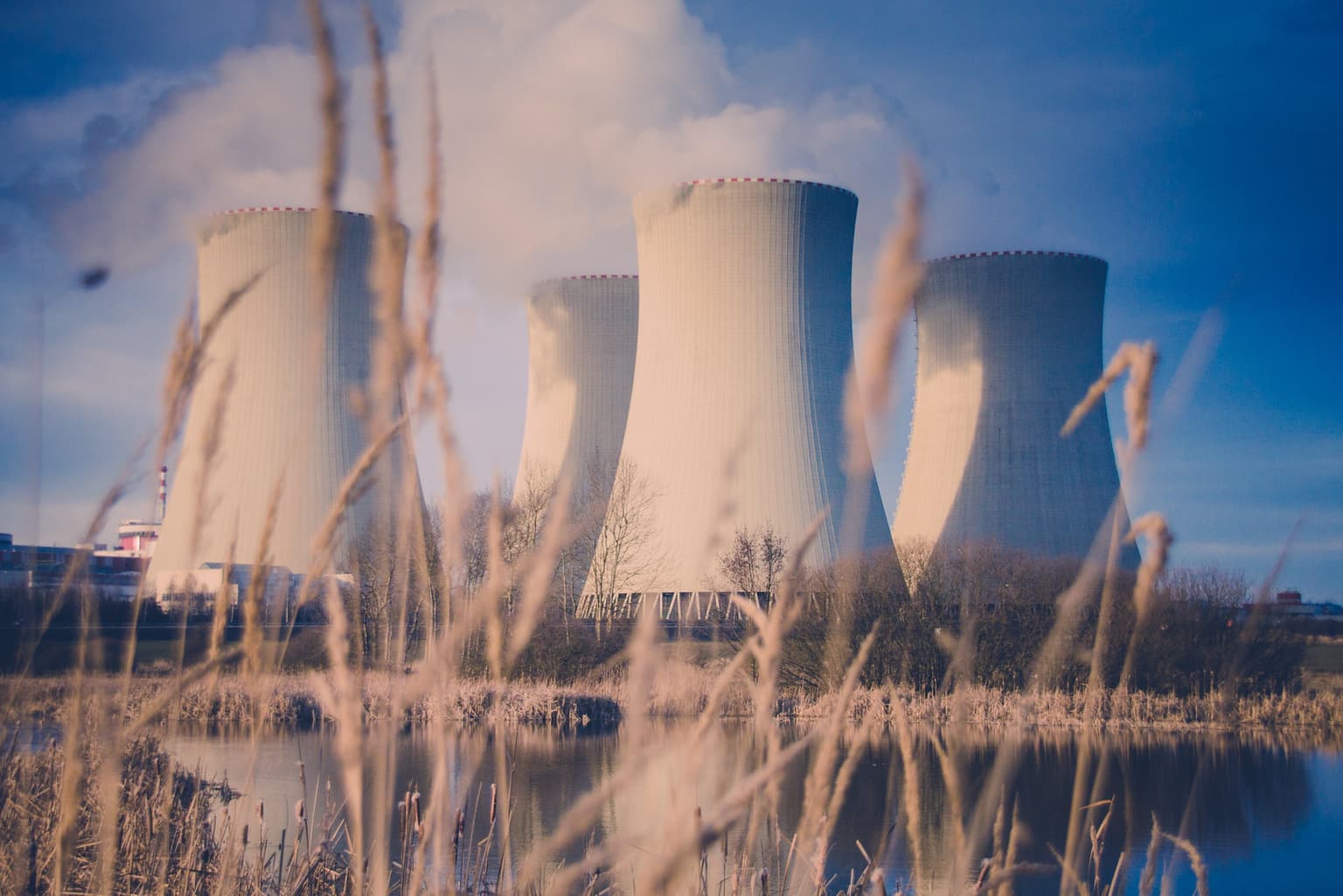
The government will decide next year whether to build two new nuclear units at Temelín. If construction is approved, it should then exercise the option included in the contract with South Korean company KHNP for the construction of units at Dukovany. However, awarding the contract to the South Koreans is not a certainty; other interested parties will also be able to submit bids. Industry and Trade Minister Karel Havlíček (ANO) told the Czech News Agency in an interview. According to him, the state cannot do without new units at Temelín; the new reactors at Dukovany will not be enough.
Last year, the state-owned company Elektrárna Dukovany II (EDU II) signed a contract with KHNP to build two nuclear units at Dukovany. The first unit is expected to be completed in 2036. The construction of the new nuclear units is expected to be the largest contract in Czechia. At current prices, the cost of the currently preferred plan to build two reactors at Dukovany is 407 billion koruna. The contract also includes an option to build two more units at Temelín.
Read the full article HERE.
Opinion
Nuclear power in 2025, part 1: The nuclear renaissance begins in Europe and the US, too
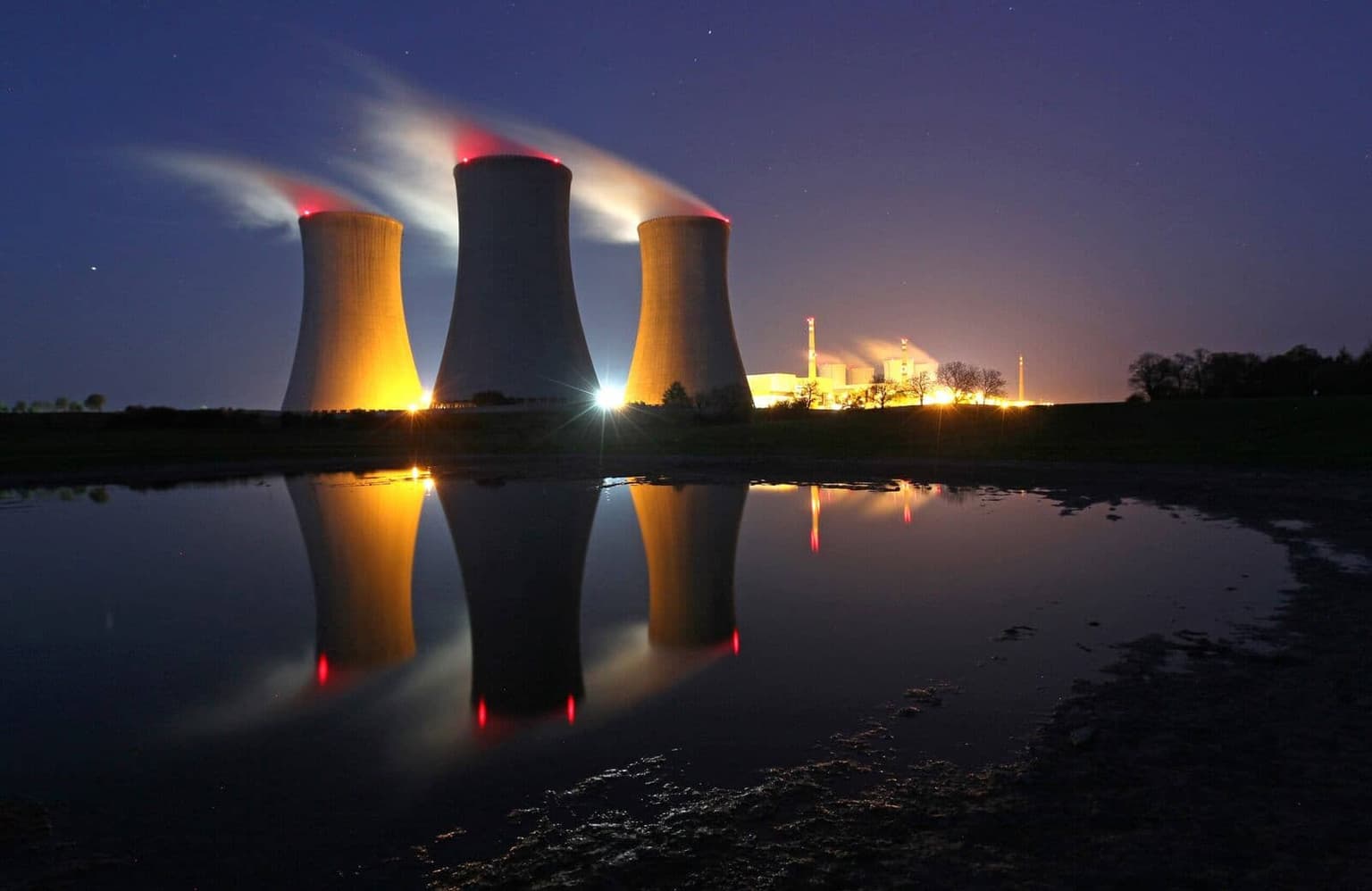
This year has seen a number of key breakthroughs. China is completing its first conventional small modular reactor, the ACP100, and a test reactor using liquid fuel has carried out the thorium-uranium cycle for the first time. Construction has begun in Canada on the first Western small modular reactor, the BWRX300. Nuclear power development is accelerating around the world. In Europe, activity is still largely focused on preparatory work, while nuclear units are being built intensively in Asia. Annual nuclear electricity generation in 2024 surpassed the previous record set in 2006.
Problems caused by the ideological shaping of Europe’s energy sector are becoming increasingly apparent. Huge production surpluses, and conversely dramatic shortfalls that arise unpredictably as weather conditions change, have a major impact not only on electricity prices but also on the stability of supply. The blackout in Spain, and the one here at home, dramatically illustrated the negative effects of promoting the dominance of non-dispatchable renewable sources while shutting down stable, weather-independent power plants. The precise causes can be debated, but the significant effects of renewable energy surpluses and dominance, intensive flows of their electricity and the lack of stable inertia-providing sources at the time are indisputable.
Read the full article HERE.
Energostat: electricity generation in Czechia
Data in this chart is also available in 15-minute resolution60min15min
Energostat: electricity generation in Germany
Data in this chart is also available in 15-minute resolution60min15min
Find more up-to-date charts and data on Energostat
Translation disclaimer
This article is a machine translation of the Czech original and has not yet been fully reviewed. In case of any doubt, please refer to the Czech version.
Sdílejte článek prostřednictvím:
Topics:Energy Weekly
You might also like

23 October 2026, 14:38