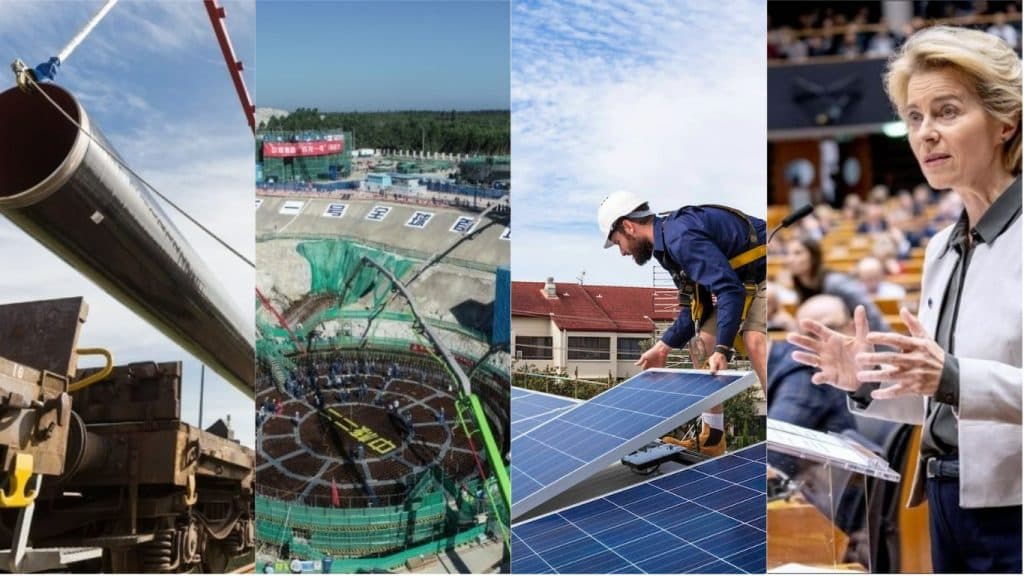
This week, we once again bring you a carefully selected list of the ten most important articles we published on oEnergetice.cz. If you missed any of them, here is a selection of the articles that attracted the most interest from our readers. Have a great week ahead!\n
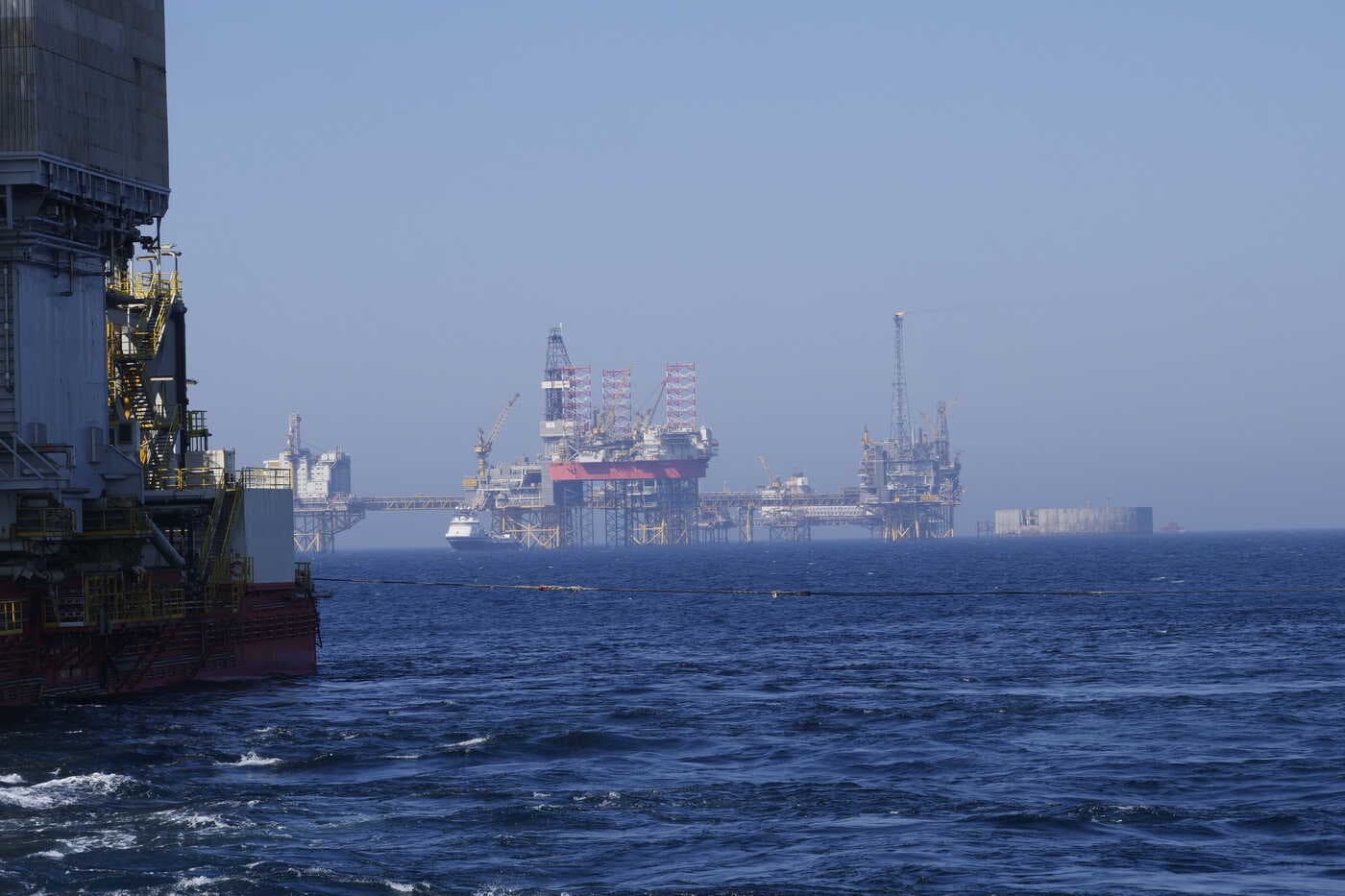
\n\nIn its new Arctic strategy, the European Commission has again rejected the development of oil, coal and gas extraction in sensitive polar regions. However, unlike in its 2021 document, it no longer says it will seek a multilateral legally binding commitment to ban further extraction. Meanwhile, the European natural gas market is facing a sharp rise in prices this year, with prices reaching multi-year highs in recent weeks.\n\nThe European Union’s position is important for Norway, which wants to explore for new deposits in the Arctic and warns of declining production after 2030. The EU also faces the question of how to reconcile climate protection with ensuring the security of energy and fuel supplies.\n\nRead the full article HERE.\n\n
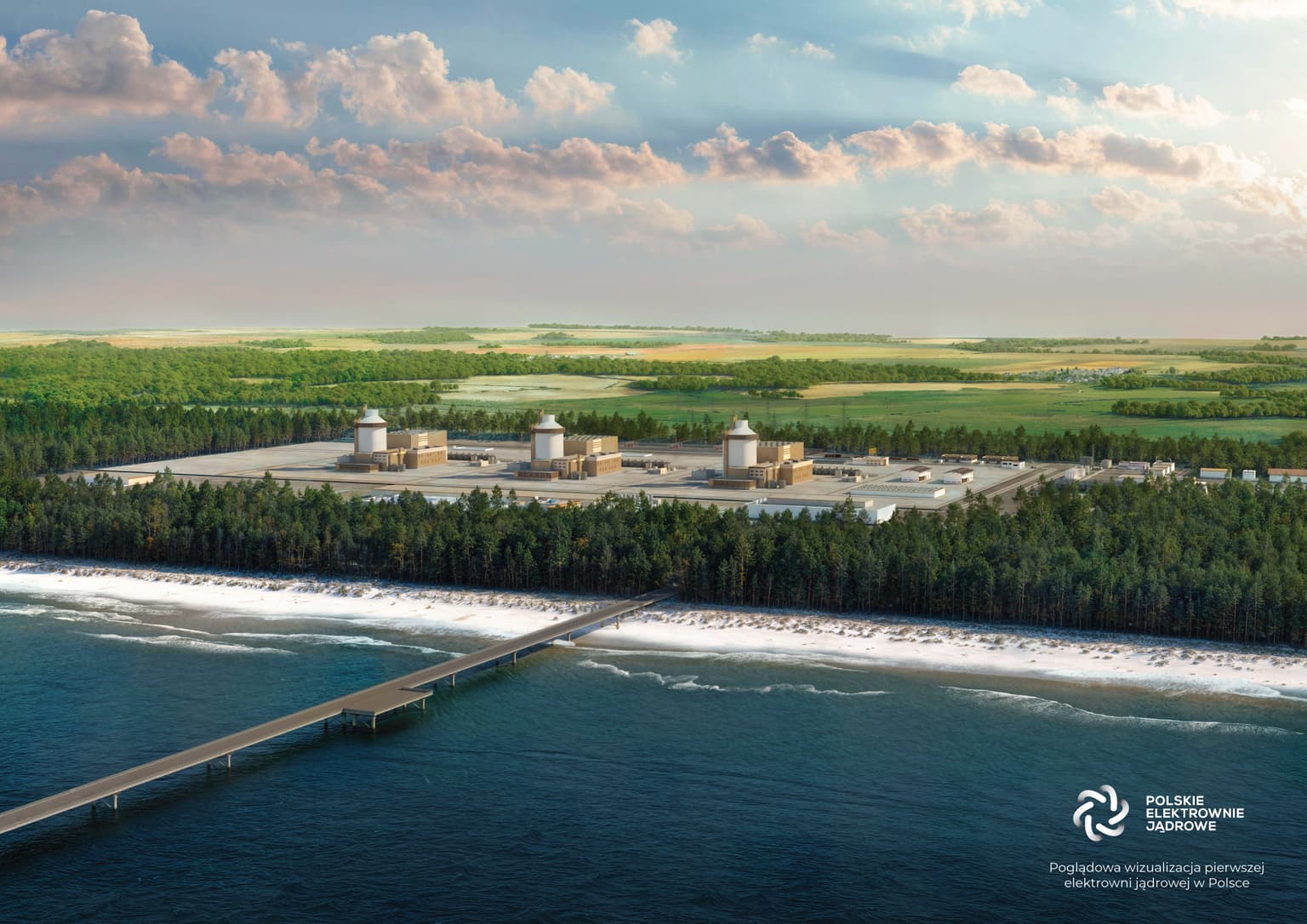
\n\nPoland is continuing preparations for its second large nuclear power plant, for which it plans to select a technology and strategic partner in 2027. Two sites are still under consideration, and the project is expected to draw on experience from the construction of Poland’s first nuclear power plant.\n\nPoland’s Ministry of Energy, Polskie Elektrownie Jądrowe (PEJ) and energy group Polska Grupa Energetyczna (PGE) signed an agreement on 13 October setting out the division of responsibilities for preparing Poland’s second nuclear power plant. The document follows the updated Polish nuclear programme, which the government approved on 29 September 2026.\n\nRead the full article HERE.\n
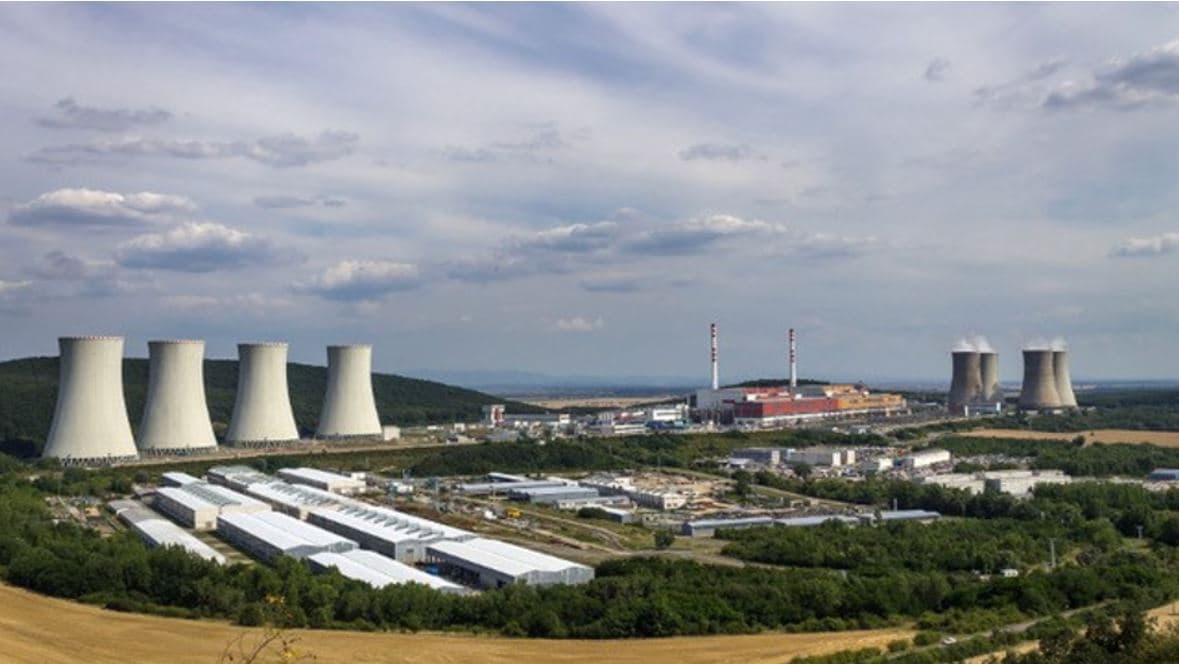
\n\nSlovak technicians have successfully connected a new nuclear unit at the Mochovce power plant to the electricity grid. The unit has begun supplying its first MWh of electricity. Before entering commercial operation, the unit, with an installed capacity of 471 MW, must still undergo tests at various power levels. Once fully operational, Slovakia’s nuclear units will have a combined installed capacity of more than 2.75 GW. \n\nSlovenské elektrárne announced that it connected the new Mochovce nuclear unit to the electricity grid for the first time on the evening of Thursday, 15 October. The connection had originally been scheduled for Tuesday, 13 October, but the company delayed it by two days to repeat a technical test on the unit. Technicians synchronized the new VVER-440 nuclear unit, with an installed capacity of 471 MW, to the grid at 20% power.\n\nRead the full article HERE.\n
\n\nDemolition and site preparation are continuing at the future combined-cycle power and heating plant near Mělník. Turbine production has also begun; the turbines will be supplied by companies from Sweden and Germany. The low-emission plant will provide heat to part of Prague. It will have an electrical capacity of 266 megawatts (MW) and a thermal capacity of 183 MW. Commissioning is planned for 2029, ČEZ Group spokesperson Ladislav Kříž told the Czech News Agency (ČTK) in a press release today. Construction of the new source is part of a major transformation of the area, where coal-fired heat production will end in the coming years.\n\nEnergotrans, a ČEZ Group company, signed a contract last May to build the combined-cycle plant for nearly 14 billion korunas. The authorities issued the building permit this August. “Mělník is undergoing the biggest energy transformation in decades. At the same time, we are building new sources while the existing heating complex remains fully operational,” said Pavel Šléška, director of ČEZ’s conventional energy division.\n\nRead the full article HERE.\n
\n\nEurope’s biomethane sector has considerable potential, but its development is being held back by regulatory barriers and a lack of investment certainty. At European Biomethane Week in Brussels, the European Biogas Association (EBA) called for conditions that would support both production and industrial demand. Energy Commissioner Dan Jørgensen stressed the importance of domestic sources for Europe’s independence.\n\nEurope’s biomethane production capacity has exceeded 8 billion m³ a year. Biogas and biomethane together supplied approximately 22 billion m³ of gaseous energy in 2024, equivalent to around 7% of European gas consumption.\n\nRead the full article HERE.\n
\n\nThe price of crude oil itself accounts for only part of the final price of a barrel. According to a new analysis by the International Energy Agency (IEA), tanker freight rates surged to record highs in September. This is driving up the cost of oil and fuel deliveries around the world and gradually feeding through to consumer prices.\n\nTransport usually makes up only a small share of the final price of oil. But when shipping becomes significantly more expensive, costs accumulate across the entire supply chain. Since February, meanwhile, markets have been roiled by the war in the Middle East. Attention has focused on the availability of oil from the Persian Gulf and the reopening of the Strait of Hormuz, while freight costs have risen almost unnoticed. In mid-October, shipping oil by large tanker from the Gulf to Asia cost over 37 USD per barrel, more than five times the pre-war rate.\n\nRead the full article HERE.\n
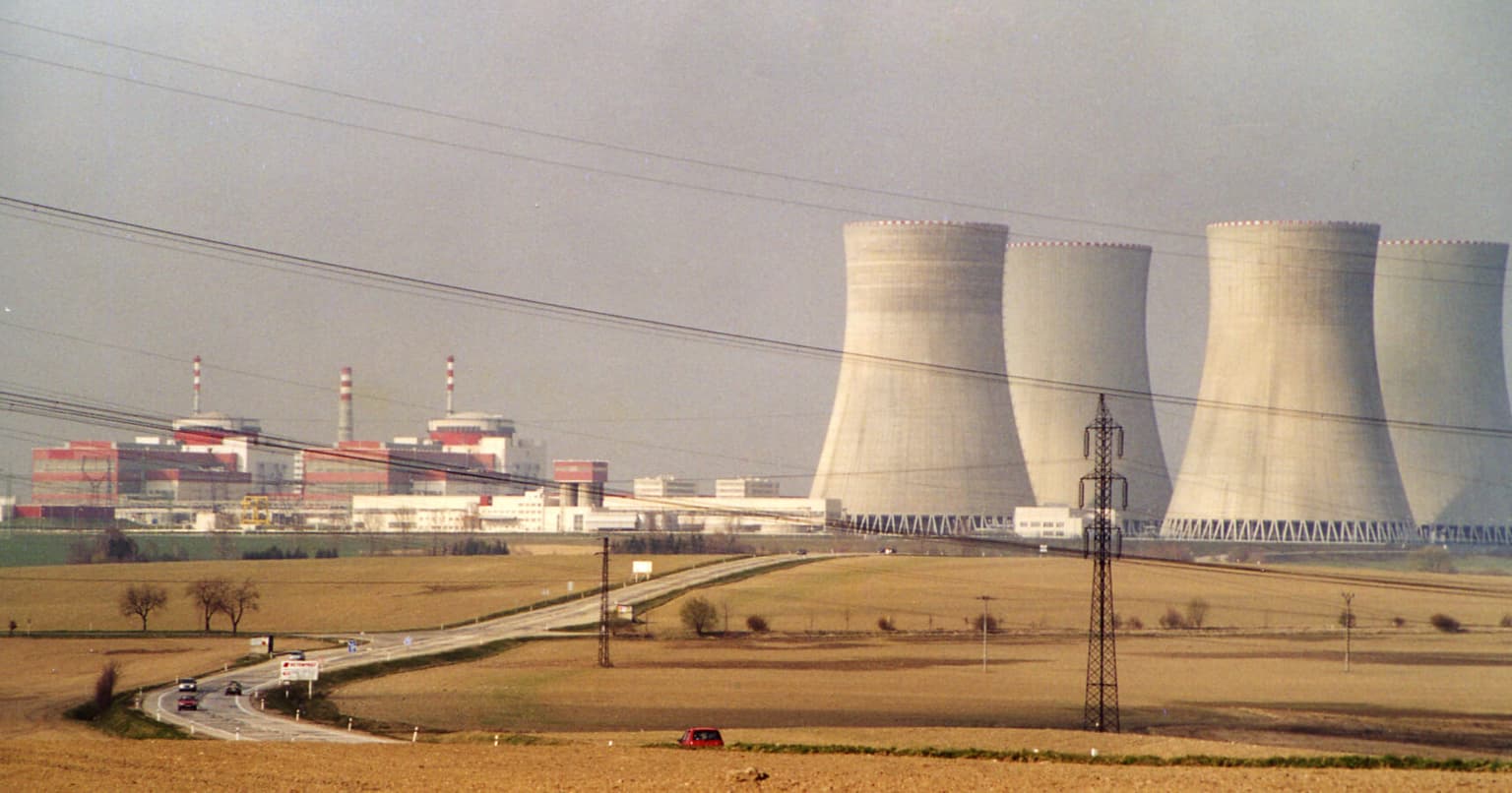
\n\nFrom October 2025 to this September, the hot-water pipeline connecting the Temelín Nuclear Power Plant with České Budějovice delivered 719.000 gigajoules of heat to the regional capital. That is 7.9 percent less than a year earlier. The pipeline has been in operation for three years, since October 2023, and delivered 663.000 GJ of heat in its first year. It has helped the České Budějovice heating plant cut emissions by a third by supplying heat to around a third of the city. Temelín plant spokesperson Marek Sviták told journalists today.\n\nWater at a temperature of over 100 degrees Celsius is currently flowing to České Budějovice, with daily deliveries standing at around 2500 GJ, depending on outdoor temperatures and the city’s current needs. “Heat deliveries are not about setting annual records, but about maximum reliability and stability. We supply exactly as much heat as České Budějovice needs at any given time. The modernisations carried out at both our heat-exchange stations in recent years have also helped significantly,” said Bohdan Zronek, a member of ČEZ’s board of directors and director of its nuclear energy division.\n\nRead the full article HERE.\n
\n\nThe European Commission has given preliminary approval to Italy’s plan to cap the price of gas used to generate electricity. The mechanism is intended to limit the impact of more expensive gas on wholesale electricity prices, but it will not cover the cost of emissions allowances. Someone will still have to pay the difference between the market price of the fuel and the set cap.\n\nItaly is preparing a temporary mechanism that would set a maximum gas price for power plants of around 60 EUR/MWh. The Italian government drew inspiration for the measure from the so-called Iberian exception, introduced by Spain and Portugal in 2022. According to Italian Energy Minister Gilberto Pichetto Fratin, the measure could cut energy bills by ten percent.\n\nRead the full article HERE.\n
\n\nWind power is a contentious issue in the Czech Republic. In the wake of recent referendums, critics of “wind turbines” in the country have raised concerns about infrasound, bird deaths, falling property values and changes in the weather. Which of these claims are supported by studies, which are debunked, and where are scientists still unsure?\n\nWe recently wrote about why most of this year’s referendums on wind turbines ended in rejection. This article focuses on something else: the arguments that come up in public debate about wind turbines. Why these arguments matter is simple. Czechia is significantly behind the European average. According to WindEurope, 15.1 GW of wind capacity was newly installed in the European Union last year, compared with just 13 MW in Czechia. That is roughly one thousandth of Europe’s total capacity additions.\n\nRead the full article HERE.\n
\n\nNorway’s sovereign wealth fund, the world’s largest of its kind, is not yet investing in battery storage. The reasons are the limited size of available projects and the risk of so-called market cannibalisation, whereby a growing number of batteries gradually narrows the price spreads on which operators make money. The fund nevertheless considers storage a potentially suitable complement to its investments in wind and solar power. \n
“We see a significant risk of market cannibalisation with batteries,” said Borge Rygh Sivertsen, portfolio manager for new energy at Norway’s sovereign wealth fund, at the Energirike conference in Haugesund, Norway.
\nAccording to him, the economics of battery storage are based primarily on the difference between high and low electricity prices. Batteries buy electricity when prices are low and then sell it when electricity is more expensive.\n\nRead the full article HERE.\n
\n
\n
\n
Energostat: electricity generation in the Czech Republic
\n
Data in this chart is also available in 15-minute resolution60min15min
\n\n
Energostat: electricity generation in Germany
\n
Data in this chart is also available in 15-minute resolution60min15min
\nFind more up-to-date charts and data on Energostat\n\n
\n
\n
Translation disclaimer
This article is a machine translation of the Czech original and has not yet been fully reviewed. In case of any doubt, please refer to the Czech version.