

25 October 2026, 08:20
Loading...
Top 10 energy stories of the past week
oEnergetice.cz
6 July 2025, 21:36
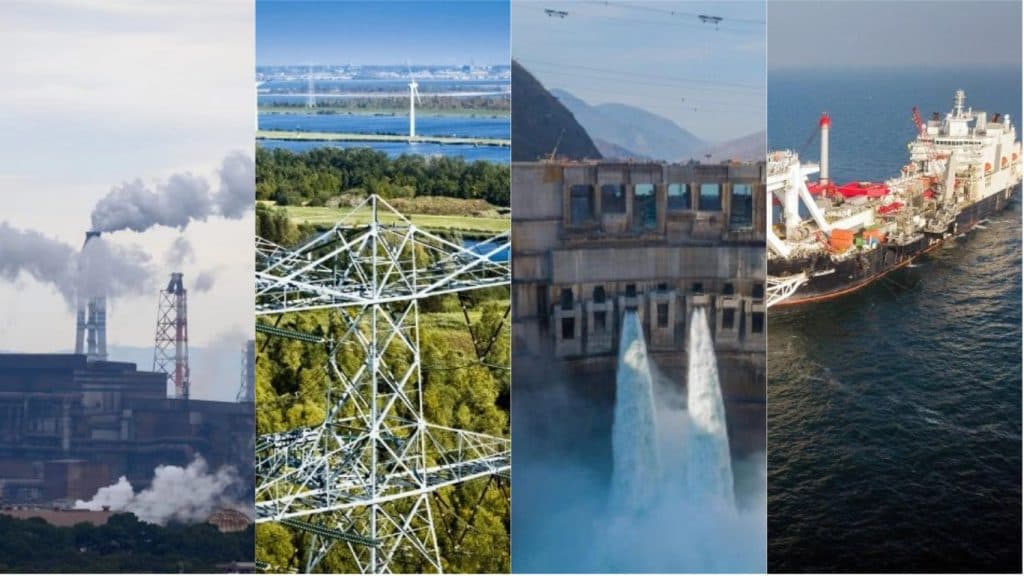
This week, we are once again bringing you a carefully selected list of the ten most significant articles we published on oEnergetice.cz. If you missed any of them, here is a selection of the articles that caught our readers’ attention the most. Good luck in the new week!
1. Germany to cancel emissions allowances as it phases out coal-fired power plants
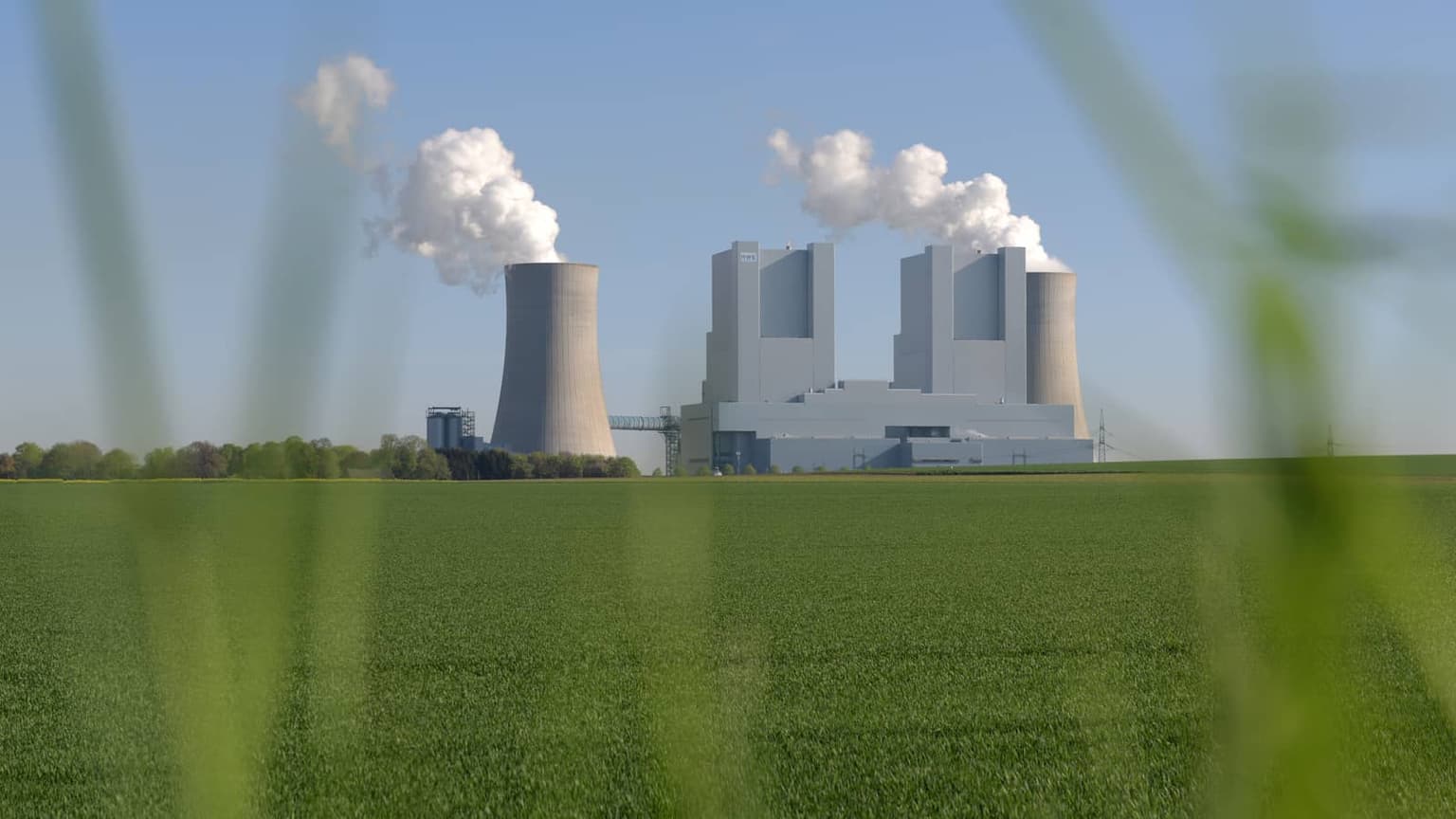
Germany has cancelled more than 500 000 European emissions allowances (EUAs) as a result of phasing out its coal-fired power plants, the German Environment Agency (UBA) said. Cancelling the released allowances will ensure that other countries cannot use them to emit additional CO2.
For the first time, Germany will cancel emissions allowances from primary government auctions under the European Union Emissions Trading System (EU ETS). The cancelled allowances amount to a total of 514 000 tonnes of CO2.
Read the full article HERE.
2. ČEPS: A fallen phase conductor caused the blackout, taking out a transmission line and a power plant unit

The main mechanical cause of today’s extensive power outage in Czechia was the fall of a phase conductor, which carries electricity between power plants and substations. This subsequently took out a backbone high-voltage line, one of the units at the Ledvice power plant in the Teplice region, and the large Krasíkov substation in the Ústí nad Orlicí region. This was reported by transmission system operator ČEPS. The reason why the conductor was damaged is not yet known.
Around noon today, extensive power outages affected a large part of the Czech Republic. Parts of Prague, the Central Bohemian, Liberec and Ústí nad Labem regions, as well as eastern Bohemia, were among the areas without power. At around 14:50, ČEPS announced that all substations were back in operation, and electricity supplies are gradually being restored across the country.
Read the full article HERE.
3. German government makes U-turn: households could get cheaper electricity after industry
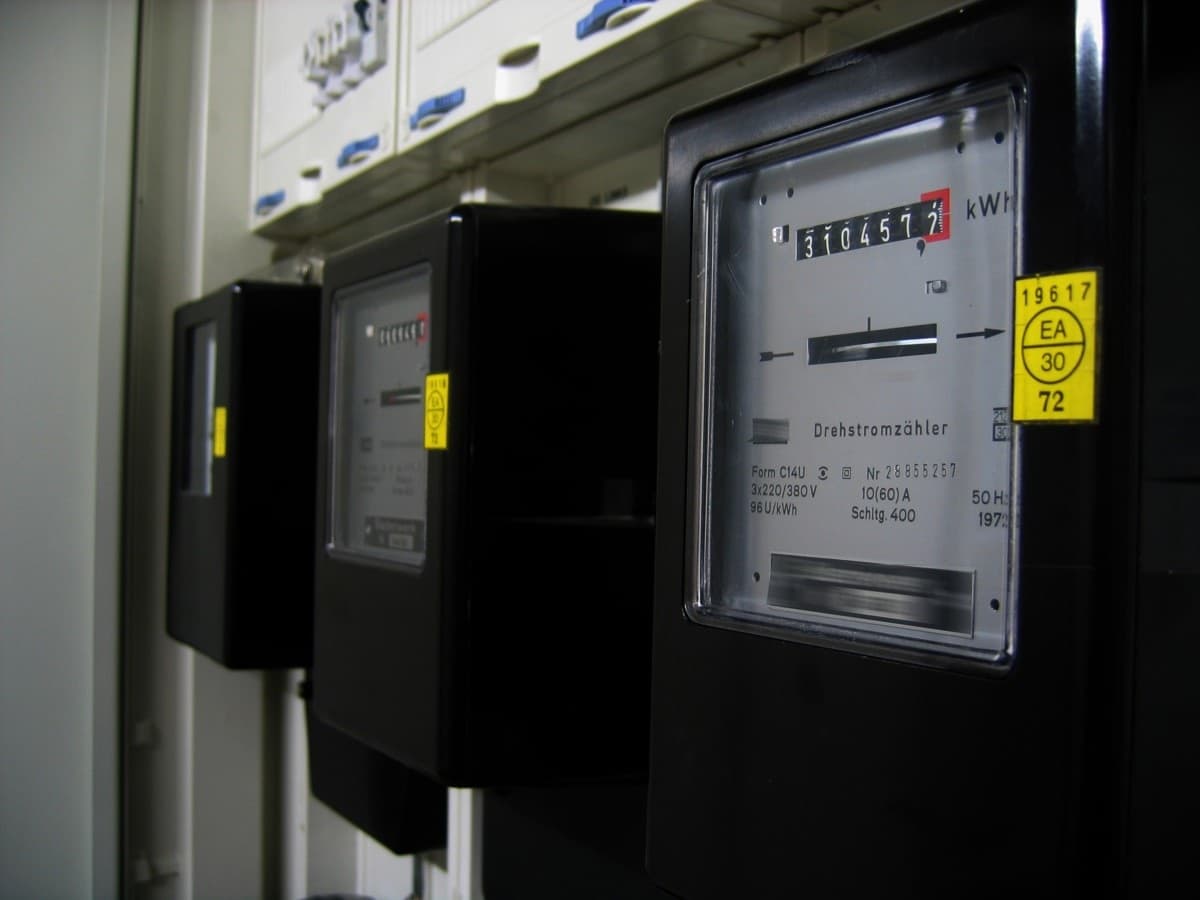
High electricity prices for households and industry have long been a topic for politicians, not only in Germany. While the German governing coalition recently announced plans to support industry with cheaper electricity, households were not included. But following public pressure, the plans appear to have changed quickly, and households could also get cheaper electricity.
According to Clean Energy Wire, Germany’s governing coalition is discussing a possible reduction in electricity prices for households. It could do this by cutting electricity tax to the minimum level set under EU rules. According to the outlet, this U-turn comes just a few days after the government ruled out this option.
Read the full article HERE.
4. Nuclear fusion takes another step forward as ITER selects contractor for reactor torus

Westinghouse Electric Company has signed a contract worth USD 180 million (approximately CZK 3.95 billion) with ITER to assemble the ring-shaped vacuum vessel for the International Thermonuclear Experimental Reactor (ITER), under construction at Cadarache in southern France. This vacuum vessel is one of the reactor’s most critical components. It is a hermetically sealed, double-walled steel container in which the fusion plasma will be confined.
After all the vacuum vessel sectors have been installed, Westinghouse will begin the most complex phase of assembly—welding the nine sectors together simultaneously to form a single, complete ring-shaped structure known as a torus.
Read the full article HERE.
5. Growth of 100% in two years. Czech ‘solar boom’ set to last another 5 years
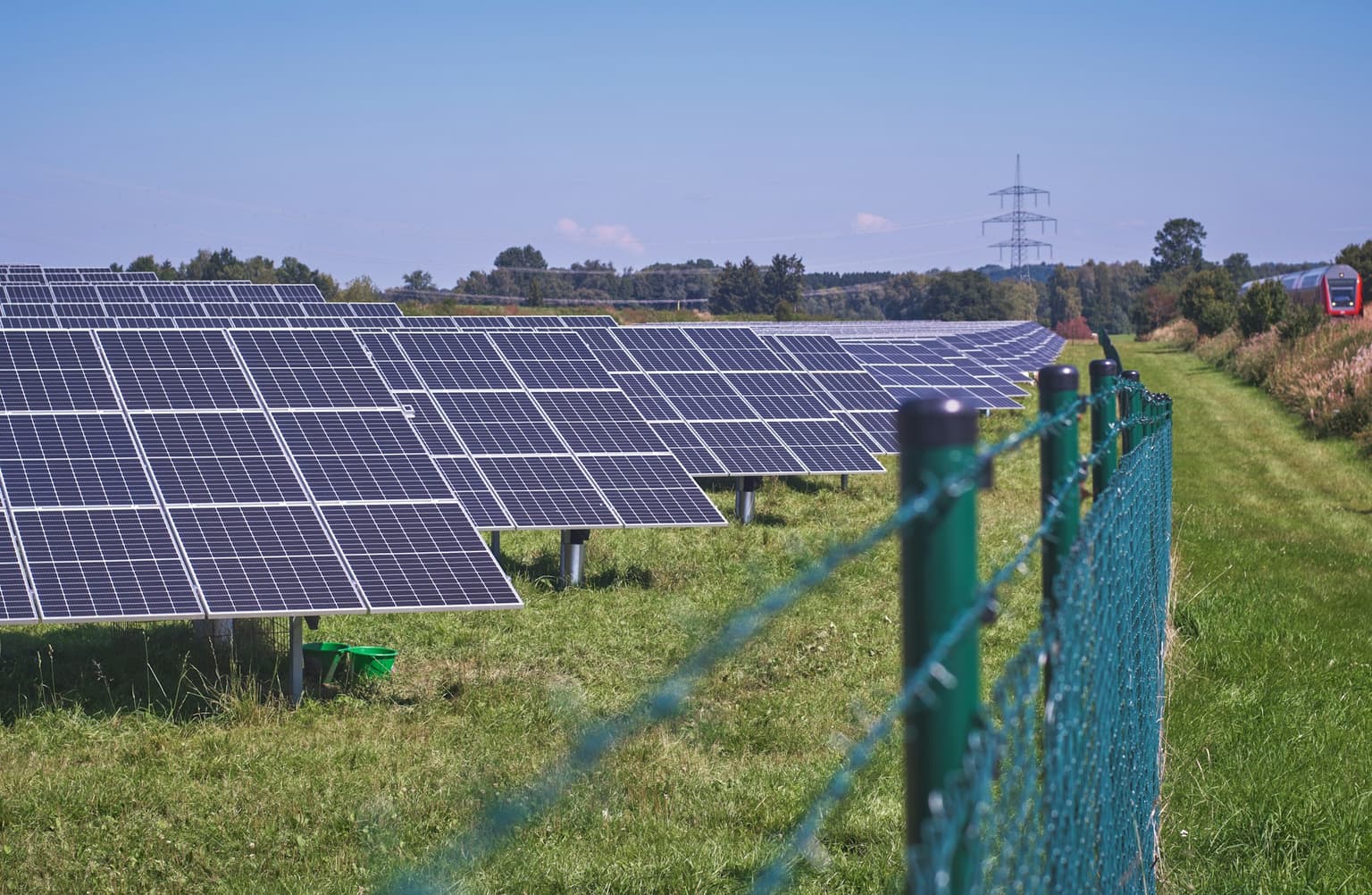
Solar power plants in the Czech Republic are heading for another record year, at least in terms of electricity generation. In the first half of the year alone, solar plants generated a fifth more electricity than during the same period last year, according to data from the transmission system operator. Compared with 2023, the increase is as much as twofold.
The past two years have been a turning point for solar power plants in the Czech Republic. New solar capacity has begun to come online in the Czech grid in greater numbers. For the previous ten years, the sector had practically “stagnated” after the solar boom of 2009 and 2010 made it unpopular with the public and politicians.
Read the full article HERE.
6. Slovakia and Hungary may soon say whether they can agree on a Danube project

Slovakia and Hungary are close to announcing whether they can reach an agreement in their longstanding dispute over the Gabčíkovo-Nagymaros waterworks on the Danube. Environment Minister Tomáš Taraba told reporters today. Slovakia’s opposition rejected Taraba’s earlier claim that, under a valid agreement, Hungary should receive half of the electricity generated free of charge at the Slovak Gabčíkovo hydroelectric power plant, which, with an installed capacity of 720 megawatts, is the largest hydropower plant in the country. Hungary withdrew years ago from building its part of the joint project.
“We are close to saying whether or not we can reach an agreement. If we can, it will then be a long process; it has to go to parliament,”Taraba said about the talks with Budapest.
He declined to provide further details about Slovakia’s position.
Read the full article HERE.
7. Current heat is reducing solar power plant output and panel efficiency
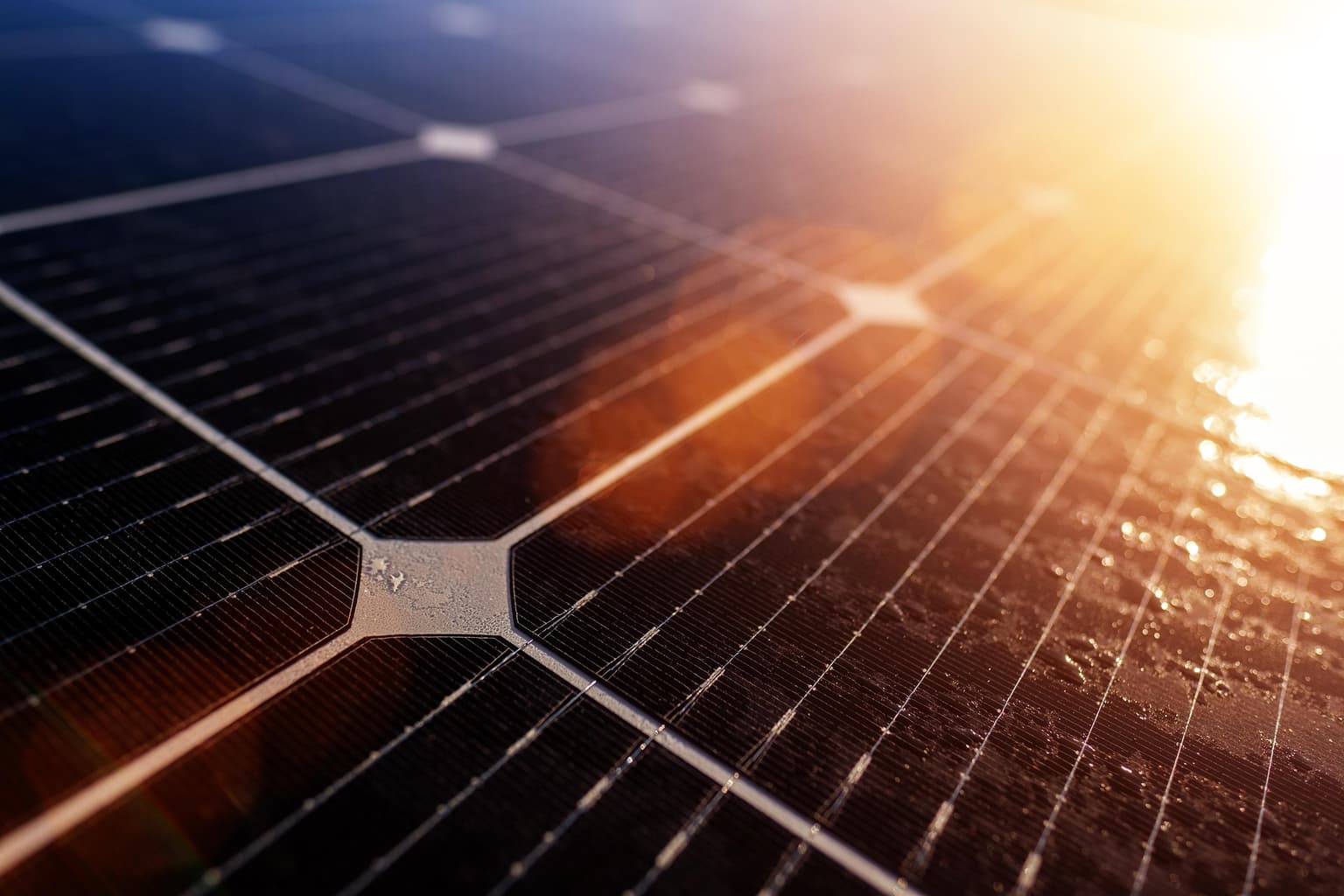
Current high temperatures are reducing the efficiency of solar power plants. Their output has fallen by up to 14 percent in recent days compared with ideal conditions. The reason is that the panels overheat, reducing their efficiency. Sunlight is the most important factor in solar power generation, and panels work best at temperatures around 25 degrees. This is according to comments from industry representatives to the Czech News Agency (ČTK).
“Solar panels generate electricity from sunlight, not temperature,” said Jan Krčmář, executive director of the Solar Association.
Read the full article HERE.
8. Kori 1 to be South Korea’s first nuclear power plant to be dismantled
South Korea’s nuclear regulator has approved the dismantling of the first unit at the Kori 1 nuclear power plant, making it the first unit in the country to be permanently shut down. The plant ended operations in 2017 after nearly forty years. Dismantling work is expected to take more than a decade.
In the wake of the energy crisis of recent years, nuclear power plant construction has once again moved into the spotlight, not only in Europe. Alongside plans to build new units, however, plants that have reached the end of their service life are also being decommissioned and dismantled. South Korea is also preparing to dismantle its first nuclear power plant, after the nuclear regulator approved the dismantling of Kori 1 last week.
Read the full article HERE.
9. Orlen and its Litvínov refinery are definitively ending Russian oil imports, newspaper reports

Polish petrochemical group Orlen is definitively saying goodbye to Russian oil, the newspaper Rzeczpospolita reported on its website, noting that the final contract for importing Russian oil to the group’s Czech refineries expires today. Supplies effectively ended in March. EU countries began rejecting Russian oil and gas years ago, citing mainly the need to diversify supplies. They accelerated the process further after Russia’s military invasion of Ukraine in February 2022.
“From tomorrow (Tuesday—ČTK note), Orlen and our entire region will no longer be bound by any agreements concerning Russian crude,” the newspaper stressed.
Read the full article HERE.
10. Strait of Hormuz poses an energy crisis threat to Europe: LNG prices could triple
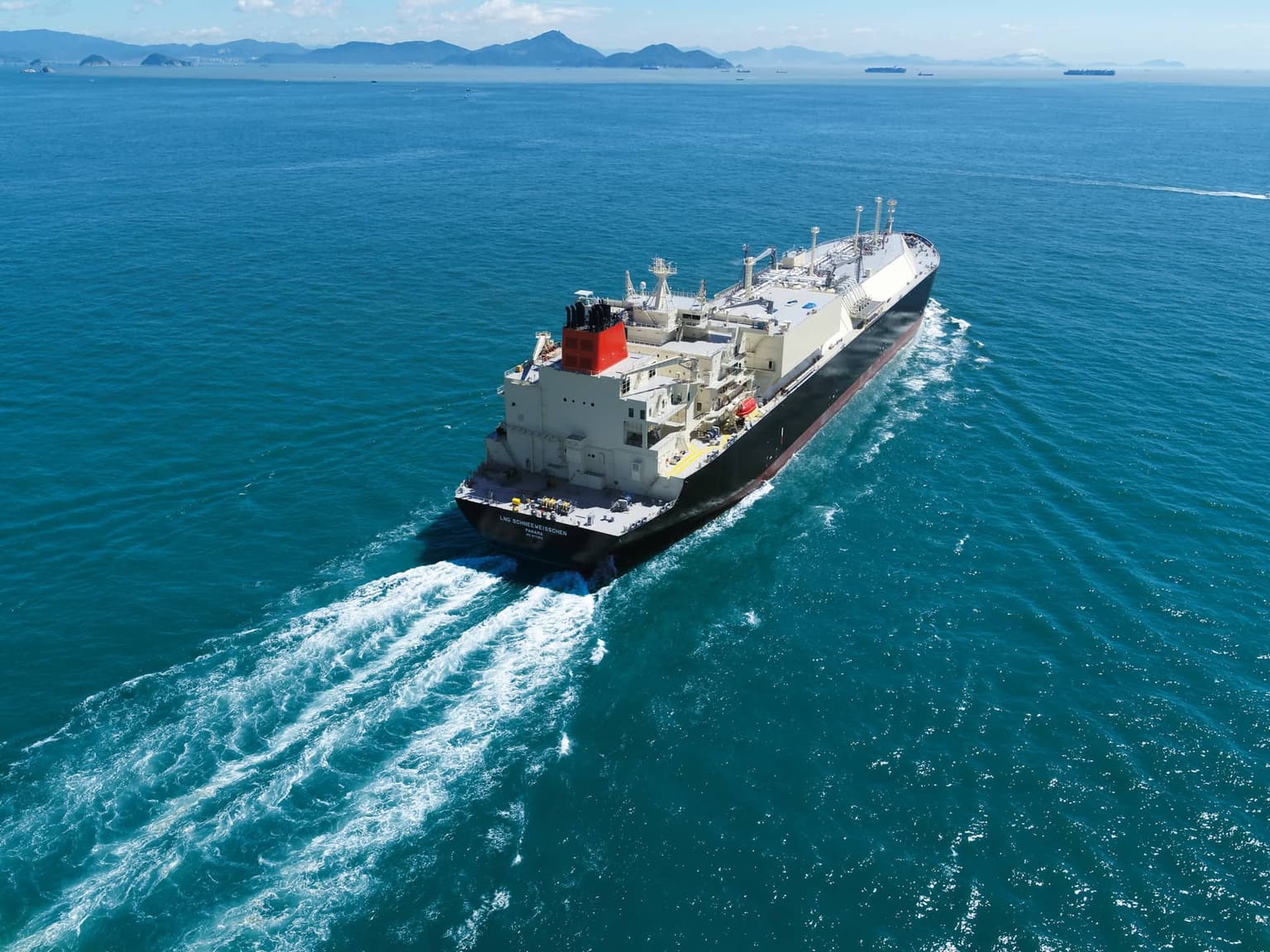
The threat of the Strait of Hormuz being closed has once again exposed the fragility of Europe’s energy security. Around a fifth of global LNG trade passes through this strategic strait, and a blockade could deprive Europe of up to 30 billion m³ of gas a year—roughly a fifth of its LNG imports. Although a complete closure is unlikely, the risks alone are pushing prices up and forcing countries to seek greater resilience.
Tensions between Iran and Israel escalated again in June. Iran’s parliament passed a resolution calling for the closure of the Strait of Hormuz , a strategic waterway between the Persian Gulf and the Indian Ocean. Although this is so far largely a symbolic move, according to a commentary by the Oxford Institute for Energy Studies (OIES), even the threat is a major shock to markets. Around 18–20 % of global LNG passes through Hormuz—approximately 77 million tonnes a year, equivalent to more than 105 billion m³ of gas.
Read the full article HERE.
Energostat: electricity generation in Czechia
Data in this chart is also available in 15-minute resolution60min15min
Energostat: electricity generation in Germany
Data in this chart is also available in 15-minute resolution60min15min
Find more up-to-date charts and data on Energostat
Translation disclaimer
This article is a machine translation of the Czech original and has not yet been fully reviewed. In case of any doubt, please refer to the Czech version.
Sdílejte článek prostřednictvím:
Topics:Energy Weekly
You might also like



23 October 2026, 14:38