23 October 2026, 06:34
Loading...
Top 10 energy stories of the past week
oEnergetice.cz
22 February 2026, 19:28

This week, we once again bring you a carefully selected list of the ten most important articles published on oEnergetice.cz. If you missed any of them, here is a selection of the stories that attracted the most interest from our readers. Good luck in the week ahead!
1. German concerns are growing. Data show declining support for the Energiewende
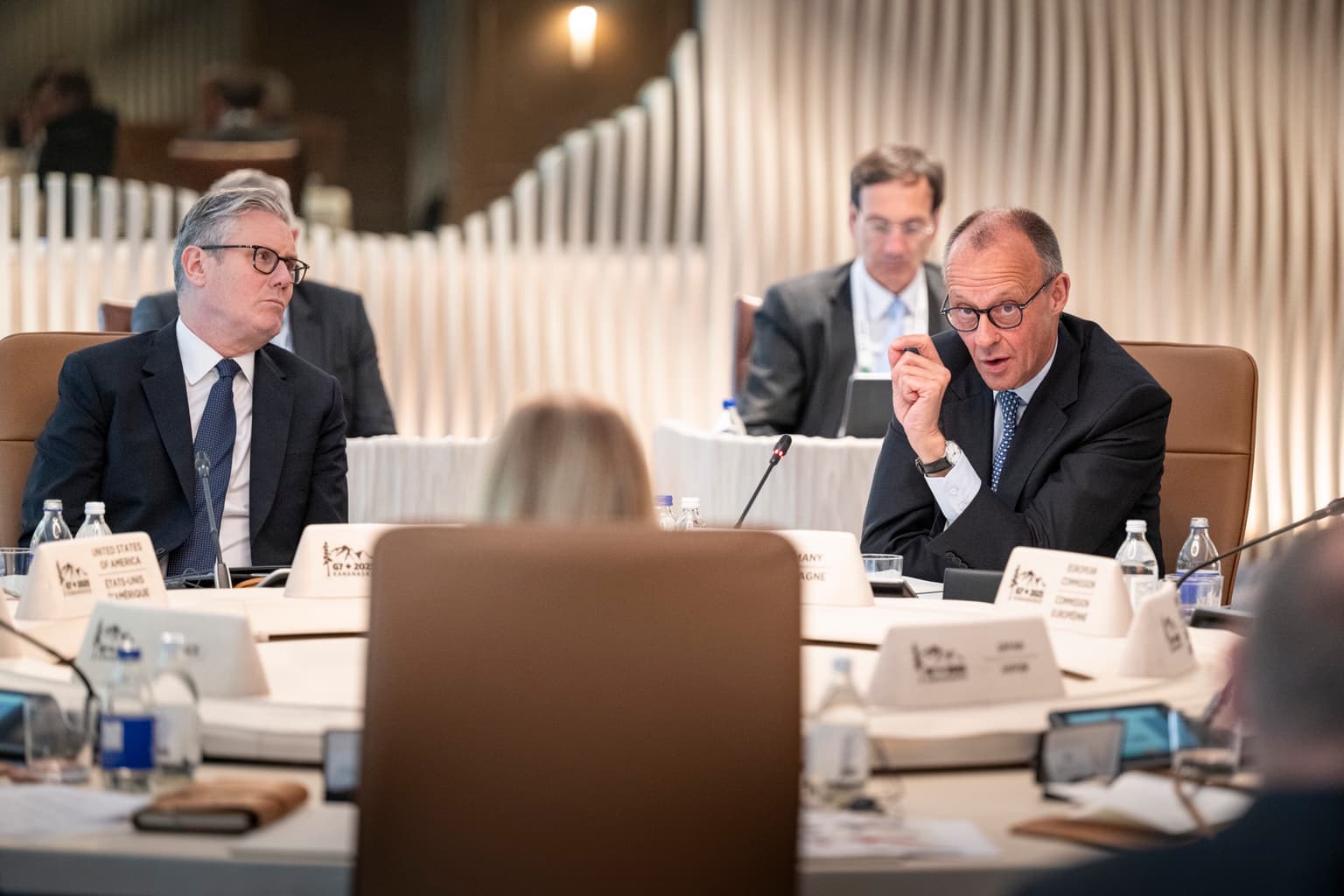
According to a study published by the BMW Foundation Herbert Quandt, public opinion in Germany on the energy transition continues to shift. Support for the Energiewende has weakened in recent years, while concerns about economic impacts, energy prices and competitiveness are beginning to outweigh climate priorities. Nevertheless, most of society continues to support the development of renewable energy and investment in energy infrastructure.
The Energy Transition Future Monitor 2026 survey shows that climate issues have noticeably receded from the forefront of public debate in Germany. The share of respondents who are “very concerned” about climate change fell to 33%, having remained stable at around 50% from 2019 to 2022. Climate issues are thus taking a back seat to economic stability, energy prices and security risks.
Read the full article HERE.
2. California and Britain strike billion-dollar green pact, Trump fumes.

California and the United Kingdom have concluded an agreement on clean energy development, technological cooperation and mutual investment. The partnership is intended to speed up projects involving key decarbonisation technologies and give companies access to both markets. The pact is backed by a nearly billion-dollar investment by British company Octopus Energy. The new alliance is emerging at a time when federal policy is moving in the opposite direction. Donald Trump, who has long been at loggerheads with California’s governor, was quick to criticise the collaboration.
Going it alone without Washington
The memorandum of understanding opens the way for British capital to flow into California while strengthening access to the British market for Californian entities. Its aims are to accelerate investment, connect companies and research institutions, and reduce dependence on volatile fossil fuel markets.
Read the full article HERE.
3. EU gas stocks are dwindling fast. The heating season could end at an eight-year low
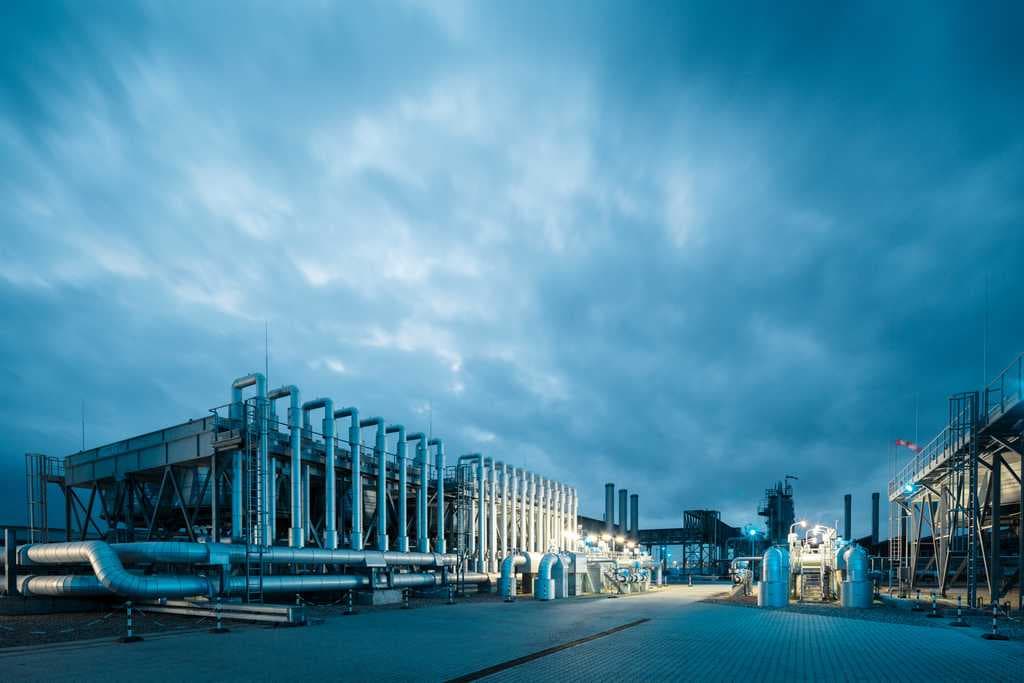
Cold weather and higher electricity generation from natural gas have driven a nearly 7% year-on-year increase in EU gas consumption this year. This increase in demand, combined with rising natural gas exports to Ukraine, has resulted in withdrawals from storage at a rate almost 25% above the five-year average. Analysts warn that Europe could therefore end this winter with its lowest natural gas stocks in eight years.
European countries are drawing more natural gas from storage this winter than in previous winters because of the cold weather. For example, data published by Bloomberg show that an average of 7.8 TWh of natural gas was withdrawn from storage per day in January.
Read the full article HERE.
4. Plzeň Region publishes spatial study on wind farm development in the region
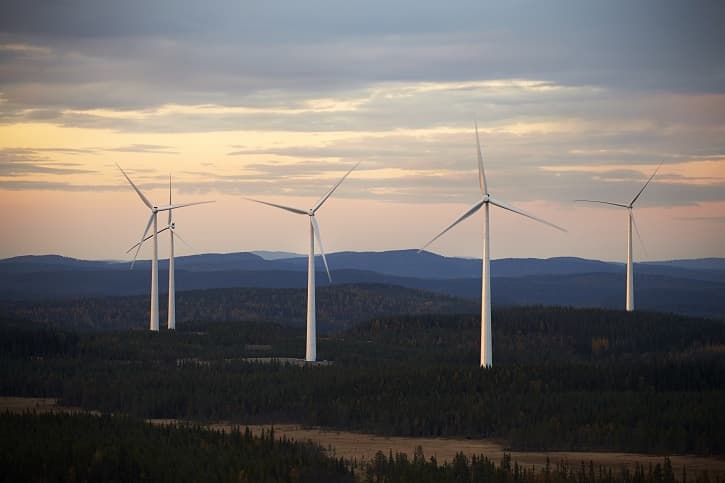
Plzeň Region today published the full spatial study on the development of wind and photovoltaic power plants in the region. It identifies 37 locations where acceleration areas could be established for potential renewable energy projects. Martin Plíhal, head of the regional environmental department, told the leadership of the Association of Towns and Municipalities of the Plzeň Region (SMOPK). Mayors welcomed the study, as it gives them an initial basis for discussions with investors and landowners.
Acceleration areas, formerly known as zones, will be administratively designated areas in Czechia where permitting for wind and solar power plants is intended to be faster and simpler. The state has committed to increasing the capacity of Czech wind power fivefold to 1.5 GW by 2030. The Czech National Recovery Plan, through which the country receives European funding, even includes a commitment to double capacity.
Read the full article HERE.
5. Geopolitical move: Lukoil hands overseas oil fields to US capital
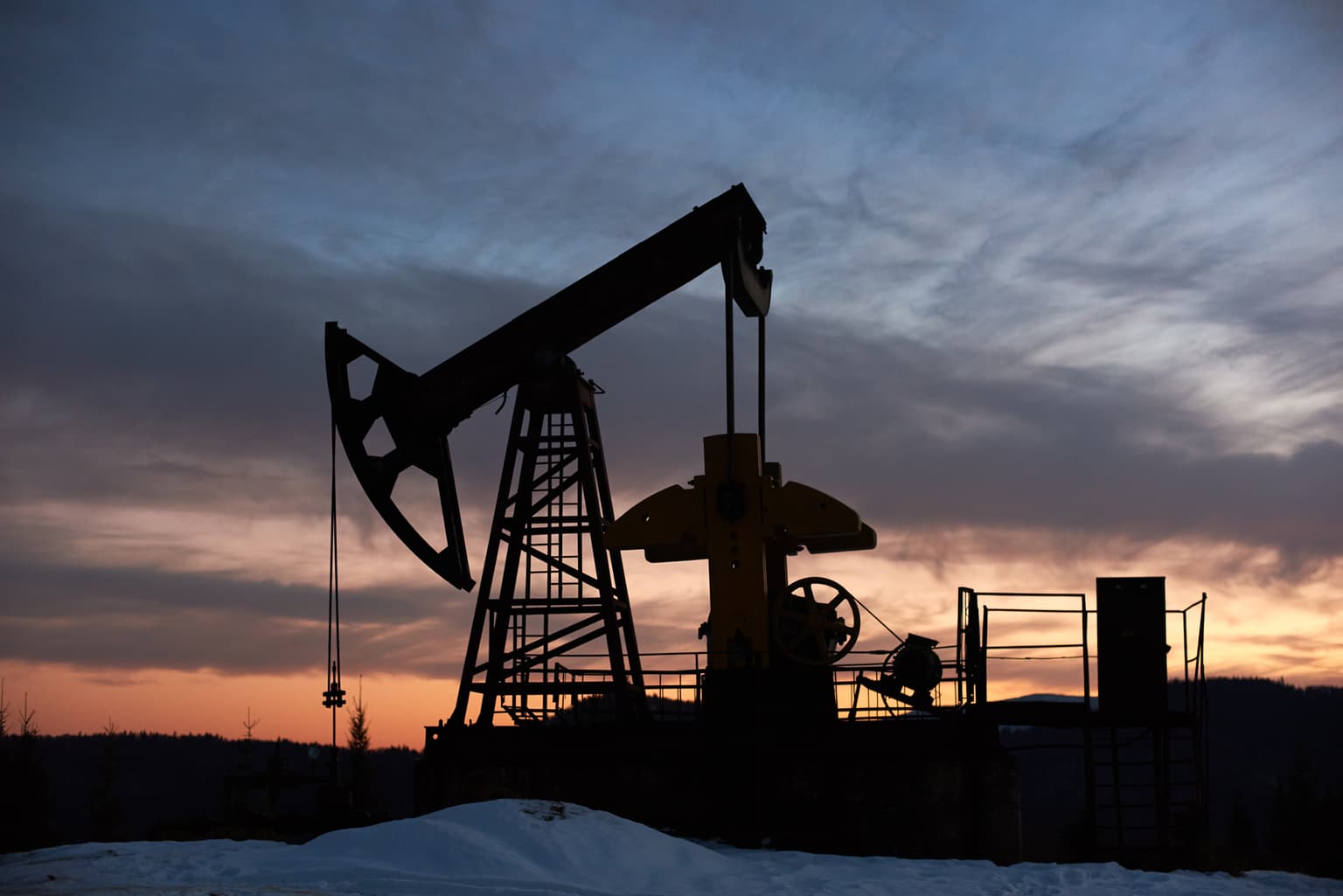
According to S&P Global, Russian oil company Lukoil has agreed to sell most of its foreign assets to US investment group Carlyle Group. The transaction involves the full ownership stake in LUKOIL International GmbH, which holds an extensive portfolio of oil production projects, refining capacity and distribution infrastructure outside the Russian Federation. The agreement excludes assets in Kazakhstan, which Lukoil is retaining. Although the official value has not been disclosed, analysts estimate it at around USD 22 billion.
Lukoil’s official press release confirms that the sale is a response to a challenging international environment and restrictions arising from sanctions policy. Western sanctions have significantly limited the ability of Russian energy companies to manage foreign assets, finance their development and carry out strategic transactions.
Read the full article HERE.
6. Energy under blockade: Cuba on the brink of collapse

The Caribbean island is grappling with a massive energy crisis, which a recent US blockade has dramatically intensified. Cubans are turning to whatever they can find– from solar panels to charcoal. The energy crisis has been further deepened by a recent fire at one of the island’s four refineries.
Cuba has been under a US trade embargo for more than sixty years (since 1962). Even before Donald Trump’s order imposing a complete blockade on fuel bound for the island, the country was facing an energy crisis amid the loss of supplies from Venezuela and its ageing infrastructure.
Read the full article HERE.
7. New Indian nuclear unit Rajasthan 7 reaches full power
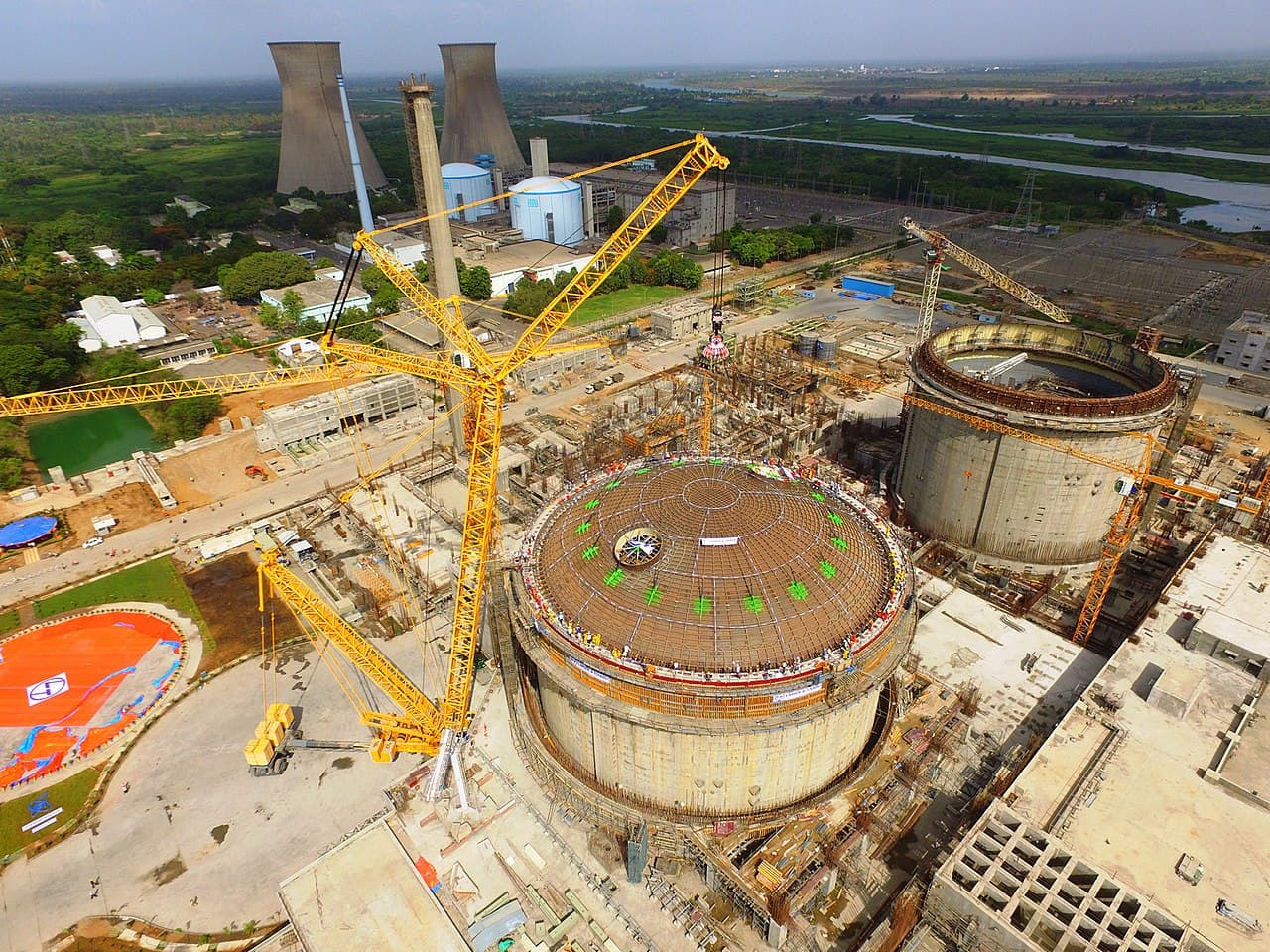
India’s new nuclear construction programme has reached another milestone. Rajasthan power plant’s Unit 7 has reached full power for the first time, ten months after entering operation. The new unit, equipped with an Indian pressurised heavy water reactor, has an installed capacity of 700 MW. India is currently planning and building 13 more similar nuclear units. The Indian government aims to reach 100 GW of installed nuclear capacity by 2047.
Indian company NPCIL (Nuclear Power Corporation of India Limited ) announced that its new Rajasthan 7 nuclear unit reached full power for the first time on 10 February. The new unit is equipped with an IPHWR-700 (Indian Pressurized Heavy Water Reactor) heavy water reactor, with an installed capacity of 700 MW (gross) and 630 MW (net). The company connected the unit to the grid last year in March and commissioned it a month later. Its output has been gradually increased ever since.
Read the full article HERE.
8. Italy tackles high energy prices: billion-euro package and upheaval in the CO₂ market
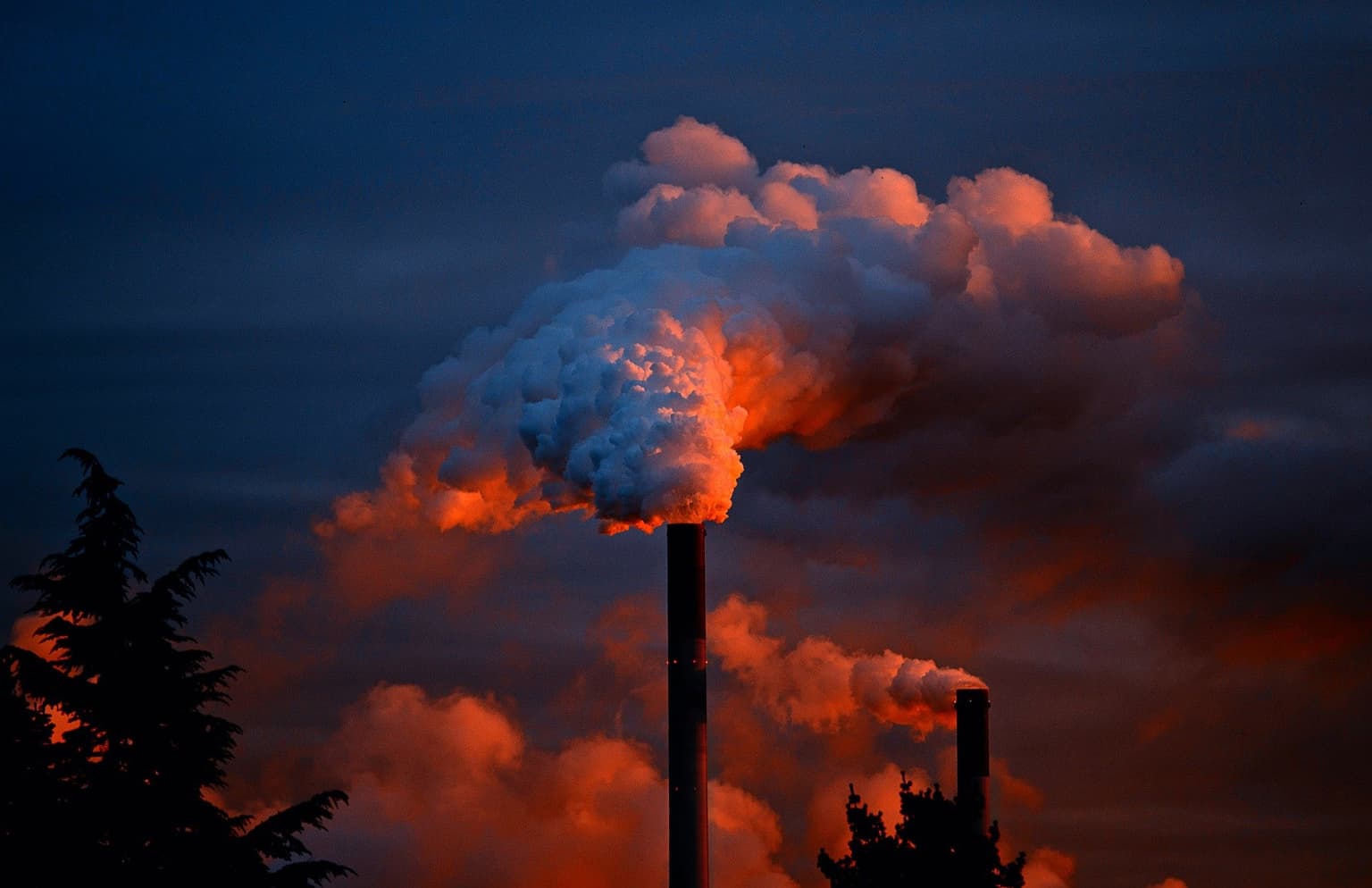
The Italian government has announced an emergency package to bring down energy prices, which, together with sharp political criticism of the EU ETS, has prompted a strong market reaction. The price of electricity for 2027 fell by nearly EUR 10/MWh in a short time, while ETS allowances dropped to multi-month lows of around EUR 70/t CO₂.
The Italian cabinet unveiled a package worth approximately 3 billion euros aimed at mitigating the impact of high electricity and gas prices on households and industry. The measures are to be partly funded by higher taxes on energy companies, with the aim of stabilising energy bills in the short term and supporting industrial competitiveness. The political debate also includes a proposal to exclude the cost of emissions allowances from the final electricity price, which would represent an intervention in the very mechanism that sets prices in the European electricity market.
Read the full article HERE.
9. Grid congestion in the Netherlands pushes developers to install batteries at wind and solar farms
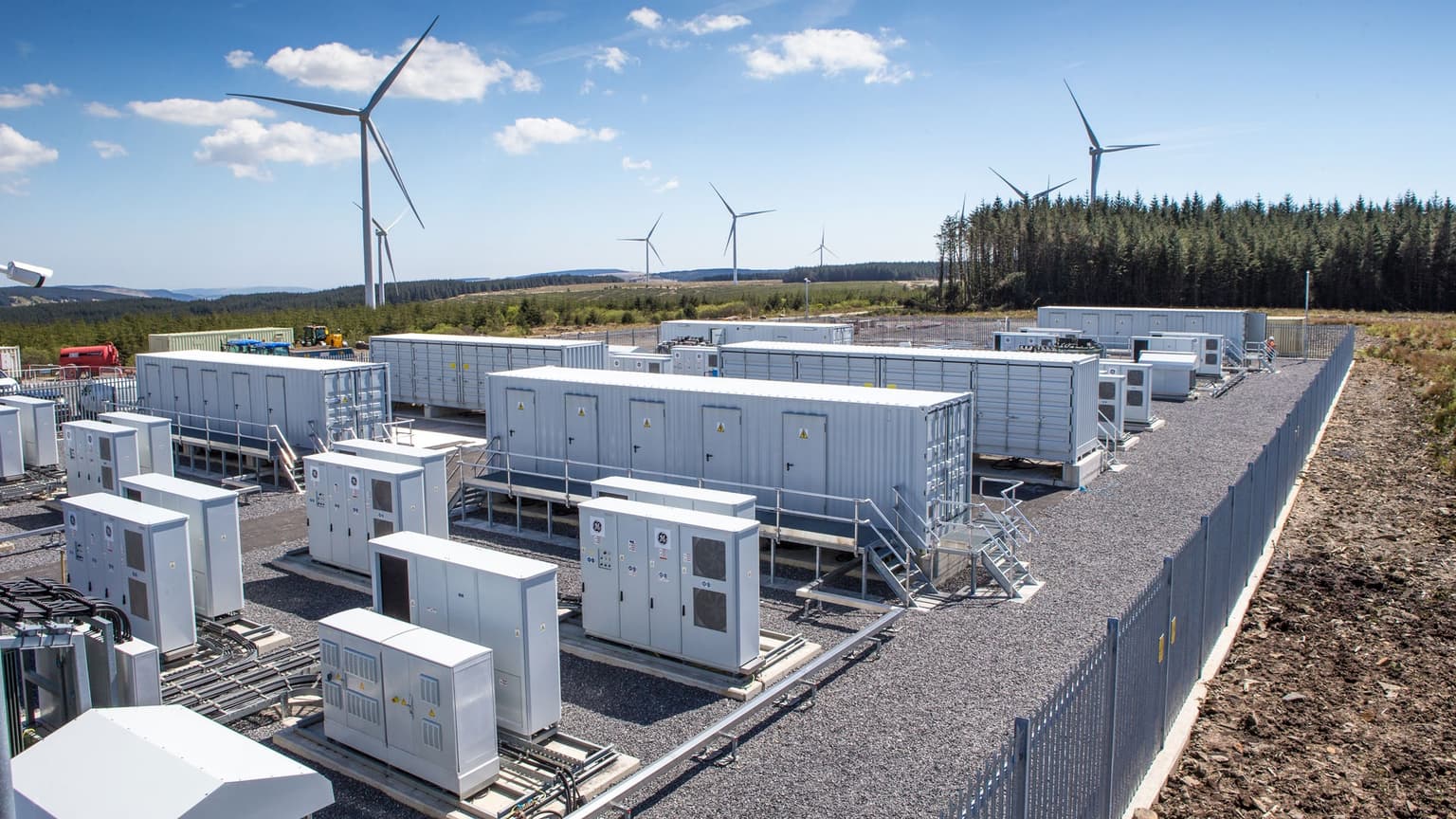
Long waits for grid connections and frequent negative electricity prices are accelerating the growth of battery storage in the Netherlands, installed directly alongside wind and solar power plants. Batteries sharing grid connections with renewable sources allow generators to use existing connection capacity and limit forced curtailment.
Like Germany, the Netherlands has faced significant congestion on its transmission and distribution grids in recent years. Many new power generators and large consumers are waiting years for a grid connection. This situation creates a strong incentive for projects that can use existing or approved connection capacity. One solution is to install battery storage directly at renewable energy sources, typically at solar and wind farms.
Read the full article HERE.
10. European Anti-Fraud Office opens investigation into ČEPS projects

The European Anti-Fraud Office (OLAF) has launched an investigation into projects to modernise the domestic electricity grid, previously carried out by ČEPS. The state-owned company used hundreds of millions of crowns in European funding for them. The news was reported by Neovlivní.cz, which says the Brussels-based office suspects fraud. ČEPS spokesperson Hana Klímová confirmed to the Czech News Agency (ČTK) that OLAF will inspect projects funded by the EU at the company’s headquarters in March. She said ČEPS would not comment on the investigation.
ČEPS was informed of the planned inspection in recent days by the Ministry of Finance, which had been notified of the investigation by OLAF. Klímová confirmed that the inquiry will cover projects funded by the Operational Programme Enterprise and Innovation for Competitiveness (OP PIK). European funding from this programme supported projects during the 2014–2020 programming period.
Read the full article HERE.
Translation disclaimer
This article is a machine translation of the Czech original and has not yet been fully reviewed. In case of any doubt, please refer to the Czech version.
Sdílejte článek prostřednictvím:
Topics:Energy Weekly
You might also like



22 October 2026, 10:45