
23 October 2026, 14:38
Loading...
Greenhouse gas emissions in the EU fell by 7% in 2023

Zuzana Vrbová
16 January 2025, 11:33
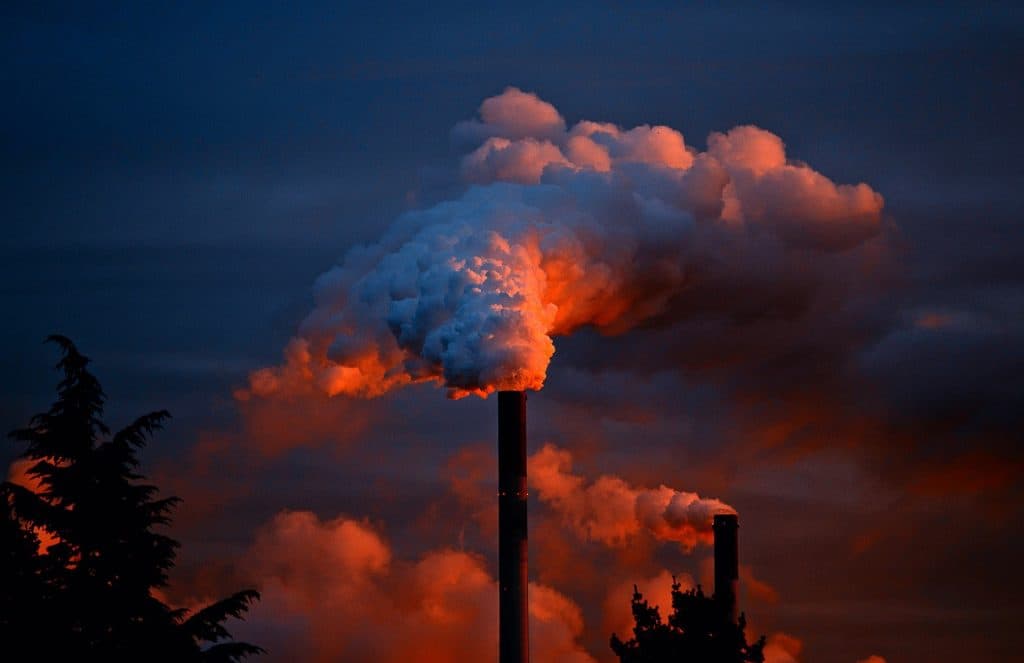
Greenhouse gas emissions from European Union countries fell by 7% in 2023, according to Eurostat. Compared with 2013, this represents an 18% decrease. Czechia is performing very well when it comes to reducing the environmental impact of economic activities.
As the European Commission stated, Eurostat data show that total greenhouse gas emissions from industry, businesses and households in the EU reached 3.4 billion tonnes of CO2e in 2023. This represents a 7% decrease compared with 2022 and reflects the EU’s long-term commitment to reducing its carbon emissions.
The Commission said that efforts across many sectors were a key driver of this reduction, with almost all economic sectors reporting lower emissions. The largest decrease was recorded in the electricity and gas production and supply sector, which cut its emissions by 43% (equivalent to a 448 million tonne reduction in CO2 emissions). This was largely driven by the rapid increase in the use of renewable energy and the shift to other cleaner sources.
Other sectors that recorded significant emissions reductions included mining and quarrying (-25%), services (-20%) and manufacturing (-17%), reflecting primarily the implementation of energy efficiency measures. These activities are also actively contributing to the overall reduction in emissions. Greenhouse gas emissions from households also fell in 2023, by 14%, representing a reduction of 110 million tonnes of CO2e. This can be attributed, for example, to greater energy efficiency in household appliances, improved building insulation and the growing use of renewable energy in homes.
However, not all economic sectors managed to reduce their overall emissions. The transport sector, for example, recorded a substantial increase of 14% compared with 2013. Continued dependence on fossil fuels and the slow transition to electric mobility are the main challenges holding back the decarbonisation of this sector.
The economy’s emissions intensity is falling
It is important to note that the European Union also managed to reduce the emissions intensity of its economy. In practice, this means that fewer greenhouse gas emissions were generated per unit of economic output. Between 2013 and 2023, the economy’s emissions intensity fell by 32%, meaning that although the EU economy grew by 19%, the environmental impact of its activities decreased.
Some countries, such as Estonia, Ireland and Slovenia, led the way with reductions of 61%, 50% and 41%, respectively. Czechia managed to reduce the environmental impact of its economy by 35%, an above-average performance by European standards.
Translation disclaimer
This article is a machine translation of the Czech original and has not yet been fully reviewed. In case of any doubt, please refer to the Czech version.
Sdílejte článek prostřednictvím:
You might also like


23 October 2026, 11:01


23 October 2026, 06:34