
28 October 2026, 15:10
Loading...
Ember: The EU is beginning to get on track to meet the targets set out in REPowerEU
Daniel Grecman
11 May 2024, 08:12
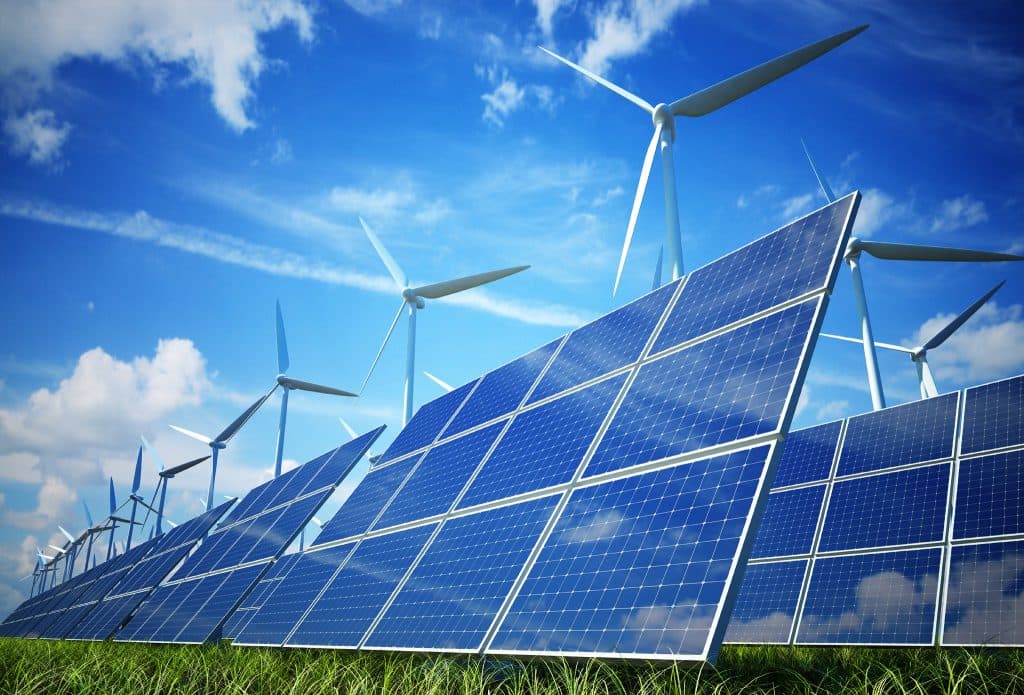
According to an analysis by think tank Ember, the EU is beginning to get on track to meet its highly ambitious targets for green electricity generation in 2030 under the broader plan known as REPowerEU. The analysis notes the progress already made in renewables, particularly in recent years. Specifically, it highlights the development of solar photovoltaic (PV) and wind power plants across the EU, which together recorded the largest year-on-year increase in generation on record. Despite this progress, the EU needs to accelerate renewables development further to meet its targets.
Under the REPowerEU plan, the EU’s target for 2030 is for renewable energy sources to account for 72% of total electricity generation. Last year, the share exceeded 40% for the first time, reaching 44% thanks to record year-on-year increases in generation from solar PV and wind power. Compared with 2022, wind generation rose by 55 TWh (+13%), while solar PV generation increased by 36 TWh (+17%).
Although the combined year-on-year increase in solar PV and wind generation reached an all-time high, Ember notes that the pace of solar power development slowed last year compared with 2022. The increase in generation was 48 TWh in 2022, compared with the 36 TWh reported last year.
According to Ember, one of the most important indicators this year of whether the targets can be met will be companies’ interest in auctions for offshore wind farms. Up to 50 GW of installed capacity will be auctioned across the EU.
Ember also notes the growing number of hours with a very high share of generation from renewables, the corresponding decline in output from conventional power plants, and the adaptation of transmission grids and their operators to these new conditions. It cites coal-dependent Poland as an example: during peak-load hours in June 2023, renewables met up to 67% of domestic demand. In Greece, it highlights renewables meeting 100% of demand for 5 hours in August 2022. In the Netherlands, wind and solar generation exceeded demand for around 140 hours in June 2023.
Czechia is lagging behind
In Czechia, however, large projects are still in preparation, for example because of the length of the permitting process.
The Modernisation Fund, which falls under the Ministry of the Environment, has already pledged investment grant support for a total of 1559 solar PV projects with a combined installed capacity of 2 274 MW. If all the projects are completed, they could generate approximately 2.3 TWh of electricity per year.
Further investment incentives are in the pipeline, as we reported here.
Translation disclaimer
This article is a machine translation of the Czech original and has not yet been fully reviewed. In case of any doubt, please refer to the Czech version.
Sdílejte článek prostřednictvím:
You might also like

28 October 2026, 13:08

28 October 2026, 11:10

28 October 2026, 09:08
