10 September 2026, 15:21
Loading...
Energetika 2022 conference: Czech energy transformation cannot do without gas
Daniel Grecman
26 September 2022, 14:44
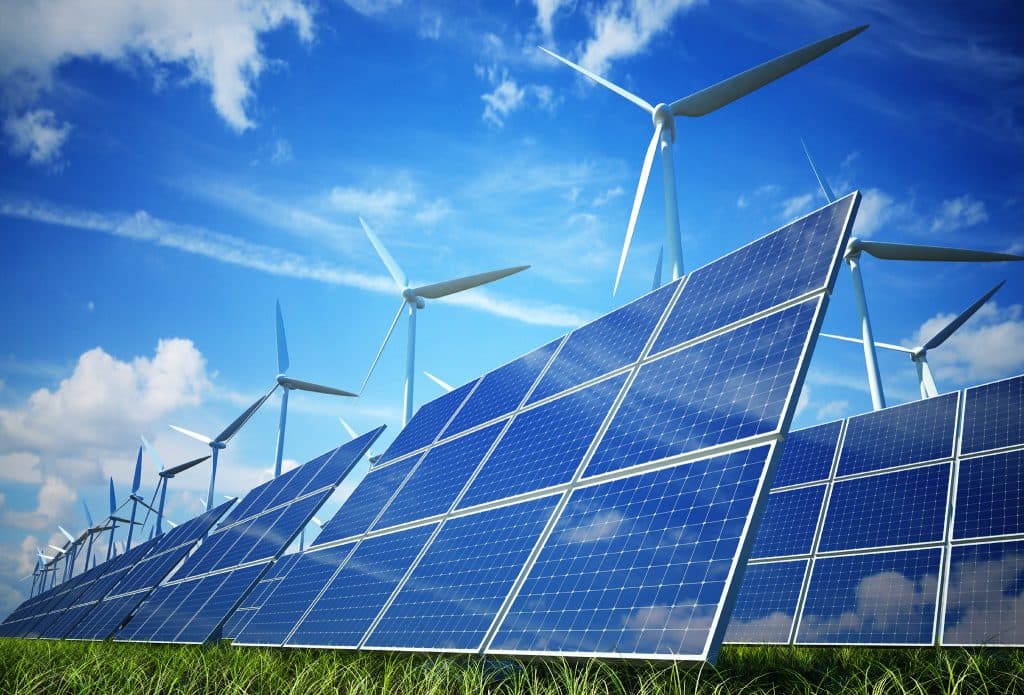
The Energetika 2022 conference, held under the auspices of EGÚ, took place between 21 and 22 September. The first conference session focused on the ongoing energy transformation and how it will proceed further, in particular whether the politically assumed pace of transformation is feasible.
Gas is essential for the EU
The first session was opened by Michal Macenauer, strategy director at EGÚ Brno. He also placed his presentation in the context of the current energy crisis, in which the taken-for-granted availability of electricity and the possibility of rapid decarbonisation have been called into question. According to Macenauer, the transformation will proceed at a slower pace than that set out by the European Commission. The EU is too dependent on fossil fuels and nuclear energy, which accounted for 80 % of the EU-27’s final energy consumption in 2020.
The energy sector, including district heating, faces substantial electrification, which will result in greater demand for electricity. According to EGÚ forecasts, Czechia’s total consumption may grow by more than 40 TWh by 2050 and exceed 100 TWh. The baseline scenario envisages an increase in natural gas consumption precisely in order to cover higher electricity demand, while greater use of combined heat and power generation is also assumed. According to Macenauer, the EU needs to acknowledge the need for natural gas and find long-term stable energy sources.
Need to introduce capacity mechanisms for system management
Martin Durčák, chairman of the board of ČEPS, confirmed the forecast of Czech electricity consumption at around 100 TWh in 2050 under the most likely scenario. This is due to the growing number of electric vehicles and heat pumps, as well as the electrification of industry. He added that other EU countries are also expecting a similar pace of consumption growth.
The development of renewable energy sources (RES) will place greater demands on transmission system operators in relation to system management. Given forecasts for installed capacity in photovoltaic and wind power plants by 2030, changes in electricity exports and imports will be particularly significant, especially to and from Germany. Depending on prevailing conditions, flows may vary within a range of ± 30 GW. According to Durčák, a system of capacity mechanisms will therefore need to be introduced from 2030 in order to maintain system stability. Without them, it will not be worthwhile for investors to invest in the generation sources needed for system management.
ČEZ sees the future in nuclear power
Pavel Řezábek, chief economist at ČEZ, welcomed the EU’s efforts to end its dependence on supplies of Russian commodities, including gas, oil and coal, and welcomed the faster development of RES. He sees this as an opportunity for Czechia. He mentioned the EU taxonomy and pressure on energy companies to switch to cleaner energy sources. His remarks indicated that unless companies invest in sustainable projects aimed at transforming existing generation sources, namely moving away from coal, they may soon face difficulties in securing financing and insurance for their power plants. His words demonstrate how important it was for Czechia that nuclear energy was classified as a sustainable investment, although this is time-limited, which may nevertheless change.
Also worth noting is the reference to so-called “go-to areas”, which EU Member States are to designate for the installation of RES. These are expected to enable the necessary permits for RES construction to be obtained within one year. In addition to RES, Řezábek’s presentation indicated that new nuclear capacity should also be developed – up to 4 large units and further small modular reactors.
Translation disclaimer
This article is a machine translation of the Czech original and has not yet been fully reviewed. In case of any doubt, please refer to the Czech version.
Sdílejte článek prostřednictvím:
You might also like
10 September 2026, 10:37

9 September 2026, 15:05
9 September 2026, 13:24