
23 October 2026, 14:38
Loading...
EU battery recycling quotas are practically impossible to meet, German institute says

Jan Budín
4 October 2024, 06:50
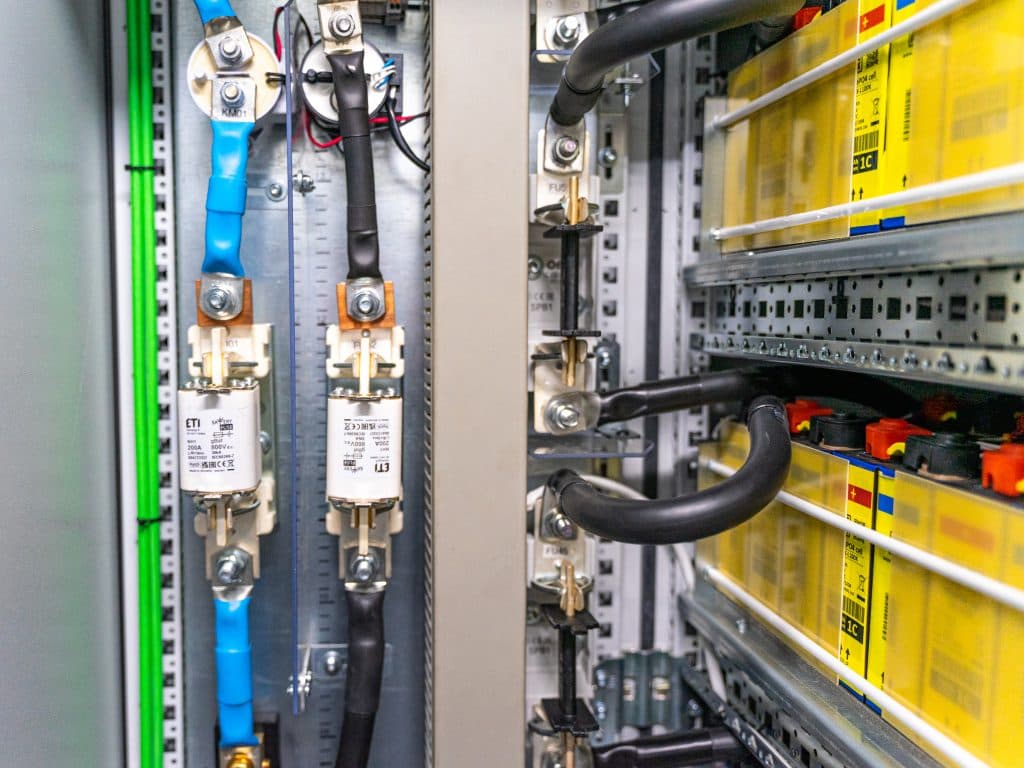
The expected service life of electric vehicle batteries and their potential for further use will lead to a shortage of material needed to meet battery recycling quotas, according to researchers from the German Economic Institute (IW). Recycled cobalt is expected to be particularly scarce. The IW institute announced this in a press release.
The new regulation on battery recycling has been in force since the beginning of this year and, among other things, requires 26% of the cobalt in batteries to come from recycling from 2036. The figure for nickel is set at 15% and for lithium at 12%. IW researchers described the EU’s approach as the right one, but added that the quotas are very ambitious.
“Recycled lithium, and especially cobalt, are likely to be in short supply. If we assume an average battery life of around 14 years in an electric vehicle, followed by recycling, there will be a recycled cobalt deficit of around 3 500 tonnes in 2031,” IW said, adding that if batteries were also used, for example in stationary storage, after their use in electric vehicles ended, the deficit would rise to as much as 4 100 tonnes.
If no other sources of recycled raw materials are available, meeting the new regulation will therefore be practically impossible, the institute said.
Study co-author Sarah Lichtenthäler said a system must be established to collect batteries at the end of their service life and that their export must be prevented.
“The idea is right: in future, we must make the best possible use of scarce raw materials. But the EU’s plans go too far,” Lichtenthäler added, saying that EU countries are not yet making optimal use of resources when it comes to the circular economy.
Translation disclaimer
This article is a machine translation of the Czech original and has not yet been fully reviewed. In case of any doubt, please refer to the Czech version.
Sdílejte článek prostřednictvím:
You might also like


23 October 2026, 11:01


23 October 2026, 06:34