EU countries and MEPs agree to regulate methane emissions in the energy sector

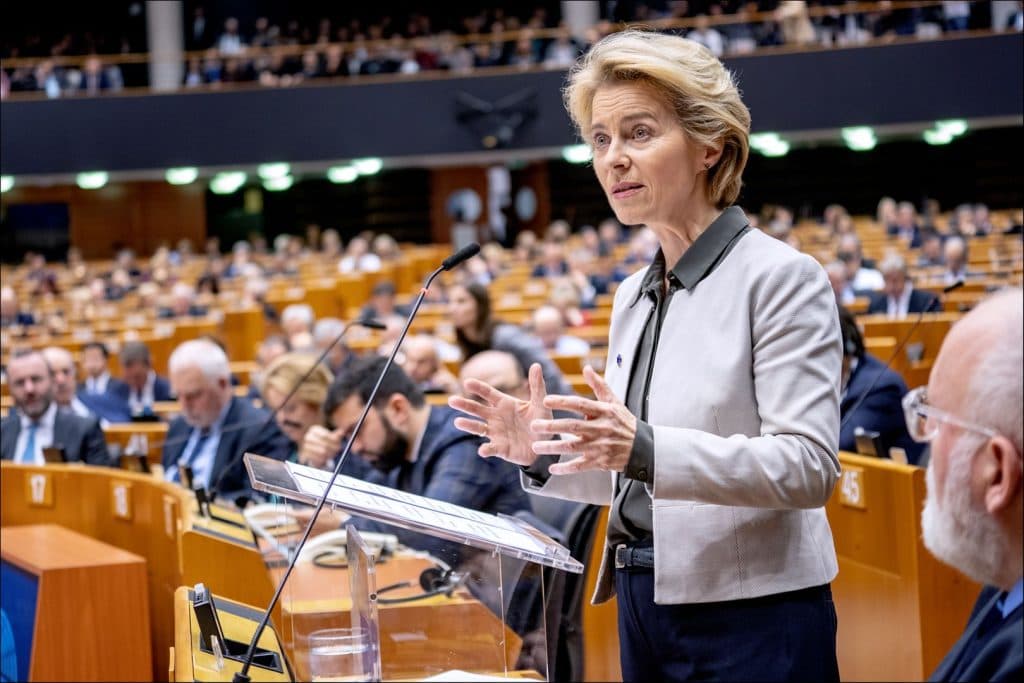
Representatives of EU member states and the European Parliament today concluded negotiations on a regulation that would introduce requirements for energy companies to report and limit methane emissions. The Council of the EU announced the deal after talks that stretched into the early hours of the morning. If the provisional agreement is confirmed, the regulation would apply to oil, gas and coal suppliers, including companies importing these commodities into the EU.
The planned legislation represents the EU’s first attempt to regulate methane emissions, which contribute significantly to the greenhouse effect and, consequently, to global warming. The regulation is part of the Fit for 55 strategy, which aims to put the EU on course to cut carbon emissions by 55 percent by the end of the decade compared with 1990.
The EU wants to combat methane releases into the atmosphere through mandatory inspections and reporting requirements for fossil fuel operators. Various obligations will be introduced over the four years following the regulation’s entry into force, and the plan also includes requirements for measures to reduce production of the greenhouse gas, a Council of the EU press release said. The requirement to monitor emissions would apply to fossil fuel importers from the beginning of 2027.
„We have an agreement on the first EU regulation on methane… Methane was a blind spot in our climate strategy. It no longer is,“ European Parliament Environment Committee chair Pascal Canfin said early this morning on social media platform X.
The Spanish presidency of the Council of the EU noted that methane is the second biggest contributor to global warming after carbon dioxide. „Reducing methane emissions will help us meet the EU’s climate targets,“ Spanish Environment Minister Teresa Ribera said in a press release.
For the new system to enter into force, the outcome of the negotiations still needs to be approved by both the European Parliament and ministers from EU member states.
lex
Translation disclaimer
This article is a machine translation of the Czech original and has not yet been fully reviewed. In case of any doubt, please refer to the Czech version.