25 September 2026, 09:51
Loading...
EU to prioritise renewables over investment protection. Withdrawal from key international treaty said to be inevitable

Martin Voříšek
9 February 2023, 11:25
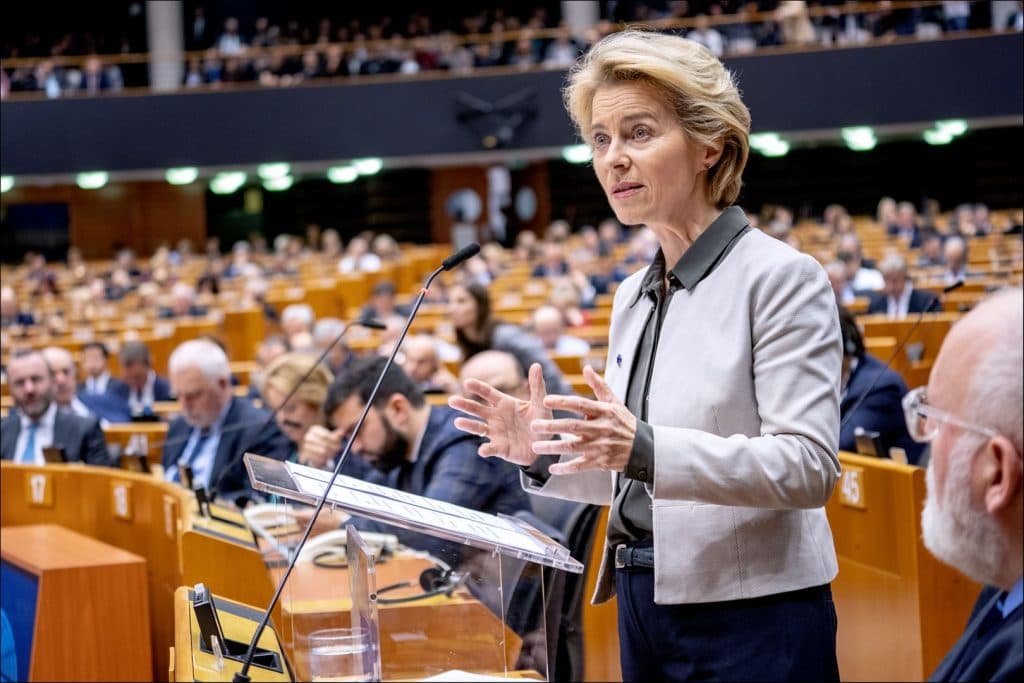
The European Commission considers it inevitable that the EU as a whole will withdraw from the Energy Charter Treaty. The treaty—designed to protect energy investments—has long failed to align with the EU energy sector's shift towards renewable energy.
At European level, policymakers are beginning to consider whether the European Union as a whole can afford to remain a signatory to the Energy Charter Treaty. According to member states, the treaty is incompatible with the current transformation of the energy sector towards renewable energy. The most likely option now is therefore that the entire European Union will withdraw from the treaty.
Over the course of last year, a total of 5 EU member states announced that they would withdraw from the treaty. These are major players in the European energy sector—the intention was announced by Germany, France, the Netherlands, Poland and Spain.
Over the course of last year, the signatory states sought to amend the treaty to bring it into line with the new concept of the energy sector. However, the joint negotiations led nowhere. Proposed amendments were also under discussion, but were not adopted, and the treaty therefore remains unrevised.
The 1998 Energy Charter Treaty, which has around 50 signatories including European Union countries, has a relatively simple fundamental purpose—to protect energy investors from regulatory interventions by member states that may adversely affect their investments. To protect their investments, affected investors can file claims and seek compensation.
The question remains how to withdraw from the treaty
While the intention to withdraw from the Energy Charter Treaty appears settled, there are far more unknowns regarding the form and method of withdrawal.
If a state withdraws from the treaty, it contains a special provision governing the treaty's expiry (known in English as a "sunset clause"). Under this provision, the treaty continues to apply for twenty years after withdrawal.
While EU countries could agree among themselves not to follow this provision, it could pose a problem in relation to non-EU countries. According to the document, no non-EU contracting party has so far indicated that it would be open to such a solution.
Translation disclaimer
This article is a machine translation of the Czech original and has not yet been fully reviewed. In case of any doubt, please refer to the Czech version.
Sdílejte článek prostřednictvím:
You might also like

24 September 2026, 11:23

24 September 2026, 10:30
24 September 2026, 06:56