Methane emissions regulation: European Commission considers concessions for US LNG exporters
The European Union is considering adjusting its rules on methane emissions to facilitate US gas exports to Europe and avert a possible trade war with the United States. The European Commission is weighing greater flexibility in applying the EU’s methane regulations, which could allow US exporters to meet EU requirements. According to three sources familiar with the matter cited by Reuters, the move is part of efforts to ease tensions with US President Donald Trump.
The European Commission is preparing a proposal for trade talks with the United States in the hope of averting the threat of tariffs planned by President Trump. Both sides have suggested that energy could form part of a broader trade deal.
President Trump has repeatedly called on the EU to increase imports of US oil and natural gas, which he says would reduce its trade surplus with the United States. European Commission President Ursula von der Leyen has acknowledged that the Union could increase purchases of US liquefied natural gas (LNG) as it seeks to stop importing gas from Russia completely by 2027.
According to Reuters sources, the European Commission is considering a more flexible interpretation of the methane emissions rules to support trade talks, which could benefit US LNG exporters.
Methane emissions regulation
The Methane Emissions Regulation, in force since 4 August 2024, requires the measurement, reporting and verification (MRV) of methane emissions, including those of foreign suppliers. From May 2025, importers must provide emissions data; from 2027, the rules will become binding for new contracts. For older contracts, importers will need to demonstrate efforts to comply with European standards. Further requirements will be phased in: methane intensity reporting in 2028 and mandatory compliance with emissions limits from 2030.
The regulation will have a significant impact primarily on LNG exporters, who will have to align their standards with European requirements or risk losing access to the European market. The problem is that the specific rules and methodology for calculating methane intensity are not yet clear and will be set out in implementing legislation.
Talks with the US
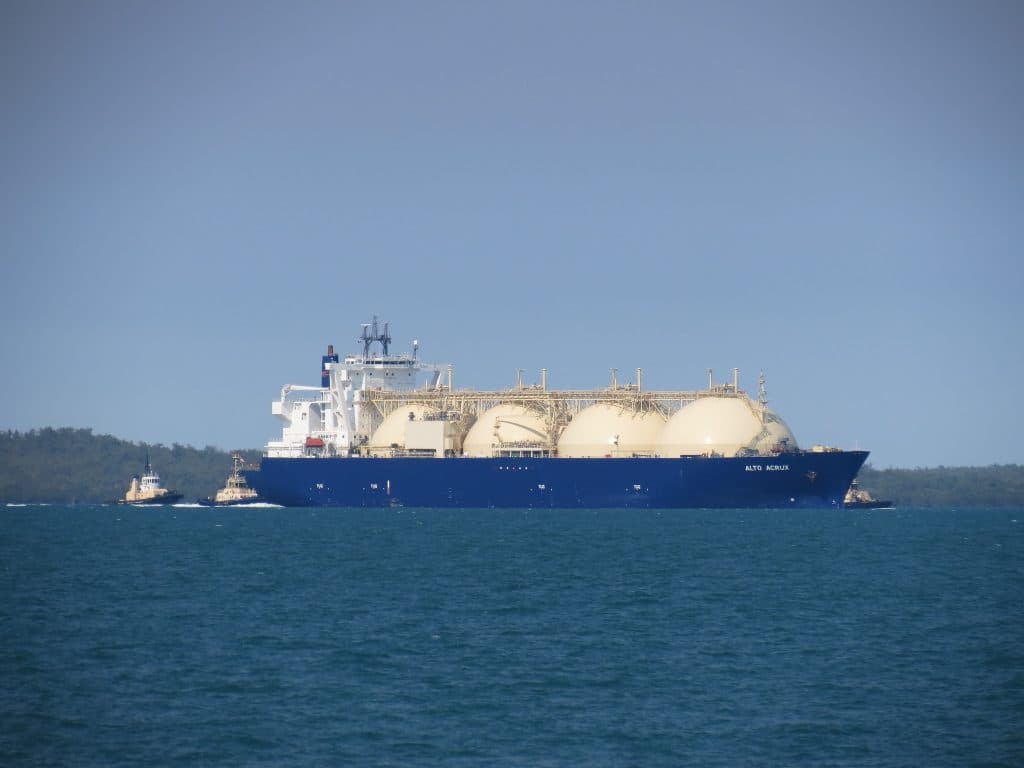
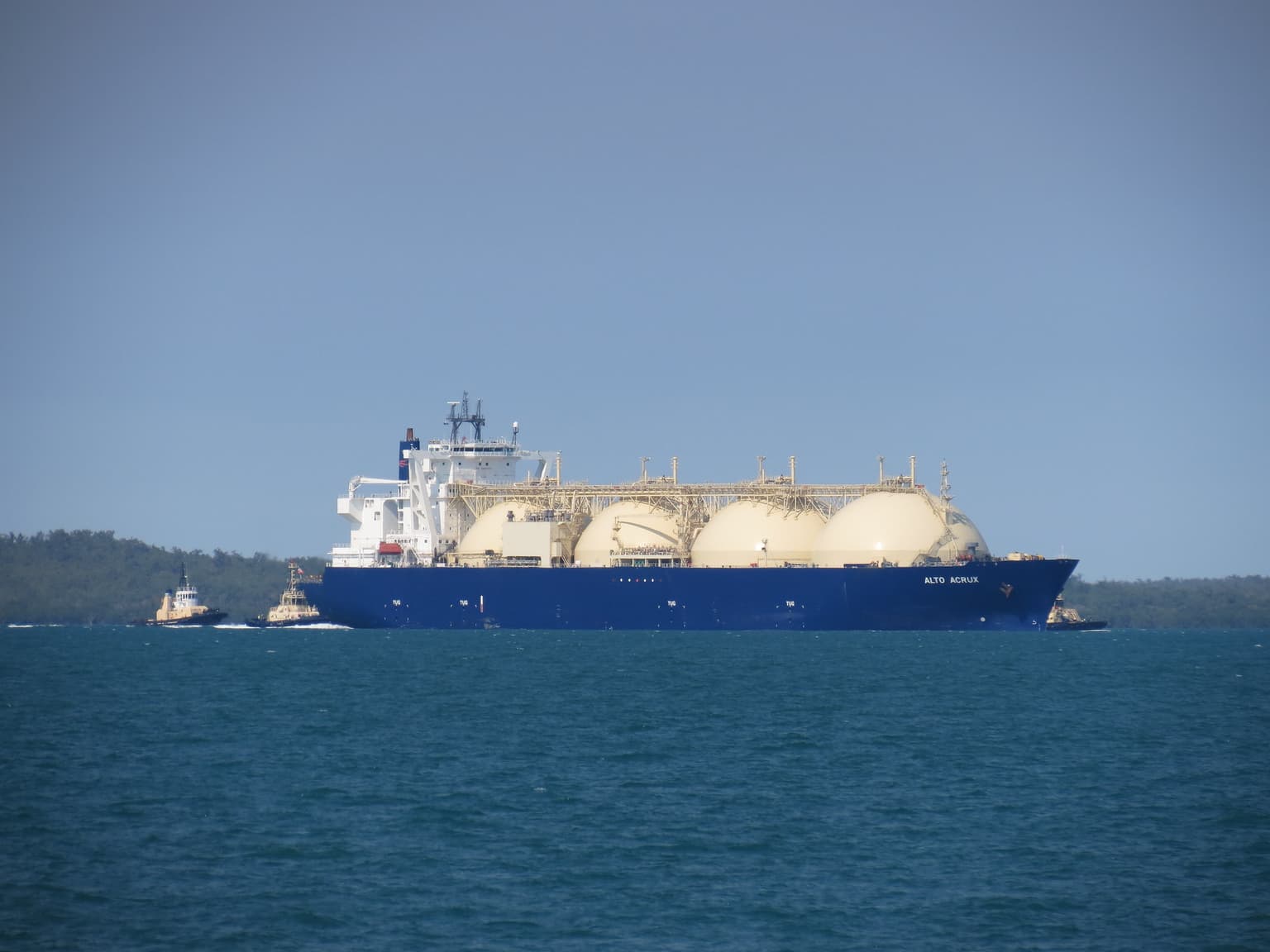
The United States is already the European Union’s largest LNG supplier. After Russia’s invasion of Ukraine in 2022, it significantly increased deliveries to help the EU replace Russian gas. In 2024, the US supplied 45 % of Europe’s LNG imports, equivalent to 16,5 % of the Union’s total imports of gas and LNG.
That is one reason why discussions about the legislation’s impact have been on the agenda for some time. In December 2024, the US asked the European Commission for so-called “regulatory equivalence”, which would exempt US LNG from compliance with the regulation. The request lost momentum, however, after the US Congress in February repealed the federal methane emissions tax.
US exporters warn that the fragmented nature of the domestic gas sector will make it difficult to meet the technical requirements of the new European regulation. They point out that emissions cannot be tracked precisely across the entire supply chain, since each LNG shipment may contain a blend of gas from different fields.
The European Commission is seeking to strike a balance between preserving the integrity of the regulation and creating technical rules that would allow US companies to achieve “equivalent” status under European standards. Assessing the US’s readiness for the new legislation is difficult, however, because the EU will not publish its methodology for calculating methane intensity before 2027, and permissible thresholds will not be set until 2029.
A Commission spokesperson declined to comment on whether flexibility for US LNG exporters was being considered.
The European perspective
Eurogas, a European industry group representing the gas sector, warns that the new EU methane emissions regulation poses a significant challenge to ensuring secure, affordable and diversified gas supplies.
According to Eurogas, the regulation is already hindering the conclusion of new gas supply contracts. Requirements that are not clearly defined and the possibility of penalties (up to 20 % of an importer’s turnover) also create legal uncertainty.
The regulation also narrows the pool of potential suppliers at a time when the EU is seeking to diversify its imports away from Russian gas by 2027. The requirement for producers in third countries to rapidly introduce systems equivalent to the European MRV (monitoring, reporting and verification) system could cause serious complications.
In the context of talks with the US, Eurogas is calling for a pragmatic approach to recognising regulatory equivalence, particularly at a time when US LNG is expected to replace Russian gas. The group welcomes dialogue between the EU and the US as crucial to adapting the rules so they do not jeopardise supplies or push European importers out of the global market. It also warns that stringent requirements could benefit markets with less demanding regulation.
Eurogas Secretary General Andreas Guth said on 4 March that EU talks with the US had come at a critical and volatile time for the energy market.
"We hope any talks will be used to address concerns about the timeline, uncertainties and broader impact of the EU methane regulation," Guth told S&P Platts.
According to Eurogas, the main problem lies in impractical reporting rules, not in the environmental objectives. The obstacles also affect operators who would otherwise comply with the rules. Restrictions on long-term contracts could lead to greater dependence on the volatile spot market. Eurogas is therefore calling for targeted adjustments, clear guidance and flexibility.
Translation disclaimer
This article is a machine translation of the Czech original and has not yet been fully reviewed. In case of any doubt, please refer to the Czech version.