23 October 2026, 14:38
Loading...
EC: If Belgium worsens conditions for nuclear generation, it will compensate operators

Martin Voříšek
20 March 2017, 06:32
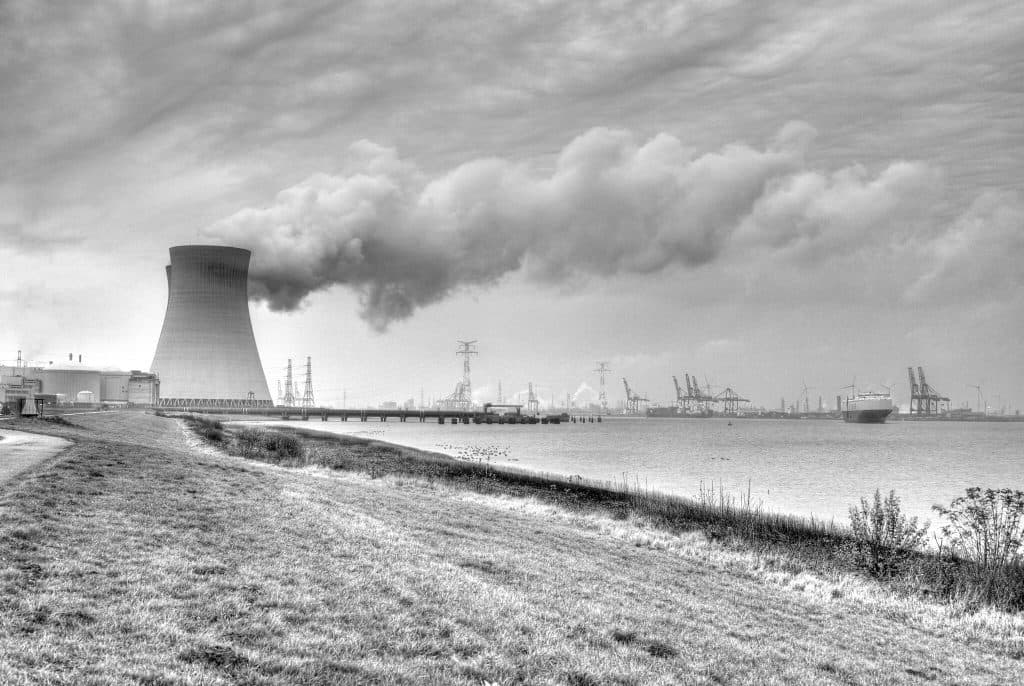
The European Commission has approved a support plan for Belgian nuclear power plants in the event that their operators are forced to close the plants early or are otherwise placed at an economic disadvantage. The “protection period” is to last 10 years.
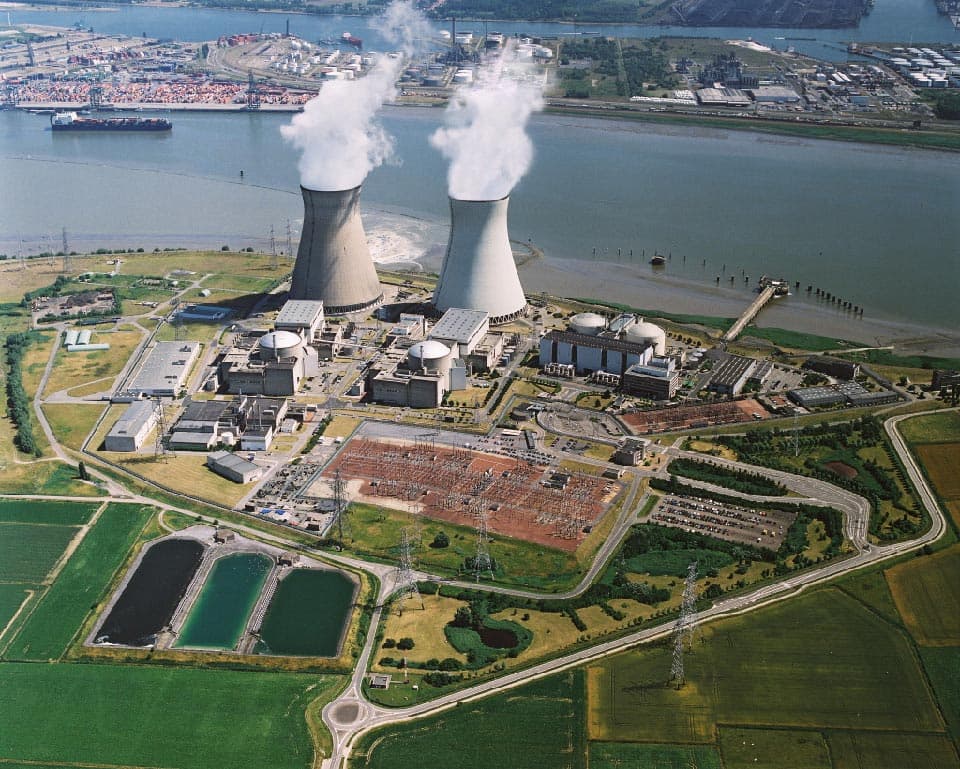
Belgium, which meets around 45 % of its electricity consumption from nuclear power, has effectively committed itself to another decade of operation of its nuclear assets through the compensation scheme. The scheme was approved by the European Commission last week.
The essence of the scheme is that if the economic conditions for operating nuclear power plants deteriorate as a result of state intervention, the operators of those plants will be compensated. In its report, the European Commission cites the early shutdown of individual nuclear units or an increase in a specific tax imposed on nuclear generation as possible examples of worsening conditions.
However, the commitment also applies to nuclear power plant operators. In return, they have undertaken to inject a further EUR 1.3 billion into maintenance of their existing units in order to ensure sufficiently safe operation of the ageing reactors.
According to the Belgian government, this guarantee is crucial for nuclear power plant operators, as these are long-term investments. At the same time, the guarantees are in the interest of the state, which will ensure through the operators’ investments that the plants are operated with minimal risks and are not merely “running out their final years” to maximise profits.
Approval of nuclear support in Belgium is not the only recent case
In addition to the approval of the Belgian scheme, the construction of the Paks nuclear power plant has also recently been approved. This may suggest that the European Union as a whole is not turning its back on nuclear electricity generation, but supports it to a certain extent.
This could be key information for the Czech Republic, which plans to expand its nuclear units and will probably need to secure an exemption for the procurement procedure.
There is another parallel to be found in the situation with the construction of a nuclear unit in the Czech Republic. While previously the construction of a new unit was practically tied to a decision on guaranteed generation prices, in mid-February ČEZ chief executive Daniel Beneš admitted that it was crucial for the completion project to be designated a project of strategic state interest.
“What a project such as the construction of a nuclear power plant needs is a soft political declaration from the Czech government and from the Czech Republic that it is a project of strategic state interest. And that the state will take a long-term approach to the project and create conditions for it, whether legislative or in terms of shaping the energy market—what it will look like and how it will function—and create the conditions for such a project to come into being. So that the plant can be built and the investor can recoup its investment.”
Daniel Beneš for Lidovky.cz
According to the schedule, the selection of a potential supplier for new nuclear units in the Czech Republic should begin in the first quarter of 2018.
Translation disclaimer
This article is a machine translation of the Czech original and has not yet been fully reviewed. In case of any doubt, please refer to the Czech version.
Sdílejte článek prostřednictvím:
You might also like
23 October 2026, 11:01
23 October 2026, 06:34