10 October 2026, 07:37
Loading...
EU eases state aid: Companies to receive up to 70% of high energy costs
Veronika Jurcová
30 April 2026, 06:43
The European Commission has approved a temporary state aid framework to mitigate the effects of the energy crisis triggered by the conflict in the Middle East. Member states will be able to compensate companies for most of their increased costs, as they are already rolling out support worth billions of euros, often without clear targeting, Reuters reports Reuters.
The European Union is responding to a sharp rise in energy and commodity prices with a new temporary state aid framework. On Wednesday, 29 April, the European Commission formally adopted the so-called Middle East Temporary State Aid Framework (METSAF), which is intended to enable member states to quickly help the economic sectors hardest hit.
The framework focuses primarily on agriculture, transport and energy-intensive industries, which are among those most affected by the crisis triggered by the conflict in the Middle East and disruptions to global oil and natural gas supplies. The measure is temporary and will remain in place until the end of 2026, with the Commission regularly reviewing it.
Under the proposal, states will be able to compensate companies for up to 70% of additional fuel and fertiliser costs. The amount of support will be based on the difference between the current market price and a historical reference period, and will take companies’ actual consumption into account. A simplified support option is available for smaller recipients, allowing them to receive up to 50 thousand euros without having to provide detailed evidence of consumption.
Support for energy-intensive industry is also being significantly expanded. Companies will be able to receive compensation of up to 70% of their electricity costs, up from the previous 50% cap. Support can cover up to half of their total consumption and will not be conditional on additional investment in decarbonisation.
The Commission also stresses that the long-term solution remains the transition to clean energy, which is intended to protect European companies from similar shocks in the future. The current measures are primarily intended to prevent the crisis from causing lasting damage to the growth of the businesses hardest hit.
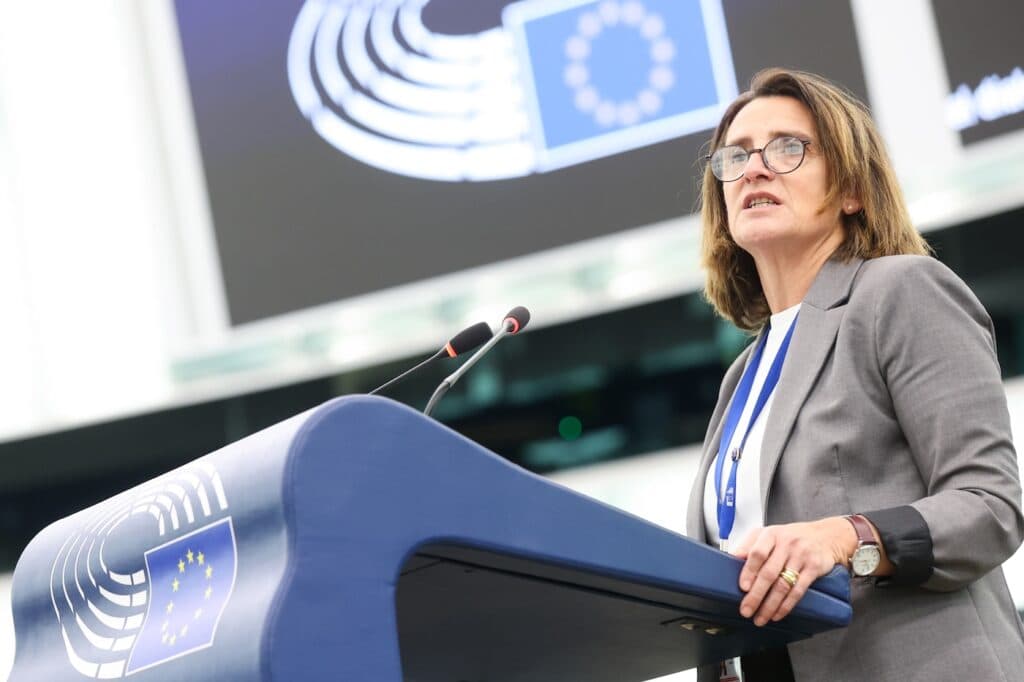
"Achieving a clean economy is what will protect us from energy crises in the future. The energy transition remains the most effective strategy for Europe’s autonomy, growth and resilience. Recent price shocks, however, call for an immediate response. METSAF offers easy-to-use solutions that will support the continued development of key EU sectors, such as agriculture, fisheries and transport, by mitigating the effects of the crisis," said Commission Executive Vice-President Teresa Ribera.
Uneven advantage for wealthier countries
The new framework comes at a time when member states have already adopted a range of their own support measures. According to available analyses, governments have allocated more than 13 billion euros to cut fuel taxes and take other steps to mitigate the impact of high energy prices. For example, 19 EU countries have cut energy taxes, often without precisely targeting the sectors hardest hit.
The Bruegel think tank estimates that approximately 80% of these measures have no clearly defined target group. The International Monetary Fund has repeatedly warned of the risks associated with broad-based subsidies and urged governments to exercise greater fiscal discipline.
The impact of the new rules on a level playing field in the EU is also prompting debate. Critics warn that easing state aid rules will primarily benefit wealthier countries with larger budgets. They can offer their companies substantially more support than smaller economies, potentially widening disparities in the single market.
The European Commission therefore stresses that the measures are strictly temporary and subject to approval. Each support scheme will have to be notified and will go through an accelerated approval process.
The coming months will show whether the EU can balance rapid assistance to companies with maintaining fiscal stability and fair competition.
Translation disclaimer
This article is a machine translation of the Czech original and has not yet been fully reviewed. In case of any doubt, please refer to the Czech version.
Sdílejte článek prostřednictvím:
You might also like

10 October 2026, 07:02

9 October 2026, 13:47